Figures Associated With Shapeshifting in Ancient Civilizations and Folklore Traditions
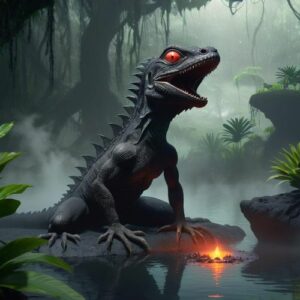
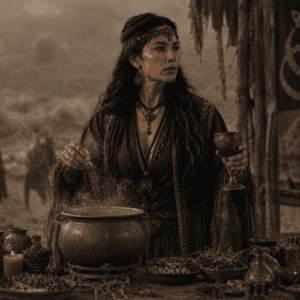
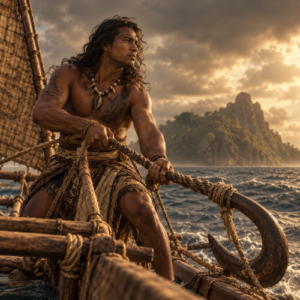
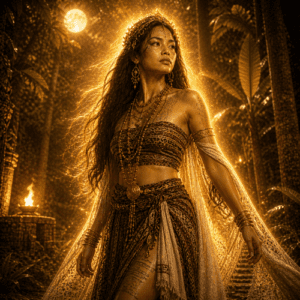
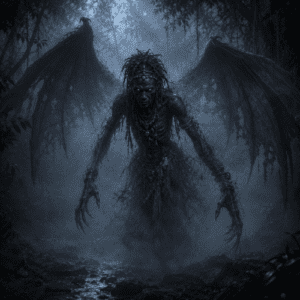
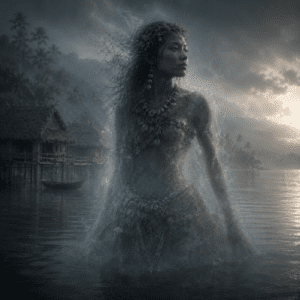
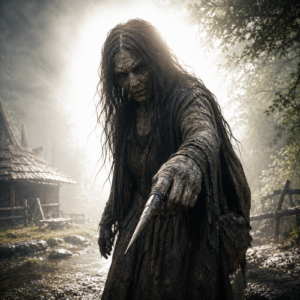
Shapeshifters occupy a fascinating place in world mythology, representing beings capable of changing their physical appearance, assuming animal forms, or transforming into entirely different entities. These transformations may be deliberate, magical, temporary, or part of a being’s natural abilities. Across cultures, shapeshifting is associated with deception, survival, protection, supernatural power, and the uncertain boundaries between humans, animals, and spirits.
In Norse mythology, Loki is among the best-known divine shapeshifters. His ability to assume different forms plays an important role in several stories, including his transformation into a mare, which leads to the birth of Sleipnir, Odin’s eight-legged horse. Loki also takes the forms of other creatures and individuals to influence events among the gods. His transformations reflect his unpredictable personality and his ability to move between different identities.
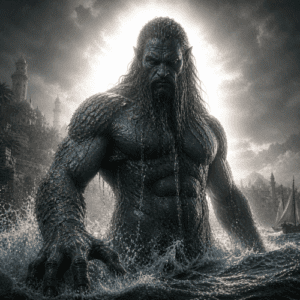
Greek mythology features Proteus, an ancient sea-associated figure known for his ability to change shape. In the Odyssey, Menelaus must hold on to Proteus as he transforms into different creatures and natural forms before finally answering questions about his journey. His story presents shapeshifting as a way of resisting capture and concealing knowledge.
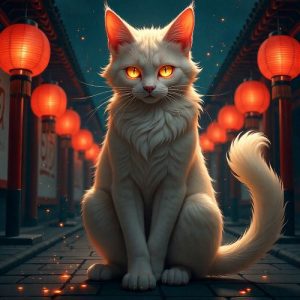
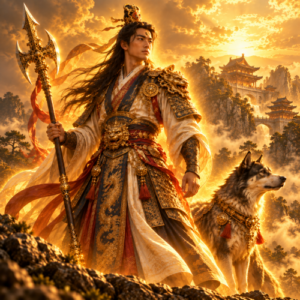
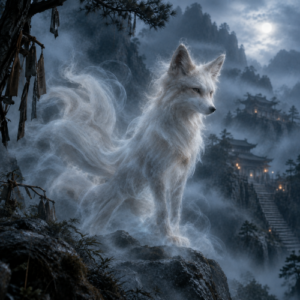
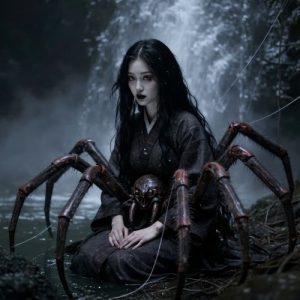
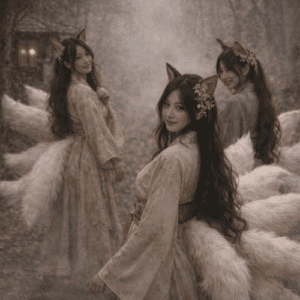
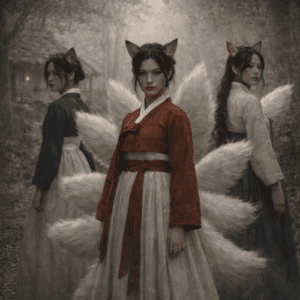
Japanese folklore includes Kitsune, supernatural fox beings renowned for their ability to transform into human forms. They frequently appear as beautiful women or mysterious strangers, although their personalities vary between mischievous, dangerous, and benevolent. Some Kitsune develop relationships with humans, while others use transformation to deceive or test them. Their stories explore the complicated relationship between appearance and identity.
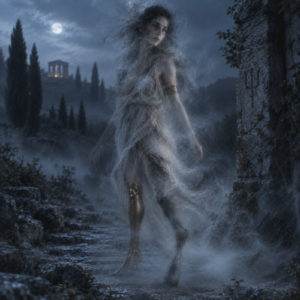
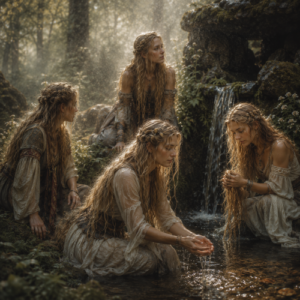
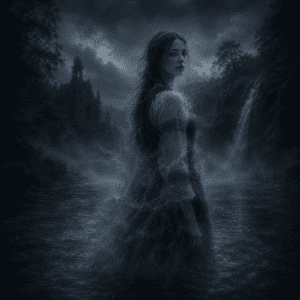
In Scottish and Irish folklore, Selkies are supernatural beings capable of moving between seal and human forms. They remove their seal skins to become human, often appearing in stories involving relationships between selkies and people on land. Their skins are central to many narratives, as losing one can prevent a selkie from returning to the sea. These stories frequently explore longing, captivity, belonging, and the conflict between two different worlds.
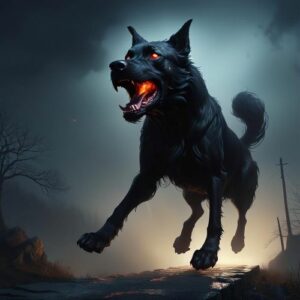
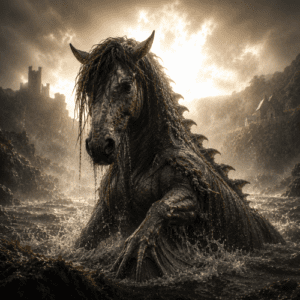
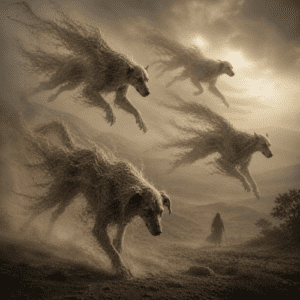
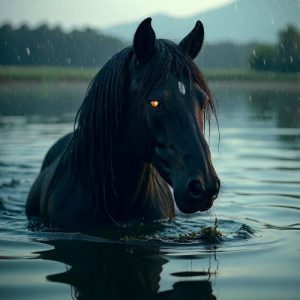
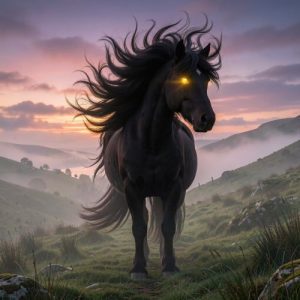
Irish folklore also features the Púca, a mysterious shapeshifting creature capable of assuming different animal and human-like forms. It is frequently associated with the countryside and encounters after dark. Depending on the regional story, the Púca may be mischievous, helpful, frightening, or unpredictable. Its changing appearance reflects the uncertain character of supernatural beings in traditional folklore.
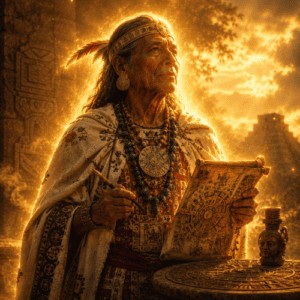
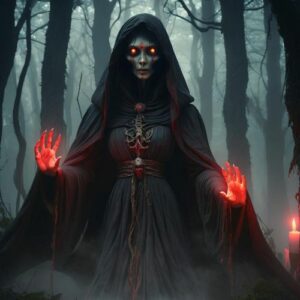
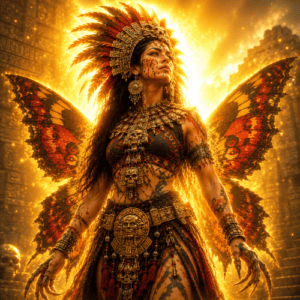
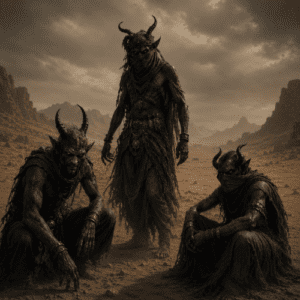
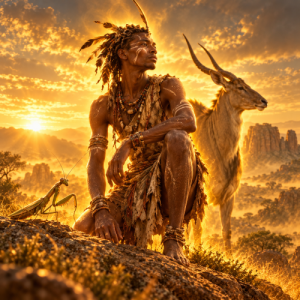
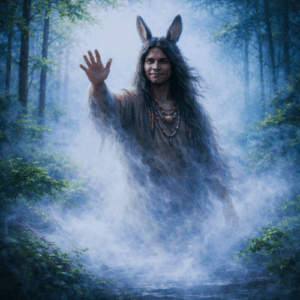
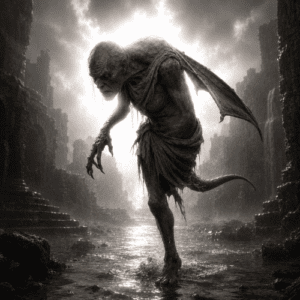
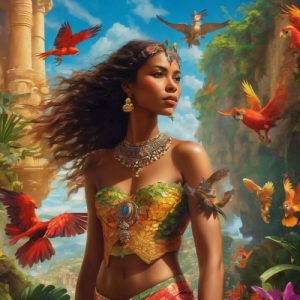
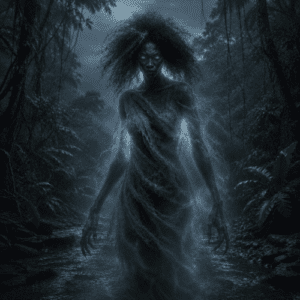
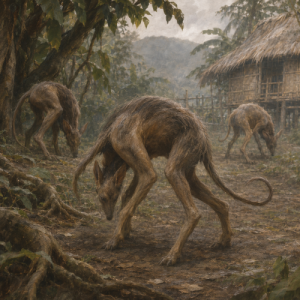
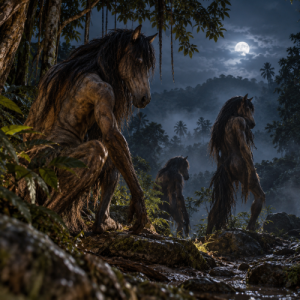
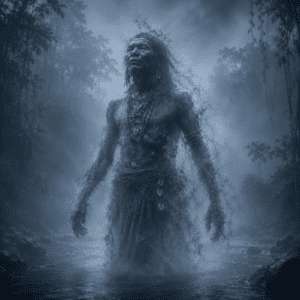
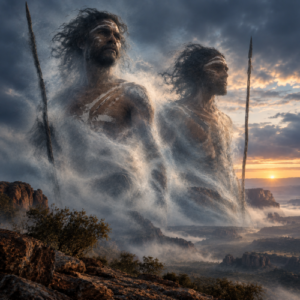
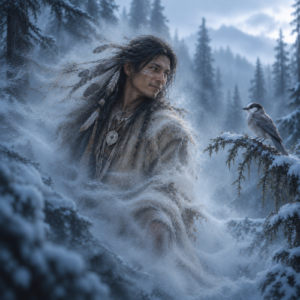
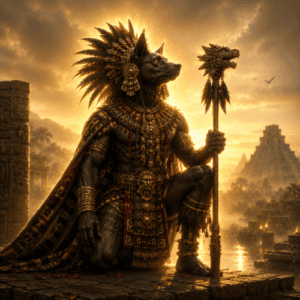
Shapeshifting also appears in traditions involving animal transformations, spirit possession, and magical disguises. Some cultures describe humans who can assume animal forms, while others feature spirits that move between different bodies. These traditions are not identical, and the meaning of transformation varies according to cultural beliefs.
Across these stories, shapeshifting challenges the assumption that appearance reveals identity. A stranger may conceal a supernatural nature, an animal may possess human intelligence, and a familiar figure may suddenly become something entirely different. These beings demonstrate how mythology uses transformation to explore identity, freedom, deception, and the relationship between the human and supernatural worlds.