
Languages
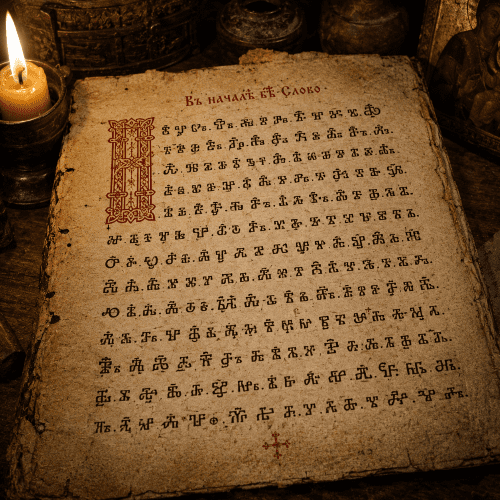
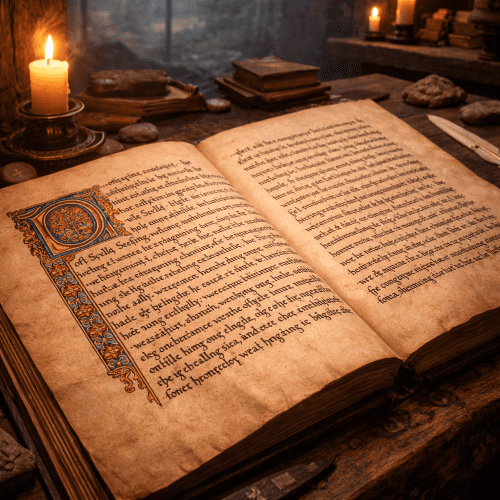
Mythical Languages are the sacred and symbolic tongues through which ancient civilizations expressed their gods, heroes, creation stories, and cosmic truths. These languages were more than tools of communication. They were vessels of memory, ritual, and identity, carrying myths across generations long before the written word became widespread. At Mythlok, the study of Mythical Languages offers a deeper understanding of how legends were formed, preserved, and transformed across cultures.
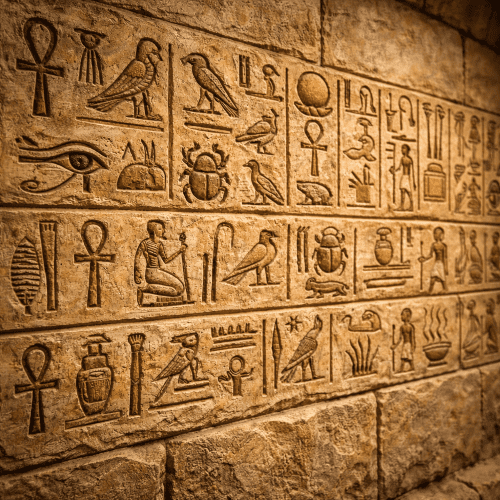
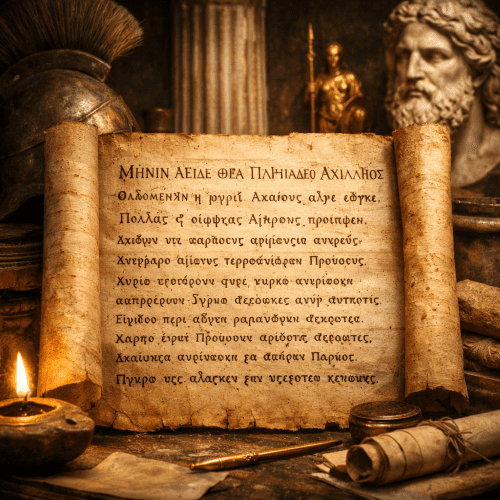
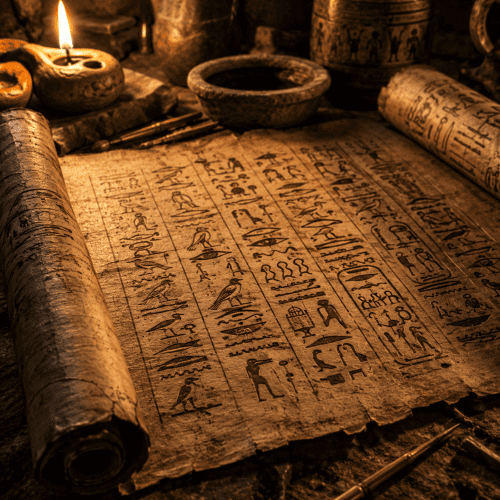
Across the ancient world, mythology was inseparable from language. Sacred hymns, epic poems, ritual chants, and divine names were often believed to possess power simply through sound and structure. Languages such as Sanskrit, Sumerian, Akkadian, Ancient Egyptian, Classical Greek, Latin, Old Norse, Avestan, and Classical Chinese were used to record myths that defined how people understood the universe. Each of these tongues shaped mythology in unique ways, influencing symbolism, cosmology, and even moral values embedded within the stories.
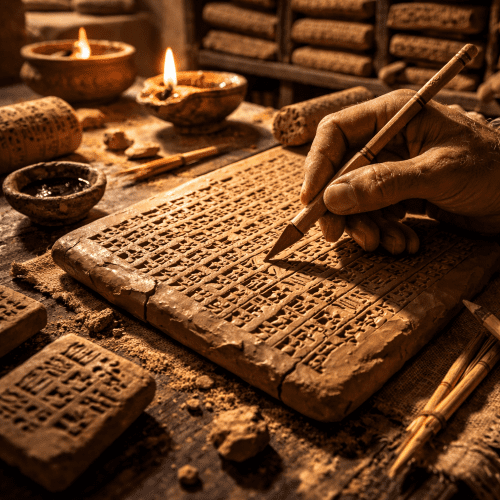
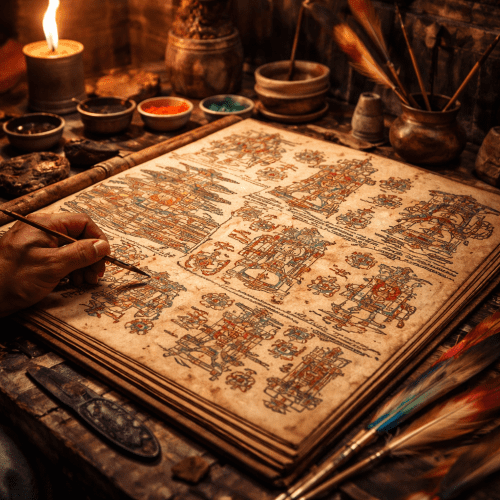
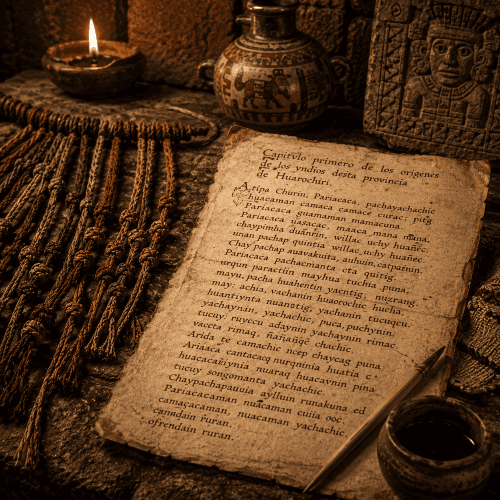
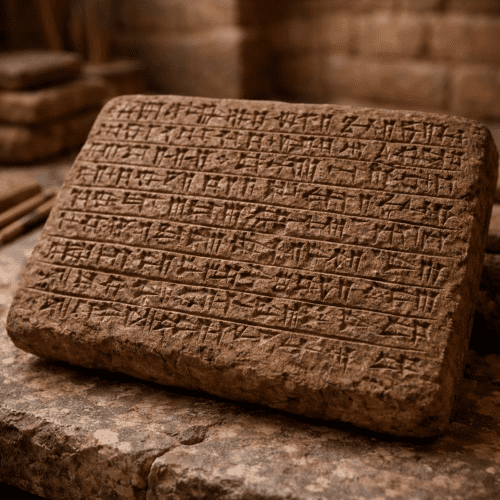
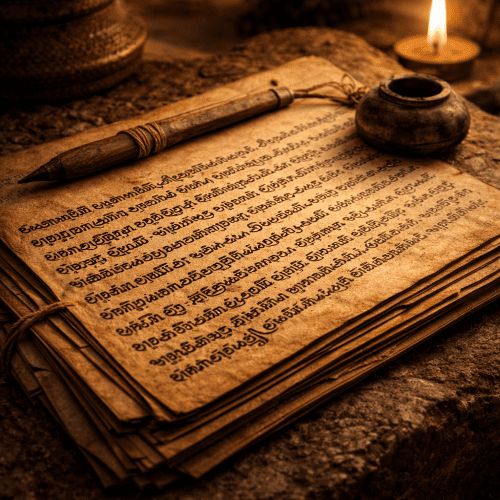
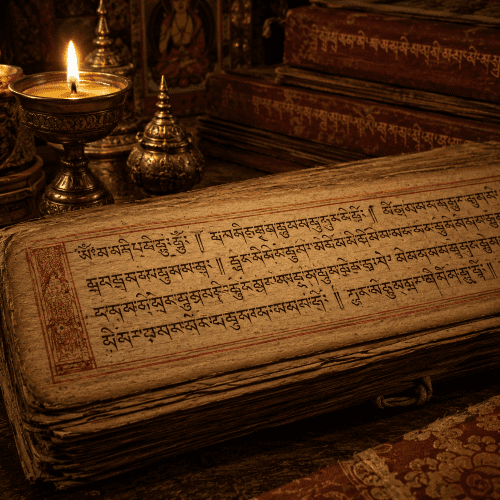
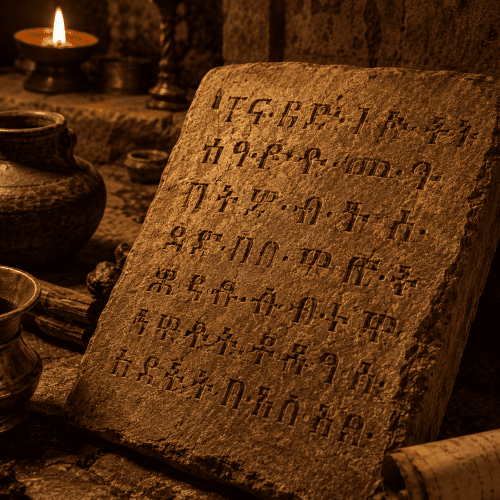
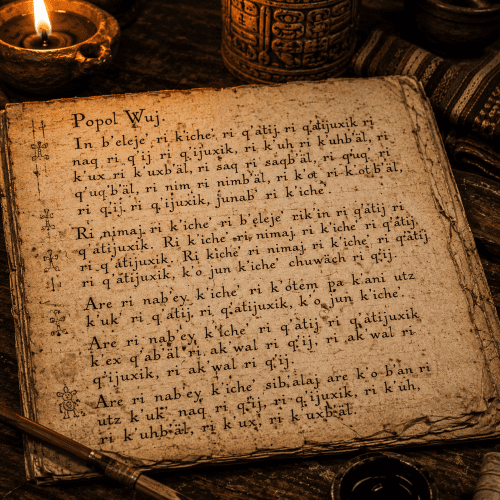
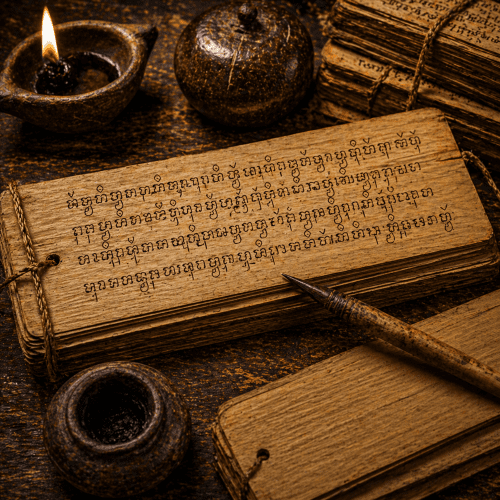
Mythical Languages also reveal how mythology evolved alongside civilization. Some languages were reserved for priests, poets, or scholars, reinforcing the idea that mythic knowledge was sacred and restricted. Others existed in both spoken and ritual forms, allowing myths to travel through oral traditions before being committed to stone, clay tablets, palm leaves, or manuscripts. As empires rose and fell, these languages carried fragments of belief systems into new cultures, often blending with local traditions and creating layered mythic worlds.
At Mythlok, this page serves as a gateway to exploring ancient languages used in mythology across regions and eras. From the earliest Mesopotamian creation myths to Indian epics, Nordic sagas, Mesoamerican codices, and East Asian cosmological texts, Mythical Languages connect diverse civilizations through shared themes of origin, destiny, chaos, and order. Understanding these languages helps modern readers see myths not as isolated stories, but as living systems shaped by grammar, rhythm, and cultural worldview.
In the modern age, Mythical Languages continue to influence literature, fantasy worlds, ritual practices, academic research, and popular culture. Even when no longer spoken, they remain alive through mythic narratives, sacred formulas, and symbolic expressions. By exploring Mythical Languages, Mythlok preserves the linguistic foundations of humanity’s oldest stories, ensuring that the voices of the ancient world are never truly lost.