South American Mythology
South American mythology is one of the most diverse bodies of traditional belief in the world, encompassing the gods, spirits, heroes, creation stories, and sacred traditions of Indigenous peoples across the continent. From the towering Andes and the vast Amazon rainforest to the plains of Patagonia and the islands of southern Chile, different cultures developed distinctive mythologies shaped by their environments, histories, languages, and ways of life. Despite their differences, many South American traditions explore themes of creation, nature, ancestry, transformation, and the relationship between humans and the supernatural world.
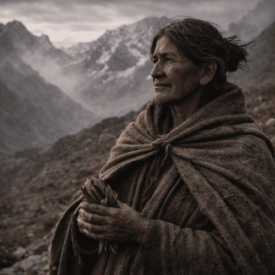
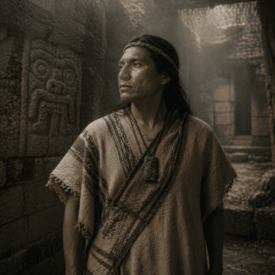
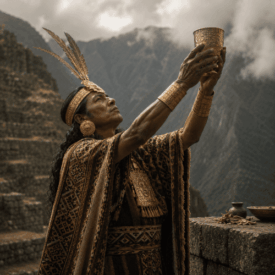
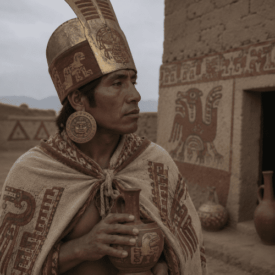
The mythology of the Andes includes some of the best-known traditions in South America. Inca mythology developed around a complex religious system connecting the sun, earth, ancestors, rulers, and the natural world. Inti, the sun deity, held an important position within Inca religion and imperial ideology, while Viracocha was regarded in Inca traditions as a creator deity. Beyond the Inca, Andean cultures such as the Aymara and the people associated with Chavin developed their own religious traditions, sacred landscapes, and supernatural beings. Mountains, known as apus in many Andean traditions, could hold profound spiritual significance.
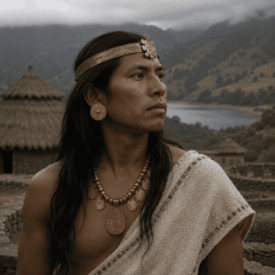
South American mythology extends far beyond the Andes. The Muisca of present-day Colombia developed traditions surrounding figures such as Bochica and Bachué, sacred lakes, and ancestral origins. Ritual offerings associated with Lake Guatavita later contributed to the development of the famous El Dorado legend. Among Guarani-speaking peoples of Paraguay, Brazil, Argentina, and surrounding regions, creation traditions describe powerful beings and the origins of humanity, language, and the natural world.
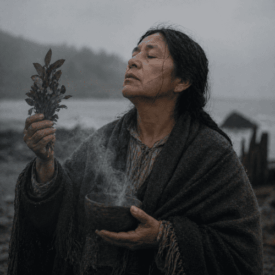
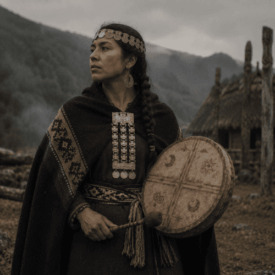
Along the Pacific coast of Peru, Moche religious traditions are preserved through extraordinary ceramics, murals, metalwork, and monumental architecture. Their imagery depicts supernatural beings, animals, warriors, and ritual activities, offering important evidence for reconstructing a mythology for which no surviving written narrative exists. In southern South America, Mapuche traditions include powerful spiritual beings, ancestors, and sacred forces connected with the natural world, while the mythology of Chiloé developed a distinctive collection of maritime and supernatural stories through Indigenous and colonial cultural interaction.
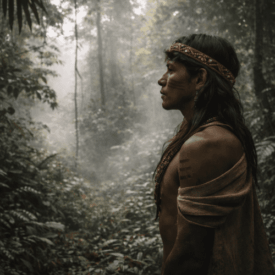
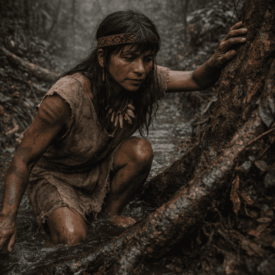
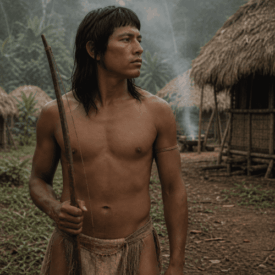
The Amazon and Brazil contain an immense variety of Indigenous mythological traditions. Stories concerning forest spirits, river beings, animals, transformation, ancestors, and supernatural forces reflect the profound importance of the rainforest and its waterways. Brazilian folklore also preserves figures such as Curupira, associated with the protection of the forest, and the boto, the river dolphin featured in stories of supernatural transformation.
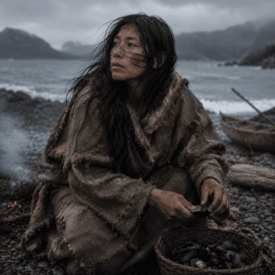
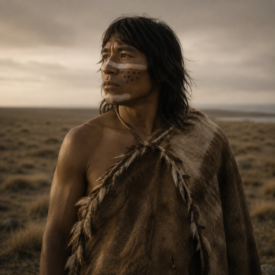
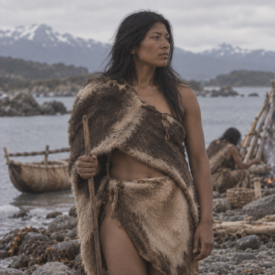
At the southernmost reaches of the continent, the mythologies of the Yámana, Selk’nam, and Kawésqar reflect cultures shaped by the distinctive landscapes and waters of Tierra del Fuego and the surrounding regions. The Selk’nam Hain ceremony, involving elaborate representations of supernatural beings, is among the most remarkable surviving records of ritual life from the region.
South American mythology is therefore not a single system of belief but a vast collection of traditions developed by different peoples over thousands of years. Its stories connect communities with mountains, rivers, forests, animals, ancestors, and celestial forces, offering diverse perspectives on the origins and meaning of life. Many of these traditions continue to influence Indigenous identity, storytelling, ceremony, art, and cultural life across South America today.