

Gods of the Seas and Oceans in Ancient Civilizations
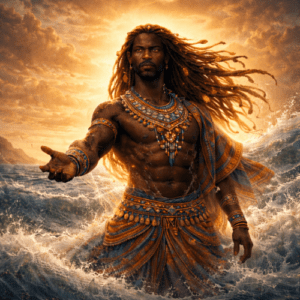
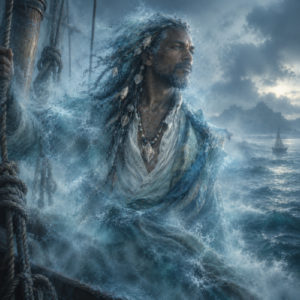
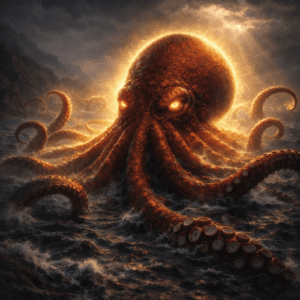
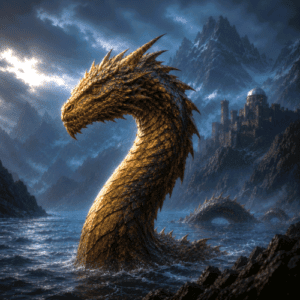
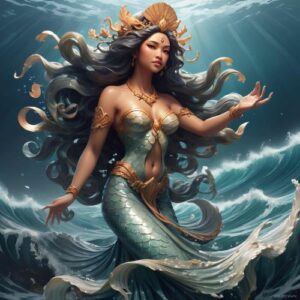
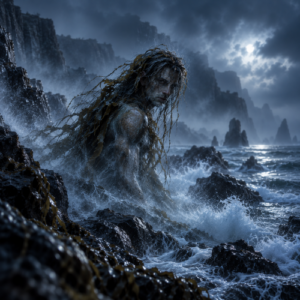
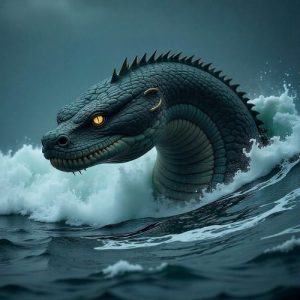
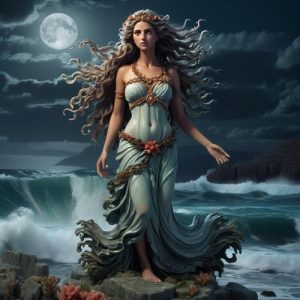
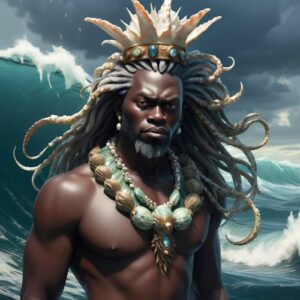
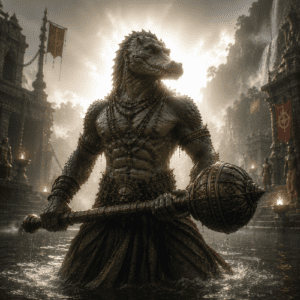
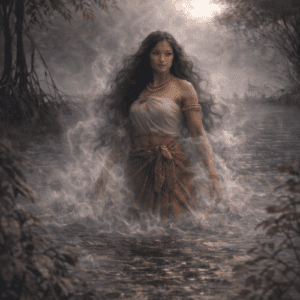
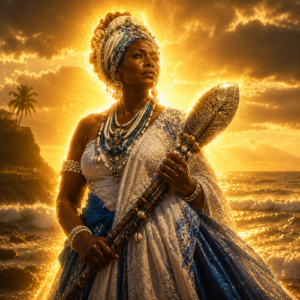
The seas and oceans have always represented both life and danger. They provide food, enable travel, and connect distant lands, yet they also conceal storms, depths, and unknown forces. Across civilizations, the Gods of the Seas and Oceans emerged as powerful figures who controlled tides, commanded storms, and governed the mysterious depths of the world.
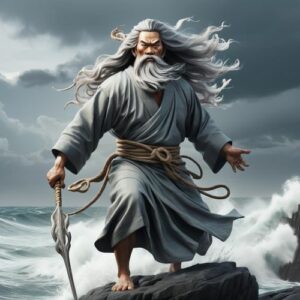
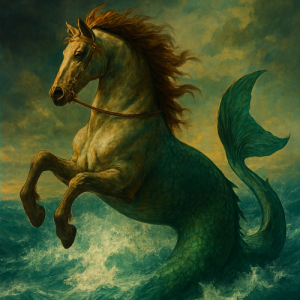
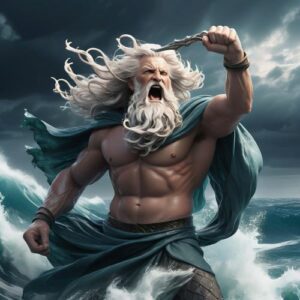
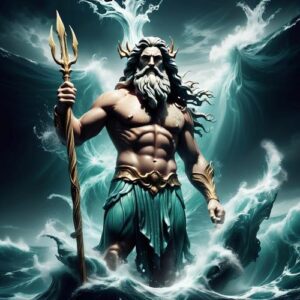
In Greek tradition, Poseidon stands as one of the most formidable deities. Wielding his trident, Poseidon could calm the waters or unleash devastating storms and earthquakes. His Roman counterpart, Neptune, carries similar authority, symbolizing both the life-giving and destructive nature of the ocean.
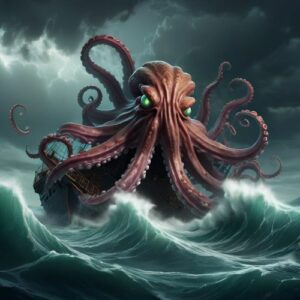
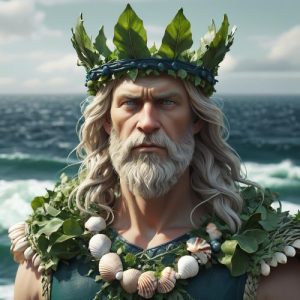
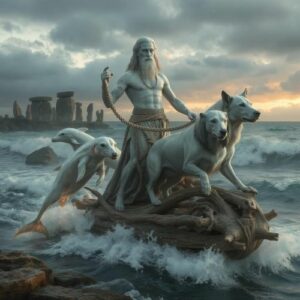
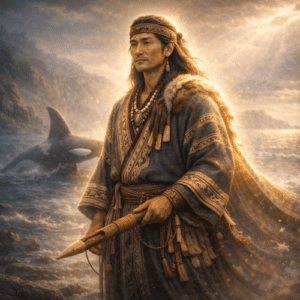
Norse mythology presents a more unpredictable vision of the sea through Njord, a deity associated with seafaring, wealth, and prosperity. The ocean here is not just a force of chaos but also a pathway to fortune. At the same time, Norse stories often depict the sea as wild and untamable, reflecting the harsh realities faced by seafaring cultures.
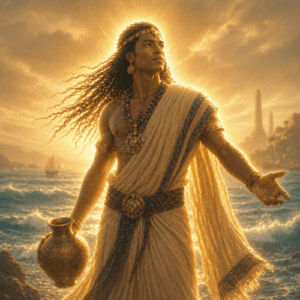
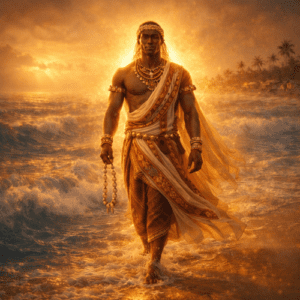
In the Indian tradition, Varuna governs cosmic waters and moral order. Unlike purely storm-driven deities, Varuna represents both the physical ocean and the unseen laws that maintain balance in the universe. This connection between water and cosmic order highlights a deeper symbolic role of the seas.
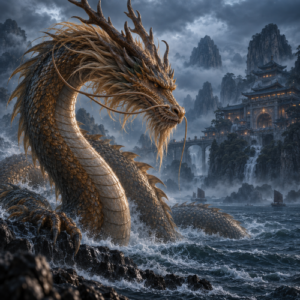
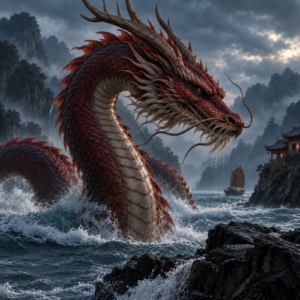
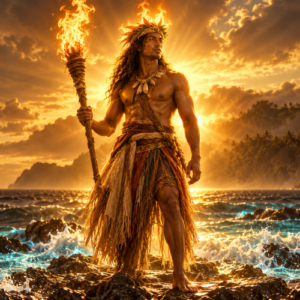
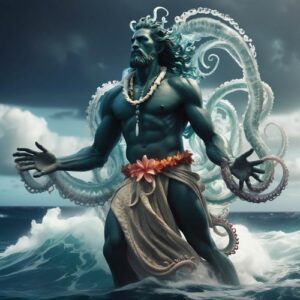
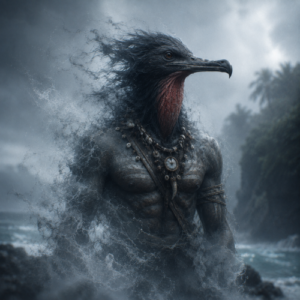
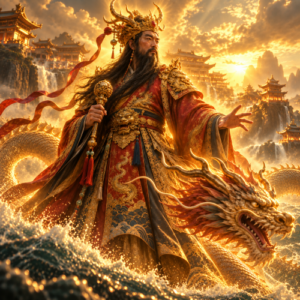
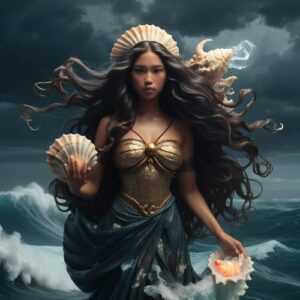
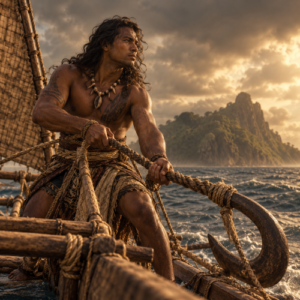
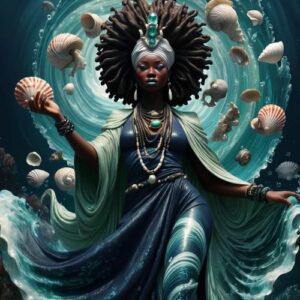
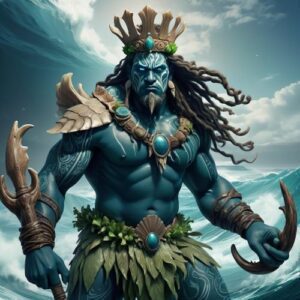
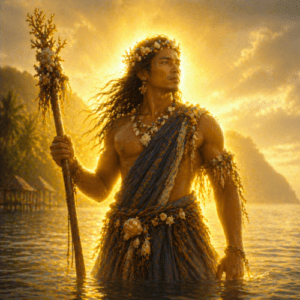
In Japanese belief, Ryujin rules over the ocean depths and controls the tides using magical jewels. Ryujin reflects how the sea can be both majestic and divine, rather than purely destructive. Similarly, in Polynesian traditions, ocean deities are deeply tied to navigation and survival, guiding travelers across vast and open waters.
Across cultures, Gods of the Seas and Oceans are rarely simple. They are creators and destroyers, protectors and challengers. The ocean itself reflects this duality—calm and nurturing one moment, violent and unpredictable the next.
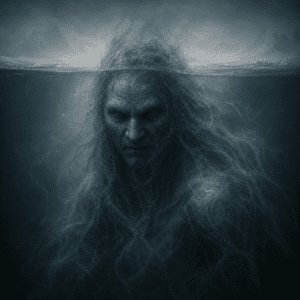
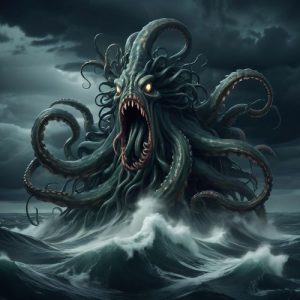
What unites these deities is their connection to the unknown. The sea has always been a boundary between the known world and what lies beyond. It represents depth, mystery, and the subconscious forces of existence.
Exploring the Gods of the Seas and Oceans reveals how ancient civilizations understood water not just as a resource, but as a living, divine presence. Through these deities, the ocean becomes more than a landscape. It becomes a force that shapes life, tests human limits, and connects the physical world to something far deeper.