


Bucca : The Sea Spirit of Cornish Mythology
At a glance
| Description | |
|---|---|
| Origin | Cornish Mythology |
| Classification | Spirits |
| Family Members | N/A |
| Region | United Kingdom |
| Associated With | Storms, Sea |
Mythlok Perspective
In Mythlok’s Perspective, Bucca represents a very different relationship with the supernatural from powerful sea deities such as Poseidon or Manannán mac Lir. Rather than ruling the oceans as a divine sovereign, Bucca appears in Cornish folklore as a spirit whose favour fishermen sought through offerings. His significance lies in the uncertainty he embodies: the sea can provide abundance while threatening the lives that depend on it. Bucca offers a glimpse into Cornish spirituality, where survival meant negotiating with nature rather than assuming dominion over it.
Bucca
Introduction
Bucca is a supernatural figure in Cornish folklore associated with the sea, coastal communities, storms, and the uncertain forces of nature. Described as a male sea spirit or hobgoblin, Bucca occupied a place in the traditional beliefs of Cornwall’s fishing communities, where the ocean could provide a livelihood one day and bring disaster the next. Stories about this mysterious being reflect the relationship between coastal people and the unpredictable environment on which their survival depended.
Historical accounts describe fishermen leaving food offerings for Bucca in the hope of securing favourable conditions and successful catches. His reputation was therefore shaped by both fear and respect. In some traditions, Bucca could help fishermen by driving fish into their nets, while neglecting him could invite misfortune. This dual character made him more than a frightening creature of the shoreline.
The origins of Bucca remain uncertain. Some nineteenth-century writers, including Reverend W. S. Lach-Szyrma, suggested that the figure might preserve traces of an ancient pagan sea deity. Although this interpretation is historically interesting, it has not been established as fact. Bucca is more securely understood through the surviving folklore of Cornwall, where beliefs about spirits, the natural world, and supernatural dangers developed over generations.
Physical Traits
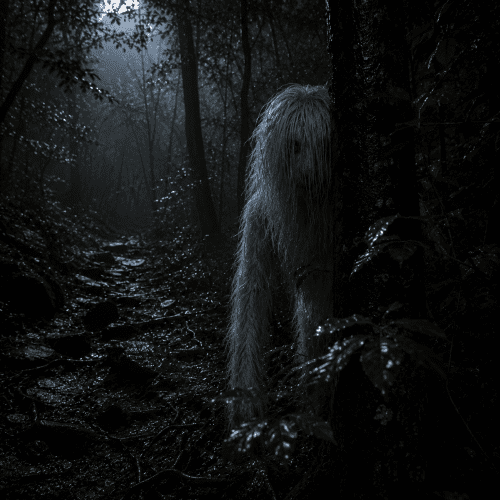
Descriptions of Bucca vary across Cornish folklore, and no single appearance can be treated as definitive. One of the best-known accounts, associated with The Tale of the Sea Bucca, describes a strange being with dark brown skin resembling that of a conger eel and hair formed from tangled seaweed. These characteristics connect his appearance directly to the waters and rocky shores he inhabits.
Bucca is frequently described as a male sea spirit, sometimes compared to a merman. His association with coastal caves, secluded coves, and the shoreline gives him a place between the familiar human world and the mysterious depths of the ocean. Rather than presenting him as an ordinary sea creature, these stories portray a supernatural presence that can observe human activity while remaining separate from everyday life.
The physical descriptions also reflect the uncertainty surrounding encounters with supernatural beings in traditional storytelling. A creature emerging from dark water or appearing among seaweed-covered rocks could inspire both fascination and fear, particularly among communities whose lives depended on the sea.
Not every version of Bucca provides detailed physical characteristics. Modern artistic representations may add glowing eyes, elaborate aquatic features, or other supernatural effects, but such details should not automatically be attributed to traditional Cornish accounts. The most recognisable folkloric image remains that of a strange, sea-associated being whose appearance reflects the harsh and mysterious coastal environment.
Family
Traditional Cornish folklore does not establish a detailed family tree for Bucca. Instead, discussions of his nature often focus on two contrasting forms: Bucca Dhu and Bucca Gwidden. These names are associated with the dark or black Bucca and the white or light Bucca, respectively, reflecting opposing aspects of the supernatural figure.
Bucca Dhu is generally associated with the more threatening side of the tradition. His character is connected with misfortune, darkness, and the dangers that could accompany rough weather. Bucca Gwidden, by contrast, is described as the more benevolent spirit, associated with good fortune and favourable conditions. Historical folklore accounts record this distinction, although interpretations of the two figures vary.
These contrasting forms reflect the uncertainty of life in coastal Cornwall. The sea could sustain fishing communities through abundant catches, yet it could also bring violent storms and threaten the lives of those who ventured onto it. Bucca’s opposing aspects provide a folkloric expression of this relationship.
Comparisons have also been drawn between Bucca and other supernatural beings found in Celtic-speaking regions, including the Irish Púca and Welsh Pwca. These figures share certain characteristics, such as their association with the supernatural and their capacity for unpredictable behaviour. However, such similarities do not establish a direct family relationship between them.
Likewise, comparisons with female water spirits, including the Mari-Morgans of Breton and Welsh traditions, are useful for understanding the wider folklore of the region. They should be treated as comparative interpretations rather than evidence of a documented mythological genealogy.
Other Names
Bucca appears under several names and linguistic variations in accounts of Cornish folklore. One important form is Bocka, a Cornish word associated with a hobgoblin, bogeyman, or similar supernatural being. Recorded plural forms include bockas and bockyas. These variations reflect the development and regional use of Cornish vocabulary.
The names Bucca Dhu and Bucca Gwidden distinguish the darker and lighter forms associated with the tradition. The spelling and interpretation of these names can vary between sources, so they should be understood within the context of the particular account being discussed. Bucca Boo also appears as a frightening figure in folklore, sometimes invoked to discourage children from misbehaving. This use places Bucca within a broader tradition of supernatural beings employed in cautionary stories. Such figures could entertain listeners while reinforcing social expectations through the possibility of an encounter with something frightening.
The linguistic origins of the name Bucca remain uncertain. Comparisons have been made with the Old English pūca and the Irish púca, both associated with supernatural beings. These similarities suggest a useful area for comparative linguistic and folkloric study, but they do not conclusively establish the precise origin of the Cornish name.
Reverend W. S. Lach-Szyrma proposed that Bucca might once have been a more important pagan sea deity, comparing the figure with ancient supernatural or divine beings such as Nodens and Nechtan. This theory illustrates nineteenth-century interest in recovering possible pre-Christian beliefs from surviving folklore. Nevertheless, there is insufficient evidence to identify Bucca definitively with either deity.
Powers and Abilities
Bucca’s powers are closely connected with the sea, storms, fishing, and the uncertain relationship between human communities and the natural world. In Cornish folklore, he is associated with rough weather and the dangers of the coast. Fishermen reportedly regarded him as a spirit whose favour was worth seeking, particularly when their livelihoods depended on favourable conditions at sea.
One of the most distinctive elements of the tradition is the practice of leaving food offerings for Bucca. Historical accounts associate these customs with fishing communities in western Cornwall, including Newlyn and Mousehole. Fish or portions of food were reportedly left on the beach in the hope of securing his goodwill. Such offerings reflected a belief that human actions could influence the behaviour of supernatural forces.
The story of the Sea Bucca of Lamorna provides a more personal account of this relationship. In the tale, Bucca helps local fishermen by driving fish into their nets and crabs into their pots. His assistance makes him a potentially valuable presence for people who depend on successful catches. However, the story also presents him as capable of terrible vengeance when he is not properly placated.
This combination of generosity and danger defines Bucca’s folkloric character. He is neither consistently benevolent nor entirely malicious. Instead, his behaviour reflects the unpredictability of the environment he represents.
Bucca has also been discussed alongside Knockers, supernatural beings associated with Cornwall’s tin mines. Both figures belong to a wider landscape of local beliefs in which invisible forces could influence work, safety, and prosperity. However, their roles should not be treated as identical. Knockers are specifically associated with mining, while Bucca is most strongly connected with coastal folklore and the sea.
In contemporary witchcraft and neopagan interpretations, Bucca may be understood as a spiritual representation of storms, darkness, transformation, and the changing cycles of nature. These interpretations demonstrate how traditional figures can acquire new meanings over time. They should be distinguished from the powers directly recorded in historical Cornish stories.
Modern Day Influences
Bucca remains an important subject for exploring Cornwall’s regional folklore and cultural identity. Historical collections preserved stories about the spirit at a time when traditional beliefs were increasingly being recorded by writers and folklorists. These accounts provide valuable evidence of how coastal communities understood the relationship between supernatural forces, fishing, and the risks of maritime life.
Bucca has also entered modern literature. Jill Paton Walsh’s children’s book Thomas and the Tinners, published in 1995, features Buccas in a story connected with Cornwall’s tin-mining heritage. Their appearance demonstrates how regional supernatural beings can move beyond traditional storytelling and find new audiences through children’s literature.
Contemporary neopagan and witchcraft traditions have developed additional interpretations of Bucca. Some practitioners regard the figure as a deity or spiritual presence associated with natural cycles, storms, and the relationship between opposing forces. Modern Cornish traditional witchcraft has also incorporated Bucca into particular ritual and symbolic systems.
These interpretations are not necessarily identical to the beliefs recorded by nineteenth-century folklorists. Modern spiritual traditions often reinterpret older figures according to contemporary religious ideas, personal practice, and renewed interest in regional heritage. Consequently, the modern Bucca may carry meanings that extend beyond those documented in historical fishing communities.
The figure also offers an opportunity to examine how folklore communicates cultural values. Bucca’s relationship with offerings reflects the importance of reciprocity: communities sought favourable outcomes while recognising that the forces on which they depended could not be controlled completely. His unpredictable character provides a reminder of the limits of human power in the face of nature.
For contemporary readers, Bucca represents a distinctive part of Cornwall’s supernatural landscape. His stories preserve memories of coastal livelihoods, traditional customs, and the imaginative ways people interpreted unfamiliar or dangerous experiences. Whether encountered in historical folklore, regional literature, or modern spiritual practice, Bucca continues to connect the cultural memory of Cornwall with its rugged coastline and maritime past.
Related Images



Source
Lach-Szyrma, W. S. (1872). Cornish Folklore and Antiquities. London: Trübner & Co.
Gary, G. (2015). Traditional Witchcraft: A Cornish Book of Ways. Troy Books.
“Bucca (mythological creature).” (2007). Wikipedia. Retrieved from https://en.wikipedia.org/wiki/Bucca_(mythological_creature)
“From Ancient Tales to Modern Beliefs: Discover the Many Faces of Bucca.” (2024). Ruli Magazine. Retrieved from https://bs.ruli.com/article/from-ancient-tales-to-modern-beliefs-discover-the-many-faces-of-bucca
“Creature of the Week: Bucca.” (2021). Paranormal Archives. Retrieved from https://paranormalarchives.home.blog/2021/03/10/creature-of-the-week-bucca
“Cornish Folklore, Myths & Legends.” (2023). Wilderness England. Retrieved from https://wildernessengland.com/blog/cornish-folklore
“Bucca.” (2024). Wending Wayfarer. Retrieved from https://wendingwayfarer.com/bucca
“The Legend Lives On: Exploring the Significance of Bucca in Cornwall Today.” (2024). Ruli Publications. Retrieved from https://ie.ruli.com/article/the-legend-lives-on-exploring-the-significance-of-bucca-in-cornwall-today
Frequently Asked Questions
What is Bucca in Cornish folklore?
Bucca is a supernatural spirit in Cornish folklore associated with the sea, storms, and fishing communities. Fishermen traditionally left food offerings to seek his favour and avoid misfortune.
What is the difference between Bucca Dhu and Bucca Gwidden?
Bucca Dhu is associated with the dark or malevolent spirit, while Bucca Gwidden represents the lighter or benevolent form. Together, they reflect Bucca’s contrasting nature.
What powers does Bucca possess?
Bucca is associated with storms, fishing luck, and misfortune. In the tale of the Sea Bucca of Lamorna, he helps fishermen catch fish but can also take revenge when displeased.
Did Cornish fishermen worship Bucca?
Historical folklore records describe fishermen leaving food offerings for Bucca to seek favourable conditions and successful catches. However, evidence does not establish that Bucca was universally worshipped as an ancient sea god.
Is Bucca related to the Irish Púca and Welsh Pwca?
Bucca shares similarities with the Irish Púca and Welsh Pwca, including their supernatural nature. However, a direct mythological relationship between these figures has not been established.


