Explore Mythology Archetypes from Around the World
Mythological archetypes form the foundation of storytelling across cultures. These archetypes are recurring patterns of characters, roles, and symbolic forces that appear in different forms throughout history. From gods and heroes to creatures and tricksters, archetypes help explain human behavior, natural phenomena, and the structure of the universe itself.
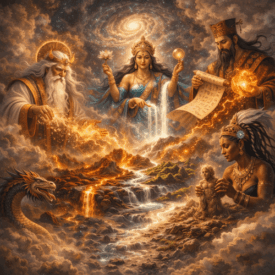
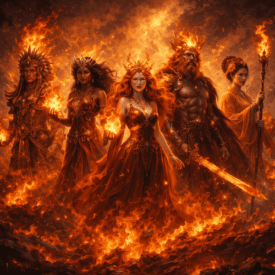
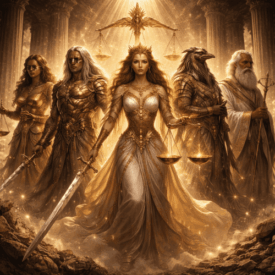
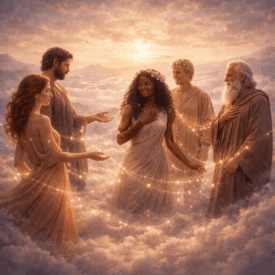
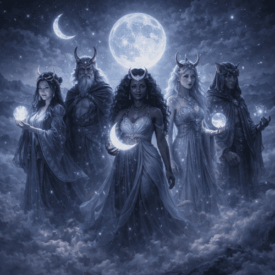
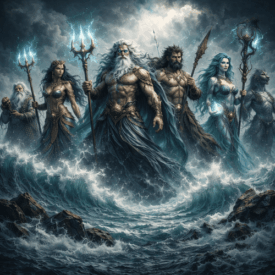
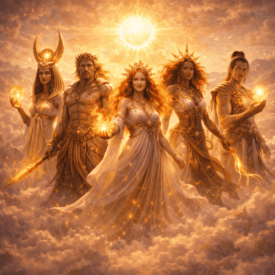
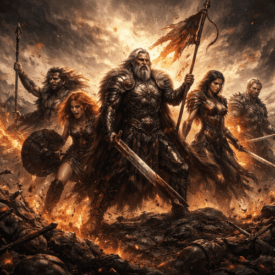
At the heart of many traditions are divine archetypes that represent fundamental aspects of existence. The Gods of War embody conflict, strategy, and the struggle for control, while the Gods of Love represent attraction, emotion, and connection. The Gods of the Sun symbolize life, authority, and illumination, while the Gods of the Moon reflect change, cycles, and intuition. These archetypes are not isolated ideas. They are interconnected forces that define how civilizations understand balance and duality.
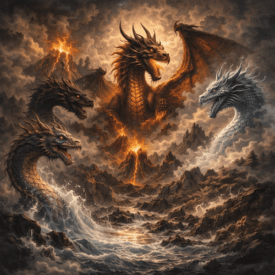
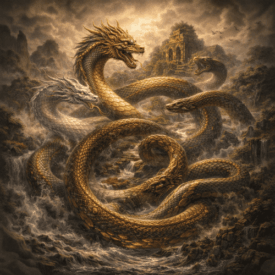
Alongside divine figures, mythological archetypes also include powerful creatures that represent deeper, often subconscious forces. Dragons function as archetypes of power, fear, and guarded knowledge, often standing as obstacles or protectors. In contrast, Serpents and Snakes represent transformation, rebirth, and hidden wisdom, reflecting the cyclical nature of life itself. These creature archetypes appear across continents, suggesting shared symbolic meanings across human cultures.
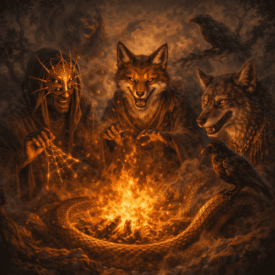
Another essential group is the archetype of disruption and transformation. Trickster Gods represent chaos, intelligence, and unpredictability. They challenge established systems, question authority, and blur moral boundaries. While they may appear mischievous or even destructive, their role is often to trigger change and reveal hidden truths.
What makes archetypes so powerful is their universality. The same patterns appear across different civilizations, even when the names and stories change. A war deity in one culture may share traits with a warrior god in another. A dragon in one region may symbolize destruction, while in another it represents protection. These variations reveal how archetypes adapt to cultural context while maintaining their core meaning.
By understanding archetypes, you begin to see mythology not as separate stories, but as a connected system of ideas. These patterns continue to shape literature, cinema, and even human psychology today.