Bovines in Ancient Civilizations and Sacred Traditions
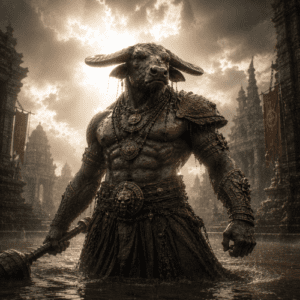
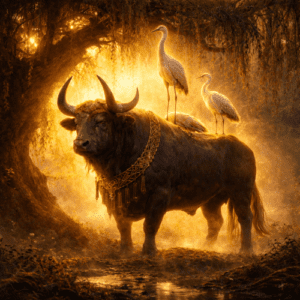
Bovines have played a sacred role in mythology for thousands of years, appearing as symbols of strength, fertility, prosperity, endurance, and divine authority. Across civilizations, cows, bulls, and buffaloes were more than domesticated animals—they were revered as protectors, providers, cosmic beings, and companions of gods. Their immense physical power and life-sustaining importance made them some of the most enduring symbols in world mythology.
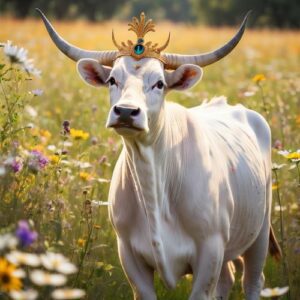
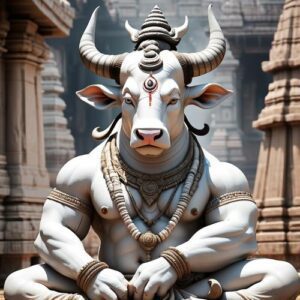
Among the most celebrated bovine figures is Nandi, the sacred bull of Hindu tradition and the faithful mount of Shiva. Representing devotion, strength, and righteousness, Nandi stands as both a guardian of temples and a symbol of unwavering loyalty. Another important figure is Kamadhenu, the divine wish-fulfilling cow whose endless abundance makes her a powerful symbol of prosperity, nourishment, and generosity.
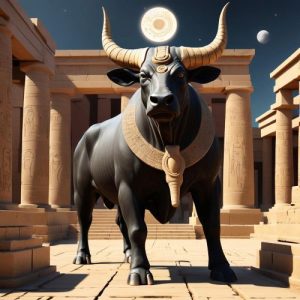
In Egyptian mythology, the Apis Bull was worshipped as a living manifestation of divine power and fertility. Revered for centuries, the sacred bull represented kingship, vitality, and the connection between humanity and the gods. Likewise, the celestial goddess Hathor, often portrayed with bovine features, embodied motherhood, music, joy, and abundance.
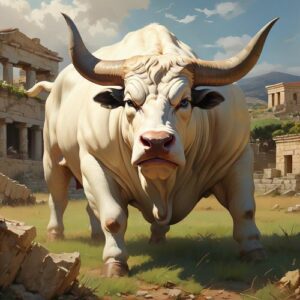
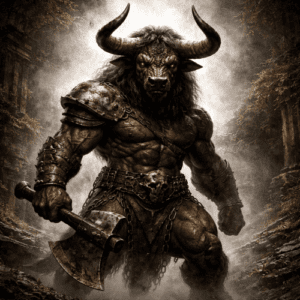
Greek mythology is filled with legendary bulls that shape heroic tales. The mighty Cretan Bull and the fearsome Bull of Marathon challenged heroes and kings, while the story of Europa transformed the bull into a symbol of divine intervention and transformation. These myths portray bovines as creatures of immense power capable of influencing the fate of entire civilizations.
Across many Indigenous cultures, the buffalo became a sacred symbol of survival, gratitude, and harmony with nature. Rather than representing conquest, these magnificent animals embody generosity and the balance between humanity and the natural world. Their importance extends beyond mythology into ceremonies, oral traditions, and spiritual beliefs.
What unites bovines across cultures is their remarkable duality. They represent both immense physical strength and gentle nourishment. They are symbols of prosperity and protection, yet they also embody resilience, patience, and the rhythms of agricultural life. This balance between power and sustenance has made bovines sacred across continents for millennia.
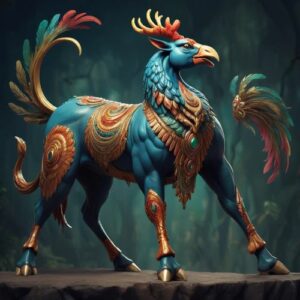
Exploring bovines across cultures reveals how ancient civilizations transformed familiar animals into enduring mythological symbols. Whether appearing as divine companions, sacred protectors, or legendary beasts, cows, bulls, and buffaloes continue to represent abundance, courage, stability, and the profound relationship between humanity, nature, and the divine.