
Artifacts
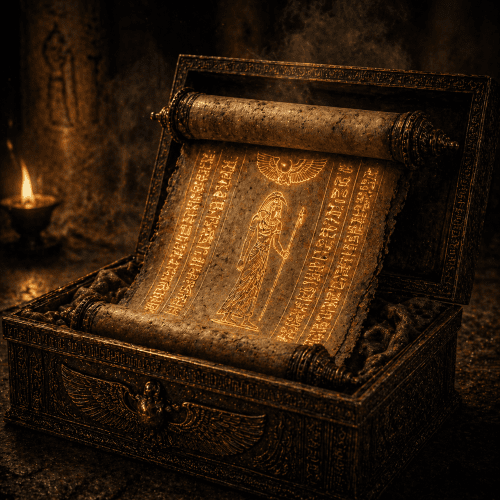
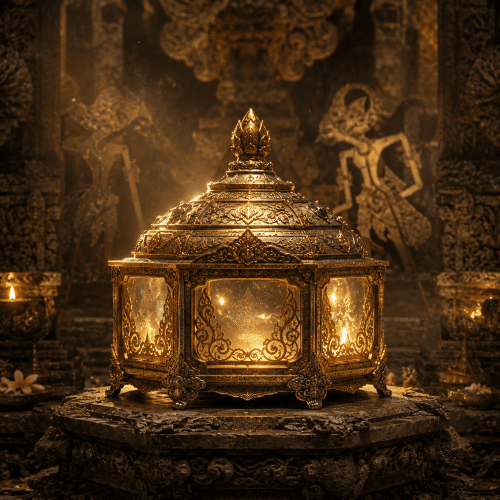
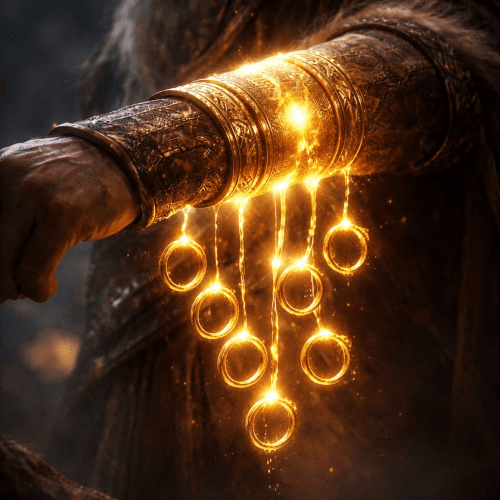
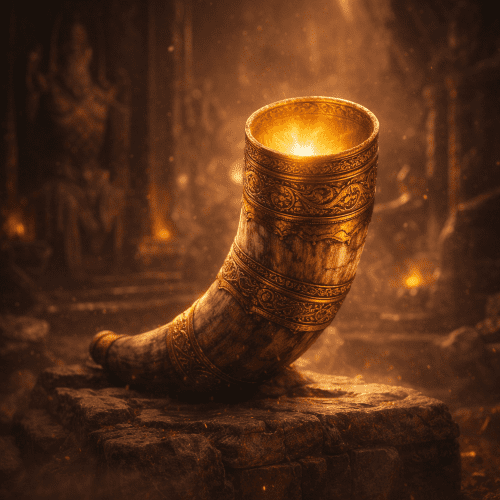
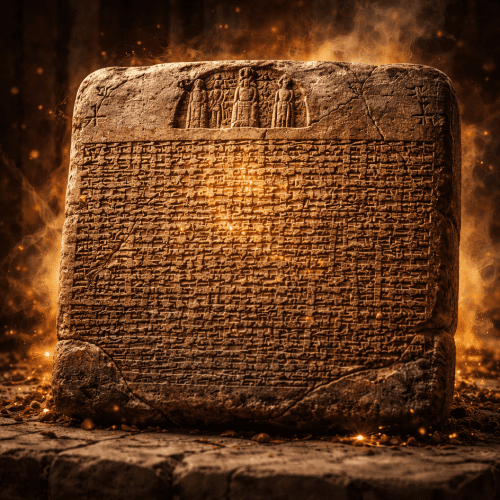
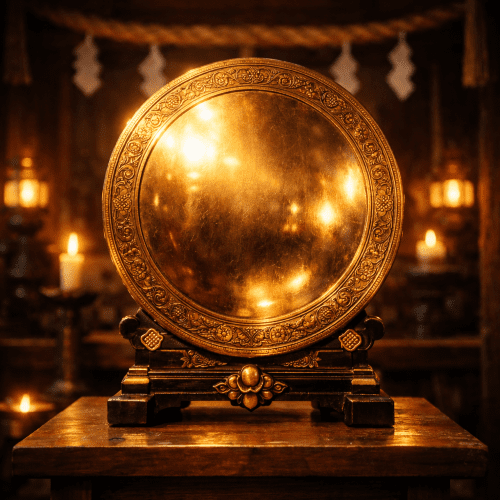
Mythological Artifacts are some of the most fascinating elements in ancient stories. These legendary objects—whether weapons, tools, relics, or sacred treasures—carry immense symbolic and supernatural power. Across cultures and civilizations, Mythological Artifacts serve as extensions of divine will, markers of destiny, and catalysts for heroic journeys. They are not merely objects within a story; they often define the fate of gods, heroes, and entire worlds.
In many traditions, Mythological Artifacts are closely tied to cosmic balance. In Indian tradition, divine weapons such as celestial astras are granted to chosen warriors and can alter the course of battles. In Greek legends, objects like Zeus’s thunderbolt or Athena’s shield embody the authority and identity of the gods who wield them. Norse mythology presents powerful items such as Thor’s hammer, forged by master craftsmen and capable of shaping the destiny of realms. These artifacts are never random creations; they are carefully crafted symbols of power, responsibility, and consequence.
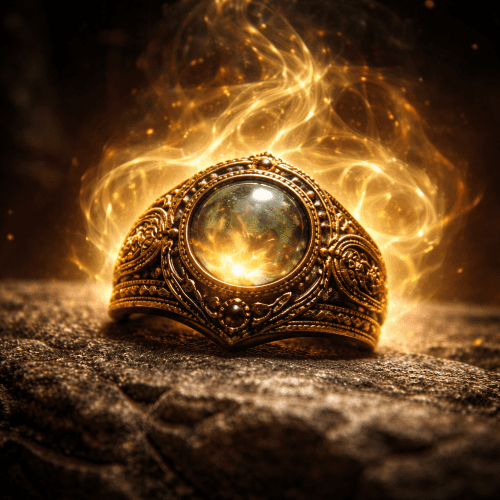
One defining feature of Mythological Artifacts is that they often choose their bearer. Swords, bows, rings, or talismans may only respond to a hero of pure heart or destined lineage. This theme reinforces a key message found in epic storytelling: power without virtue leads to destruction. When placed in the wrong hands, these objects can unleash chaos. When wielded wisely, they restore order and uphold dharma, justice, or divine law.
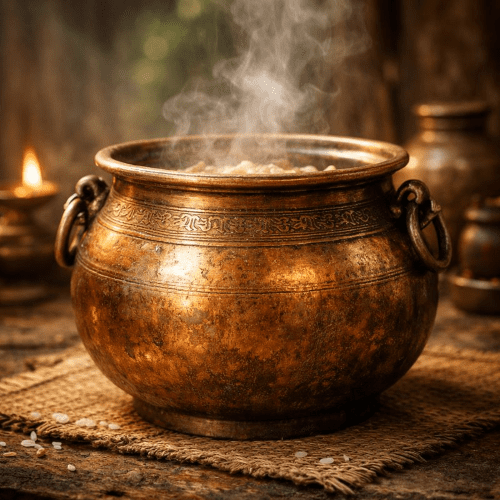
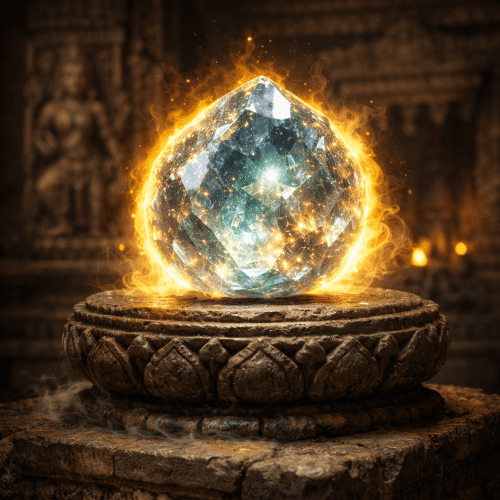
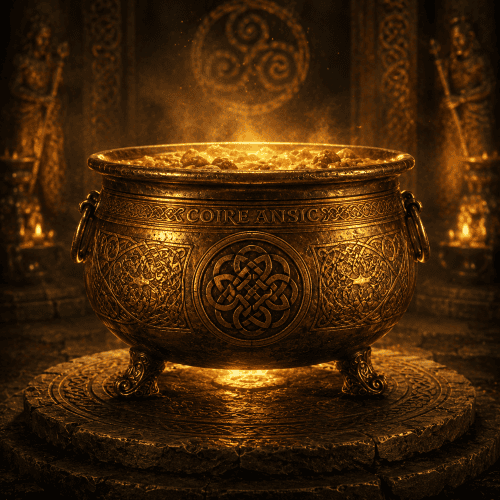
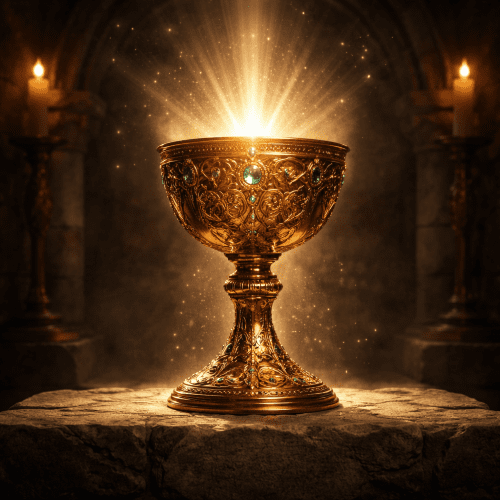
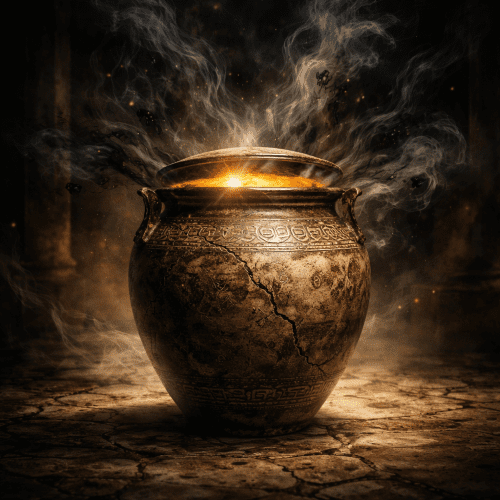
Beyond weapons, Mythological Artifacts also include sacred vessels, crowns, relics, and enchanted objects that shape spiritual and cultural identity. The Holy Grail in Arthurian legend represents divine grace and eternal life. The philosopher’s stone in alchemical traditions symbolizes transformation and enlightenment. Even mythical armor or protective amulets often represent faith, protection, and resilience. Through these objects, mythology bridges the tangible and the metaphysical, turning physical items into embodiments of spiritual ideals.
The enduring appeal of Mythological Artifacts lies in their layered meaning. On the surface, they are thrilling elements of adventure and fantasy. At a deeper level, they reflect humanity’s relationship with power and morality. These objects often demand sacrifice, discipline, or wisdom from their users. In doing so, they transform characters and drive narrative growth. The artifact becomes a test, revealing who is worthy and who is not.
In modern storytelling, Mythological Artifacts continue to inspire literature, cinema, gaming, and graphic novels. Contemporary fantasy worlds frequently draw from ancient legends, reimagining enchanted swords, magical rings, and divine relics for new audiences. This ongoing reinvention highlights the timeless relevance of these objects. They symbolize ambition, temptation, destiny, and the eternal tension between light and darkness.
Ultimately, Mythological Artifacts are more than legendary items of power. They are narrative anchors that carry cultural memory across generations. Through them, ancient societies expressed their understanding of authority, virtue, and cosmic order. Whether forged by gods, gifted by sages, or discovered by heroes, these artifacts remain central to mythological storytelling. Exploring Mythological Artifacts allows us to uncover not only epic adventures but also the deeper philosophies that shaped civilizations and continue to influence storytelling today.