Norse Mythology
Norse mythology is the body of myths, legends, cosmological ideas, and heroic traditions associated with the North Germanic peoples of medieval Scandinavia and Iceland. It developed within the wider religious and cultural world of pre-Christian Scandinavia and was preserved primarily through oral tradition before many of its stories were recorded in medieval Icelandic manuscripts. The surviving sources include the Poetic Edda, Prose Edda, skaldic poetry, sagas, runic inscriptions, archaeological evidence, and later folklore. Together, these sources provide a remarkable but incomplete picture of a tradition that was never preserved as a single canonical mythology.
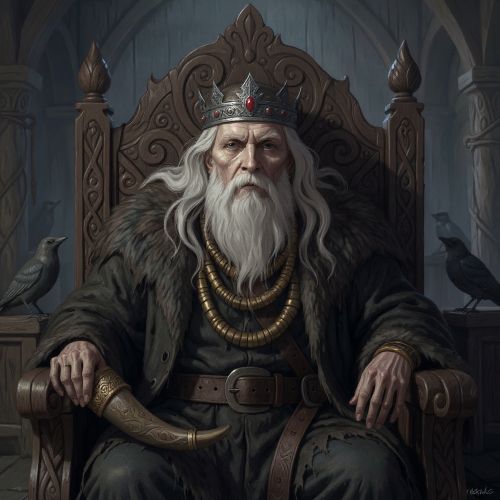
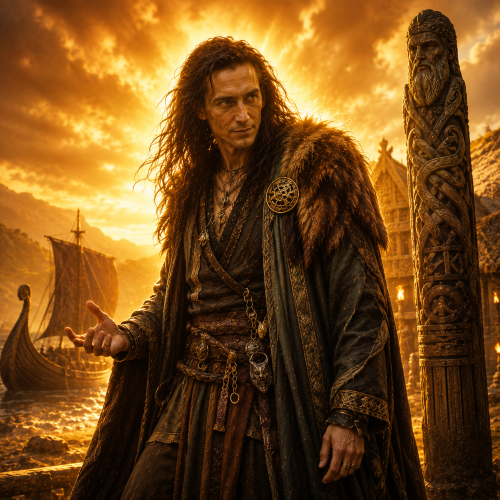
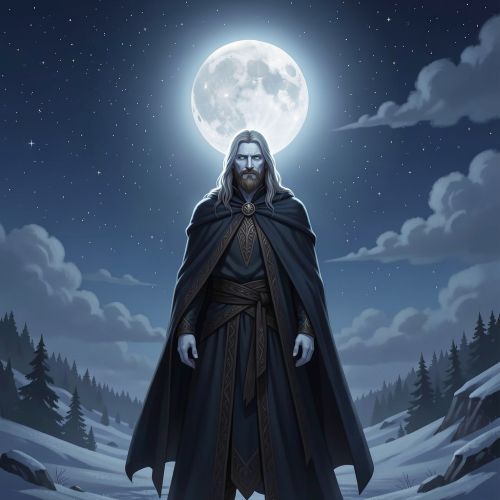
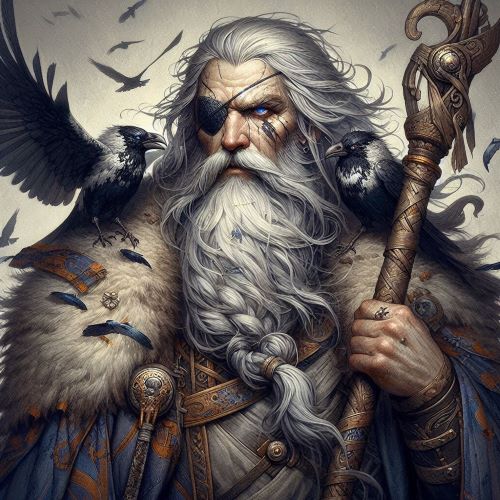
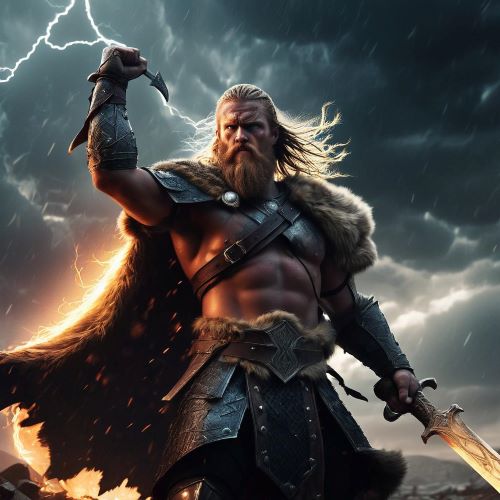
At the centre of Norse mythology are gods, giants, humans, and numerous supernatural beings whose relationships shape the mythic universe. The gods are commonly divided into the Æsir and Vanir, although the surviving stories show considerable interaction between these groups. Odin is associated with wisdom, knowledge, kingship, poetry, and war, while Thor is the powerful defender of gods and humans and wielder of the hammer Mjölnir. Freyja is associated with love, fertility, magic, and warfare, while Freyr is strongly connected with fertility, prosperity, and peace. Other important figures include Frigg, Tyr, Heimdall, Baldr, Loki, and the trickster’s complex family of supernatural beings.
Norse cosmology describes a universe containing multiple realms or worlds connected in various ways by Yggdrasil, the great cosmic tree. Modern retellings commonly speak of the “Nine Worlds,” but the surviving medieval sources do not provide a single definitive list of nine worlds arranged according to a fixed system. Instead, the texts refer to places such as Ásgarðr, Miðgarðr, Jötunheimr, Vanaheimr, Álfheimr, Niflheimr, and other mythic regions in different contexts. Yggdrasil connects these realms and serves as one of the central images of Norse cosmology, with gods, giants, humans, and other beings occupying different parts of the mythic universe.
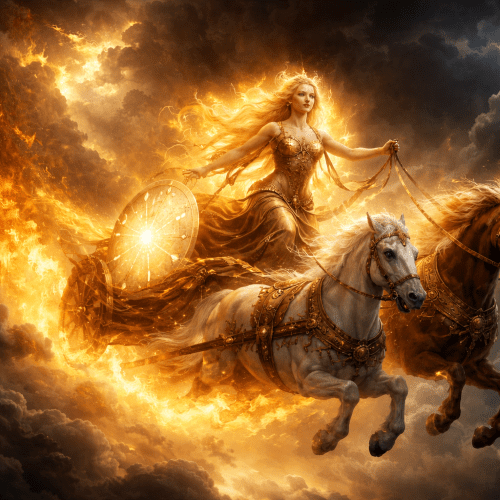
Creation stories in Norse mythology begin with a primordial state between opposing realms of fire and ice. From their interaction emerges the giant Ymir, a primordial being whose body later becomes the material from which the gods Odin, Vili, and Vé shape the world. In another important episode, Odin and his brothers discover the first human beings, Ask and Embla, and give them life and human qualities. The resulting cosmos includes the heavens, earth, seas, and the worlds inhabited by gods, humans, and supernatural beings. The mythology also personifies aspects of the natural and cosmic order, including the sun and moon, whose movements are connected with powerful mythic forces.
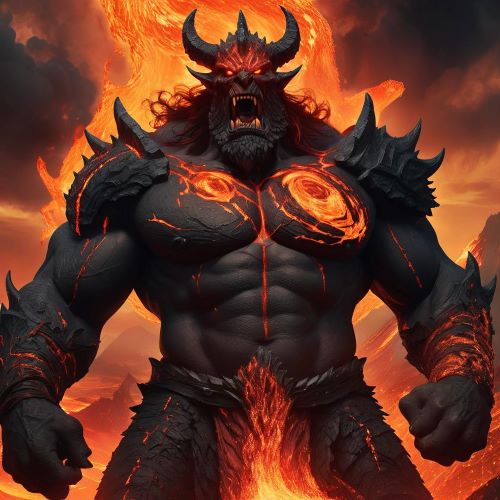
Fate is one of the most important themes in Norse mythology. Even the gods are subject to forces that cannot simply be overcome through strength or power. This idea reaches its greatest expression in Ragnarök, the prophesied sequence of destruction involving major gods, giants, monsters, and other supernatural forces. Odin, Thor, Freyr, Loki, and other central figures meet their destined fates during the catastrophe. The sources describe the world being overwhelmed by fire and water before a renewed world emerges, with surviving gods and human beings continuing life after the destruction. Ragnarök is therefore not merely an apocalypse but part of a larger mythic cycle involving death, transformation, and renewal.
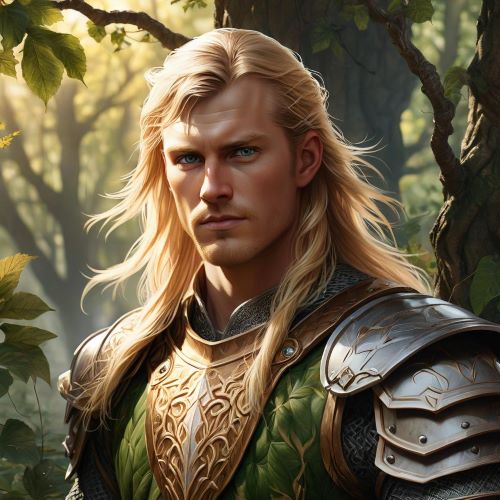
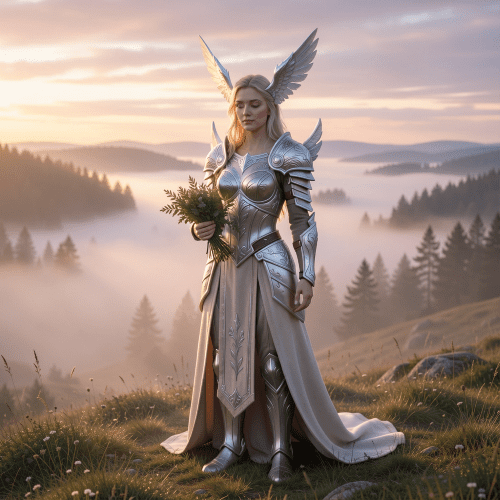
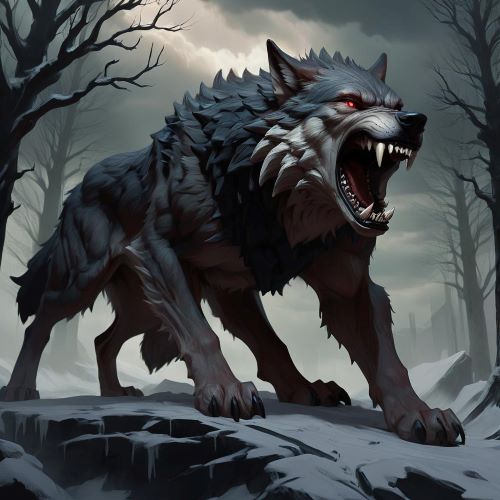
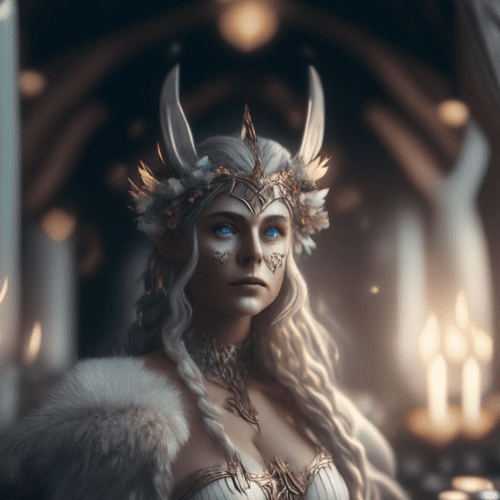
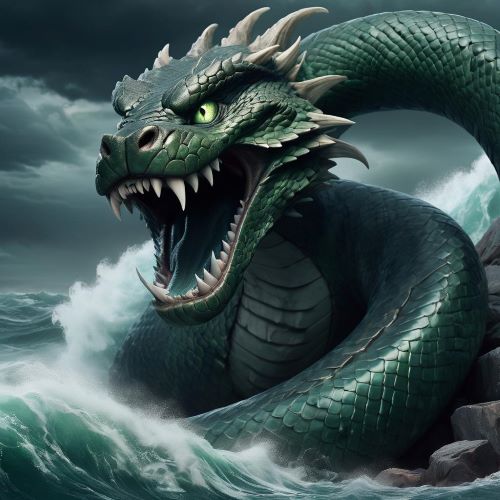
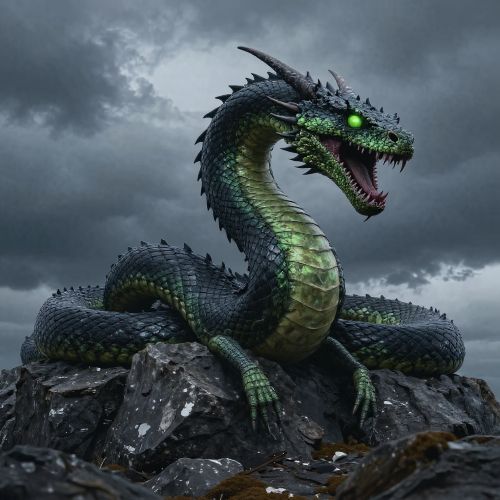
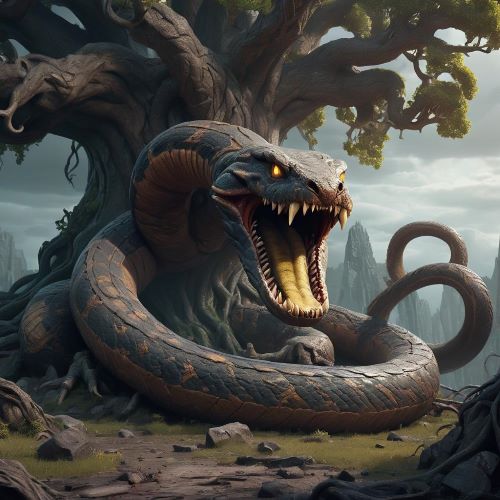
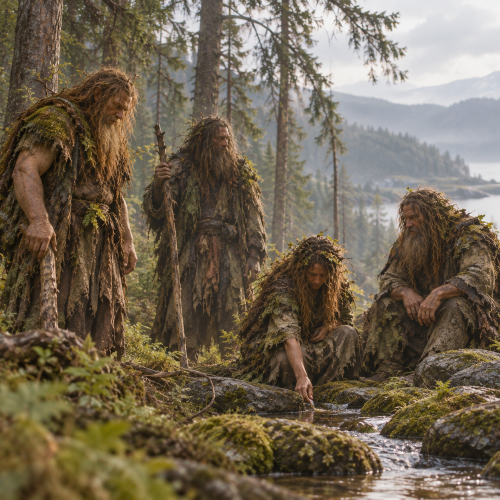
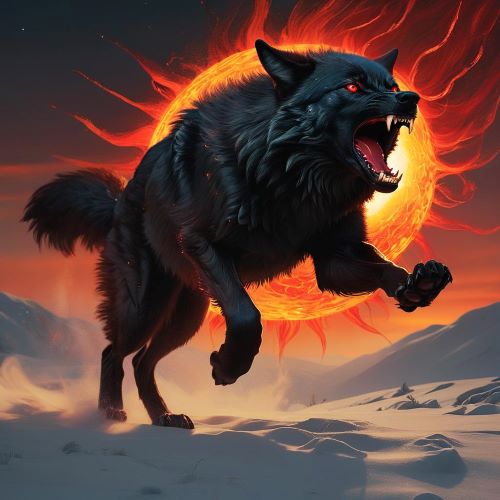
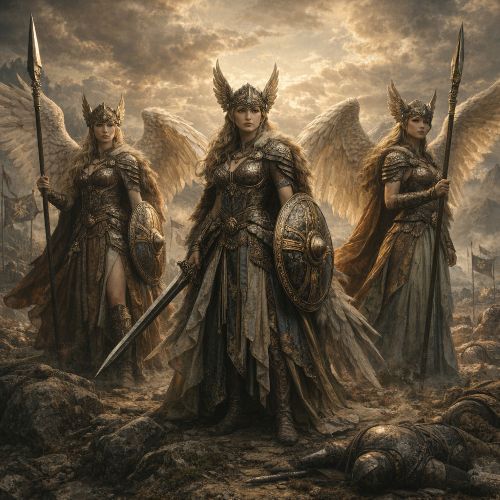
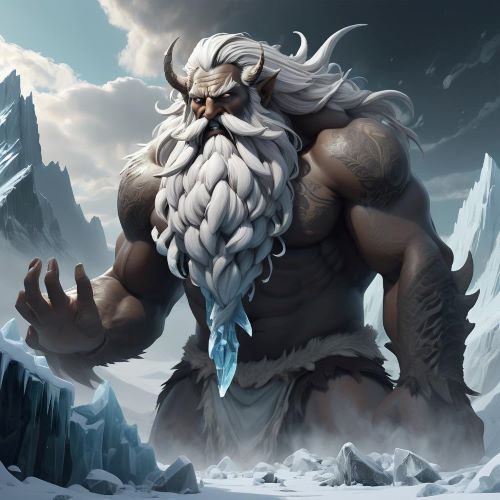
Norse mythology also contains a vast world of supernatural beings. The jötnar, often translated as giants, are powerful beings who frequently oppose or interact with the gods, although they cannot simply be classified as embodiments of evil. Dwarfs are associated with craftsmanship and the creation of extraordinary objects, including several of the gods’ most important possessions. Valkyries choose warriors associated with Odin and appear in stories surrounding battle and the afterlife. Elves, land spirits, dragons, wolves, serpents, and other supernatural creatures further populate the mythic landscape. These beings often blur the boundaries between nature, society, fate, and the supernatural.
Most surviving accounts of Norse mythology were written after the conversion of Scandinavia to Christianity. The Poetic Edda, preserved in a 13th-century Icelandic manuscript, contains mythological and heroic poems, while Snorri Sturluson’s Prose Edda, also from 13th-century Iceland, explains many myths in the context of poetic education. Earlier evidence comes from runic inscriptions, archaeological finds, place names, and representations on objects and monuments. Because these sources come from different periods and regions, they do not always agree, and scholars must be cautious when reconstructing pre-Christian Norse beliefs.
Interest in Norse mythology expanded dramatically during the early modern and Romantic periods, when European scholars, writers, and artists rediscovered Old Norse literature and Scandinavian antiquity. Norse gods and heroes subsequently became influential figures in European literature, opera, visual art, fantasy, and later popular culture. Wagner’s Ring cycle, modern fantasy literature, comics, films, television, video games, and novels such as Rick Riordan’s Magnus Chase series have all reinterpreted Norse myth for new audiences.
Norse mythology also remains important beyond popular culture. Modern Ásatrú and other forms of Heathenry draw inspiration from pre-Christian Scandinavian traditions, although contemporary religious movements are modern developments rather than direct continuations of a single uninterrupted ancient religion. The mythology’s enduring appeal comes from its distinctive combination of heroic courage, unavoidable fate, cosmic conflict, tragic loss, and renewal. From Yggdrasil and the creation of the world to the battles of Ragnarök, Norse mythology presents a universe in which even the gods must confront the limits of power and the certainty of change.