

Mythological Figures Associated with Destruction in Ancient Civilizations
Destruction has been personified throughout world mythology by gods, goddesses, spirits, and legendary beings who bring endings, upheaval, and transformation. While destruction is often viewed as a force of devastation, many ancient cultures regarded it as an essential part of the cosmic cycle. The collapse of kingdoms, the fury of natural disasters, and the end of one age frequently paved the way for rebirth and renewal. Mythological figures associated with destruction therefore embody not only ruin but also the necessary change that allows creation to begin anew.
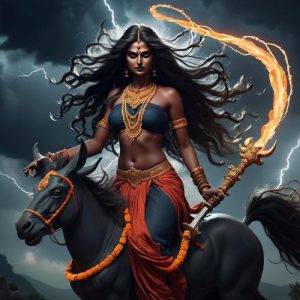
In Hindu mythology, Kali is one of the most powerful embodiments of destruction. Fierce and uncompromising, she destroys evil, ignorance, and illusion rather than life itself. Her terrifying appearance symbolizes the dissolution of the ego and the triumph of divine truth, making her a goddess of both destruction and liberation.
Norse mythology features Surtr, the colossal fire giant destined to lead the forces that bring about Ragnarök. Wielding a blazing sword, Surtr sets the world aflame before a new earth rises from the ashes. His role reflects the Norse belief that destruction is inseparable from cosmic renewal.
Greek mythology presents Ares as the god of the brutal and chaotic aspects of war. Unlike Athena, who represents strategy and discipline, Ares embodies bloodshed, violence, and the destructive fury unleashed in battle. His presence illustrates the devastating consequences of unchecked conflict.
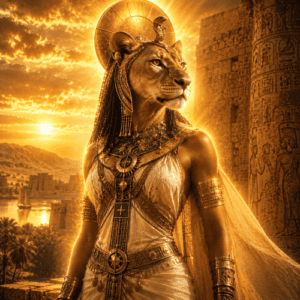
Egyptian mythology tells of Sekhmet, the lion-headed goddess whose wrath nearly destroyed humanity. Sent to punish human rebellion, Sekhmet became so consumed by her destructive power that the gods intervened to stop her. Yet she was also revered as a protector and healer, demonstrating the dual nature of destructive forces.
In Japanese mythology, Susanoo is the tempestuous god of storms whose reckless actions bring widespread disorder before he ultimately becomes a heroic protector. His myths show that destructive impulses can give way to redemption and the restoration of balance.
What unites these mythological figures is their ability to bring profound change. Whether through war, divine judgment, fire, storms, or cosmic cataclysms, they destroy what has become corrupt, stagnant, or unsustainable. Their stories remind us that endings are often necessary for transformation, allowing new life and order to emerge from the ruins of the old.
Across cultures, gods and legendary figures of destruction reveal that ruin is rarely an end in itself. Instead, they embody the powerful forces that clear the way for renewal, justice, and rebirth. Their myths continue to illustrate one of mythology’s oldest truths: that creation and destruction are inseparable, and every ending holds the possibility of a new beginning.