Modern Folklore and the Rise of Urban Legends in the Digital Age
Stories have always played a vital role in human culture. Long before written history, communities passed knowledge, beliefs, warnings, and entertainment from one generation to the next through oral traditions. While many people associate folklore with ancient myths, legendary heroes, and supernatural creatures, folklore is far from a relic of the past. It continues to evolve alongside society, adapting to new technologies, environments, and cultural concerns. One of the most significant expressions of this ongoing tradition is the urban legend, a storytelling form that has become synonymous with modern folklore.
Urban legends occupy a unique space between fact and fiction. They are often presented as true stories that happened to a friend, relative, or acquaintance, making them feel believable even when evidence is lacking. These tales spread through conversations, newspapers, television programs, and, more recently, social media platforms. Although the settings and details may change over time, urban legends fulfill many of the same functions as traditional folklore, reflecting society’s fears, values, and collective imagination.
What Is Modern Folklore?
Modern folklore refers to the stories, customs, beliefs, and traditions that emerge within contemporary society and spread through communities. Unlike ancient myths that often explain the origins of the world or the actions of gods and heroes, modern folklore focuses on current social realities. It develops in response to technological advances, cultural shifts, political events, and changing lifestyles. Despite these differences, modern folklore serves many of the same purposes as traditional folklore by helping people make sense of the world around them.
Urban legends are among the most recognizable forms of modern folklore because they are rooted in everyday life. They often involve situations that seem plausible, such as strange encounters, mysterious disappearances, hidden dangers, or unexplained events. These stories resonate because they blur the boundary between reality and imagination. Even when people doubt their authenticity, they continue to share them because the stories are entertaining, thought-provoking, or emotionally engaging.
The adaptability of urban legends is one reason for their longevity. As societies change, storytellers modify details to keep the narratives relevant. A warning about dangers on a remote forest road may transform into a story about risks associated with social media or emerging technologies. This constant evolution allows urban legends to remain culturally significant across generations.
How Urban Legends Became Modern Folklore
Although the term “urban legend” gained popularity during the twentieth century, similar stories have existed throughout human history. Every culture has shared cautionary tales designed to educate, entertain, or reinforce social norms. Traditional societies warned children about wandering into dangerous areas through stories about monsters or spirits. Modern societies often communicate similar warnings through stories involving criminals, technology, or unexplained phenomena.
What distinguishes urban legends from older folktales is their setting and presentation. Traditional folktales typically occur in distant times and places, while urban legends are framed as recent events that happened in familiar locations. The storyteller frequently claims a personal connection to the event, enhancing the story’s credibility. This technique encourages listeners to suspend disbelief and consider the possibility that the story might be true.
Urban legends also thrive because they address contemporary anxieties. Concerns about crime, technology, public safety, health risks, and social change frequently appear within these narratives. By transforming abstract fears into memorable stories, urban legends provide a way for communities to discuss and process uncertainty.
Famous Urban Legends and Their Cultural Impact
Many urban legends have achieved international recognition and continue to influence popular culture. One of the most famous examples is the “Vanishing Hitchhiker,” a story in which a driver offers a ride to a stranger who mysteriously disappears before reaching the destination. Versions of this legend have appeared across Europe, Asia, and the Americas, demonstrating how folklore can adapt to different cultural settings while preserving a common narrative structure.
Another enduring legend involves claims that alligators inhabit city sewer systems. Although investigations have repeatedly challenged the story’s accuracy, the image of dangerous creatures lurking beneath urban environments has captured public imagination for decades. The legend reflects broader fears about hidden threats existing within modern society.
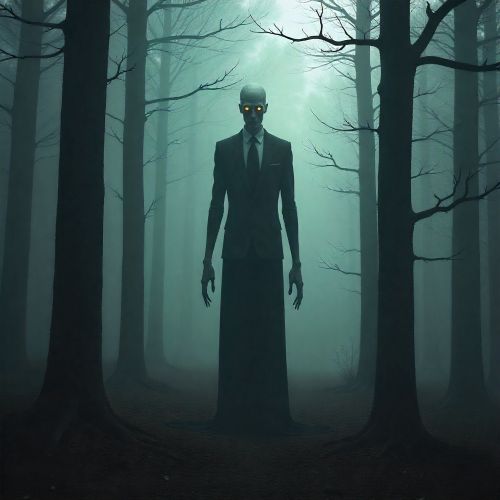
The digital age has generated entirely new forms of urban legends. The Slender Man phenomenon began as an internet creation but quickly evolved into a modern folklore figure through collaborative storytelling. Thousands of individuals contributed stories, artwork, videos, and fictional encounters, transforming a simple online image into a global cultural phenomenon. Similar examples include haunted video game stories, cursed internet files, and mysterious online challenges that spread rapidly across digital communities.
These legends influence more than casual conversations. They inspire films, books, television series, video games, and online content. In many cases, urban legends become so deeply embedded within popular culture that they are recognized even by people who have never heard the original story.
The Internet and the Evolution of Modern Folklore
The rise of the internet has dramatically accelerated the spread of modern folklore. Historically, stories moved slowly through families and local communities. Today, a compelling narrative can reach millions of people within hours through social media platforms, forums, and video-sharing websites. This unprecedented speed has transformed how folklore develops and circulates.
Digital communication has also made folklore more collaborative. Online communities frequently modify, expand, and reinterpret stories, creating multiple versions that coexist simultaneously. Rather than being controlled by a single storyteller, modern folklore often emerges through collective participation. Internet users become both consumers and creators, contributing new details that keep stories alive.
The digital environment has also complicated the distinction between truth and fiction. Edited photographs, manipulated videos, artificial intelligence, and viral misinformation can make fictional stories appear authentic. As a result, modern folklore frequently intersects with discussions about media literacy and critical thinking. Understanding how urban legends spread has become increasingly important in an era where information travels faster than ever before.
Why Urban Legends Continue to Thrive
Urban legends persist because they satisfy fundamental human needs. People are naturally drawn to stories that evoke strong emotions such as fear, curiosity, wonder, or surprise. These emotional reactions make stories memorable and encourage individuals to share them with others. A compelling urban legend often spreads not because people fully believe it, but because it is too interesting not to discuss.
These stories also help societies navigate uncertainty. Rapid technological change, globalization, and social transformation can create confusion and anxiety. Urban legends provide narrative frameworks that simplify complex issues and make unfamiliar developments easier to understand. In this sense, they function much like traditional myths, offering symbolic explanations for events that might otherwise seem overwhelming.
Furthermore, urban legends strengthen social connections. Sharing stories is a communal activity that fosters conversation and collective experience. Whether discussing a mysterious online phenomenon or recounting a local legend, participants become part of a shared cultural tradition that extends beyond individual communities.
Conclusion
Urban legends represent one of the most dynamic and influential forms of modern folklore. While the settings have shifted from ancient villages to modern cities and digital networks, the human desire to create, share, and believe compelling stories remains unchanged. These narratives continue to reflect societal fears, cultural values, and collective imagination, making them valuable subjects for both entertainment and academic study.
As technology continues to reshape communication, new urban legends will undoubtedly emerge to address contemporary concerns and capture public attention. By examining these stories, students gain insight into the ways communities construct meaning, transmit cultural knowledge, and adapt age-old storytelling traditions to an ever-changing world. Urban legends may seem modern, but they are ultimately part of a much older human tradition: the enduring power of folklore.



No posts were found.