Giants in Ancient Civilizations and Sacred Traditions
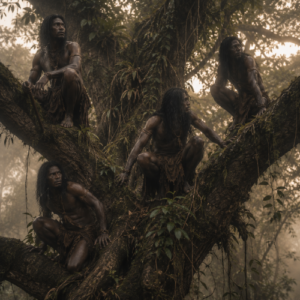
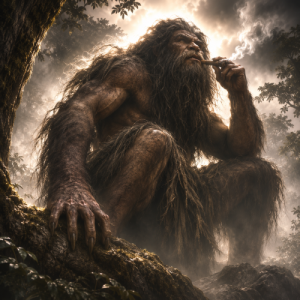
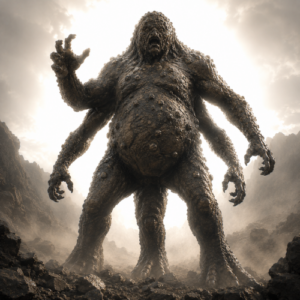
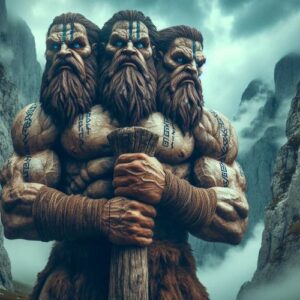
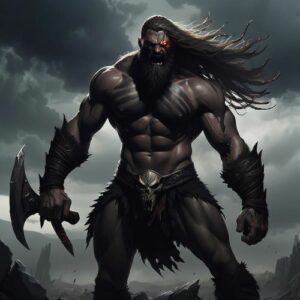
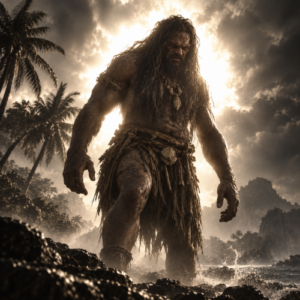
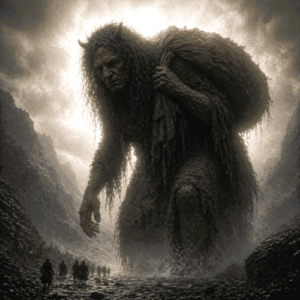
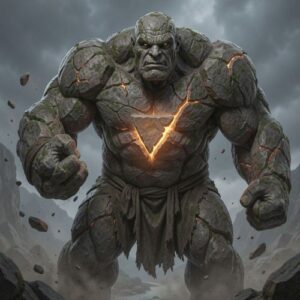
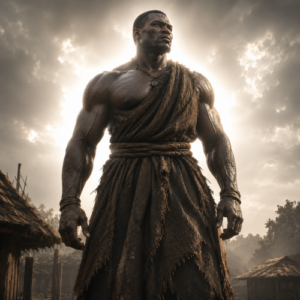
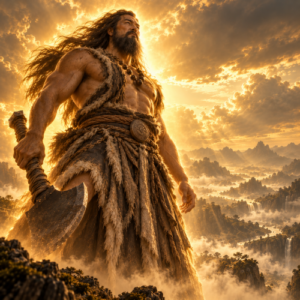
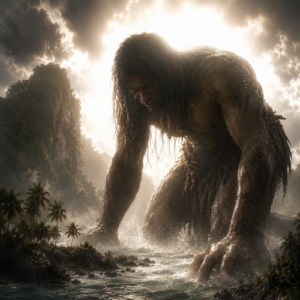
Giants are among mythology’s most enduring supernatural figures, imagined as beings whose enormous size places them beyond ordinary humanity. Across cultures, they appear as primordial races, ancient enemies of the gods, builders of monumental structures, guardians of remote places, ancestors of heroes, and embodiments of the untamed forces of nature. Their defining characteristic is physical scale, but their mythological roles are remarkably diverse.
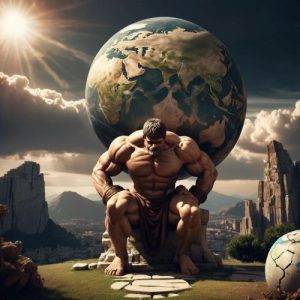
In Greek mythology, the Titans represent an ancient generation of divine beings who preceded the Olympian gods. Figures such as Cronus, Rhea, and Atlas belong to this older cosmic order, although not every Titan is portrayed as a literal giant. The Gigantes, meanwhile, were a distinct race of formidable beings born from Gaia and associated with the great conflict known as the Gigantomachy. Their struggle against the Olympians established the recurring mythological pattern of giants challenging a newer divine order.
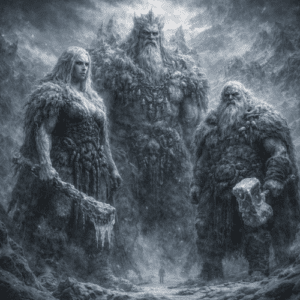
Norse mythology contains the Jötnar, often translated as giants. They are not simply enormous humanoids, however. Jötnar can possess supernatural powers, strange forms, immense wisdom, or close relationships with the gods. Ymir, the primordial being whose body becomes part of the world in the creation tradition, represents the enormous cosmic scale that giant figures can acquire in Norse mythology. Other Jötnar, including Thrym and Skadi, demonstrate the extraordinary diversity within the tradition.
In biblical tradition, the Nephilim are mysterious figures associated with the antediluvian world and described in Genesis as powerful beings of great stature. Their brief appearance has inspired centuries of interpretation, connecting them in later traditions with the broader idea of primordial giants.
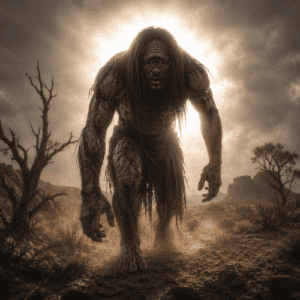
Celtic mythology also contains formidable giant beings. The Fomorians of Irish tradition are a supernatural people frequently portrayed as opponents of the Tuatha Dé Danann. Figures such as Balor, with his destructive eye, demonstrate how giant traditions can combine enormous physical presence with extraordinary supernatural abilities.
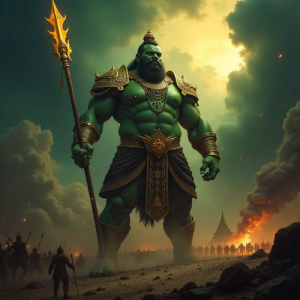
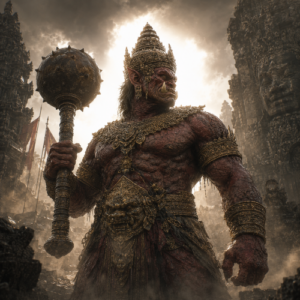
Other cultures developed their own colossal beings. In Hindu mythology, enormous figures such as Kumbhakarna demonstrate the recurring association between immense size, extraordinary strength, and supernatural power. In Japanese tradition, the oni can sometimes appear in enormous forms, although they belong to a broader category of supernatural beings rather than representing a single race of giants.
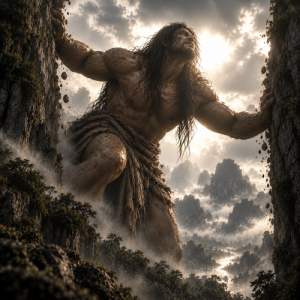
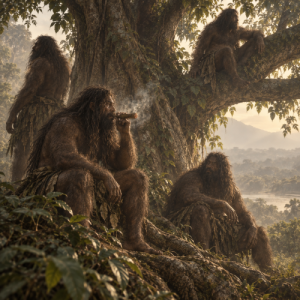
Giants can therefore represent more than simple physical enormity. They may embody primordial nature, chaos, ancient power, wilderness, cosmic transformation, or the forgotten world that existed before the present order. Their enormous bodies often provide a mythological explanation for mountains, landscapes, monuments, or other features that seem too vast for ordinary human creation.
From the Titans and Jötnar to the Fomorians and Nephilim, giants appear repeatedly at the edges of the known world. They are ancient, powerful, and difficult to contain—figures whose extraordinary scale allows mythology to imagine forces far greater than the human individual.