Ragnarök vs. Kali Yuga : When the World Ends and Begins Again
Across cultures, humanity has always imagined the end of the world—not as a final silence, but as a transformation. Two of the most compelling visions come from Norse and Indian traditions: Ragnarök, the cataclysmic twilight of the gods, and Kali Yuga, the final and darkest age of a cosmic cycle. When placed side by side, Ragnarök vs. Kali Yuga reveals not just two apocalyptic narratives, but two profoundly different philosophies about time, morality, and renewal.
The Nature of Time: Linear vs. Cyclical
At the heart of Ragnarök vs. Kali Yuga lies a fundamental difference in how time itself is understood. In Norse tradition, Ragnarök represents a largely linear progression toward an inevitable end. The world begins, unfolds through heroic ages, and culminates in a final, devastating battle. After Ragnarök, a new world does emerge—but it feels more like a rebirth after destruction than part of an eternal loop.
By contrast, Kali Yuga is one phase in an endlessly repeating cycle known as the Yugas. Time in Indian thought is cyclical, moving through Satya Yuga, Treta Yuga, Dvapara Yuga, and finally Kali Yuga—before resetting again. The end is never truly the end; it is simply a transition.
This contrast shapes everything. Ragnarök feels urgent and terminal. Kali Yuga feels inevitable and recurring.
The Role of Morality and Decline
Both Ragnarök and Kali Yuga are marked by moral collapse, but the nature of that decline differs significantly. In the lead-up to Ragnarök, the world descends into chaos. Betrayal spreads, kinship bonds shatter, and honor—the core value of Norse society—erodes. The gods themselves are not immune; they are bound by fate and aware of their impending doom. Figures like Odin and Thor prepare for battle, knowing they will likely fall.
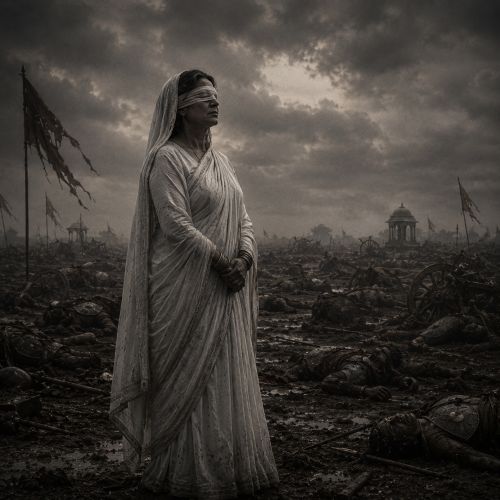
In Kali Yuga, the decay is slower, more insidious. Dharma (cosmic order) weakens over time. Truth becomes rare, greed dominates, and spiritual awareness diminishes. Unlike Ragnarök’s explosive chaos, Kali Yuga is a prolonged age of darkness, where humanity gradually drifts away from righteousness.
Here, Ragnarök is a sudden collapse. Kali Yuga is a slow erosion.
The Agents of Destruction
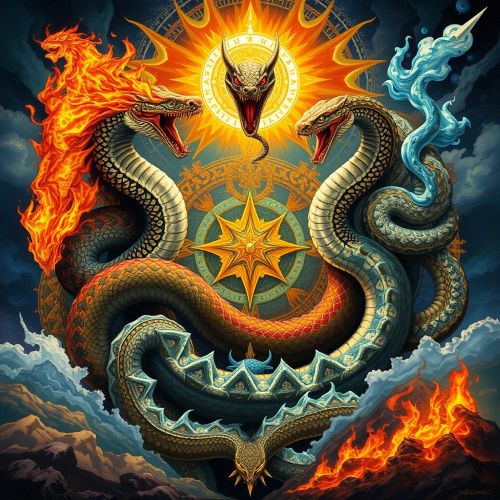
The forces that bring about the end also reflect cultural differences. Ragnarök is driven by epic confrontation. Giants, monsters, and gods clash in a final war. The wolf Fenrir breaks free, the serpent Jörmungandr rises from the sea, and fire engulfs the world through the actions of Surtr. It is cinematic, violent, and deeply personal.
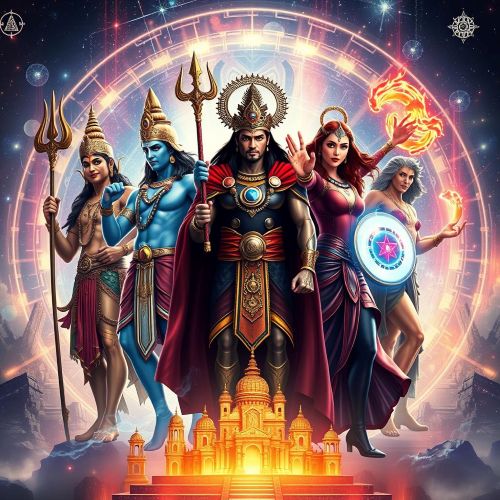
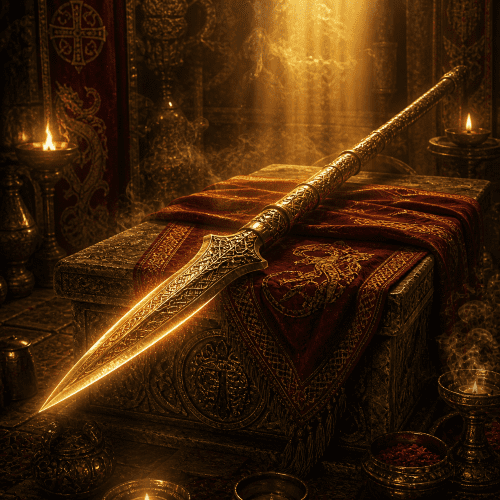
In contrast, Kali Yuga does not end with a single battle but with a divine intervention. The cycle concludes with the arrival of Kalki, the final avatar of Vishnu, who restores order and destroys corruption. The destruction here is purposeful and corrective, rather than chaotic.
Ragnarök is a war. Kali Yuga is a reset.
The Fate of the Divine
One of the most striking differences in Ragnarök vs. Kali Yuga is the destiny of the gods themselves. In Ragnarök, many gods die. Odin is devoured by Fenrir. Thor slays Jörmungandr but succumbs to its poison. The divine is not eternal—it is vulnerable, heroic, and ultimately mortal in its own mythic way.
In Kali Yuga, the divine remains untouched by decay. Vishnu, through Kalki, actively intervenes to restore balance. The gods are not victims of the age; they are its regulators. This reflects two distinct theological outlooks: one where gods share in the fate of the cosmos, and another where they transcend it.
What Comes After
Endings matter, but what follows them matters even more. After Ragnarök, the world rises anew from the sea. A few gods survive, and two human beings—Líf and Lífthrasir—repopulate the earth. The tone is one of quiet renewal after unimaginable loss.
After Kali Yuga, the cycle resets to Satya Yuga, the age of truth and purity. The restoration is complete, not partial. It is as if the universe itself breathes out corruption and inhales clarity once more. Ragnarök offers hope through survival. Kali Yuga offers hope through renewal.
Symbolism: Fire vs. Time
Symbolically, Ragnarök and Kali Yuga represent different forces of transformation. Ragnarök is dominated by fire and destruction. Flames consume the world, symbolizing both annihilation and purification. It is a dramatic cleansing.
Kali Yuga, however, is governed by time itself. It is not fire that destroys the world, but gradual decay. Time becomes the ultimate force—eroding values, relationships, and truth until renewal becomes necessary.
Ragnarök vs. Kali Yuga: Two Visions of the End
When we compare Ragnarök vs. Kali Yuga, we are not just comparing myths—we are comparing worldviews. Ragnarök reflects a culture that embraced fate, valor, and the inevitability of death. Even the gods face their end with courage. It is a story about how to confront the inevitable. Kali Yuga reflects a philosophy rooted in cycles, balance, and cosmic order. Decline is not feared as much as it is understood. It is a story about enduring the inevitable.
No posts were found.