Figures Associated With Magic in Ancient Civilizations and Sacred Traditions
Magic has long occupied the boundary between the ordinary and the supernatural. Mythological traditions around the world describe gods, spirits, witches, sorcerers, sages, and legendary figures who possess knowledge or abilities beyond those available to ordinary humans. Some use supernatural power to heal, protect, transform, or reveal hidden knowledge, while others employ it for curses, domination, revenge, or communication with dangerous forces.
The distinction between magic and black magic is not universal. Many ancient traditions did not divide supernatural practices into the modern categories of “white” and “black” magic. Instead, cultures distinguished between beneficial and harmful spells, legitimate and forbidden rituals, sacred and profane practices, or magic performed for protection and magic intended to cause harm.
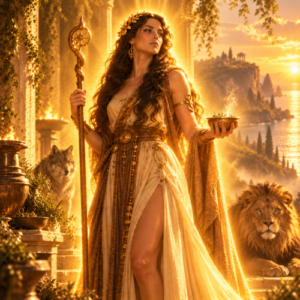
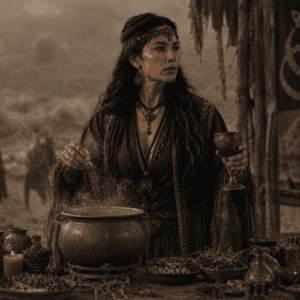
Greek mythology provides several famous examples of magical figures. Circe, the daughter of Helios, is a powerful enchantress who transforms Odysseus’s companions into animals through her knowledge of herbs and supernatural arts. Medea, another legendary practitioner of magic, uses potions, incantations, and supernatural knowledge to aid Jason and later to exact revenge. Their stories portray magic as a form of knowledge that can be both beneficial and destructive.
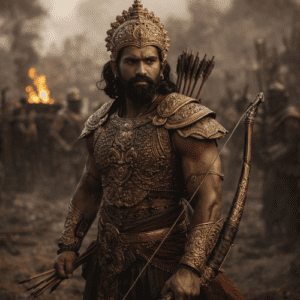
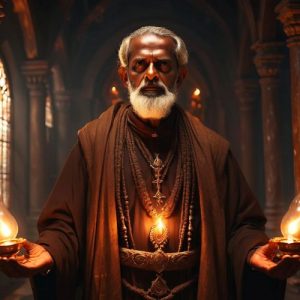
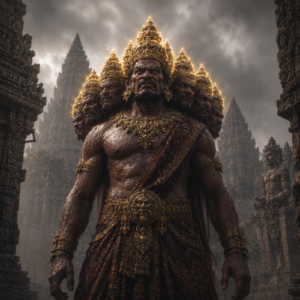
In Indian traditions, supernatural knowledge is frequently connected with mantras, austerities, divine weapons, herbs, and spiritual disciplines. Figures such as Shukracharya are associated with extraordinary knowledge and supernatural abilities, while traditions surrounding tantra and siddhi demonstrate the complexity of practices later grouped under the broad Western concept of magic. These traditions should not automatically be equated with “black magic,” as their historical and religious meanings are considerably more varied.
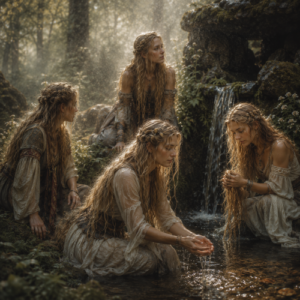
Norse mythology also contains powerful practitioners of supernatural arts. Freyja is associated with seiðr, a magical practice involving prophecy, fate, and supernatural influence. Odin is likewise described as learning and practicing magical knowledge, particularly forms connected with divination, transformation, and fate. Their stories demonstrate that magical knowledge could belong to gods and respected supernatural powers rather than exclusively to malevolent practitioners.
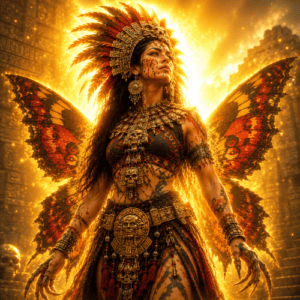
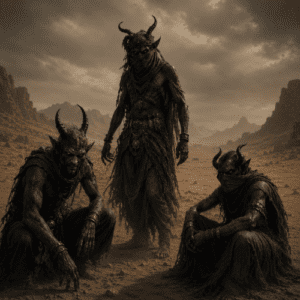
Other traditions contain figures more directly associated with curses, necromancy, transformation, and forbidden supernatural knowledge. Legendary witches, sorcerers, and spellcasters frequently cross boundaries between the living and the dead or attempt to control forces beyond human understanding. Their stories often function as warnings about the consequences of seeking power without restraint.
Magic in mythology therefore encompasses far more than spells and supernatural spectacle. It represents hidden knowledge, transformation, prophecy, healing, protection, curses, spiritual power, and humanity’s desire to influence forces beyond ordinary control.
From Circe and Medea to Freyja, Odin, Shukracharya, and magical practitioners across global traditions, these figures reveal how cultures imagined the ability to alter reality. Their stories also show why magic is rarely presented as entirely benevolent or malevolent: supernatural knowledge may protect one person, transform another, or become destructive depending on who wields it and how it is used.