Figures Associated With Healing in Ancient Civilizations and Sacred Traditions
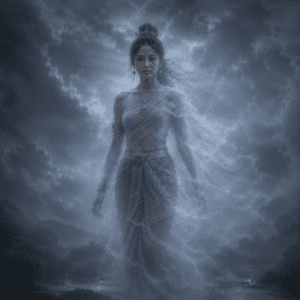
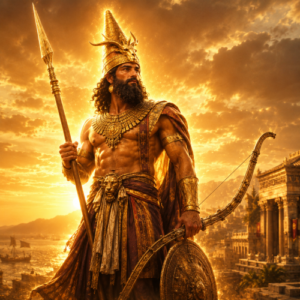
Healing is one of mythology’s most enduring concerns, reflecting humanity’s attempt to understand illness, recovery, medicine, and the mysterious restoration of life. Across cultures, healing is represented by gods, goddesses, divine physicians, spirits, and legendary practitioners whose powers range from knowledge of medicinal plants to miraculous restoration. These figures often stand at the boundary between the physical and supernatural worlds, transforming sickness and injury into opportunities for divine intervention, knowledge, and renewal.
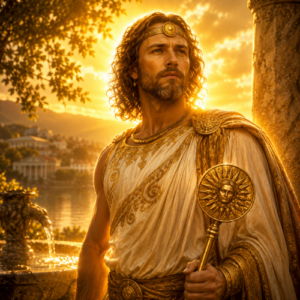
One of the most famous healing figures is Asclepius, the Greek god of medicine and healing. Traditionally described as the son of Apollo, Asclepius became so skilled in medicine that mythology credited him with the ability to restore the dead. His serpent-entwined staff became one of the most enduring symbols associated with medicine. Temples dedicated to Asclepius, known as Asclepieia, became places where the sick sought divine assistance and healing.
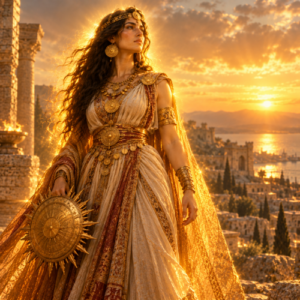
Greek mythology also personified different aspects of health through figures such as Hygieia, goddess of health, cleanliness, and prevention, and Aceso, associated specifically with the process of healing. Together with other members of the healing family surrounding Asclepius, they demonstrate that ancient Greek mythology understood healing as a collection of related processes rather than a single supernatural power.
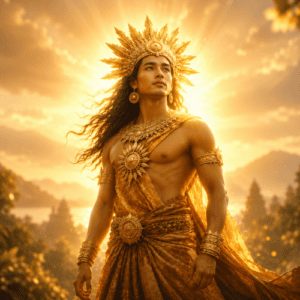
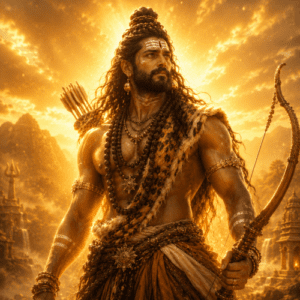
In Hindu traditions, Dhanvantari is among the most important divine figures associated with medicine and Ayurveda. He emerges from the cosmic ocean during the churning of the ocean and is traditionally depicted carrying the nectar of immortality and other objects associated with healing. His appearance connects medicine with divine knowledge and the preservation of life.
Norse mythology offers Eir, a goddess or divine figure renowned for her healing abilities. She is associated with extraordinary medical knowledge and appears among the supernatural beings connected with healing in the Norse tradition. Her presence illustrates how healing could be represented not only through a powerful god but through a specialized female figure whose defining attribute was knowledge of restoration.
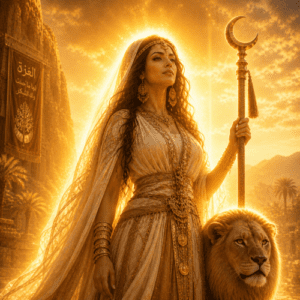
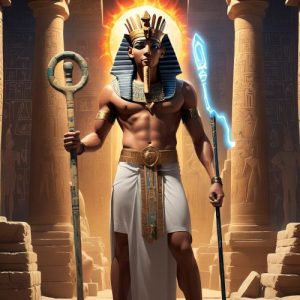
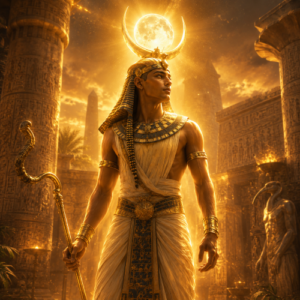
Egyptian mythology contains several figures whose stories involve healing and restoration. Isis, for example, uses magical knowledge to restore and protect Osiris and later safeguards Horus. Her mythology connects healing with motherhood, protection, magic, and the restoration of what has been damaged. Her role demonstrates how healing traditions frequently overlap with ideas of protection and regeneration.
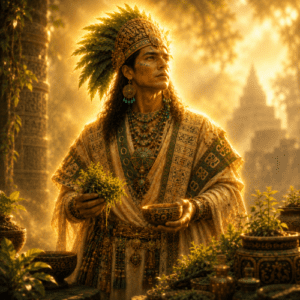
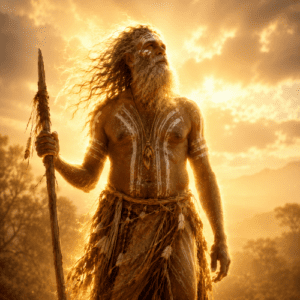
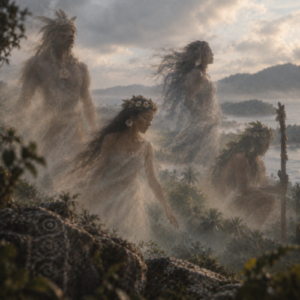
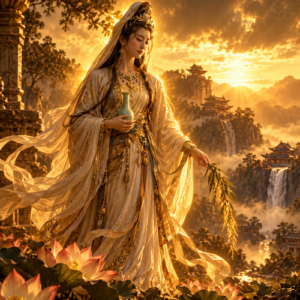
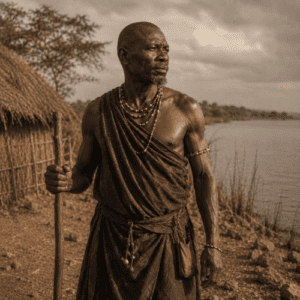
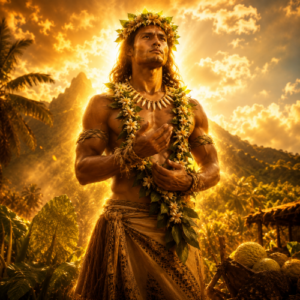
Other traditions similarly associate supernatural beings with medicinal plants, childbirth, wounds, disease prevention, and the restoration of life. Sometimes healing comes through divine intervention; elsewhere, it is represented as sacred knowledge passed from supernatural beings to human practitioners.
The figures associated with healing therefore represent more than miraculous cures. They embody humanity’s ancient fascination with medicine, knowledge, protection, recovery, and the possibility of overcoming suffering. Their stories transform the mysterious process of getting well into something that can be understood through divine personalities and sacred traditions. From Asclepius and Hygieia to Dhanvantari, Eir, and Isis, healing figures reveal a recurring mythological belief: the knowledge that preserves life is itself a form of sacred power.