


Roʻo : The Tahitian God of Healing and Sacred Chants
Listen
At a glance
| Description | |
|---|---|
| Origin | Tahitian Mythology |
| Classification | Gods |
| Family Members | N/A |
| Region | Tahiti |
| Associated With | Healing, Sacred chants and prayers, Cultivated plants, Agriculture, Weather, |
The Mythlok Perspective
In Mythlok’s Perspective, Roʻo is compelling because his power is rooted less in conquest than in restoration. Like Rongo and Lono elsewhere in Polynesia, he reflects the sacred importance of food, weather and communal wellbeing, yet Tahitian tradition gives him an especially distinctive identity through healing chants and ritual speech. Roʻo represents a worldview where words could heal, clouds could sustain crops, and spiritual order was inseparable from everyday survival.
Ro’o
Introduction
Roʻo is a deity of Tahitian mythology whose traditions connect healing, cultivated food, weather and sacred speech. His mythology is particularly interesting because his name belongs to a wider Polynesian family of related divine figures. Across Polynesia, cognate names such as Rongo and Lono appear in traditions involving agriculture, fertility, rain, peace and other life-sustaining forces. However, these figures should not simply be treated as identical gods. Polynesian religious traditions developed differently across individual islands and communities, and the surviving sources preserve distinct local traditions.
In Tahiti, Roʻo is particularly associated with healing and ritual chanting. Some sources describe him as Roʻo-i-te-Hiripoi, the prayer-chanting or healing deity whose invocations were intended to cure sickness and drive away harmful spiritual forces. Other Tahitian traditions place Roʻo among the important gods of the Society Islands and associate him with agricultural products and weather.
His mythology therefore reflects an important Polynesian idea: the wellbeing of people depended upon a balance between the physical world, cultivated land, changing weather and the spiritual realm. Rather than being remembered primarily as a warrior or conqueror, Roʻo represents forces that sustain life.
Physical Traits
There is no reliable, standardized physical description of Roʻo in the surviving Tahitian sources. Unlike some gods whose images, ritual objects or literary descriptions provide clues about their appearance, Roʻo is principally known through his functions, names and invocations.
This absence of a physical description is important. Later illustrations or modern artistic interpretations may portray Roʻo as a conventional Polynesian male deity, but such imagery should not be mistaken for an authentic ancient description. The available evidence does not establish his height, facial features, clothing, age, body type, skin colour, weapons or distinctive animal form.
Some traditions instead associate Roʻo with clouds and atmospheric phenomena. A modern Tahitian retelling describes Roʻo as an “child of the cloud,” reflecting a broader mythological connection between the deity and the sky. Such imagery gives him a strong atmospheric character, but it does not provide evidence for a fixed human appearance. For this reason, Roʻo is best understood visually through the natural and ritual world surrounding him: clouds, cultivated plants, sacred chants and the people seeking healing.
Family
Roʻo’s genealogy varies between sources, and this is one of the areas where caution is necessary. One widely repeated tradition identifies him as a son of Atea, a major celestial figure in Polynesian cosmology. Another Tahitian tradition presents Roʻo as being created by Taʻaroa and associates him with the wider divine family surrounding Tāne, Tū and other important gods.
These accounts should not automatically be combined into a single genealogy. Polynesian mythology was transmitted through different island traditions and oral histories, meaning that genealogies could change according to locality and source. The association with Atea is particularly important because it places Roʻo within a celestial and cosmogonic framework. At the same time, traditions connecting him with Taʻaroa emphasize his place within the larger Tahitian divine order.
The evidence for a named wife, children or extensive direct descendants is much weaker. Consequently, Atea can be identified as a parent in one important tradition, while other family relationships should be treated as variant traditions rather than established facts.
Other names
Roʻo appears under several forms in sources dealing with Tahitian mythology. The name is commonly written as Roʻo or Ro’o, reflecting differences in the representation of the Tahitian ʻeta and ʻokina in modern publications.
One particularly important form is Roʻo-i-te-Hiripoi, a name associated with Roʻo’s healing and prayer-chanting functions. Older mythological dictionaries also preserve several descriptive names connected with states of illness or distress, including forms translated as Roʻo-in-distress, Roʻo-in-dizziness, Roʻo-in-faintness and Roʻo-in-dimness. These names emphasize the deity’s relationship with sickness and ritual healing.
Roʻo is also frequently discussed alongside Rongo and Lono, the names used for related Polynesian deities in other island traditions. The comparison is legitimate because these names belong to a broader Polynesian religious complex, but they should not be presented as interchangeable in every context. Tahitian Roʻo has his own local traditions and associations.
Powers and Abilities
Roʻo’s most distinctive role in Tahitian mythology is his connection with healing. Traditional accounts describe him as a prayer-chanting deity whose invocations could be used against sickness and injury. His healing function involved sacred words and ritual knowledge, making speech itself an instrument of supernatural power.
Roʻo was therefore more than a general deity of medicine. His mythology reflects the traditional Polynesian relationship between spiritual authority, ritual specialists and the spoken word. Chants and prayers could establish communication with supernatural powers and address conditions believed to have both physical and spiritual causes.
Agriculture is another important part of Roʻo’s identity in Tahitian traditions. He is associated with cultivated plants and agricultural products, particularly the food resources that sustained island communities. Sources also connect him with favourable weather, giving his mythology a practical relationship with farming. Rain, clouds and seasonal conditions were fundamental to successful cultivation.
Roʻo’s agricultural character also helps explain his connection with the wider Polynesian Rongo-Lono tradition. Related gods elsewhere in Polynesia are associated with cultivated food, rain, fertility, peace or seasonal ceremonies. Yet these similarities are best understood as evidence of a shared Polynesian religious heritage rather than proof that every tradition describes exactly the same deity.
Roʻo is also described as a messenger or speaker among the gods, particularly in accounts associated with Tāne. This aspect complements his healing role: both depend upon the power of communication. Roʻo’s mythology consequently brings together cultivated life, weather, healing and sacred speech. He should not be confused with ʻOro, a different and prominent Tahitian deity associated with warfare and political-religious power. The similarity of the names can create confusion, but the two figures occupy very different places in Tahitian mythology.
Modern Day Influence
Roʻo does not have the same level of international popular recognition as figures such as Māui or the Hawaiian Pele, but his importance remains significant within the study and preservation of Polynesian mythology.
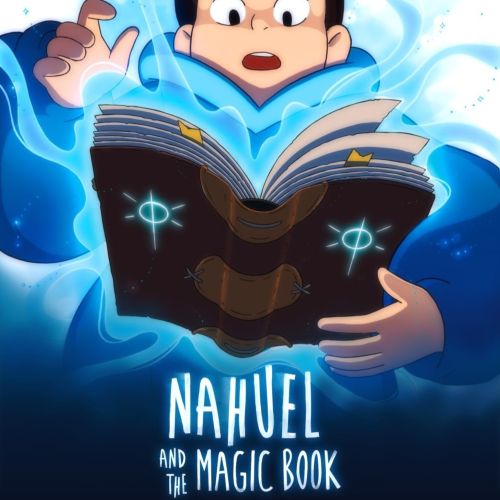
Modern Tahitian cultural projects continue to revisit traditional mythology as a way of teaching younger generations about ancestral beliefs and the cultural history of the Society Islands. A Tahitian animated series, for example, included an episode devoted to Roʻo and presented him as the “child of the cloud,” demonstrating how traditional mythological figures continue to be adapted for contemporary audiences.
Roʻo also remains important in comparative Polynesian studies. Scholars examining the religious traditions of Tahiti, Hawaiʻi, New Zealand, the Cook Islands and other Polynesian societies frequently compare Roʻo with related figures such as Rongo and Lono. These comparisons help researchers understand how religious concepts surrounding agriculture, rain, peace, healing and divine communication developed across the Polynesian world.
His legacy is therefore less about a single modern cult or famous fictional portrayal and more about cultural memory. Roʻo preserves a worldview in which healing was inseparable from ritual knowledge, agriculture depended upon the natural world, and sacred speech could connect human beings with divine powers.
Related Images

Source
Allen, R. (2019, May 25). RO’O – the Tahitian God of Healing. Godchecker. https://www.godchecker.com/polynesian-mythology/RO-O/
Craig, R. D. (1989). Dictionary of Polynesian mythology (pp. 193–194). Greenwood Publishing Group.
eTahiti Travel. (2025, August 20). Polynesian mythology: Gods and ancestral beliefs. https://etahititravel.com/polynesian-mythology-gods-and-ancestral-beliefs/
Henry, T. (n.d.). Hawaiian mythology: Part One – The gods: III. The god Lono. Sacred Texts Archive. https://sacred-texts.com/pac/hm/hm05.htm
Pantheon.org. (1997, June 22). Rū. https://pantheon.org/articles/r/ru.html
Wikipedia. (2009, March 9). ʻOro. https://en.wikipedia.org/wiki/%CA%BBOro
Wikipedia. (2012, May 1). Tahiti and Society Islands mythology. https://en.wikipedia.org/wiki/Tahiti_and_Society_Islands_mythology
Wikipedia. (n.d.). Rongo. http://library.snls.org.sz/archive/doc/wikipedia/wikipedia-terodump-0.1/tero-dump/wikipedia/lo/Longo.html
Frequently Asked Questions
Who is Roʻo in Tahitian mythology?
Roʻo is a Tahitian deity associated particularly with healing, sacred chants and agricultural abundance. Some traditions also connect him with weather and divine communication.
What is Roʻo the god of?
Roʻo is primarily associated with healing in Tahitian mythology, while other traditions connect him with cultivated plants, agriculture, weather and sacred ritual speech.
Is Roʻo the same god as Rongo or Lono?
Roʻo is a Tahitian cognate of the wider Polynesian Rongo-Lono tradition, but the surviving island traditions differ, so the names should not automatically be treated as identical.
Who are Roʻo's parents in Tahitian mythology?
Atea is identified as Roʻo’s father in an important Tahitian tradition. Other accounts describe Roʻo as created by Taʻaroa, showing that his genealogy varies between sources.
What is Roʻo-i-te-Hiripoi known for?
Roʻo-i-te-Hiripoi is associated with healing and ritual chants. Traditional accounts describe prayers invoking Roʻo to address sickness, injury and harmful spiritual influences.


