Figures Associated With Rain and Storms in Ancient Civilizations and Traditions
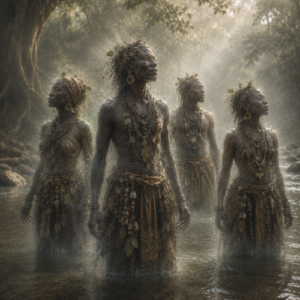
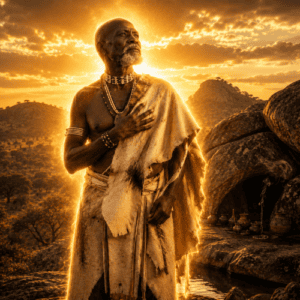
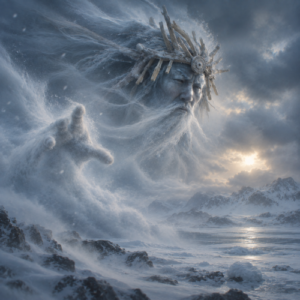
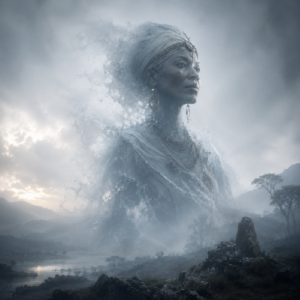
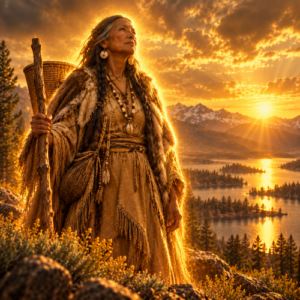
Rain and storms have shaped human survival throughout history, bringing water for crops while also threatening communities with floods, lightning, and destructive winds. Across world mythology, these powerful weather events became associated with gods, spirits, and supernatural beings who controlled rainfall, carried thunder across the sky, or unleashed storms upon the earth. Their stories reflect the importance of seasonal weather to agriculture, navigation, settlement, and the relationship between humans and the natural world.
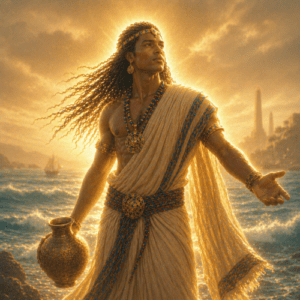
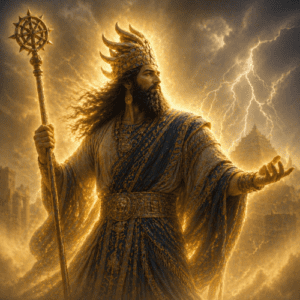
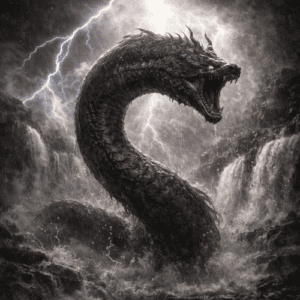
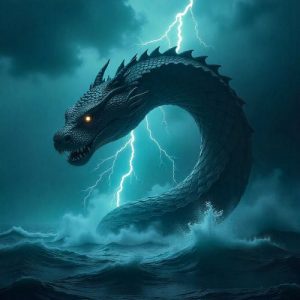
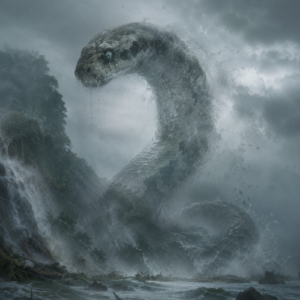
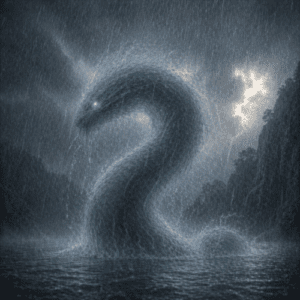
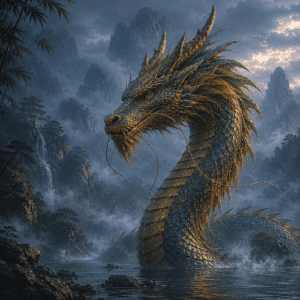
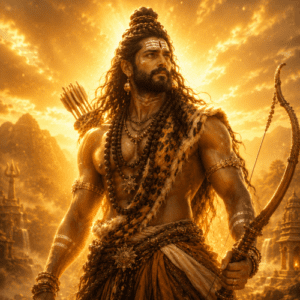
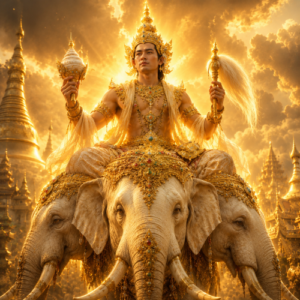
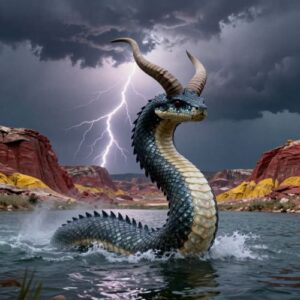
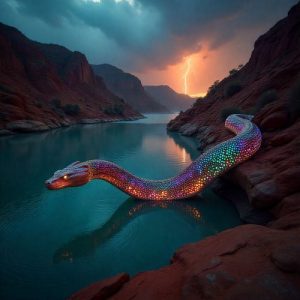
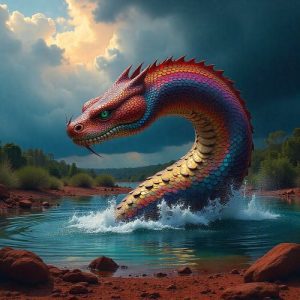
In Indian mythology, Indra is a prominent deity associated with rain, thunder, and storms. In the Vedic tradition, he wields the vajra, a powerful weapon, and defeats the serpent Vritra, whose obstruction of the waters prevents their release. Indra’s victory allows the waters to flow again, connecting his storm imagery with the restoration of life-giving rain. His stories reflect the importance of rainfall in a landscape where agricultural prosperity often depends on the seasonal monsoon.
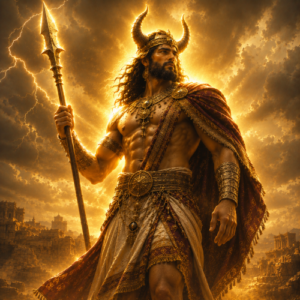
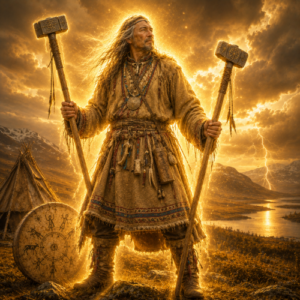
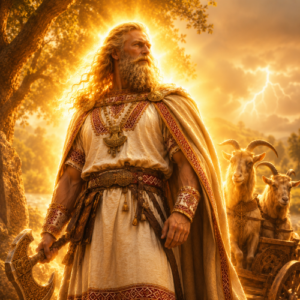
In Norse mythology, Thor is strongly associated with thunder and storms. His hammer, Mjölnir, represents his immense power, and the sound of thunder was traditionally connected with his presence. Although Thor is primarily known as a thunder god rather than a rain deity, his control over stormy weather places him among the most recognisable figures associated with atmospheric power. His role as a protector against threatening forces also gives his storms a dimension beyond destruction.
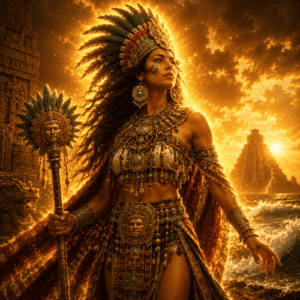
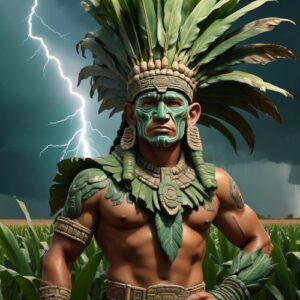
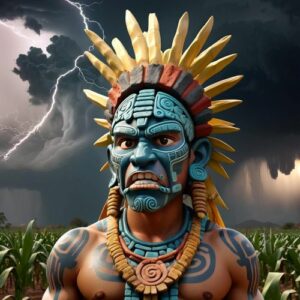
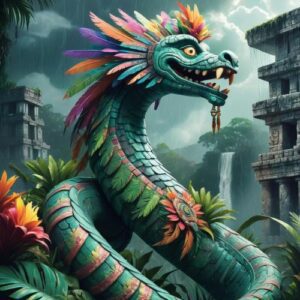
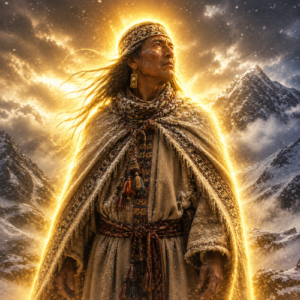
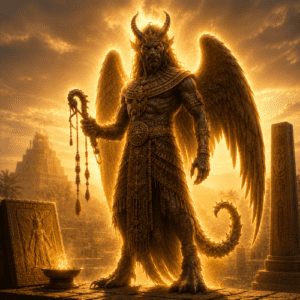
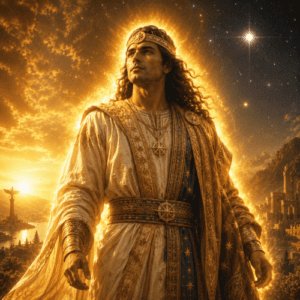
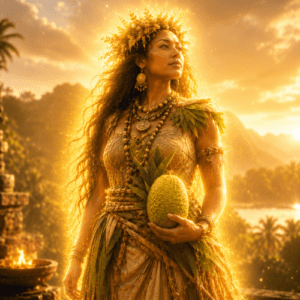
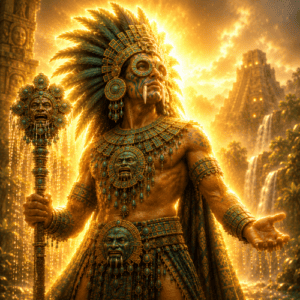
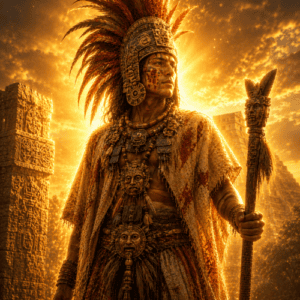
Mesoamerican traditions feature important rain deities whose influence extended directly into agricultural life. Tlaloc, worshipped in central Mexico, was associated with rain, water, fertility, and agricultural abundance. Rainfall could sustain crops, but storms and flooding could also cause devastation. Tlaloc’s complex character reflects this duality. In Maya traditions, Chaac is associated with rain, storms, and agricultural fertility. Maya communities developed elaborate rituals connected with rainfall, recognising its essential role in sustaining maize cultivation and community life.
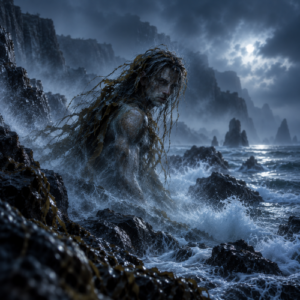
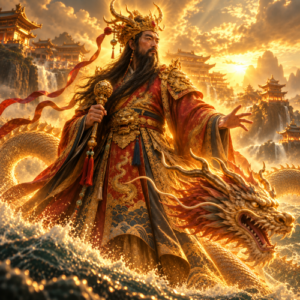
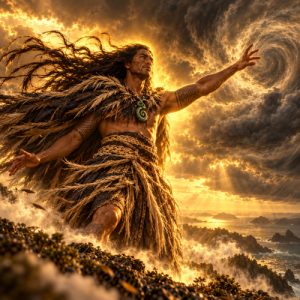
In Japanese mythology, Susanoo is associated with storms, the sea, and turbulent natural forces. His stories in the Kojiki and Nihon Shoki portray a powerful and unpredictable deity whose actions can disrupt the divine order. Although Susanoo is not simply a rain god, his association with violent weather and the sea connects him to the destructive and transformative side of storms.
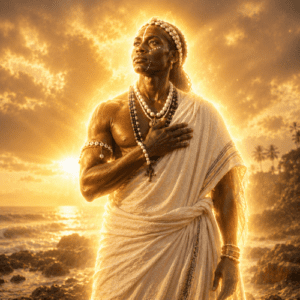
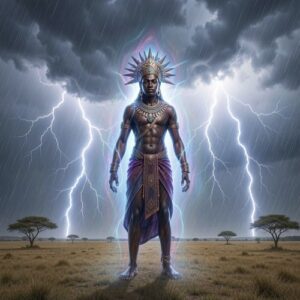
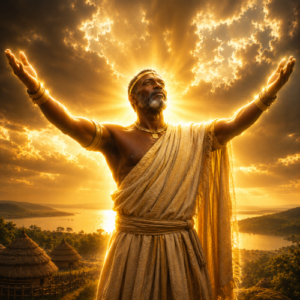
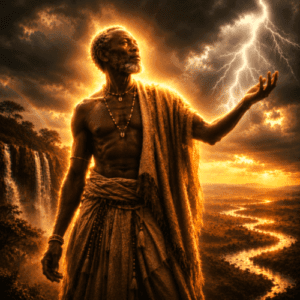
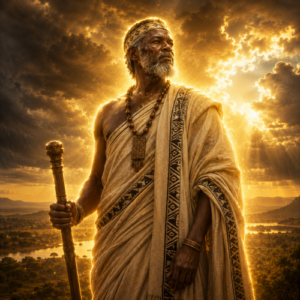
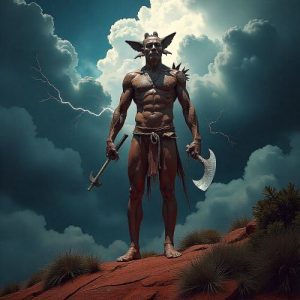
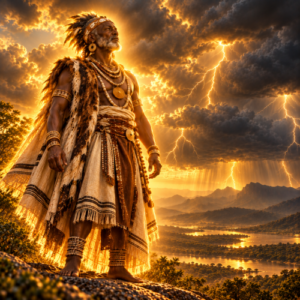
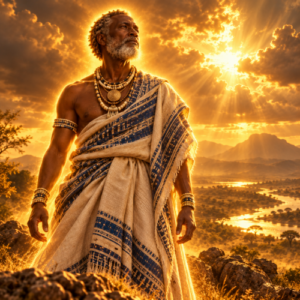
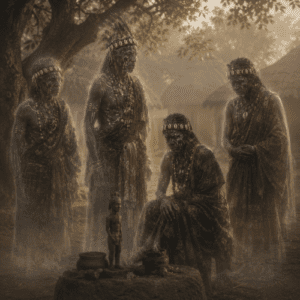
In Yoruba traditions, Ṣàngó is associated with thunder, lightning, royal authority, and justice. His imagery is closely connected with the power of storms, while his worship remains significant in Yoruba religious life and related traditions across the African diaspora. His presence demonstrates that thunder and storm figures may embody social and moral authority as well as natural force.
Across these cultures, rain and storms are not understood as purely destructive or benevolent. Rain can restore parched land, replenish rivers, and sustain harvests, while violent storms can threaten homes, crops, and lives. Mythological figures express this tension through stories of conflict, protection, punishment, and renewal. Although their roles differ, these traditions show how communities sought to understand weather that was essential to survival yet impossible to control.
Studying rain and storm figures therefore offers insight into the environments and values of different societies. From Indra releasing the waters to Tlaloc and Chaac sustaining agriculture, these mythologies preserve cultural interpretations of the skies and the forces that shape life on earth.