
Palulukon : The Hopi Water Serpent of Balance and Power
At a glance
| Description | |
|---|---|
| Origin | Hopi Mythology |
| Classification | Spirits |
| Family Members | N/A |
| Region | United States of America |
| Associated With | Water, Rain, Earthquakes, Fertility |
The Mythlok Perspective
In Mythlok’s Perspective, Palulukon represents a worldview where nature is not controlled but negotiated with. The Hopi understanding of earthquakes and rain as responses to respect or imbalance reveals a deeply ethical relationship with the environment. This serpent is less a monster and more a system, a living expression of ecological balance. Similar figures appear across cultures. The Indian Naga embodies water and fertility while also demanding reverence, and the Mesoamerican feathered serpents like Kukulkan symbolize cosmic order and rain cycles. Across continents, the serpent consistently emerges as a bridge between chaos and life, suggesting a shared human instinct to personify the forces that sustain existence.
Palulukon
Introduction
Palulukon stands as one of the most powerful and symbolically rich beings in Hopi tradition, representing a class of sacred water serpents deeply tied to the survival of life in an arid landscape. Among the Hopi people of North America, Palulukon is not simply a mythical creature but a force that governs water, balance, and the unseen mechanisms of the natural world. In a land where rainfall determines prosperity or hardship, the reverence for such a being becomes both spiritual and practical.
Hopi cosmology holds that the Earth itself is supported by two Palulukon that float within a vast cosmic ocean. This belief reflects a worldview where stability is fragile and dependent on harmony with nature. When these serpents are disturbed or neglected, they are said to shift, causing earthquakes or disrupting vital water sources like springs. In this sense, Palulukon embodies both creation and destruction, rewarding respect and punishing imbalance.
The presence of Palulukon also extends into ceremonial life, where it is invoked in rituals connected to rain, fertility, and seasonal renewal. Through these traditions, the Hopi maintain a living relationship with this powerful serpent, reinforcing the idea that nature is not separate from humanity but deeply intertwined with it.
Physical Traits
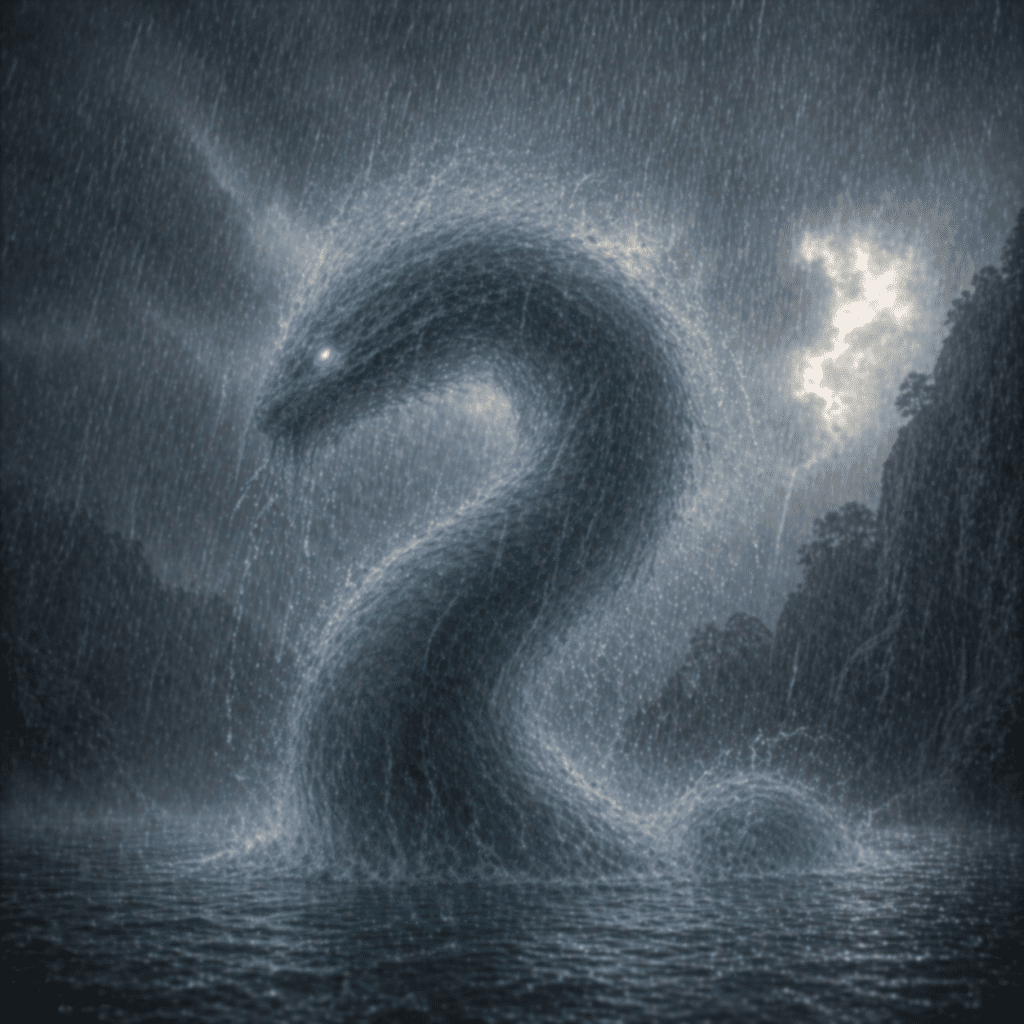
Palulukon is typically envisioned as a massive, serpentine being that combines elements of land, water, and sky. Its body resembles that of a great snake, often described with gleaming scales that reflect light like water itself. Many depictions include horns or plumes, linking the creature to storm clouds and lightning, while fins or flowing extensions along its body reinforce its connection to rivers and springs.
In ceremonial representations, especially within Hopi kachina traditions, Palulukon may appear more stylized. Effigies and puppets used in ritual performances show exaggerated features such as bulging eyes, wide mouths, and elongated bodies that can coil and stretch. These forms are not meant to be literal but symbolic, capturing the unpredictable and dynamic nature of water.
Some versions even portray a maternal aspect, where the serpent carries seeds or life-giving elements, reinforcing its role in fertility. The combination of serpentine movement, avian symbolism through feathers, and aquatic features creates a being that transcends a single domain, reflecting the interconnected forces of nature.
Family
Unlike many mythological figures, Palulukon does not belong to a clearly defined family tree. Instead, it exists as part of a broader class of water serpent beings within Hopi belief. Multiple Palulukon are said to exist, with the most prominent being the pair that uphold the Earth in the cosmic ocean.
However, within ceremonial narratives, Palulukon is sometimes associated with maternal figures such as Haihaiwuqti, a powerful ancestral being often described as a caretaker or nurse to various spiritual entities. In ritual performances, she is depicted as nurturing the serpents, symbolizing the relationship between creation, sustenance, and natural forces.
Palulukon is also closely linked to the Hopi Snake Clans, who maintain ritual knowledge and practices connected to serpents and water. These associations are less about genealogy and more about spiritual responsibility, where certain groups act as intermediaries between humans and the forces represented by Palulukon.
Other names
Palulukon is known by several variations in Hopi oral tradition, reflecting differences in dialect and ceremonial context. Common names include Palulukang, Palulukan, and Paalölöqangw. While these variations may differ in pronunciation, they all refer to the same essential concept of a powerful water serpent.
In comparative discussions, Palulukon is often linked to other serpent figures across cultures. It shares similarities with Kukulkán and Quetzalcoatl, both of whom embody wind, rain, and cosmic order. Within the American Southwest, it is closely related to Koloowisi, another serpent associated with water and rain. These parallels do not suggest direct connections but highlight a recurring global motif where serpents represent the life-giving and destructive powers of water.
Powers and Abilities
Palulukon’s power lies in its complete mastery over natural forces, particularly those connected to water and the earth. It governs springs, rivers, rainfall, and underground water systems, making it essential to agricultural life. In Hopi belief, rain is not random but granted through balance and respect, with Palulukon acting as a mediator of that balance.
The serpent is also associated with seismic activity. The idea that the Earth rests upon two Palulukon explains earthquakes as movements of these immense beings. This interpretation reflects a worldview that connects physical events to spiritual causes, emphasizing responsibility rather than randomness.
Palulukon can also bring destructive forces when angered. Floods, lightning storms, and droughts are all attributed to its displeasure. This duality makes it both revered and feared, reinforcing the importance of maintaining harmony with nature.
Additionally, Palulukon is linked to fertility. It is believed to aid in the germination of seeds and the renewal of life, tying water directly to sustenance. In some traditions, it is even said to transform or shift forms, reflecting the fluid and ever-changing nature of water itself.
Modern Day Influence
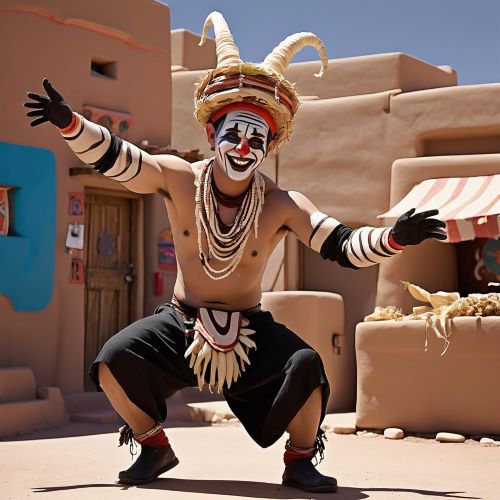
Palulukon continues to hold cultural importance in modern Hopi life, especially through ceremonial practices. One of the most well-known traditions connected to serpent symbolism is the Hopi Snake Dance, a ritual performed to bring rain and maintain ecological balance. In this ceremony, snakes are handled with care and respect, acting as messengers that carry prayers to the spiritual world.
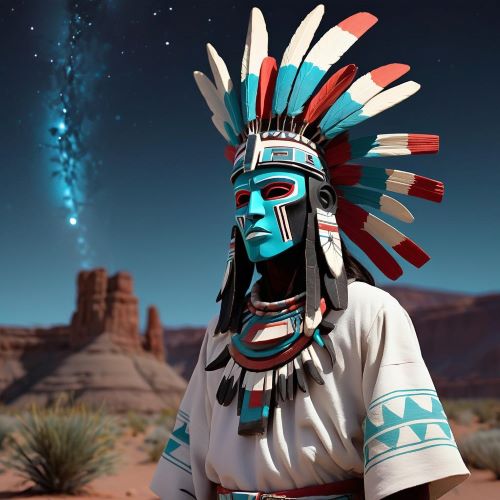
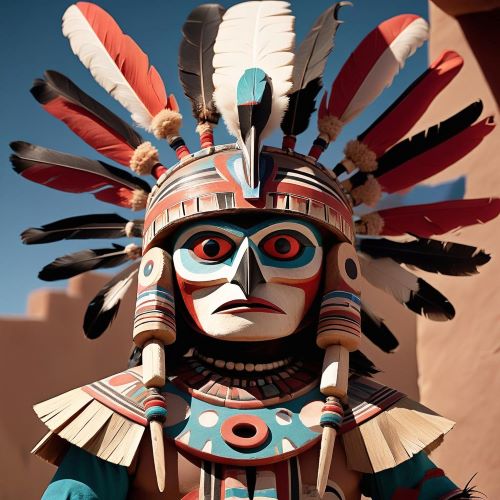
The Water Serpent also appears in kachina traditions, where masked dancers embody spiritual beings during festivals. Representations of Palulukon, sometimes called Palölökong, are used in dances and ritual performances that teach younger generations about the importance of harmony with nature.
Kachina dolls, carved from cottonwood root, often include forms inspired by the water serpent. These are not toys but educational tools, helping to pass down knowledge about spiritual forces, environmental responsibility, and cultural identity.
Beyond ritual, Palulukon has gained attention in broader discussions about environmental balance. Its symbolism as a guardian of water resonates strongly in contemporary conversations about climate change and resource management, making it a timeless representation of humanity’s relationship with nature.
Related Images




Source
Black Dragon. (n.d.). Palulukon | Dragon species | Basic dragon information. https://www.blackdrago.com/species/palulukon.htm
King, W. R. (1987). Dionysos among the mesas: The water serpent puppet play of the Hopi Indians. American Indian Culture and Research Journal, 11(3), 17-49. https://escholarship.org/content/qt18d4b46s/qt18d4b46s_noSplash_df1bf732ac5b9f490155bbea0fd9ffdc.pdf
Black Dragon. (n.d.). Kolowissi | Dragons of fame. http://www.blackdrago.com/fame/kolowisi.htm
Smithsonian Learning Lab. (n.d.). Kachina, Palulukon (Great Snake) effigy and Tatoukti during March mystery drama. https://learninglab.si.edu/resources/view/38215
Fewkes, J. W. (1900). Tusayan kachina (or katcina) ceremony. In 19th Annual Report of the Bureau of American Ethnology.
Courlander, H. (1971). The Fourth World of the Hopis. Crown Publishers.
Malotki, E. (1983). Hopi Time: A Linguistic Analysis of Temporal Concepts in Hopi Language and Culture. Mouton Publishers.
Ortiz, A. (Ed.). (1972). New Perspectives on the Pueblos. University of New Mexico Press.
Parsons, E. C. (1996). Pueblo Indian Religion. University of Nebraska Press.
Frequently Asked Questions
Who is Palulukon in Hopi belief?
Palulukon is a sacred water serpent in Hopi tradition associated with rain, earthquakes, and natural balance.
What does Palulukon control?
It controls water sources, rainfall, fertility, and even seismic activity in Hopi cosmology.
Is Palulukon a god or spirit?
Palulukon is considered a powerful nature spirit rather than a traditional god.
Why is Palulukon important to the Hopi?
It represents the balance of nature and is central to rituals that ensure rain and survival.
Are there similar beings to Palulukon?
Yes, figures like Kukulkán, Quetzalcóatl, and Nāga share similar roles as water or cosmic serpents.