Gods of Agriculture in Ancient Civilizations and Sacred Traditions
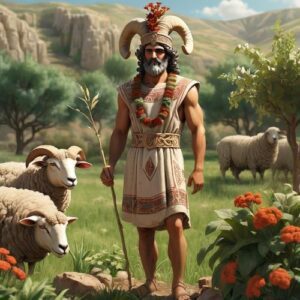
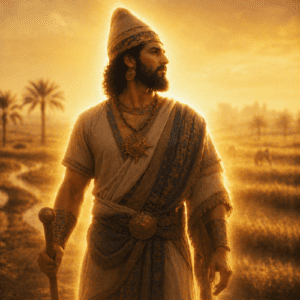
Agriculture has been the foundation of human civilization. Long before cities and empires, the ability to grow crops determined survival, prosperity, and stability. Across cultures, the Gods of Agriculture emerged as powerful figures who governed harvests, fertility, seasons, and the delicate balance between nature and human life.
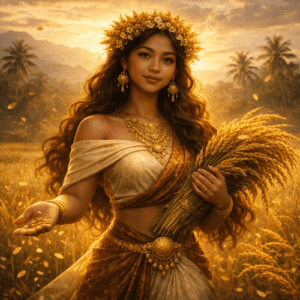
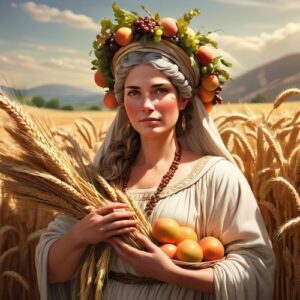
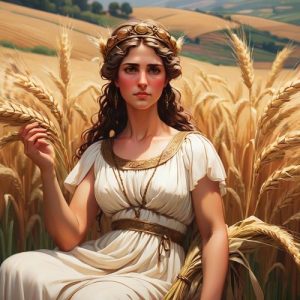
In Greek tradition, Demeter represents the nurturing force of the earth. She governs grain, harvest, and the cycle of growth and decay. Her story reflects the seasonal rhythm of planting and reaping, showing how agriculture is deeply tied to natural cycles. In Roman belief, Ceres carries similar significance, symbolizing abundance and the sustenance of society.
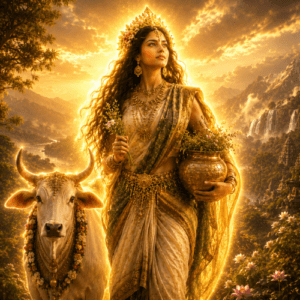
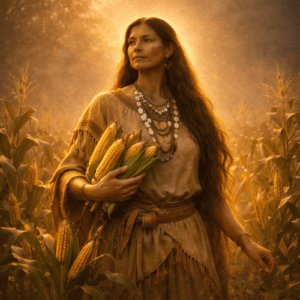
In the Indian tradition, Prithvi represents the earth itself, the source of all crops and nourishment. Agriculture here is not just an activity but a relationship with the land. In Egyptian mythology, Osiris embodies fertility, rebirth, and the annual flooding of the Nile, which made agriculture possible. His cycle of death and renewal mirrors the life cycle of crops.
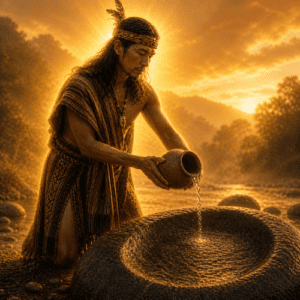
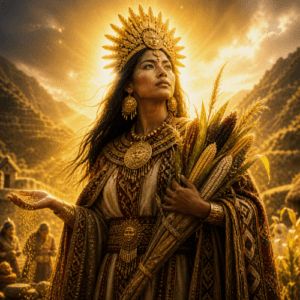
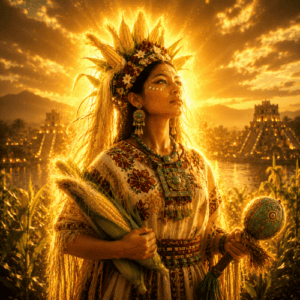
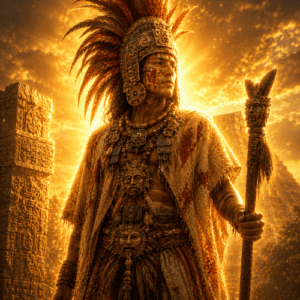
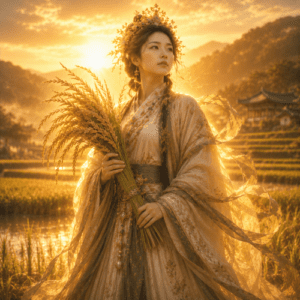
In East Asian traditions, figures such as Shennong are credited with teaching humanity how to cultivate crops and use medicinal plants. Here, agriculture is linked with knowledge, experimentation, and survival. In Mesoamerican belief, Centeotl represents maize, the central crop that sustained entire civilizations.
Across cultures, Gods of Agriculture are closely connected with fertility and abundance. They govern not only crops but also the cycles of life itself. Growth, harvest, decay, and renewal form a continuous process that reflects both nature and human existence.
What unites these deities is their role as sustainers of life. Without agriculture, societies cannot thrive. These gods ensure that the land remains fertile, that seasons follow their course, and that communities are nourished.
Exploring the Gods of Agriculture reveals how deeply human survival is tied to the natural world. These deities are not distant rulers but ever-present forces within the soil, the seasons, and the harvest. Through them, agriculture becomes more than cultivation. It becomes a sacred relationship between humanity and the earth.