
Nagmalitong Yawa Sinagmaling Diwata : The Warrior Goddess of the Hinilawod
At a glance
| Description | |
|---|---|
| Origin | Philippine Mythology |
| Classification | Gods |
| Family Members | Matan-ayon (Mother), Burigadang Pada Sinaklang Bulawan, Lubay-Lubyok Hanginun Mahuyokhuyokon (Sisters) |
| Region | Philippines |
| Associated With | Beauty, Desire, Shapeshifting, Healing, Warfare, Spiritual authority |
The Mythlok Perspective
In Mythlok’s Perspective, Nagmalitong Yawa Sinagmaling Diwata represents a rare archetype where beauty is not passive but active and transformative. She is not simply desired; she reshapes the fate of those who desire her. Her fluid identity and dual nature mirror figures like Morrigan and Kali, who also embody creation and destruction together. Across cultures, such figures reveal a deeper truth: power is most complete when it embraces both nurture and chaos.
Nagmalitong Yawa Sinagmaling Diwata
Introduction
Nagmalitong Yawa Sinagmaling Diwata stands as one of the most compelling female figures in the ancient Visayan epic Hinilawod, particularly within the Humadapnon cycle preserved by the Panay-Bukidnon people of the Philippines. Her story, recorded and studied by anthropologists such as F. Landa Jocano, reflects a layered character who embodies beauty, power, transformation, and spiritual authority.
She is often remembered as one of the “Three Great Beauties” of the epic tradition, but reducing her to beauty alone misses the depth of her role. Nagmalitong Yawa Sinagmaling Diwata is a babaylan, a warrior, a shapeshifter, and a figure who moves between worlds. Her narrative connects her to central heroes such as Labaw Donggon and Humadapnon, influencing their journeys in profound ways.
The term “yawa” in her name is often misunderstood today. While it later came to mean “devil” due to colonial influence, in its original context it referred to a powerful supernatural being. This distinction is crucial to understanding her not as a demon, but as a divine and complex presence within Visayan belief systems.
Physical Traits
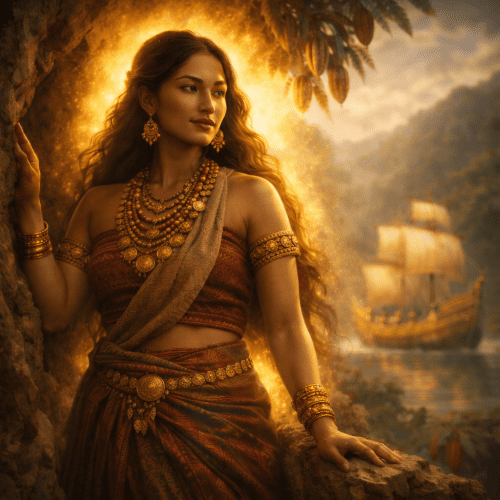
Nagmalitong Yawa Sinagmaling Diwata is consistently described as possessing extraordinary, almost overwhelming beauty. In the oral tradition, she is often portrayed as a binukot, a secluded maiden whose untouched nature enhances her radiance. Some versions describe her as emerging fully formed from a night-blooming flower, already embodying divine perfection.
Her epithet “Sinagmaling Diwata” translates to “Radiant Goddess,” emphasizing a luminous presence that is both physical and symbolic. Her beauty is not passive; it carries power. It inspires longing, conflict, and transformation in those who encounter her.
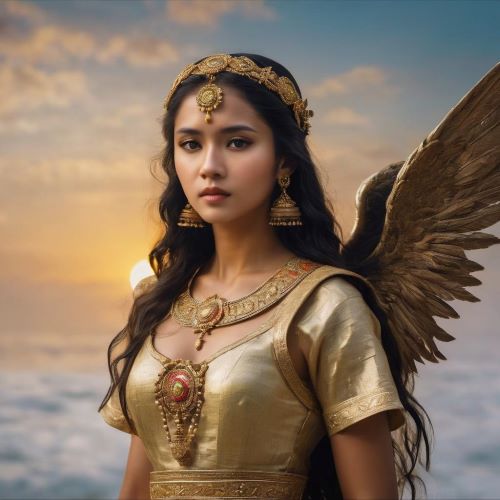
One of her most distinctive traits is her ability to shapeshift. She can assume different forms, including transforming into a male warrior known as Buyung Sunmasakay. This ability is rare within the epic tradition and highlights her fluid identity and mastery over both physical and spiritual realms. In some narratives, she also disguises herself to move unnoticed, reinforcing her role as both strategist and protector.
Family
Nagmalitong Yawa Sinagmaling Diwata belongs to a powerful lineage within the epic tradition. In many accounts, she is the daughter of Matan-ayon, herself a figure associated with beauty and strength. She is also part of a triad of sisters known for their exceptional qualities.
Her sisters include Burigadang Pada Sinaklang Bulawan, often linked to wealth and material allure, and Lubay-Lubyok Hanginun Mahuyokhuyokon, associated with the night breeze and subtle natural forces. Together, they represent different aspects of beauty and influence within the mythic world.
Her marital relationships vary across versions of the epic. She is most famously associated with Saragnayan, a powerful being often described as a lord connected to darkness or the keeper of light. Despite his fearsome nature, their relationship is portrayed with emotional depth, showing loyalty and attachment.
In later narratives, she becomes connected to Humadapnon after aiding him during his trials. Their relationship is complex and reflects themes of transformation, conflict, and reconciliation that are central to the Hinilawod tradition.
Other names
Nagmalitong Yawa Sinagmaling Diwata is known by several variations of her name, each emphasizing a different aspect of her identity. The name Sinagmaling Diwata highlights her divine radiance, while Nagmalitong Yawa points to her enchanting and otherworldly nature.
Shortened forms like “Yawa” were once neutral or even reverential, referring to a spiritual entity. Over time, especially during Spanish colonization, the word was reinterpreted negatively. Modern scholarship seeks to restore its original meaning within indigenous belief systems. Other variations found in oral recitations include Malitong Yawa Sinagmaling Diwata, reflecting the fluid nature of oral storytelling where names adapt across regions and generations.
Powers and Abilities
Nagmalitong Yawa Sinagmaling Diwata is far more than a figure of beauty. She is a powerful babaylan, combining spiritual authority with practical skill. Her abilities include shapeshifting, advanced healing knowledge, and mastery of ritual practices.
Her transformation into Buyung Sunmasakay demonstrates not only magical ability but also strategic intelligence. By assuming a male warrior identity, she participates directly in battles and quests, challenging traditional gender roles within the narrative.
She is also capable of casting potent enchantments. In some versions of the epic, she inflicts a lovesickness curse on Labaw Donggon, driving him into madness. This ability reflects her connection to desire and emotional influence, making her both feared and revered.
Beyond her more dangerous powers, she also acts as a healer and guide. She rescues Humadapnon from enchantment and demonstrates compassion toward both humans and nature. This duality, where she can both destroy and nurture, defines her as a complete and balanced mythological figure.
Modern Day Influence
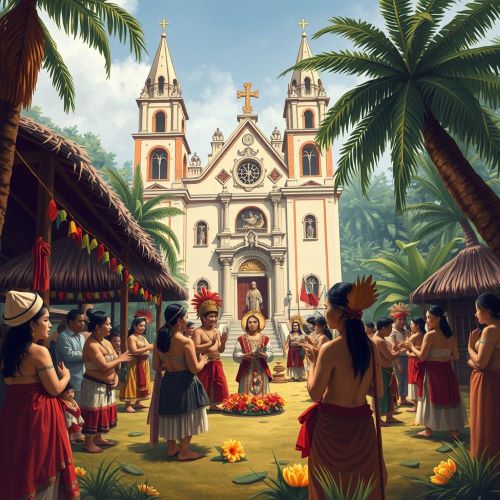
In contemporary discussions of Philippine folklore, Nagmalitong Yawa Sinagmaling Diwata has become a symbol of cultural reclamation. Scholars and cultural advocates are revisiting her story to challenge colonial interpretations that labeled indigenous deities as demonic.
The reinterpretation of the word “yawa” is central to this movement. Rather than accepting its modern negative meaning, many now view it as a reflection of pre-colonial spirituality and power. This shift has helped restore her status as a goddess rather than a demonized figure.
She is increasingly referenced in academic studies, visual art, and digital storytelling. Her identity as a shapeshifting warrior and babaylan resonates strongly in conversations about gender, power, and indigenous knowledge systems. For many, she represents resilience and the survival of native belief systems despite centuries of cultural suppression.
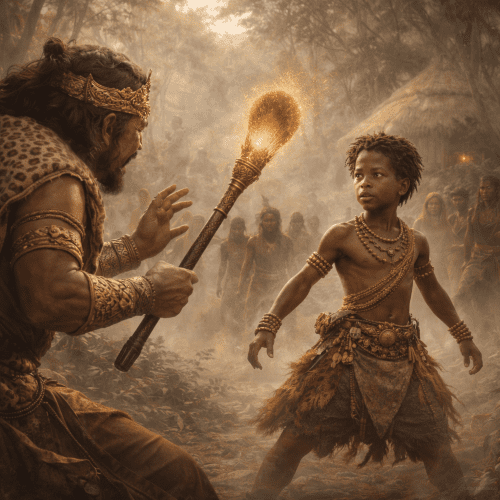
Related Images




Source
F. Landa Jocano. (1968). Hinilawod: An epic poem from the Sulod of central Panay. University of the Philippines Press.
Jocano, F. L. (Producer). (1975). Hinilawod: The epic of Panay [Audio recording]. University of the Philippines.
Blanc-Siegle, J. (2013, September 29). Nagmalitong Yawa Sinagmaling Diwata. Vizayan Myths Blog. http://vizayanmyths.blogspot.com/2013/09/nagmalitong-yawa-sinagmaling-diwata.html
Nagmalitong Yawa. (2026, February 15). In Wikipedia, ang malayang ensiklopedya. https://tl.wikipedia.org/wiki/Nagmalitong_Yawa
Reyes, A. B. (2016, March 23). Nagmalitong Yawa SinagMaling Diwata. Old Tales of the Philippines. http://oldtalesphilippines.blogspot.com/2016/03/nagmalitong-yawa-sinagmaling-diwata.html
Proudbisayabai. (2025, September 8). Who is the real Yawa? Yawa was not always a cursed word: The Visayan deity Nagmalitong Yawa. https://proudbisayabai.ph/story/2025/09/08/who-is-the-real-yawa-yawa-was-not-always-a-cursed-word-the-visayan-deity-nagmalitong-
Wikipedia contributors. (2024). Hinilawod. In Wikipedia. https://en.wikipedia.org/wiki/Hinilawod
De los Reyes, A. (2022). The DIWATA of Philippine Mythology. The Aswang Project. https://www.aswangproject.com/diwata/
Magos, A. (1992). The Enduring Epics of Panay. Ateneo de Manila University Press.
Revel, N. (1990). Oral Literature of the Philippines. UNESCO.
Salazar, Z. (1999). Philippine Precolonial Literature. University of the Philippines Press.
Frequently Asked Questions
Who is Nagmalitong Yawa Sinagmaling Diwata?
A radiant goddess in the Hinilawod epic known for beauty, shapeshifting, and spiritual power.
What does “Yawa” mean in her name?
Originally it meant a supernatural being, not “devil,” before colonial reinterpretation.
What powers does she have?
She can shapeshift, cast curses, heal, and act as a warrior and spiritual leader.
Is she a villain or a hero?
She is neither purely; she embodies both nurturing and destructive forces.
Why is she important today?
She represents cultural reclamation and indigenous female power in Philippine heritage.