


Hinilawod : The Great Epic of the Halawod River Heroes
At a glance
| Attribute | Description |
|---|---|
| Mythology | Philippine Mythology |
| Language Written | Karay-a |
| Age | Circa 900 CE |
| Author | Recorded by Felipe Landa Jocano |
| Main Characters | Alunsina, Datu Paubari, Labaw Donggon, Humadapnon, Dumalapdap |
Mythlok Perspective
In Mythlok’s Perspective, Hinilawod reflects a universal pattern found in many epic traditions where divine ancestry produces heroes who must prove themselves through trials. The journeys of Labaw Donggon and his brothers echo the heroic cycles seen in other cultures. Greek epics such as the adventures of Achilles and Odysseus similarly explore glory, ambition, and fate, while Indian epics like the Ramayana emphasize duty and cosmic balance. Hinilawod stands within this global tradition of epic storytelling, revealing how distant cultures often share strikingly similar visions of heroism and destiny.
Hinilawod
Introduction
Hinilawod is one of the most remarkable epic traditions from the Philippines, preserved through centuries of oral storytelling among the Panay Bukidnon people of central Panay Island. The title is commonly translated as “Tales from the Mouth of the Halawod River,” referring to the river valley that served as the cultural heartland of the Sulodnon communities who preserved the narrative. Passed down through ritual chanting rather than written manuscripts, Hinilawod is widely regarded as one of the longest epic poems in the world, containing roughly 28,000 stanzas and traditionally performed over many hours or even days.
Unlike many epics that survived through early written records, Hinilawod endured primarily through memory and ceremonial recitation. Skilled chanters known as babaylan or epic bards would narrate the story during rituals, weddings, and community gatherings. Through these performances, the epic preserved a worldview shaped by indigenous beliefs, ancestral traditions, and a deep respect for nature spirits.
At its core, Hinilawod is the story of divine ancestry, heroic quests, and the complex relationship between gods and humans. The narrative follows the adventures of three demigod brothers born from the union of a celestial goddess and a mortal ruler. Their journeys through magical realms, battles against monsters, and searches for love form a sweeping narrative that reveals how ancient communities understood honor, courage, and cosmic balance.
Today, Hinilawod remains one of the most important cultural treasures of the Philippines. It offers rare insight into pre-colonial Visayan beliefs and stands as a testament to the resilience of oral traditions that survived centuries of colonization and cultural change.
Historical Background
The origins of Hinilawod stretch back to the pre-colonial era of the Visayan islands, long before Spanish colonization began in the sixteenth century. The epic developed among the Panay Bukidnon, also called the Sulod people, who lived in the mountainous interior of Panay Island. Their relative isolation allowed them to preserve ancient beliefs and cultural traditions that were gradually transformed in coastal communities during colonial rule.
For generations, the epic was transmitted orally. Elder storytellers memorized vast sections of the narrative and passed them to younger performers through apprenticeship and ritual training. Because the story existed entirely in spoken form, different versions of Hinilawod developed across villages, each shaped by the style and memory of individual chanters.
The modern rediscovery of Hinilawod began in the 1950s, when Filipino anthropologist F. Landa Jocano encountered fragments of the epic while conducting fieldwork in Iloilo province. Intrigued by the scale of the story, he returned with recording equipment to document the chants of local storytellers. Among the most important contributors were Ulang Udig and Hugan-an, who recited large portions of the narrative that had previously never been written down.
Jocano’s recordings revealed the extraordinary length and complexity of the epic. Some performances lasted over 30 hours, demonstrating the remarkable memory and storytelling skill of the chanters. The recordings were later transcribed and translated, bringing the epic to academic and international attention.
In recent years, these recordings have received renewed recognition. The original tapes preserved at Central Philippine University were inscribed in the UNESCO Memory of the World Register for Asia and the Pacific, highlighting the global cultural importance of Hinilawod and the need to safeguard indigenous oral traditions.
Synopsis & Themes
The epic begins with Alunsina, a powerful goddess of the eastern sky. Despite the wishes of other gods, she chooses to marry a mortal ruler named Datu Paubari, who governs the lands along the Halawod River. Their marriage angers many divine suitors, and the gods attempt to destroy the couple with a catastrophic flood. With help from the goddess Suklang Malayon, they survive and later settle in a peaceful region where their children are born.
Alunsina gives birth to three extraordinary sons: Labaw Donggon, Humadapnon, and Dumalapdap. Each brother eventually embarks on heroic journeys that form the main narrative cycles of the epic.
Labaw Donggon, the eldest, becomes known for his immense strength and relentless determination. His quests revolve around seeking wives from distant realms. During these journeys he battles supernatural creatures and rival warriors. However, his ambition leads him into conflict with the powerful lord Saragnayan, whose magical charms make him nearly impossible to defeat. After a prolonged battle, Labaw Donggon is captured and imprisoned, forcing his sons to rescue him years later.
Humadapnon’s story centers on revenge and redemption. Angered by his brother’s defeat, he sets out on his own adventure accompanied by loyal companions. Along the way he encounters enchantments, monsters, and powerful sorceresses who attempt to trap him through magic. His journey ultimately leads him to the radiant maiden Burigadang Pada Sinaklang Bulawan, whom he eventually marries after overcoming numerous trials.
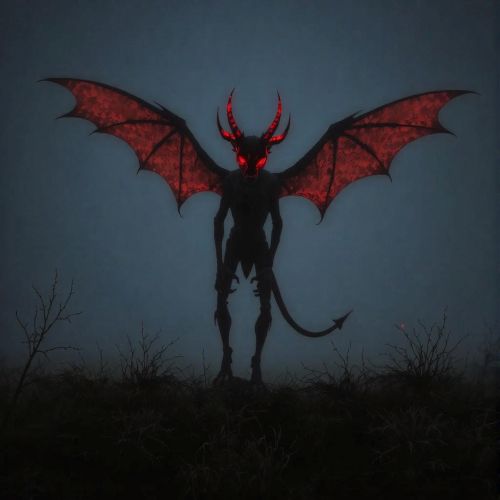
The youngest brother, Dumalapdap, also undertakes a quest for love. His travels bring him into confrontation with terrifying creatures, including a giant batlike monster named Uyutang. Their battle is said to last months and even causes earthquakes that reshape the landscape. Dumalapdap eventually defeats the monster and wins the hand of the goddess Lubay-Lubyok Hanginun si Mahuyokhuyokon.
Across these stories, Hinilawod explores recurring themes such as heroism, family loyalty, and the balance between ambition and humility. The epic also emphasizes cooperation between humans and supernatural allies. Magical tools, divine guidance, and communal support often determine whether the heroes succeed or fail.
Key Characters
At the heart of Hinilawod are a set of characters who embody the epic’s spiritual worldview and social values. Alunsina is the celestial goddess whose decision to marry a mortal sets the story in motion. She represents both divine authority and maternal protection, guiding her sons throughout their journeys.
Datu Paubari is the mortal ruler of Halawod and the father of the three heroes. His union with Alunsina symbolizes the connection between the human world and the realm of the gods. Labaw Donggon, the eldest brother, is the most famous hero of the epic. His determination and physical strength make him a formidable warrior, but his relentless ambition also leads him into dangerous conflicts.
Humadapnon is often portrayed as thoughtful and strategic. His adventures highlight resilience and the importance of loyalty among companions. Dumalapdap, the youngest brother, is known for his courage and fierce fighting spirit. His battles with monstrous creatures emphasize the epic’s theme of confronting chaos in order to restore harmony.
Several antagonists appear throughout the story. Saragnayan, a powerful lord protected by magical charms, stands as one of the most dangerous enemies faced by the heroes. Other figures such as Piganun, a sorceress who enchants Humadapnon, add layers of supernatural intrigue to the narrative. Together, these characters create a complex mythic world where gods, spirits, and humans constantly interact.
Cultural & Religious Significance
For the Panay Bukidnon communities, Hinilawod is more than a story. It functions as a cultural archive that preserves ancient beliefs, moral teachings, and ritual traditions. The epic reflects a cosmology in which the universe is divided into multiple realms. The upper world is inhabited by powerful diwata or deities, while the human world lies in the middle. Beneath these realms exist darker territories inhabited by dangerous spirits and monsters. Maintaining harmony between these worlds requires respect, ritual offerings, and moral discipline.
Hinilawod also highlights the importance of family honor and community cooperation. The heroes rarely succeed through individual strength alone. Instead, their victories depend on assistance from relatives, allies, and supernatural helpers. This emphasis reflects the communal values of the Panay Bukidnon society, where cooperation and kinship were essential for survival.
The epic also reveals the spiritual role of ritual specialists such as babaylan. These priest-healers mediated between humans and the spirit world, performing ceremonies that invoked protective forces. Epic chanting itself was often part of these ceremonies, reinforcing the belief that storytelling could maintain spiritual balance. Even today, Hinilawod remains central to cultural identity in parts of Panay. Efforts to preserve the epic include community workshops, academic research, and cultural festivals that celebrate indigenous heritage.
Modern Adaptations
In recent decades, Hinilawod has inspired a wide range of artistic adaptations. Scholars, writers, and performers have sought new ways to introduce the epic to modern audiences while preserving its cultural roots. Stage productions have played an important role in bringing the story to life. Dance companies and theater groups have transformed sections of the epic into visually dramatic performances that combine traditional music with contemporary choreography. These productions often condense the enormous narrative into shorter performances while retaining its central themes of heroism and divine ancestry.
Literary adaptations have also made the epic more accessible. Illustrated books, academic translations, and simplified retellings allow readers unfamiliar with the oral tradition to explore the story. Some versions focus on individual heroes such as Labaw Donggon, presenting their adventures as standalone narratives.
Film and digital media have further expanded the epic’s reach. Short films, animated interpretations, and online storytelling platforms now present the tale to younger audiences. Cultural institutions in the Philippines have also digitized recordings of traditional chants, ensuring that the original performances remain available for future generations.


Source
F. Landa Jocano Foundation. (n.d.). Hinilawod. Wikipedia. https://en.wikipedia.org/wiki/Hinilawod
Jocano, F. L. (1968). Philippine mythology. Punlad Research House.
Jocano, F. L. (1974). Hinilawod: An epic from central Panay. F. Landa Jocano Research Center.
Panay Bukidnon Cultural Center. (2020). Oral epics of the Sulod. University of the Philippines Press.
Natdls. (2022, October 10). Filipino mythology: Hinilawod – Alunsina and Datu Paubari. https://natdls.com/blog/hinilawod-the-adventures-of-labaw-donggon
Reyes, A. (2018). Hinilawod ballet production notes. Philippine Ballet Theatre Archives.
Scribd Contributors. (2025). The Hinilawod epic summary. https://www.scribd.com/document/422750809/HINILAWOD-docx
WordPress. (2010, June 4). The story of Hinilawod. https://hinilawod.wordpress.com/the-story/
Frequently Asked Questions
What is Hinilawod?
Hinilawod is an ancient epic from the Panay Bukidnon people of the Philippines. It tells the story of three demigod brothers and their adventures across magical realms.
Why is Hinilawod considered one of the longest epics in the world?
The epic contains around 28,000 stanzas and can take more than 25 to 30 hours to perform when chanted traditionally.
Who discovered Hinilawod for modern scholarship?
Anthropologist F. Landa Jocano documented the epic in the 1950s after recording chants from Panay Bukidnon storytellers.
Who are the main heroes of Hinilawod?
The central heroes are the brothers Labaw Donggon, Humadapnon, and Dumalapdap, the sons of the goddess Alunsina and the mortal ruler Datu Paubari.
Why is Hinilawod culturally important in the Philippines?
The epic preserves indigenous beliefs, rituals, and social values from the pre-colonial Visayan world, making it a key source for understanding early Filipino culture.


