


Korrigan : The Bewitching Fairy Spirits of Breton Folklore
At a glance
| Description | |
|---|---|
| Origin | Breton Mythology |
| Classification | Spirits |
| Family Members | N/A |
| Region | France |
| Associated With | Future Prediction, Shapeshifting, Speed |
Mythlok Perspective
In Mythlok’s Perspective, the Korrigan reflects a uniquely Breton view of the supernatural, where beauty is rarely separated from danger. Unlike the Irish Aos Sí, who often remain distant from mortals, Korrigans actively tempt, test, and punish those who disrespect the natural world. Their legends suggest that magic is not inherently good or evil—it simply demands humility, reminding humanity that nature’s greatest wonders often conceal its greatest risks.
Korrigan
Introduction
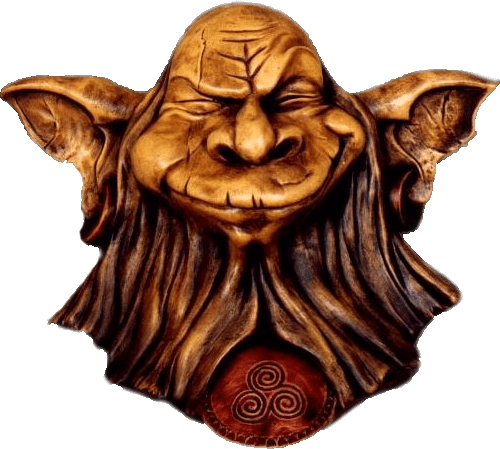
Korrigans are supernatural beings from the folklore of Brittany in northwestern France and rank among the most iconic figures in Breton mythology. Usually depicted as fairy– or dwarf-like spirits, they are renowned for their beauty, magical abilities, and unpredictable nature. The name Korrigan is generally interpreted as meaning “little dwarf” in the Breton language, reflecting their small stature. Closely associated with springs, wells, forests, and ancient megalithic sites, Korrigans embody the mysterious power of the natural world and have remained an enduring part of Celtic folklore for centuries.
Physical Description
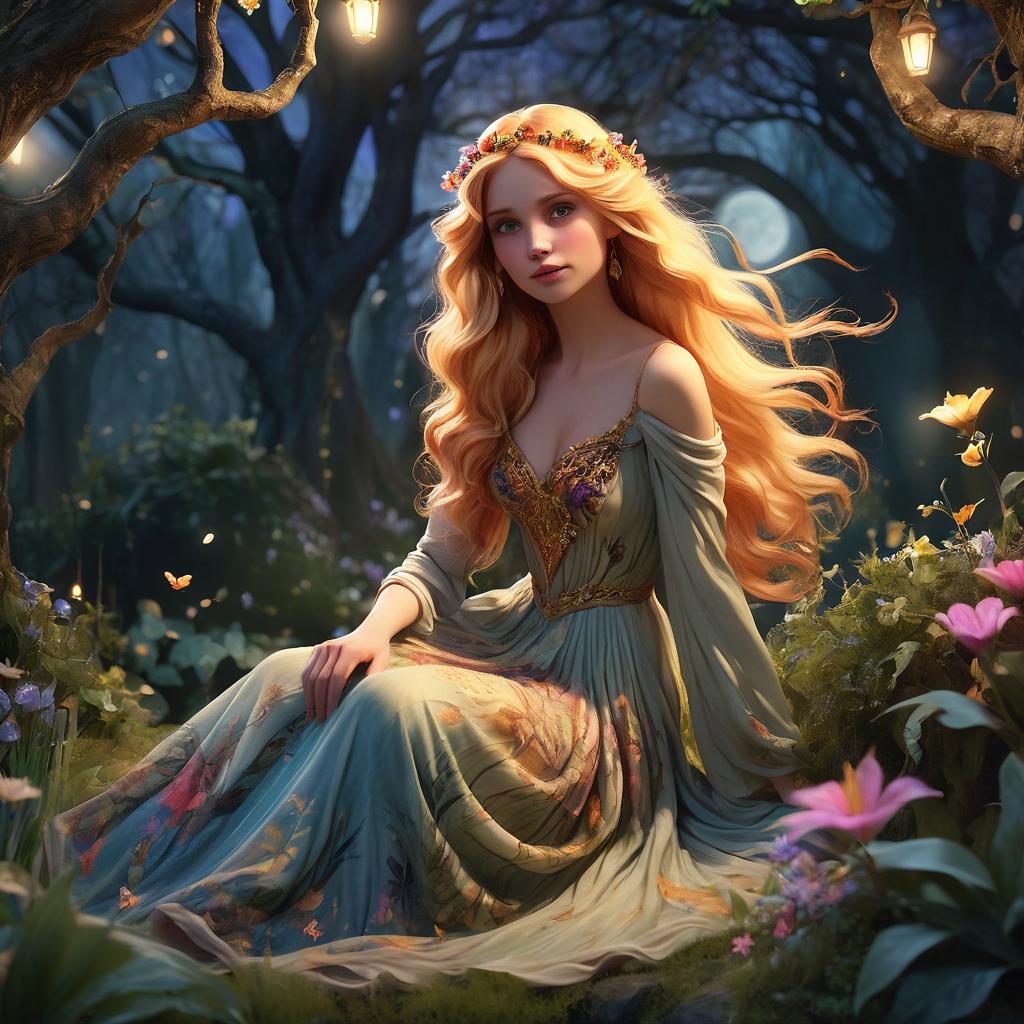
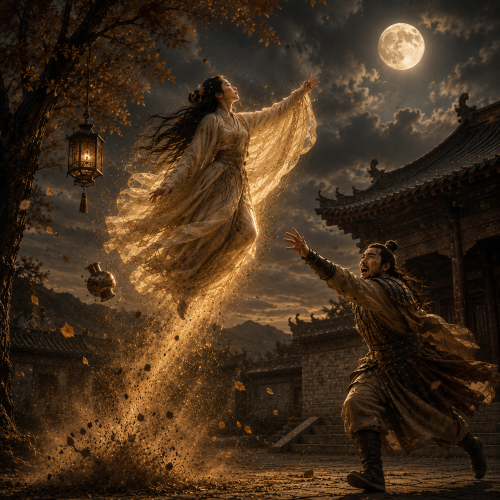
Descriptions of Korrigans vary across different regions of Brittany, but they are generally portrayed as small, graceful supernatural beings. Many legends describe them as exceptionally beautiful women with long golden hair, often seen combing it beside sacred springs or singing enchanting songs beneath the moonlight. Their captivating appearance allows them to charm unsuspecting travellers who wander into their domains.
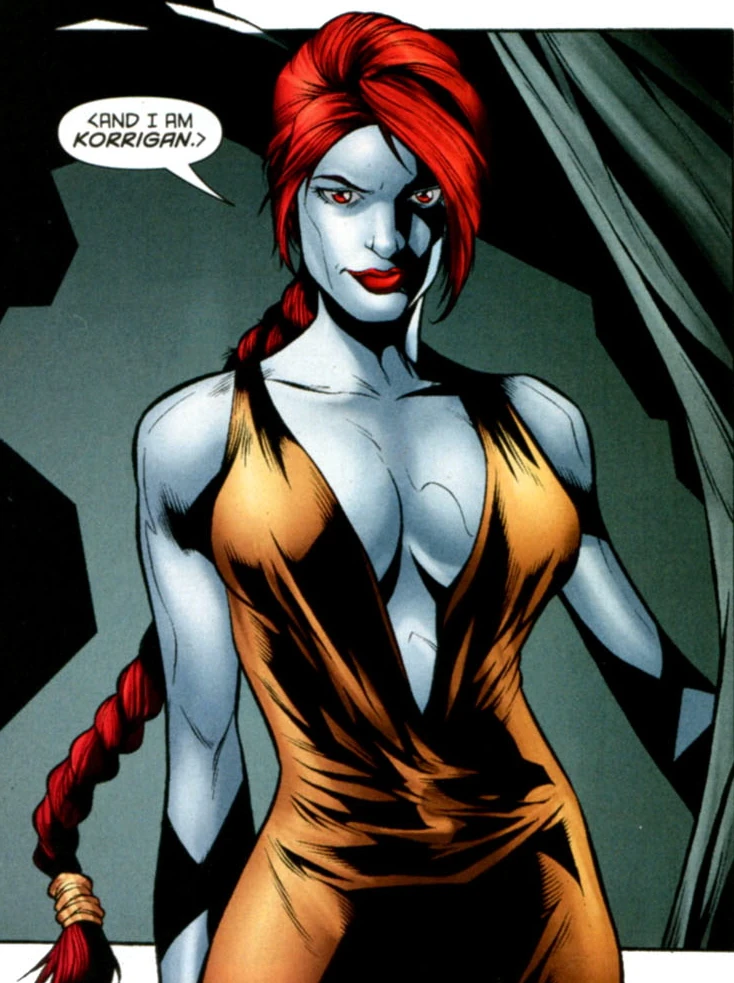
One of the best-known Breton traditions describes Korrigans as possessing two distinct forms. During the night they appear as youthful, radiant maidens, while daylight reveals them as aged women with wrinkled skin and glowing red eyes. Other regional traditions instead depict them as small dwarf-like spirits, illustrating the diversity of Breton folklore.
Korrigans are inseparable from the landscape they inhabit. Ancient wells, rivers, fountains, forests, standing stones, and dolmens frequently serve as their homes, reinforcing their role as guardians of sacred places where the human and supernatural worlds meet.
Mythological Context
Korrigans belong to the rich tradition of Breton fairy lore, which blends ancient Celtic beliefs with centuries of local storytelling. They occupy a liminal space between benevolent nature spirits and dangerous supernatural beings. While they occasionally reward respectful visitors or offer supernatural knowledge, they are equally capable of punishing arrogance, greed, or disrespect toward sacred places.
Many legends portray them as protectors of springs and fountains believed to possess magical or healing properties. Travellers who encountered Korrigans were expected to show humility and courtesy, as offending them could lead to curses, enchantment, or becoming hopelessly lost. Their stories reflect the Breton belief that nature should be respected rather than dominated.
Origins
The exact origins of the Korrigan remain uncertain, though they likely evolved from pre-Christian Celtic traditions centered on nature spirits and sacred landscapes. Their close association with springs, forests, and ancient stone monuments suggests that they may preserve memories of older religious beliefs that once flourished throughout Brittany.
Later Breton folklore introduced another interpretation, proposing that Korrigans were the spirits of pagan priestesses or druidesses who refused to embrace Christianity. Although this explanation became popular through nineteenth-century folklore collections, it is not universally accepted and appears only in some later traditions rather than the earliest legends.
Notable Members
Unlike many mythological races, Korrigans rarely possess individually named members. Breton folklore typically treats them as a collective of supernatural beings rather than focusing on specific personalities. Individual Korrigans occasionally appear in local legends, usually as unnamed guardians of a particular spring, forest, or megalithic site.
Some regional traditions mention queens or noble leaders who govern hidden communities of Korrigans, but these figures vary considerably between local tales and are not part of a standardized Breton mythology. Their anonymity reinforces the mysterious and elusive nature of the race as a whole.
Relationship with Other Beings
Korrigans maintain an uneasy relationship with both humans and the supernatural world. They are fascinated by mortals and frequently interact with them, sometimes offering gifts, prophecy, or guidance. However, these encounters often come with hidden conditions, and those who fall under a Korrigan’s enchantment may suffer misfortune or even death.
Many later legends also portray Korrigans as hostile toward Christian priests, churches, and sacred symbols, reflecting the cultural transition from older Celtic traditions to Christianity in Brittany. At the same time, they coexist with other supernatural beings of Breton folklore, sharing the enchanted landscapes inhabited by fairies, spirits, and magical creatures.
Similar Beings
Korrigans share many characteristics with other fairy-like beings found throughout Celtic and European folklore. They closely resemble the Aos Sí of Irish mythology and the Tylwyth Teg of Welsh tradition, both of whom inhabit hidden realms and interact unpredictably with humans. They also bear similarities to Scottish fairies, Germanic elves, and various European water spirits that dwell near springs and rivers.
Within Breton folklore itself, Korrigans are often associated with creatures such as the Korred, Korrig, and Teuz, which sometimes represent regional variations rather than entirely separate beings. Although each tradition has its own distinctive features, they all share strong ties to nature, magic, and the supernatural.
Symbolism and Interpretations
Korrigans represent the unpredictable forces of nature and the belief that beauty and danger often exist side by side. Their enchanting appearance contrasts with their capacity for deception, serving as a reminder that outward appearances cannot always be trusted. Stories about Korrigans frequently explore themes of temptation, respect for sacred places, and the consequences of human pride.
Modern scholars often interpret Korrigans as surviving echoes of pre-Christian Celtic beliefs that were gradually reshaped by medieval Christianity. Contemporary literature has also reimagined them as symbols of feminine independence, mystery, and the enduring resilience of Breton cultural identity.
Modern Influence
Korrigans remain among the best-known figures in Breton folklore and continue to inspire artists, writers, musicians, and filmmakers. They appear in novels, comics, fantasy games, films, and television, where they are often portrayed as magical beings balancing beauty with danger. Their distinctive place within Celtic mythology has ensured their popularity far beyond Brittany.
Within Brittany itself, Korrigans continue to feature in folklore festivals, museum exhibitions, tourism, and cultural events celebrating the region’s Celtic heritage, including the Festival Interceltique de Lorient. Through both traditional storytelling and modern media, the Korrigan remains a lasting symbol of Breton mythology and the enduring fascination with the supernatural.
Related Images
Sources
Briggs, K. M. (n.d.). Korrigan. Encyclopedia.com. https://www.encyclopedia.com/history/encyclopedias-almanacs-transcripts-and-maps/korrigan
Myths & Legends. (n.d.). Korrigan. https://mythslegendes.com/en/breton-mythology/miscellaneous-breton-mythology/korrigan/
Wikipedia contributors. (2025). Korrigan. Wikipedia. https://en.wikipedia.org/wiki/Korrigan
World History Encyclopedia. (n.d.). Celtic religion. https://www.worldhistory.org/Celtic_Religion/
Briggs, K. M. (1976). An encyclopedia of fairies: Hobgoblins, brownies, bogies, and other supernatural creatures. Pantheon Books.
Le Braz, A. (1901). The land of pardons (F. M. Atkinson, Trans.). Methuen & Co.
MacKillop, J. (2004). A dictionary of Celtic mythology. Oxford University Press.
Guyonvarc’h, C.-J. (1986). Survival of Celtic mythological traditions in Breton folklore. Études Celtiques, 23, 285–301.
Frequently Asked Questions
What is a Korrigan in Breton mythology?
A Korrigan is a magical fairy-like spirit from Breton folklore, known for its beauty, enchanting songs, supernatural powers, and connection to sacred springs, forests, and ancient sites.
Are Korrigans good or evil?
Korrigans are neither purely good nor evil. They can reward respectful people but often trick, curse, or punish those who disrespect nature or fall for their enchantments.
Where do Korrigans live?
According to Breton folklore, Korrigans live near springs, wells, rivers, forests, caves, and ancient megaliths, where they guard sacred places and hidden treasures.
What powers do Korrigans have?
Korrigans possess magical abilities such as shape-shifting, prophecy, enchantment, illusion, and spellcasting. They are also known for luring humans with their beauty and songs.
Are Korrigans similar to fairies?
Yes. Korrigans are often considered Breton fairies and share traits with the Irish Aos Sí and Welsh Tylwyth Teg, though they are typically more mischievous and dangerous.


