

Gods of Death and the Keepers of Realms Beyond Life
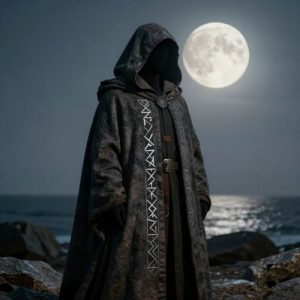
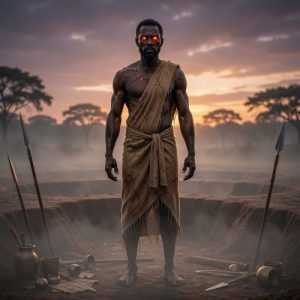
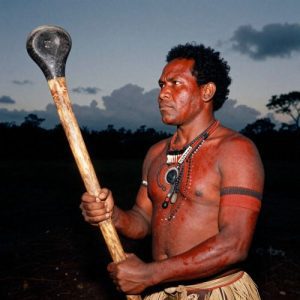
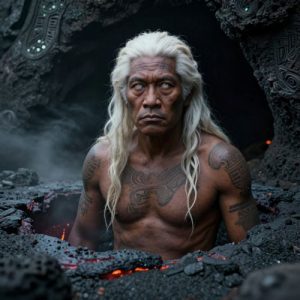
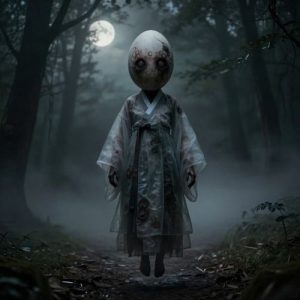
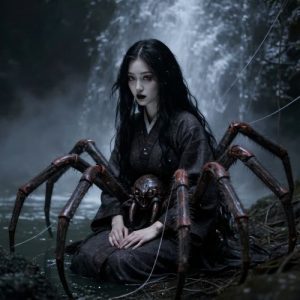
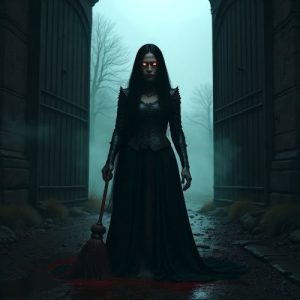
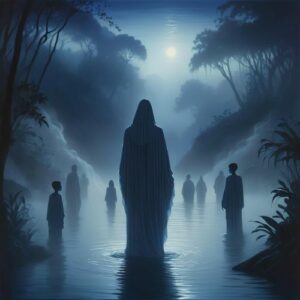
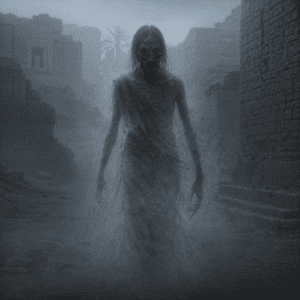
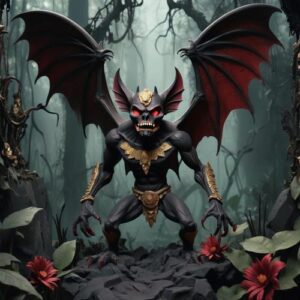
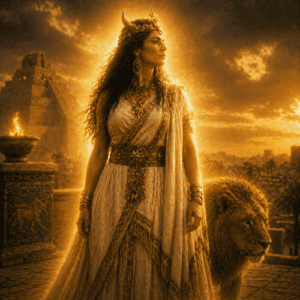
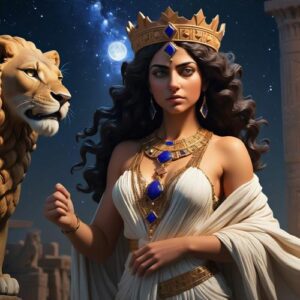
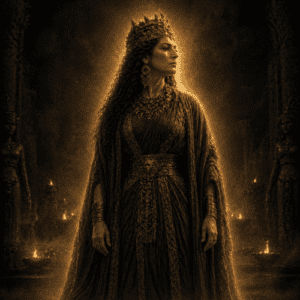
Death has never been viewed as a simple ending in human belief systems. Across cultures, it is understood as a transition, a judgment, or a journey into another realm. The Gods of Death and underworld rulers found in ancient traditions reflect humanity’s need to explain what lies beyond life. Alongside them stand psychopomps, divine or supernatural guides who escort souls from the living world to the realms beyond.
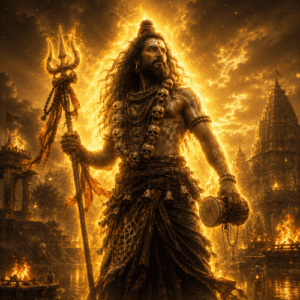
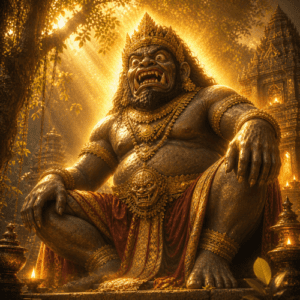
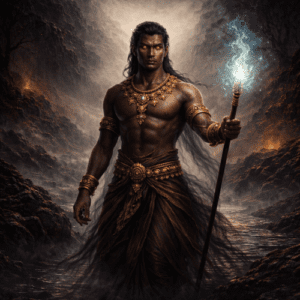
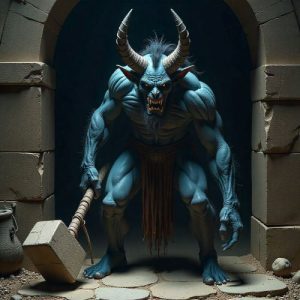
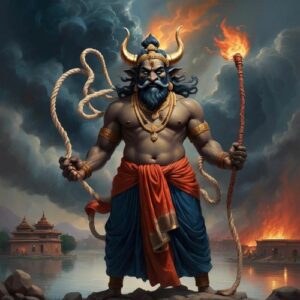
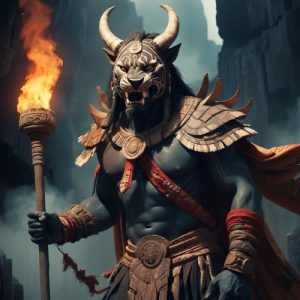
In Indian belief, Yama is the supreme authority over death and moral order. He is not a destroyer, but a judge who determines the fate of souls based on their actions. Yama’s role presents death as a lawful transition rather than chaos, reinforcing the idea that life and afterlife are bound by cosmic balance.
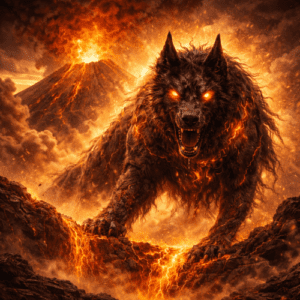
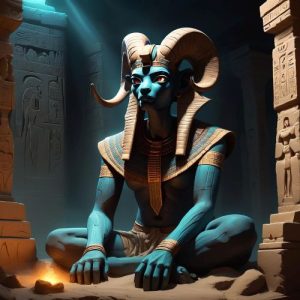
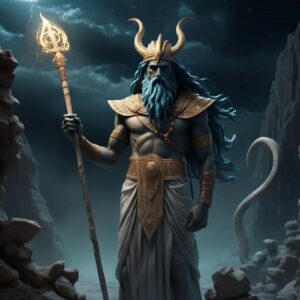
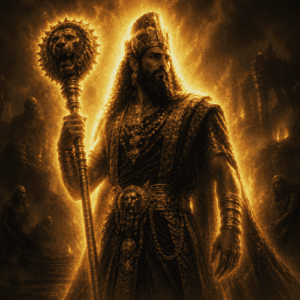
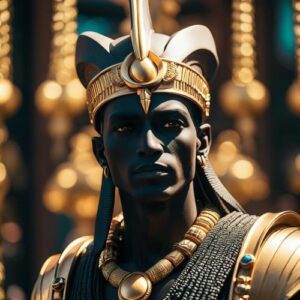
Ancient Egyptian traditions place death at the centre of resurrection and continuity. Osiris, ruler of the underworld, embodies renewal after death. His realm is not a place of punishment alone but one of rebirth and eternal life. Guiding souls through this passage is Anubis, the jackal-headed deity who oversees mummification and escorts the dead to judgment, ensuring the soul’s safe passage.
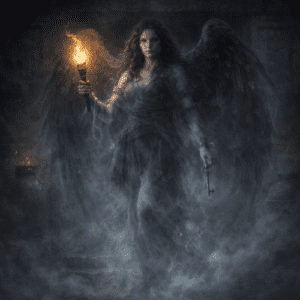
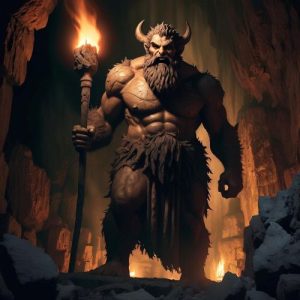
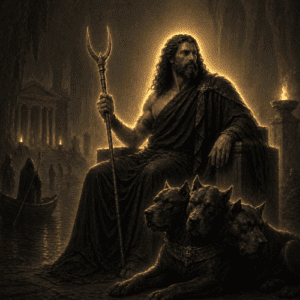
Greek traditions draw a sharp boundary between life and death through Hades, the ruler of the underworld. Often misunderstood as malevolent, Hades governs with strict order, maintaining balance between realms. Alongside him is Thanatos, the calm embodiment of death itself, representing a peaceful and inevitable end rather than violence.
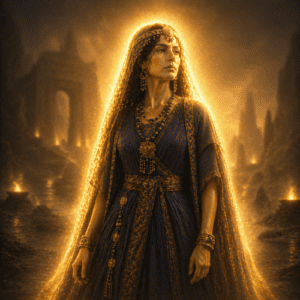
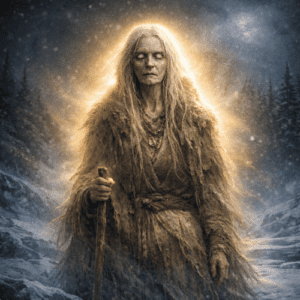
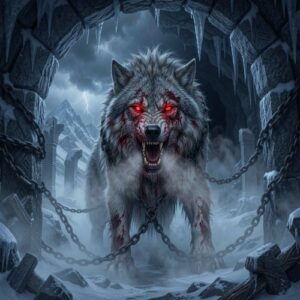
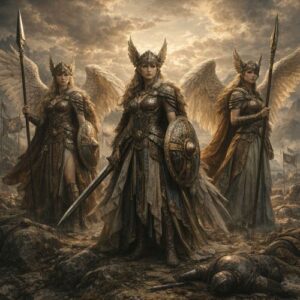
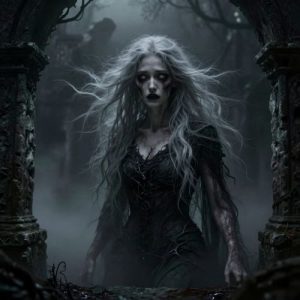
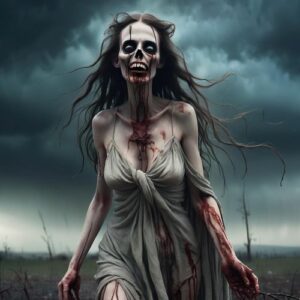
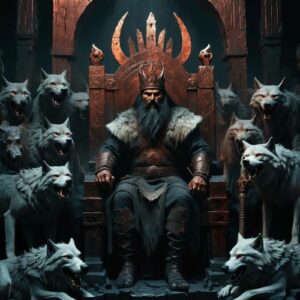
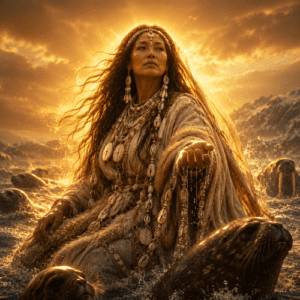
In Norse belief, death is shaped by destiny and honour. Hel rules over those who die of illness or old age, presiding over a cold but orderly realm. Her domain reflects the Norse understanding that not all deaths are heroic, yet all are part of the cosmic design.
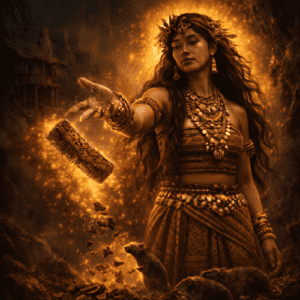
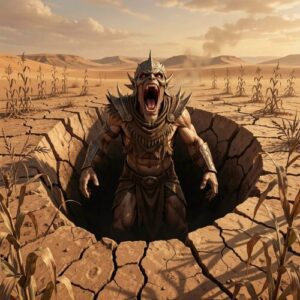
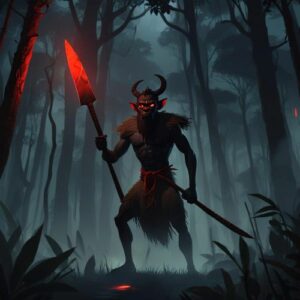
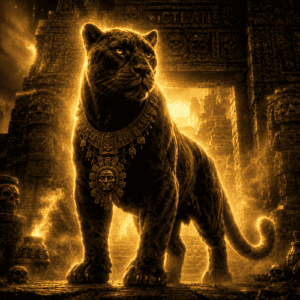
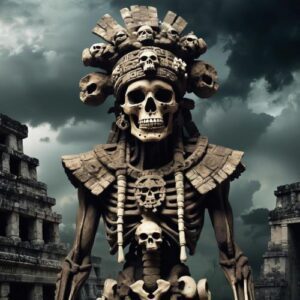
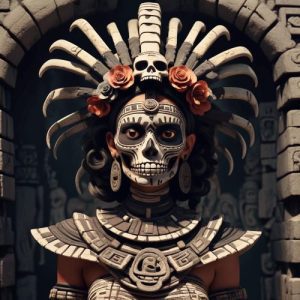
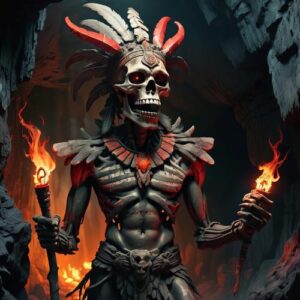
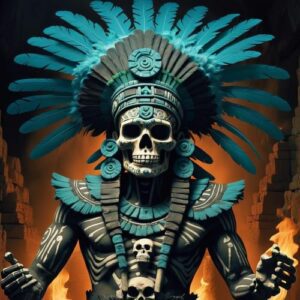
Mesoamerican cultures viewed death as cyclical and necessary. Mictlantecuhtli governs the underworld where souls must pass through trials before reaching rest. Death here is neither punishment nor reward, but a natural phase of existence.
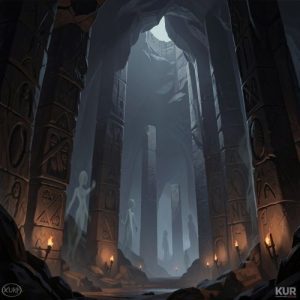
Together, the Gods of Death and psychopomps reveal a shared truth across cultures: death is not an end, but a threshold. Whether as judges, guardians, or guides, these figures transform fear into structure, offering meaning to humanity’s most profound mystery and shaping how civilisations understand life beyond the final breath.