


Sinonggol : The Bringer of Mortality in Philippine Lore
At a glance
| Description | |
|---|---|
| Origin | Philippine Mythology |
| Classification | Gods |
| Family Members | Sualla (Brother) |
| Region | Philippine |
| Associated With | Mortality, Decay, Hunger |
The Mythlok Perspective
In Mythlok’s Perspective, Sinonggol represents a universal archetype of necessary destruction that completes creation. She mirrors figures like Hel from Norse traditions and Hades from Greek lore, both rulers of the dead who maintain cosmic balance rather than embody pure evil. Much like Kali in Indian traditions, her role may appear destructive, but it ultimately sustains the cycle of existence. Sinonggol reminds us that without decay, renewal cannot exist, making her an essential force rather than a villain.
Sinonggol
Introduction
Sinonggol is a compelling and complex figure from the oral traditions of the Tiruray (Teduray) people of Mindanao in Philippines. She appears in creation narratives as the sister of Sualla, a powerful sky god who shaped an abundant and harmonious world. While Sualla’s creations were initially perfect and immortal, Sinonggol intervened in ways that transformed this ideal state into the imperfect reality humans now experience.
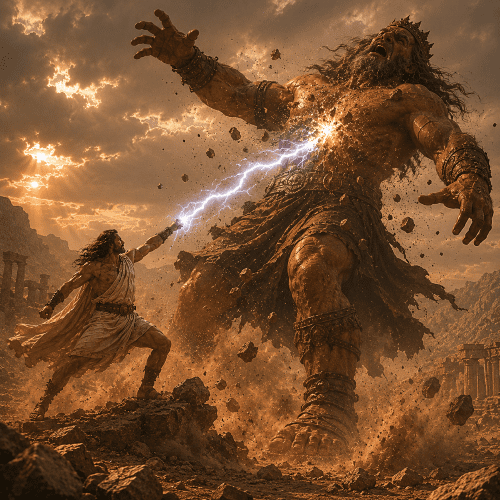
Her story is deeply tied to themes of jealousy, balance, and cosmic necessity. Rather than being purely evil, Sinonggol represents a disruptive but essential force that introduces mortality, decay, and hardship into existence. Through her actions, the Tiruray people explain why crops fail, why pests exist, and why all living beings must eventually die. In this sense, Sinonggol is not just a mythological antagonist but a foundational figure who completes the cycle of life and death.
Physical Traits
Unlike many mythological beings whose appearances are vividly described, Sinonggol’s physical form remains largely undefined in surviving Tiruray narratives. The absence of detailed imagery suggests that her identity is rooted more in her actions and symbolic role than in physical characteristics.
She is generally imagined as a powerful female entity dwelling in Bonggo, the realm of the dead. Some interpretations portray her as imposing or fearsome, but these descriptions are not standardized across sources. Instead, her defining “traits” are the objects she uses—such as her comb and betel nut chew—which become instruments of transformation. This reinforces the idea that Sinonggol is less about appearance and more about influence and consequence.
Family
Sinonggol’s only clearly identified familial connection is her relationship with her brother, Sualla. This sibling dynamic is central to the myth and represents a deeper philosophical contrast. Sualla resides in the sky and is associated with creation, growth, and abundance. He cultivates the earth and brings forth life, even causing crops to grow from the buried body of a child named Mentalalan in some versions of the story. Sinonggol, on the other hand, resides in Bonggo, the underworld or kingdom of the dead. Her domain is not creation but transformation through decay.
Together, they form a dualistic system. Sualla represents life without end, while Sinonggol ensures that life has limits. There are no widely recorded accounts of additional family members, which emphasizes the symbolic weight of this single relationship.
Other names
There are no widely documented alternate names for Sinonggol in recorded Tiruray mythology. Her identity appears consistent across oral traditions, which is notable given how many mythological figures evolve different names across regions.
It is important not to confuse Sinonggol with similarly named figures from other Philippine traditions, such as Sinogo from Visayan mythology. Sinonggol remains a distinct character tied specifically to Tiruray cosmology and should be understood within that cultural context.
Powers and Abilities
Sinonggol’s power lies in transformation—specifically, transformation that introduces imbalance into a previously perfect world. Her abilities are not random acts of destruction but deliberate interventions that reshape existence.
One of the most well-known aspects of her story is how she creates the first destructive animals. When she throws her comb to the earth, it transforms into a wild boar, an animal that destroys crops. In another act, she spits out her buyo, or betel nut chew, which becomes the first rats—creatures that consume stored grains like rice and corn. These transformations introduce scarcity and struggle into human life.
Beyond these acts, Sinonggol is also associated with the origin of mortality itself. In many interpretations, she disrupts Sualla’s immortal design because she desires companionship in Bonggo. By ensuring that living beings eventually die, she populates her own realm. This motivation adds psychological depth to her character, portraying her not just as destructive but as driven by loneliness and desire.
Her powers therefore extend beyond physical transformation. She alters the very structure of existence, ensuring that life is cyclical rather than eternal. Hunger, decay, and death all become part of the human condition because of her influence.
Modern Day Influence
Sinonggol remains a lesser-known figure outside academic and regional circles, especially when compared to more widely recognized Philippine entities like the Aswang. However, her importance within Tiruray culture is significant.
Her story continues to survive through oral tradition, particularly among indigenous communities in Mindanao. These narratives preserve not just mythology but also cultural identity, explaining natural phenomena and human experiences through symbolic storytelling. The myth of Sinonggol provides insight into how the Tiruray people understand the balance between life and death, abundance and scarcity.
Scholars such as Maximo Ramos and Ferdinand Blumentritt have documented Philippine folklore extensively, helping preserve figures like Sinonggol for future generations. Despite this, she has not yet gained significant representation in modern media, games, or films.
That said, her narrative holds strong potential for reinterpretation. In an age where audiences are drawn to morally complex characters, Sinonggol’s story offers a nuanced perspective on creation, destruction, and necessity. She embodies the idea that not all forces that cause suffering are inherently evil; some are essential for maintaining balance.
Related Images




Source
Ramos, M. D. (1991). Tales of long ago in the Philippines. Phoenix Publishing.
Miller, J. M. (1904). Philippine folklore stories. Sacred Texts. https://sacred-texts.com/asia/pfs/pfs11.htm
Aswang Project. (2022, June 2). Kingdom of the dead: Tiruray creation myth. https://www.aswangproject.com/tiruray-creation-myth/
Wikipedia. (2005, February 3). Philippine mythology. https://en.wikipedia.org/wiki/Philippine_mythology
Aswang Project. (2022, June 2). A compendium of creatures from Philippine folklore & mythology. https://www.aswangproject.com/creatures-mythical-beings-philippine-folklore-mythology/
Kulturang Noypi. (2020, April 26). Geography in Philippine folklore. https://kulturang-noypi.blogspot.com/2020/04/geography-in-philippine-folklore.html
Vizayan Myths. (2013, May 9). Chapter 2: Creation myths – Visayan mythologies of the Philippines. http://vizayanmyths.blogspot.com/2013/05/philippines-cosmogonic-myths.html
Aswang Project. (2022, June 2). Visayan folklore | The great battle of mythical creatures. https://www.aswangproject.com/visayan-battle-of-mythical-creatures/
Demetrio, F. R. (1992). The Soul Book: Philippine Shamanism, Spirituality, and Folklore. Quezon City: GCF Books.
Eugenio, D. L. (1993). Philippine Folk Literature: An Anthology. Quezon City: University of the Philippines Press.
Jocano, F. L. (1969). Philippine Mythology and Folklore. Quezon City: Capitol Publishing House.
Frequently Asked Questions
Who is Sinonggol in Philippine mythology?
What did Sinonggol create?
She created the first boar and rats, which destroy crops and symbolize scarcity and imbalance in human life.
Why did Sinonggol introduce death?
She desired companionship in the underworld, leading her to make all living beings mortal.
Where does Sinonggol live?
She resides in Bonggo, the Tiruray realm of the dead.
Is Sinonggol considered evil?
Not entirely; she represents necessary balance, ensuring life follows a natural cycle of birth and death.


