Immortals in Ancient Civilizations and Sacred Traditions
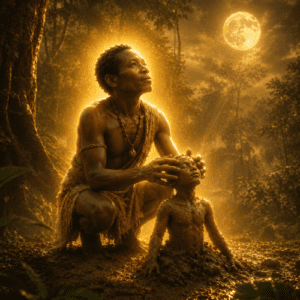
Immortals occupy one of mythology’s most intriguing categories: beings who exist beyond the ordinary limits of human life. Some are gods who naturally possess eternal existence, while others are mortals who receive immortality as a divine gift, escape death through supernatural means, or become permanently transformed. Their stories explore the boundaries between mortality and divinity and often ask what it means to live beyond the natural span of a human life.
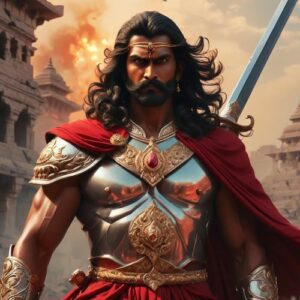
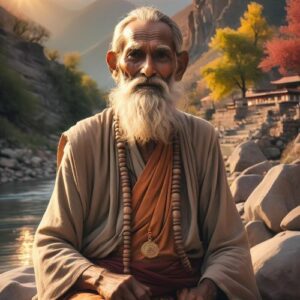
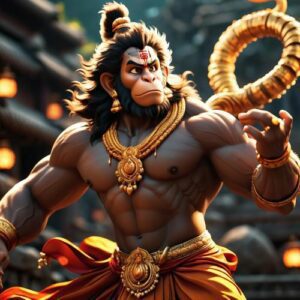
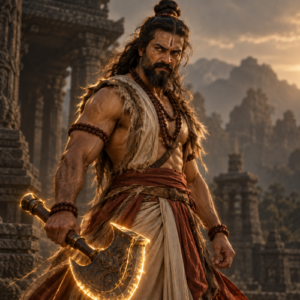
In Hindu traditions, several legendary figures are described as Chiranjeevis, beings who continue to live across the ages. Hanuman is perhaps the most widely recognized, blessed with enduring life and continuing presence in the world. Ashwatthama, cursed to wander the Earth, represents a darker form of immortality in which endless existence becomes punishment rather than reward. Vibhishana, associated with righteousness and the preservation of dharma, is also traditionally counted among the Chiranjeevis. These figures demonstrate that immortality can be a blessing, a duty, or a curse depending on the circumstances surrounding it.
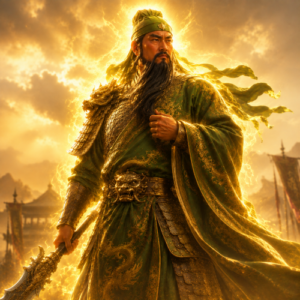
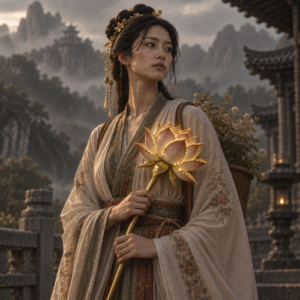
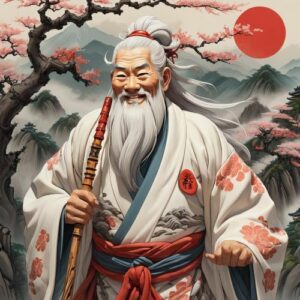
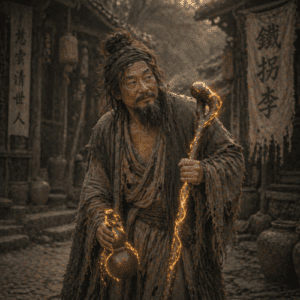
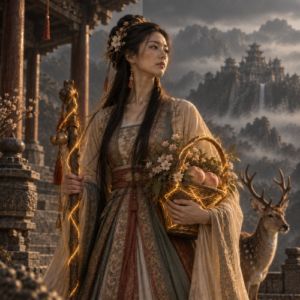
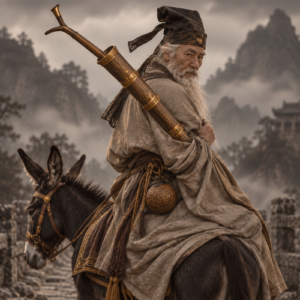
Chinese mythology and religious tradition offer a very different vision through the Eight Immortals, a group of legendary beings who attained supernatural longevity or immortality. Figures such as Lü Dongbin, He Xiangu, Zhang Guolao, and Li Tieguai are portrayed with distinctive personalities, histories, and magical attributes. Unlike a single divine pantheon, the Eight Immortals represent a varied collection of individuals whose extraordinary lives and spiritual attainments carried them beyond ordinary mortality.
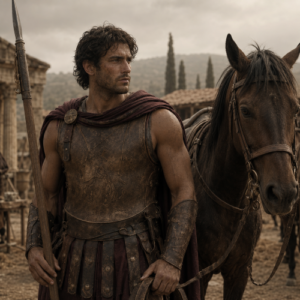
Greek mythology contains numerous stories involving attempts to overcome death. Tithonus, granted immortality by the gods, provides one of mythology’s most memorable warnings about the difference between eternal life and eternal youth. He continues to age after receiving immortality, eventually becoming a helpless old figure. His story exposes the fundamental tension at the heart of the immortal archetype: endless life is not necessarily the same as endless vitality.
Other Greek traditions contain beings who exist outside ordinary mortality through divine nature, transformation, or special circumstances. Similar stories appear throughout world mythology, where heroes may be elevated among the stars, warriors may be granted perpetual life, or supernatural beings may inhabit the world indefinitely.
Immortality can also be connected with sacred substances and divine knowledge. The Hindu amrita, the nectar of immortality, and the Chinese search for elixirs of life reflect a recurring mythological fascination with substances capable of defeating death. In these traditions, immortality becomes something that can potentially be acquired rather than merely inherited.
The immortal figure therefore takes many forms. Some remain young forever, others continue living while aging, some are physically indestructible, and others survive through supernatural transformation or divine blessing. Their stories can celebrate transcendence while simultaneously questioning its consequences.
From Hanuman and the Chiranjeevis to the Eight Immortals and the tragic Tithonus, these figures reveal a recurring human fascination with the possibility of escaping mortality. Mythology rarely treats immortality as simple eternal happiness; instead, it explores what happens when a being crosses the boundary that separates a human life from eternity.