

Masauwu : The Hopi Guardian of Death and Fire
Listen
At a glance
| Description | |
|---|---|
| Origin | Hopi Mythology |
| Classification | Gods |
| Family Members | Tawa (Father) |
| Region | United States of America |
| Associated With | Dead, Underworld, Fire |
Mythlok Perspective
From the Mythlok perspective, Masauwu embodies death not as an ending but as the threshold of wisdom and continuity, a guardian whose fire illuminates life’s deepest uncertainties rather than extinguishes them. His skeletal form signifies both vulnerability and resilience, a reminder that the most potent truths often wear the guise of what we most fear. When compared cross-culturally, Masauwu resonates with the Celtic Cailleach and the Yoruba deity Oya, yet diverges in moral focus. Where Cailleach governs seasonal death and rebirth and Oya commands transformation’s winds, Masauwu presides over the moral ecology of human life and the afterlife, teaching that fertile soil and fertile spirit emerge from the same fire. This contrast highlights a Hopi worldview in which mortality is an instructive path, not an adversary to be defeated.
Masauwu
Introduction
In Hopi mythology, the figure known as Skeleton Man or Masauwu holds the title of Lord of the Dead. In a significant tale, he emerges as a cultural hero imparting crucial lessons about agriculture to the people. Simultaneously, he embodies the archetype of a trickster, known for playfully pursuing women.
Despite the potentially unsettling nature of his appearance, the skeleton man has become an intriguing character due to a collection of scandalous and humorous stories surrounding him. Contrary to initial impressions, he is considered a benevolent companion to humans, entrusted with the responsibility of safeguarding the Hopi people in their afterlife.
Physical Traits
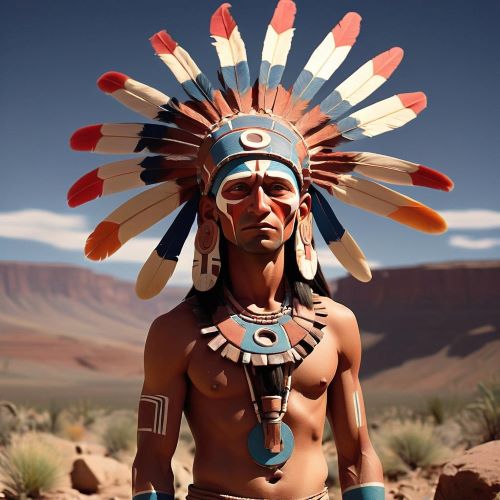
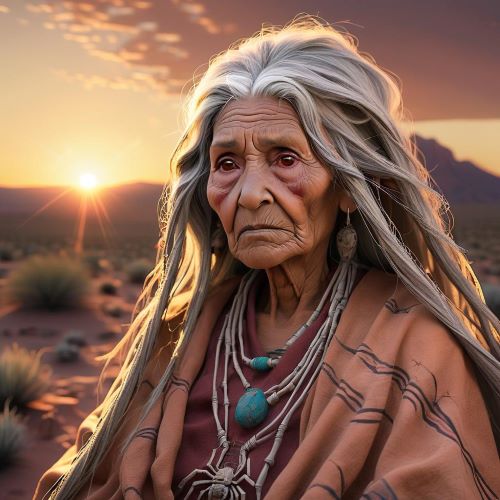
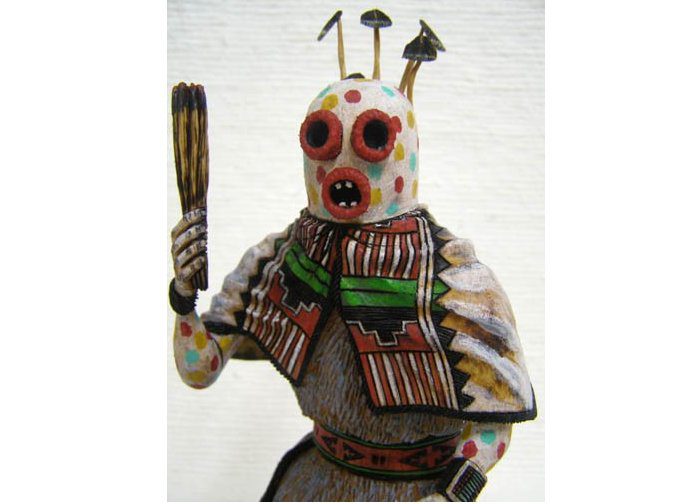
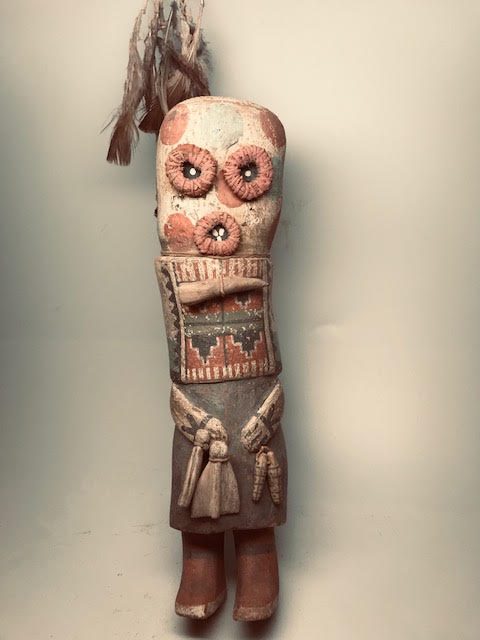
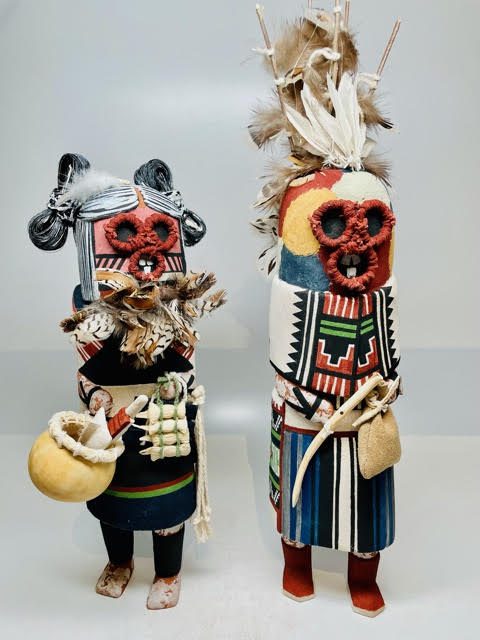
Masauwu, characterized as both hideous and endowed with favorable attributes, stands as a testament to the diverse myths that abound among the Hopi people. Depictions of Masauwu range from a fearsome creature to a handsome man concealed beneath his mask.
Family
In some stories, Tawa the Sun God is considered to be the father of Masauwu.
Other names
Masauwu is also known as the Skeleton Man, Masau’u, Maasawi, Masawu, Maasaw, Masaaw, Masauwu, Masaw, Masao or Mosau’u.
Powers and Abilities
Masauwu, a formidable entity, serves as the guardian of fire and the Spirit of Death, holding dominion over the Upper World and aiding the virtuous in escaping the malevolent Third World. As the ruler of Earth’s surface, he commands authority over the underworld, fire, and death. Legend has it that Masauwu played a pivotal role in establishing the Hopi at the ancient city of Oraibi, and he bears the responsibility of shielding the people from the impending arrival of the Lost White Brother.
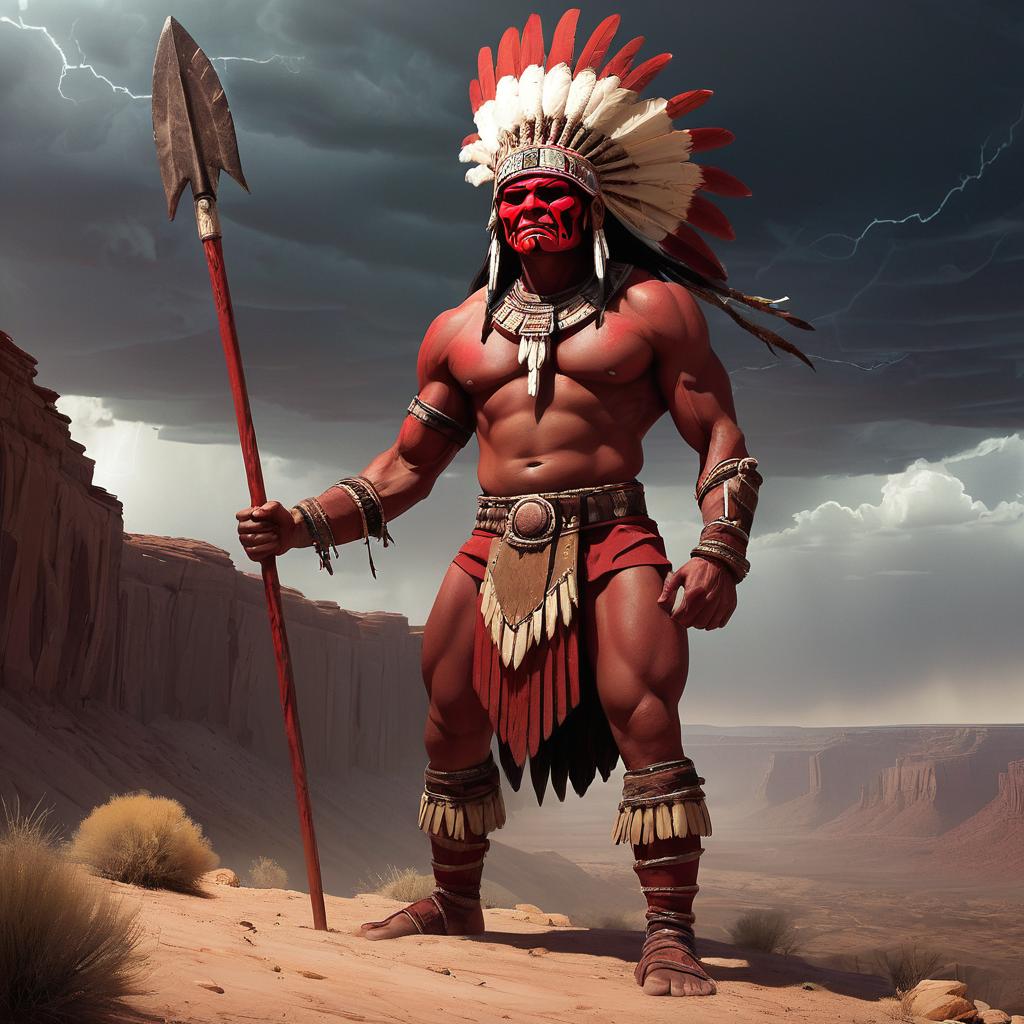
Both the Hopi world and the underworld are under Masauwu’s domain. He presents a fearsome figure donning a bloody, bald mask, preventing direct gazes upon his face. According to Hopi beliefs, beneath the mask lies a handsome man with long black hair and a dark complexion, further enhancing his stature as a formidable giant.
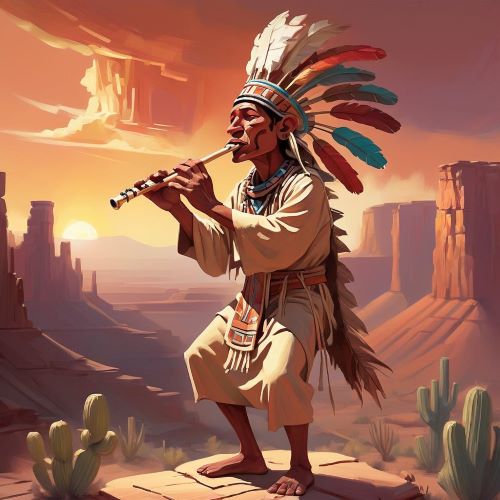
In the underworld, Masauwu’s footprints serve as an ominous sign for the Hopi, signaling that something is amiss. Now, instead of walking at night, he brandishes a flaming torch during his rounds. Continuously circling the world, Masauwu carries the burning torch, perpetually illuminating his path.
Modern Day Influence
The figure known as the skeleton man, or Maasaw, imparted lessons to the Hopi people on leading a simple life. Demonstrating virtue, he frequently presented symbolic items like seeds, water, a gourd, and a cloak. By committing to proper agricultural practices, the people were assured by Masauwu a smooth transition into the afterlife.
At the core of Hopi traditions is a focus on kindness and assistance toward others. Masauwu, often perceived as an imposing force, serves as a positive example for living a lengthy and contented life. Aligned with the Hopi belief that death is essential for survival, akin to the role of hunters, it also involves the safeguarding of animal spirits. During times of war and illness, Masauwu is invoked to aid in transporting the spirits of the departed to and from the fourth world.
Related Images
Sources
Britannica Editors. (n.d.). Masauwu. Encyclopaedia Britannica. https://www.britannica.com/topic/Masauwu
Hopi Cultural Preservation Office. (n.d.). Hopi spiritual beliefs and deities. https://www.hopi-nsn.gov/hopi-cultural-preservation/
Native Languages of the Americas. (n.d.). Masauwu (Hopi mythology). https://www.native-languages.org/masauwu.htm
Smithsonian National Museum of the American Indian. (n.d.). Hopi religion and worldview. https://americanindian.si.edu/nk360/hopi
Courlander, H. (1982). The fourth world of the Hopis. University of New Mexico Press.
Malotki, E. (1983). Hopi time: A linguistic analysis of the temporal concepts in the Hopi language. Mouton.
Waters, F. (1963). Book of the Hopi. Penguin Books.
Eggan, F. (1950). Social organization of the Western Pueblos. University of Chicago Publications in Anthropology, 42, 1–238.
Watch
Frequently Asked Questions
Who is Masauwu in Hopi belief?
Masauwu is the Hopi god of death, fire, and the underworld, regarded as the caretaker of the earth and guardian of moral order.
Is Masauwu an evil deity?
No. Despite his frightening appearance, Masauwu is considered a just and protective figure who teaches humility, balance, and responsibility.
Why does Masauwu appear as a skeleton?
His skeletal form symbolizes impermanence and honesty, reminding humans of mortality and the necessity of living in balance with the land.
What is Masauwu’s role in Hopi cosmology?
He governs the underworld, protects sacred fire, oversees transitions between worlds, and instructs humanity in ethical living.
Does Masauwu appear in Hopi ceremonies?
Yes. Masauwu appears in ceremonial narratives and teachings, often acting as a moral guide rather than a figure of worship.