
Native American Tribe Real Names Reveal a Different America
When people speak about Native American tribes today, the names most commonly used are often the ones recorded by European explorers, colonial administrators, or later historians. These labels became standard through maps, treaties, and textbooks, yet many of them are not the names Indigenous nations originally used for themselves. In fact, several well-known tribal names are translations, misunderstandings, or even descriptions given by rival groups. Exploring Native American tribe real names opens a doorway into how identity, language, and worldview were reshaped through colonial contact, and why reclaiming original names continues to matter.
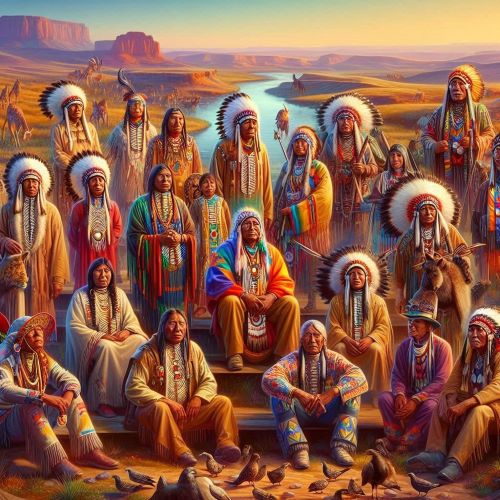
Across North America, Indigenous nations traditionally identified themselves using words that meant “the people,” “the true people,” or “those who belong here.” These self-names reflected relationships to land, ancestors, and spiritual responsibility rather than political borders. Understanding these real names allows us to see Native American history not as a collection of tribes defined from the outside, but as living cultures that named themselves long before outsiders arrived.
Why Many Tribal Names Are Not Original
The majority of commonly known tribal names entered written history through European languages. Explorers and missionaries often recorded what neighboring tribes called each other, rather than asking how a people identified themselves. In some cases, the recorded name described a physical trait, geographic location, or even an insult. Over time, these labels became fixed in official usage.
For Indigenous communities, names were not static labels. They shifted with migration, alliances, and oral tradition. A nation might refer to itself differently in ceremonial contexts than in daily speech. Colonial record-keeping froze these dynamic identities into simplified categories, creating a gap between how Native American tribes were known publicly and how they understood themselves internally.
The People Called “The People”
One striking pattern across Indigenous North America is the widespread use of self-names that translate simply to “the people.” This was not an expression of exclusion, but a statement of belonging. Identity was grounded in kinship and place rather than opposition.
The group widely known as the Navajo call themselves Diné, meaning “the people.” The external name “Navajo” likely originated from a Spanish term describing cultivated fields, not from the Diné language itself. Similarly, the Apache identify as Ndee or Inde, also translating to “the people,” while “Apache” derives from a Zuni word meaning “enemy.”
Among the Sioux, the name most people recognize actually comes from an abbreviated French version of an Ojibwe term that meant “little snakes,” used in a hostile context. Internally, these nations identify as Dakota, Lakota, or Nakota, terms connected to alliance, friendship, and shared speech rather than conflict.
Names Rooted in Land and Language
Many Native American tribe real names are deeply tied to geography. They encode rivers, mountains, forests, and animals central to survival and spirituality. These names functioned as living maps, carrying environmental knowledge through language.
The Cherokee call themselves Aniyvwiya, often translated as “the principal people.” The English name “Cherokee” may come from a Creek word or a Spanish interpretation, but neither reflects the internal understanding of identity. Likewise, the Comanche identify as Numinu, meaning “the people,” while the commonly used name originates from a Ute term describing them as adversaries.
The Iroquois Confederacy, another widely used label, is an external construction. The nations within it refer to themselves collectively as Haudenosaunee, meaning “people of the longhouse.” This name reflects social structure, diplomacy, and shared political philosophy rather than ethnicity alone.
When Names Become Acts of Survival
For centuries, Indigenous self-names were excluded from legal documents, education systems, and public discourse. Treaties were signed using colonial names, and Indigenous languages were actively suppressed. As a result, many Native communities grew up hearing external labels more often than their own names.
Today, there is a renewed emphasis on restoring original names as acts of cultural survival. Using real names is not merely linguistic accuracy; it is a way of affirming sovereignty and continuity. Language revitalisation programs across North America now prioritise teaching children the names their ancestors used, reconnecting identity to heritage rather than imposed history.
In some cases, tribes have formally requested that governments and institutions adopt their real names in official contexts. This shift reflects a broader recognition that names carry power. They shape how histories are told and whose voices are centered.
Why Knowing Real Names Matters Today
Learning about Native American tribe real names challenges the simplified narratives often taught about Indigenous history. It reveals a continent of nations that defined themselves long before borders, maps, or colonial classifications existed. These names remind us that Native cultures are not relics of the past but living systems of language, memory, and belief.
For readers, using real names is a step toward respectful engagement. It acknowledges that identity should be defined from within, not assigned from outside. In an era where Indigenous voices are increasingly reclaiming space in media, scholarship, and activism, understanding these names becomes an essential part of listening.
At Mythlok, exploring real names is not about replacing one label with another, but about recognising the deeper story behind every name. Each self-designation carries centuries of worldview, resilience, and belonging. To learn these names is to encounter Native America on its own terms.




No posts were found.