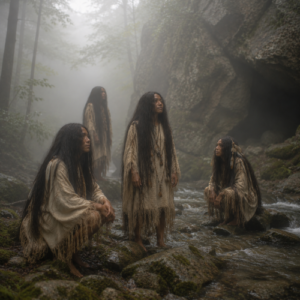
Fairies in Ancient Legends and Sacred Traditions
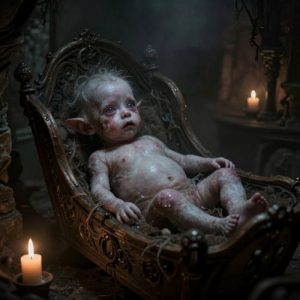
Fairies are among the most enduring supernatural beings in world folklore, inhabiting forests, hills, rivers, homes, crossroads, and mysterious realms beyond the ordinary human world. Although modern fantasy often portrays fairies as tiny winged people, traditional folklore presents a far more varied and sometimes unsettling collection of beings. They may be beautiful or grotesque, benevolent or dangerous, playful or unpredictable, and their relationship with humans can range from friendship and protection to deception and abduction.
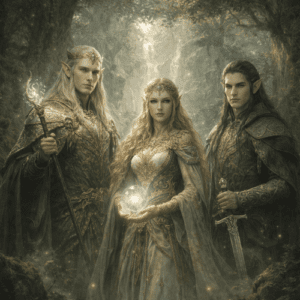
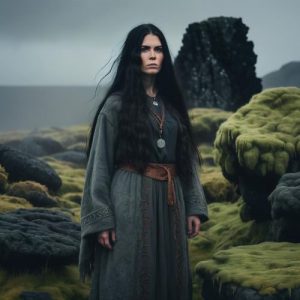
The word fairy is particularly associated with the folklore of the British Isles, where traditions of the fair folk, fae, and supernatural inhabitants of the Otherworld developed over centuries. Irish mythology contains numerous beings associated with the Aos Sí, supernatural inhabitants connected with ancient mounds and the Otherworld. Figures such as Queen Medb and other supernatural beings from Irish tradition are sometimes connected with this wider supernatural landscape, although the Aos Sí should not be treated as a single uniform race of fairies.
Scottish folklore likewise contains diverse fairy traditions. The Seelie Court represents a group of comparatively benevolent fairies, while the Unseelie Court encompasses more dangerous and hostile supernatural beings. These traditions reveal an important characteristic of fairy mythology: the supernatural world does not necessarily operate according to human ideas of good and evil. A fairy may offer assistance one moment and become dangerous when a taboo is violated.
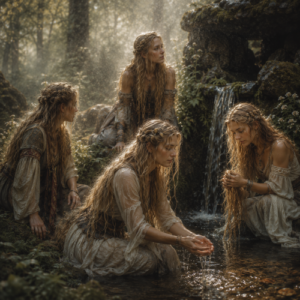
Welsh mythology contains its own supernatural traditions, including the Tylwyth Teg, often translated as the Fair Folk. These mysterious beings were associated with lakes, hills, music, dancing, beauty, and the hidden supernatural world. Stories about them frequently emphasize the difference between human time and the passage of time in the Otherworld.
European folklore also developed numerous related traditions involving nature spirits, household beings, magical women, and supernatural little people. Some later became incorporated into the broad modern category of fairies even though their original cultural identities were distinct. This makes fairies a useful but flexible mythological category rather than a single species with one universal appearance.
Fairy traditions also share recurring themes with supernatural beings from other parts of the world: hidden communities, enchanted landscapes, magical gifts, altered perceptions of time, relationships between humans and spirits, and beings who occupy the boundary between nature and civilization.
The familiar image of the tiny winged fairy therefore represents only one modern interpretation of a much older idea. Traditional fairies could be human-sized, diminutive, beautiful, frightening, solitary, communal, helpful, or hostile. What connects them is their existence beyond ordinary human society and their ability to cross between the familiar world and the mysterious realm of the supernatural.