
Chintamani Stone : The Indian Legendary Wish-Fulfilling Jewel
| Description | |
|---|---|
| Origin | Indian Mythology |
| Classification | Wish-fulfilling gem |
| Owners/Users | Lord Vishnu, Ganesha, Lakshmi; Bodhisattvas like Avalokiteshvara; Himalayan saints/ascetics; mythic kings for righteous rule. |
| Symbolism | Mastery of thought (chinta) for manifestation, Transmutation of ignorance to wisdom. |
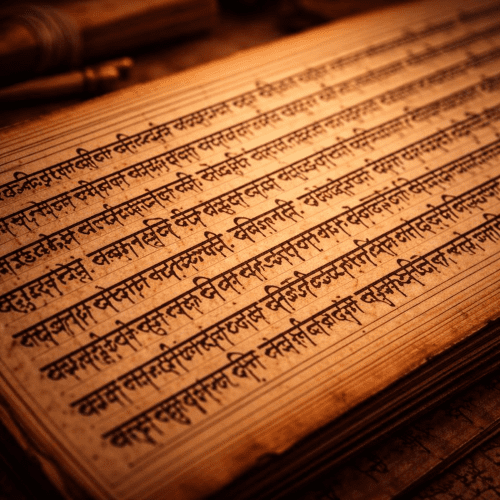
| Source Texts | Padma Purana, Kamba Ramayana; Puranas; Buddhist Jatakas; tantric Hinduism texts; Avalokiteshvara lore |
Mythlok Perspective
In Mythlok’s View, the Chintamani Stone is not a literal object but a symbolic representation of conscious creation. It reflects the same archetype seen in the Philosopher’s Stone of Western alchemy and the Holy Grail of European lore, where transformation begins within. Unlike these parallels, however, the Chintamani places stronger emphasis on mental clarity and intention, aligning closely with Eastern philosophical traditions that prioritize inner evolution over external conquest.
Chintamani Stone
Introduction
The Chintamani Stone is one of the most fascinating legendary artifacts in Indian and Buddhist traditions, often described as a wish-fulfilling jewel that bridges human desire and divine will. The name itself comes from Sanskrit, where “Chintamani” translates to “the jewel that fulfills thoughts,” pointing to its deeper philosophical meaning rather than just material abundance.
Ancient texts across Indian traditions, including Puranic literature and philosophical works like the Yoga Vasistha, describe the Chintamani Stone not merely as a magical object, but as a symbol of the enlightened mind. In many narratives, it appears during cosmic events such as the Samudra Manthan, reinforcing its status as a divine treasure tied to creation itself.
Across cultures, the Chintamani Stone is often compared to the Philosopher’s Stone or the Holy Grail, yet it remains unique in its emphasis on inner transformation rather than external gain. It represents the idea that true fulfillment arises when thought, intention, and spiritual awareness align.
Description
The Chintamani Stone is typically described as a radiant, luminous jewel, often small yet impossibly dense, with an otherworldly glow. Some traditions portray it as a crystal-like gem, while others depict it as a glowing pearl or multifaceted stone radiating subtle light.
In Hindu iconography, it is sometimes associated with divine jewels like the Kaustubha worn by Vishnu, symbolizing authority and cosmic balance. In Buddhist traditions, it appears as a shining orb held by Bodhisattvas, representing compassion and enlightened intention.
Unlike ordinary gemstones, the Chintamani Stone is said to possess shifting qualities. Its appearance may change depending on the observer, reflecting the philosophical idea that reality itself is shaped by perception. Some modern interpretations speculate a meteoric origin, even linking it to materials like moldavite, though such claims remain speculative rather than historically grounded.
More importantly, the stone is believed to resonate with higher consciousness, aligning with concepts like the crown chakra and intuitive awareness. Its glow is not just visual but symbolic of insight, clarity, and awakening.
Mythological Context
The origins of the Chintamani Stone are deeply rooted in Indian cosmology. One of the most prominent narratives places it among the treasures that emerged during the Samudra Manthan, the cosmic churning of the ocean by gods and demons. In this context, it stands alongside divine gifts like Lakshmi and the nectar of immortality.
Other traditions suggest that the stone originally belonged to Indra before falling to Earth, where it became accessible to humanity. In texts like the Yoga Vasistha, it is used as a philosophical metaphor, teaching that the mind itself is the true Chintamani, capable of shaping reality through awareness.
In Buddhist traditions, the Chintamani appears as the “Cintamani,” held by enlightened beings such as Avalokiteshvara. Here, it symbolizes compassion and the ability to alleviate suffering, extending its meaning beyond personal desire to universal welfare.
Owners/Users
The Chintamani Stone is most commonly associated with divine and enlightened beings. In Hindu traditions, it is linked to Vishnu and Ganesha, representing preservation, wisdom, and the removal of obstacles. Lakshmi is also connected to it, reinforcing its association with prosperity and abundance. In Buddhist imagery, Bodhisattvas such as Avalokiteshvara and Ksitigarbha are depicted holding the jewel, emphasizing its role in compassionate action and spiritual liberation.
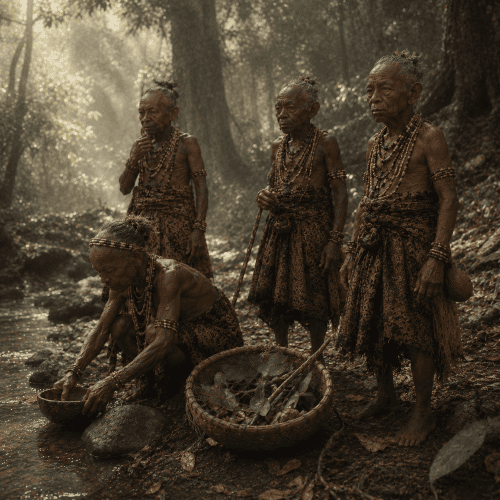
Legends also extend its ownership to enlightened sages and Himalayan ascetics, who are believed to use it discreetly for the benefit of others rather than personal gain. Some historical and esoteric traditions even associate it with figures like Nicholas Roerich, who claimed connections between the stone and the mythical land of Shambhala. In all these cases, the Chintamani Stone is never portrayed as a tool for selfish use. Its rightful holders are always those aligned with higher purpose and ethical responsibility.
Instances of Use
The Chintamani Stone appears in various stories, each illustrating its deeper symbolic power. Its most well-known function is wish fulfillment, but these wishes are often tied to righteousness rather than greed.
In Hindu narratives, it is said to grant prosperity, transform matter, and support divine missions. In some tales, sages use it to demonstrate spiritual truths, such as turning base materials into gold to show the illusion of material value.
In Buddhist stories, the stone is used to purify water, symbolizing the removal of doubt and ignorance. It is also linked to spiritual practices where reciting specific mantras associated with the Cintamani is believed to lead toward enlightenment. Rather than acting as a simple magical object, the stone functions as a narrative device to convey deeper lessons about intention, faith, and transformation.
Symbolism and Interpretations
At its core, the Chintamani Stone represents the power of the mind and the nature of desire. The term itself suggests that thoughts shape reality, aligning closely with philosophical ideas found in yoga and Buddhist teachings.
In Hindu interpretations, it symbolizes the removal of obstacles and the realization of one’s true potential. In Buddhist thought, it represents bodhicitta, the awakened mind driven by compassion and wisdom.
The stone is also linked to the concept of Indra’s Net, where each jewel reflects all others, symbolizing interconnectedness. This reinforces the idea that individual actions and intentions are part of a larger cosmic system. Ultimately, the Chintamani is less about granting wishes and more about refining them. It transforms desire into awareness, guiding individuals toward higher understanding.
Comparative Analysis
The Chintamani Stone shares striking similarities with other legendary artifacts across cultures. It is often compared to the Western Philosopher’s Stone, which also transforms base metals into gold and symbolizes spiritual perfection.
It also parallels the Holy Grail, representing divine grace and the pursuit of higher truth. However, while these artifacts often emphasize external quests, the Chintamani places stronger focus on inner realization. Unlike purely material symbols, it integrates both physical and metaphysical dimensions. It serves as a reminder that transformation begins within, even when expressed through mythic objects.
Modern Influence
In modern times, the Chintamani Stone continues to inspire spiritual practices, artistic interpretations, and popular culture. It appears in discussions around manifestation, meditation, and energy work, often reinterpreted through contemporary frameworks.
Theosophical movements and figures like Nicholas Roerich have linked it to global transformation and hidden spiritual knowledge. Meanwhile, modern spiritual communities often associate it with emotional healing and intention-setting practices.
However, many of these interpretations blend traditional mythology with modern beliefs, sometimes moving away from the original philosophical depth. Despite this, the core idea remains intact: the power of intention shapes reality.
Legacy
The enduring legacy of the Chintamani Stone lies in its ability to evolve while retaining its essence. From ancient scriptures to modern spiritual discourse, it continues to symbolize hope, transformation, and the pursuit of higher truth.
It reminds humanity that fulfillment is not merely about acquiring desires but understanding them. The stone’s true power lies not in granting wishes, but in refining them into something meaningful and aligned with a greater purpose. In this way, the Chintamani remains timeless, bridging mythology, philosophy, and human aspiration.


Sources
Dr. Neeti Kaushik. (2022). Chintamani crystal meaning. https://shop.drneetikaushik.com/pages/chintamani-crystal-meaning
Hindu Blog. (2021). Chintamani in Hinduism – Meaning – Mantra – Precious stone stories. https://www.hindu-blog.com/2021/06/chintamani-in-hinduism-meaning-mantra-precious-stone-stories.html
Remedywala. (2024). Chintamani stone. https://www.remedywala.com/product/chintamani-stone/
Vedic Crystals. (2025). Chintamani stone benefits. https://thevediccrystals.com/blogs/articles-around-gemstones/chintamani-stone-benefits
The Buddhist News. (2020). The Cintamani Stone – A truly powerful gem or a humble philosophy. https://thebuddhist.news/headline-news/the-cintamani-stone-a-truly-powerful-gem-or-a-humble-philosophy/
Prashna Kundli. (2025). Top 10 benefits of Chintamani stone. https://shop.prashnakundli.com/blogs/news/top-10-benefits-of-chintamani-stone
Mahakaal Prasad. (2025). Chintamani stone: The wish-fulfilling gem for all. https://www.mahakaalprasad.com/products/chintamani-stone-the-wish-fulfilling-gem-for-all
Frequently Asked Questions
What is the Chintamani Stone?
The Chintamani Stone is a legendary wish-fulfilling jewel from Indian and Buddhist traditions, symbolizing the power of thought and spiritual transformation.
Is the Chintamani Stone real?
There is no scientific evidence of its physical existence; it is primarily a mythological and philosophical symbol.
What powers does the Chintamani Stone have?
It is believed to grant wishes, transform matter, and guide individuals toward spiritual awakening.
Who possesses the Chintamani Stone?
It is associated with divine figures like Vishnu, Ganesha, and Bodhisattvas such as Avalokiteshvara.
What does the Chintamani Stone symbolize?
It represents the enlightened mind, intention, and the idea that thoughts shape reality.