Home  |  Mythological Archetypes : Gods, Creatures and Legendary Beings  |  Gods of Balance and Chaos Across Cultures : Legendary Forces of Order and Disorder

Gods of Balance and Chaos in Ancient Civilizations and Sacred Traditions

Across cultures, balance and chaos are among the most powerful forces in mythology. Ancient civilizations often viewed the universe as a constant interaction between order and disorder, stability and disruption, creation and destruction. Rather than existing as simple opposites, these forces were understood as interconnected powers that shaped reality itself.

In many traditions, balance represents harmony, structure, and the natural order of existence. Chaos, by contrast, symbolizes unpredictability, transformation, and the forces that disrupt stability. Together, they form a cycle that drives change and renewal throughout the cosmos.

In Egyptian tradition, the principle of Ma’at represents truth, balance, and universal harmony. Opposing this is the chaotic force of Apep, which threatens to consume order and plunge the world into darkness. Their eternal conflict reflects the fragile balance required to sustain existence.

In Chinese philosophy and mythology, the concept of yin and yang expresses balance through opposing but interconnected forces. Light and dark, motion and stillness, creation and dissolution all exist together in dynamic equilibrium. Chaos is not always destructive, and order is not always permanent. Instead, both are necessary parts of cosmic balance.

Norse mythology similarly reflects this tension through the constant struggle between the ordered world of the gods and chaotic primordial forces. Figures such as Loki embody disruption and unpredictability, challenging established systems and driving transformation.

In many traditions, chaos is not viewed purely as evil. It is often the force that breaks stagnation, allowing growth and change to emerge. Likewise, balance is not simply control or rigidity. True balance requires adaptation and movement rather than complete stillness.

What unites these archetypes is their role in explaining the instability of existence. Seasons change, civilizations rise and fall, and life itself moves between creation and destruction. Mythology reflects this through divine forces that maintain, challenge, and reshape cosmic order.

Exploring Balance and Chaos reveals how ancient cultures understood reality as dynamic rather than fixed. Order without change leads to stagnation, while chaos without restraint leads to collapse. Together, these forces create the tension through which life evolves. Through myth and symbolism, Balance and Chaos become more than opposing ideas. They represent the eternal rhythm of existence itself, where harmony and disruption continuously shape the universe and the human experience.
Guardians of Harmony, Agents of Disorder, and Cosmic Opposites

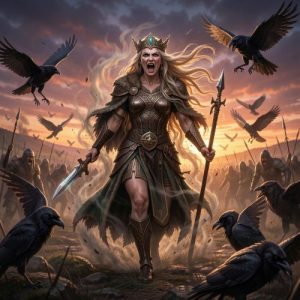
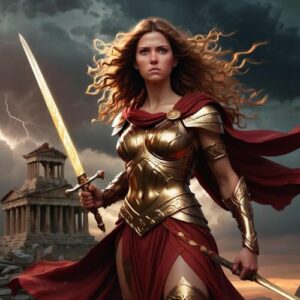
Adrestia, Greek goddess of balance and revolt. She stands in a twilight battlefield, wearing bronze armor with flowing crimson robes.

Adrestia : Goddess of Balance

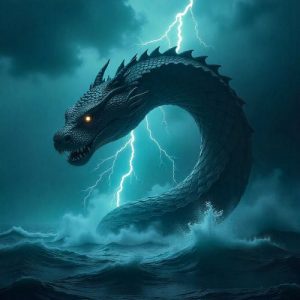
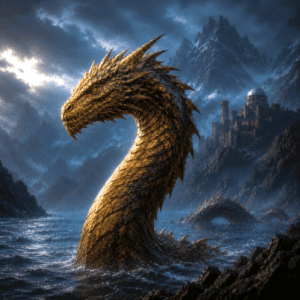
Image of Al-Tinnin, the mythical water dragon from Middle Eastern folklore.

Al Tinnin : The Ancient Arabian Dragon of the Sea

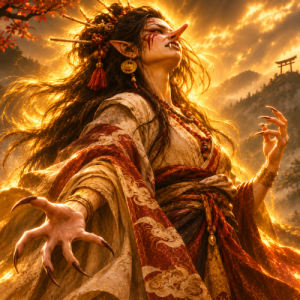
Amanozako, the rebellious female deity of Japanese mythology, depicted with elongated ears, a prominent nose, sharp fangs and long claw-like fingernails

Amanozako : The Rebellious Goddess of Japanese Folklore

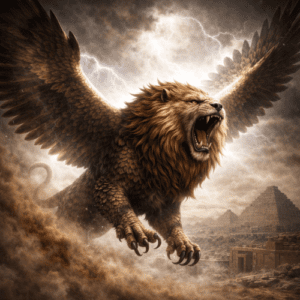
Anzu, a lion-headed eagle with massive wings spread across a stormy Mesopotamian sky

Anzu : The Mesopotamian Storm Bird of Chaos

Apistotoke, the supreme creator of Niitsitapi (Blackfoot) mythology

Apistotoke : The Creator Behind Blackfoot Creation

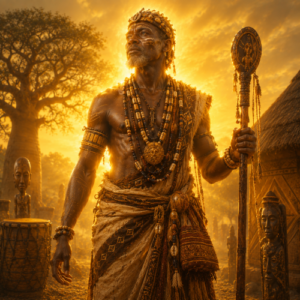
Bemba depicted as a creator god embodying strength, courage, and cultural heritage.

Bemba : The Supreme Creator Deity of Bambara Mythology

Crom Dubh standing near the sea cliffs of Downpatrick Head, Ireland.

Crom Dubh : The Ancient Irish God of Harvest and Balance

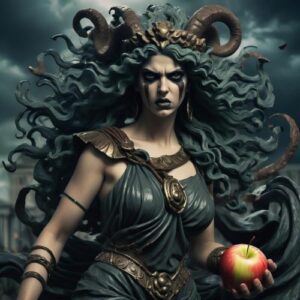
Discordia depicted in dynamic art as the goddess of chaos and strife, embodying conflict and unpredictability.

Discordia : Goddess of Chaos

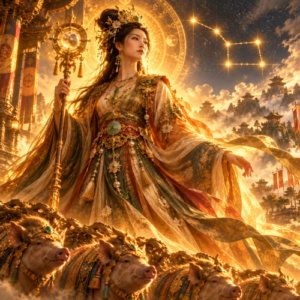
Doumu, the Chinese celestial goddess and Mother of the Northern Dipper, standing in ornate green and gold robes

Doumu : The Celestial Chinese Mother of Stars and Destiny

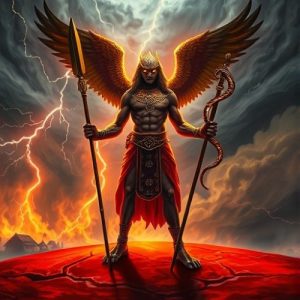
Ekwensu from Igbo mythology—an imposing, shape-shifting deity emerging from swirling storm clouds, half-human and half-eagle

Ekwensu : God of War

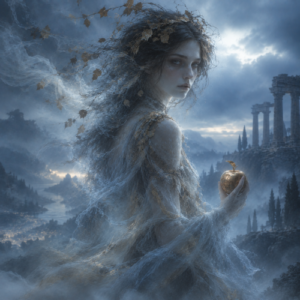
Eris, the Greek spirit of strife, appearing as a translucent woman dissolving into blue mist

Eris : The Greek Spirit Who Brought Discord Among the Gods

Evus depicted in dynamic art as a heroic guardian embodying strength, courage, and mystical energy.

Evus : God of Chaos

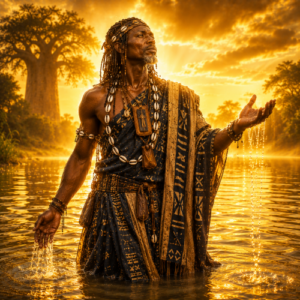
Faro from Bambara tradition, portrayed as an androgynous water deity standing at the banks of the Niger River

Faro : Bambara Water Deity of Creation and Balance

Gbayi as an ethereal figure made of radiant golden light

Gbayi : The Primordial Force in Banda Belief

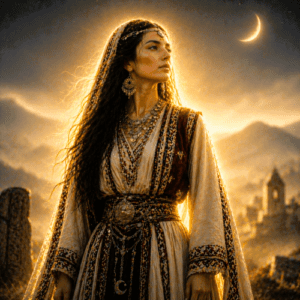
Hana, the Albanian Moon goddess. She appears as a radiant woman cloaked in silver light, standing beneath a crescent moon.

Hana : The Albanian Moon Goddess of Cycles and Balance

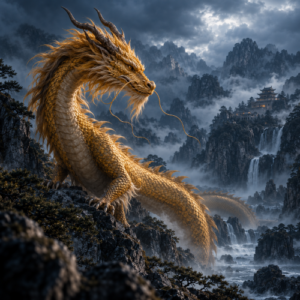
Huanglong, the Yellow Dragon of Chinese mythology, towering over a misty mountain valley

Huanglong : The Chinese Yellow Dragon of the Cosmic Center

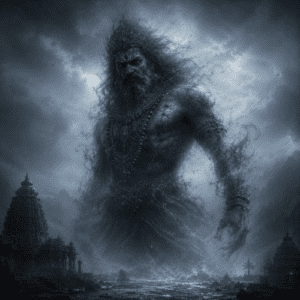
A colossal, shaggy Hundun emerges from a misty mountain stream

Hundun : The Chinese Mythic Force of Primordial Chaos

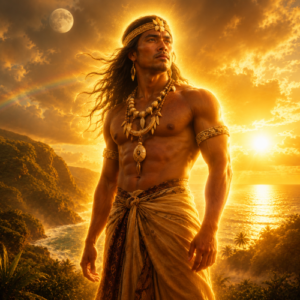
Kane Milohai as a grounded Hawaiian deity, masculine and calm, standing barefoot on ancient volcanic rock at dawn.

Kane Milohai : The Hawaiian Deity of Land and Balance

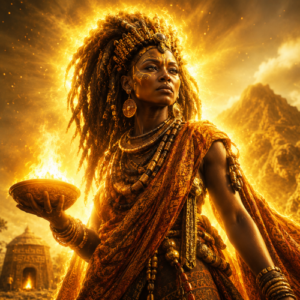
Kipitaakii from Blackfoot tradition, divine elder Indigenous Plains woman standing on the vast Great Plains of Montana and Alberta at golden sunrise

Kipitaakii : The Blackfoot Goddess of Mortality and Balance

Kroni as a colossal primordial being emerging from the cosmic ocean at the dawn of creation

Kroni : The Primordial Force of Evil in Indian Ayyavazhi Tradition

Maboyo as a colossal sky serpent swirling through storm clouds above the Caribbean Sea

Maboyo : The Kalinago Spirit of Chaos and Protection

Mari depicted in mystical art as a serene earth goddess embodying fertility, nature, and protection.

Mari : The Divine Guardian of the Basque Mountains

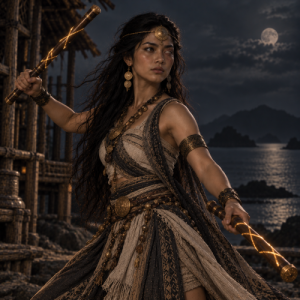
Mayari, the Philippine moon demigoddess, stands in a battle-ready pose holding two wooden staffs

Mayari : The Philippine Moon Goddess of Balance and Light

Muso Koroni standing on the ancient savannahs of Mali

Muso Koroni : The Mande and Bambara Primordial Goddess of Chaos

Nemain on an ancient Irish battlefield at dusk

Nemain : Ireland’s Goddess of War, Panic and Chaos

Nyale from Bambara mythology as a solitary female figure surrounded by swirling flames and shadows, symbolizing chaos and fertility.

Nyale : The Bambara Goddess of Chaos and Creation

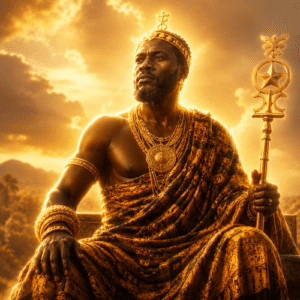
Nyankopon depicted in serene art as a radiant deity symbolizing wisdom, creation, and life-giving energy.

Nyankopon : The Supreme Creator of the Ashanti People

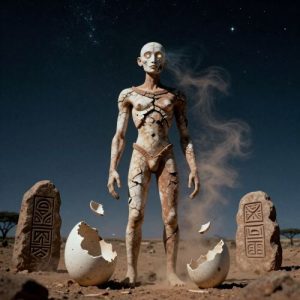
Ogo, the primordial being from Dogon cosmology, depicted in his original unfinished divine form before transformation

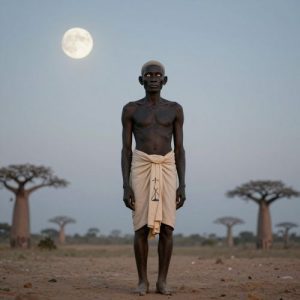
Ogo : The Rebel Spirit Behind Disorder in Dogon Belief

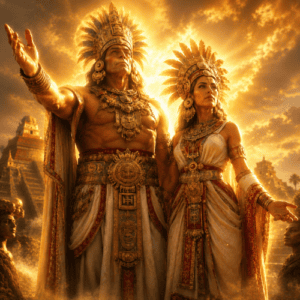
Image of the dual god Ometotl representing balance, creation, and the unity of opposites in Aztec mythology

Ometeotl : The Ancient Aztec Dual Creator Deity

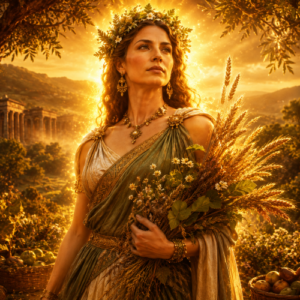
Onuava, the Celtic goddess of fertility and abundance, stands in a flourishing ancient Gaulish landscape

Onuava : Goddess of Fertility and Abundance in Breton Lore

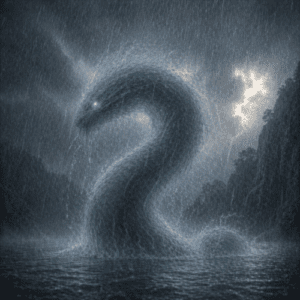
Hopi spirit Palulukon emerging from the river in torrential rain

Palulukon : The Hopi Water Serpent of Balance and Power

Puntan from ancient Chamorro tradition, primordial male cosmic being standing in divine stillness upon a lush Pacific island landscape

Puntan : The Ancient Chamorro Deity of Creation and Balance

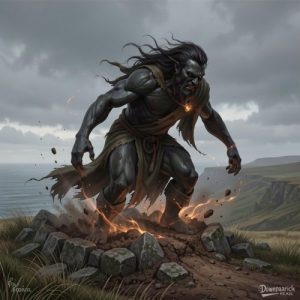
Saragnayan, a towering dark-skinned demigod standing in the shadowy realm of Gadlum

Saragnayan : The Dark Filipino Deity of the Hinilawod Epic

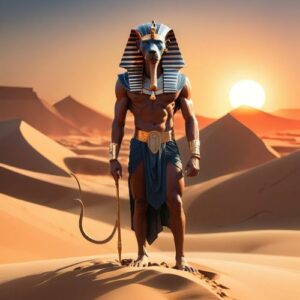
Image of Seth, ancient Egyptian god of chaos, storms, and desert.

Seth : The God of Chaos

Sobyeol-wang from Korean mythology, depicted as a youthful celestial ruler with subdued starlight radiance

Sobyeol-wang : The Little Star King of Korean Creation Lore

Andean Staff God standing frontally, holding two ornate staffs with serpent heads

Staff God : The Ancient Andean Deity of Power and Cosmic Balance

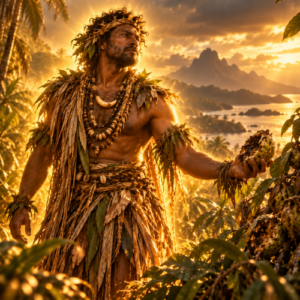
Suqe-matua, the contrary god of Vanuatu mythology, stands amid lush tropical vegetation holding a damaged fruit

Suqe-matua : The Troublemaker of Vanuatu Creation

A tall humanoid divine figure representing Takhar from Serer belief

Takhar : The Serer Deity of Justice and Moral Balance

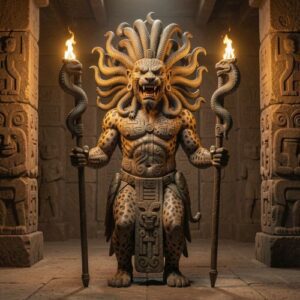
Ugallu in its protective role

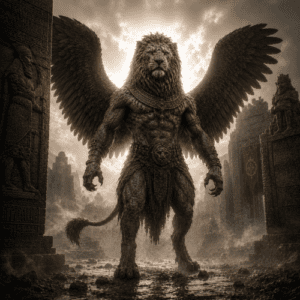
Ugallu : The Mesopotamian Lion Headed Guardian Against Chaos

Uli, the Hawaiian goddess of sorcery and serenity, shown as a luminous feminine presence formed from moonlight and mist

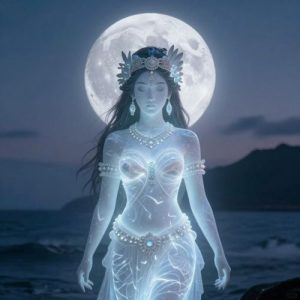
Uli : The Hawaiian Goddess of Sorcery, Serenity, and Moral Balance

Wanema depicted as a mysterious ancestral figure symbolizing ancient power and spiritual presence.
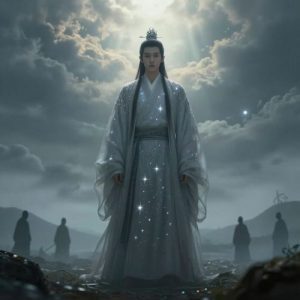
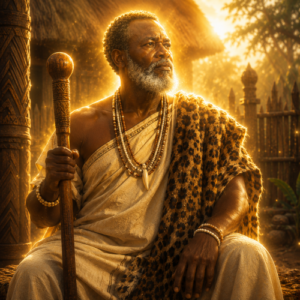
Wanema : The Divine Patriarch of the Baganda

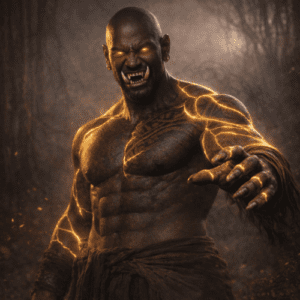
Depiction of Yorugu, the God of Chaos, surrounded by swirling dark energy.

Yorugu : God of Chaos

Try out our intense and sometimes mind numbing quizzes on mythology.

If you score 100% on any of our quizzes, you stand a chance to win an EXCLUSIVE gift from Mythlok!!

Mythlok
Privacy Overview

This website uses cookies so that we can provide you with the best user experience possible. Cookie information is stored in your browser and performs functions such as recognising you when you return to our website and helping our team to understand which sections of the website you find most interesting and useful.