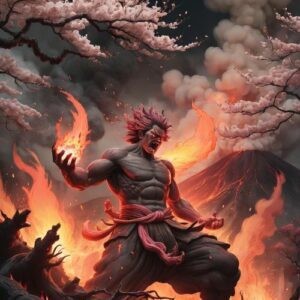


Gods of Fire and Their Role in Ancient Belief Systems
Fire is one of humanity’s oldest companions and fiercest forces. Across cultures, it has been worshipped not merely as a tool, but as a divine presence that creates, destroys, purifies, and transforms. The Gods of Fire stand at the heart of mythological traditions worldwide, embodying everything from sacred ritual flames to volcanic fury and cosmic renewal. This page explores prominent gods of fire and mythological figures deeply associated with flame, heat, and burning power.
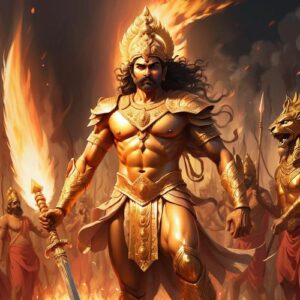
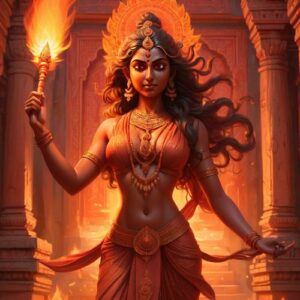
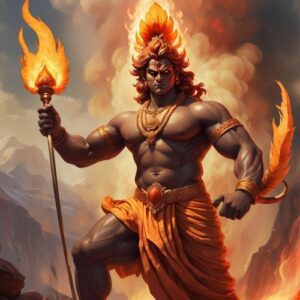
In Indian tradition, Agni is among the most revered of the Gods of Fire. He is the divine messenger who carries offerings from humans to the gods through sacred flames. Agni represents both the household hearth and the cosmic fire, symbolising life, purification, and divine presence. His role places fire as a bridge between the mortal and the divine.
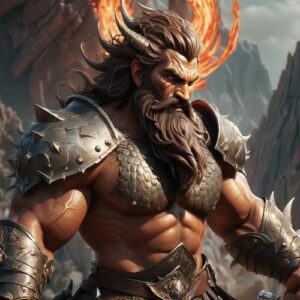
Greek mythology presents fire through craftsmanship and divine rebellion. Hephaestus, the god of fire and the forge, embodies controlled, creative flame. His fire shapes weapons, armour, and wonders, linking heat with skill and innovation. In contrast, the Titan Prometheus represents stolen fire, bringing forbidden knowledge to humanity and forever tying fire to progress and defiance.
The Roman world reimagined Hephaestus as Vulcan, a god whose flames were both industrial and catastrophic. Volcanoes were seen as his workshops, and appeasing him was essential to prevent devastating fires. Fire here becomes a force that must be respected and ritually contained.
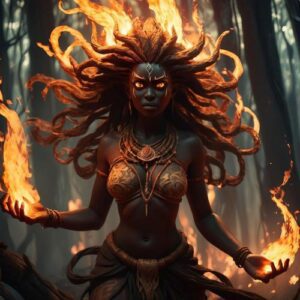
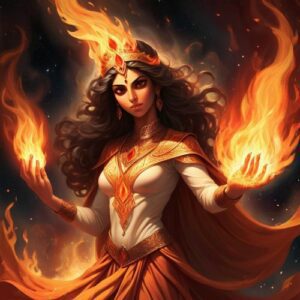
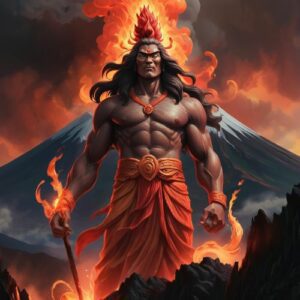
In Polynesian mythology, fire emerges as raw elemental power through Pele, the goddess of volcanoes and lava. She is not a distant deity but a living presence within the land itself. Pele’s flames destroy landscapes only to create new ones, reinforcing fire’s role in cycles of death and rebirth.
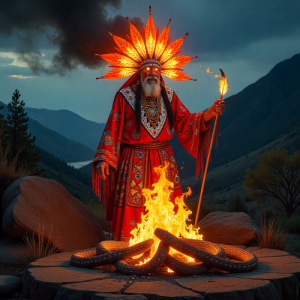
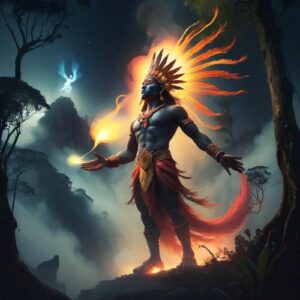
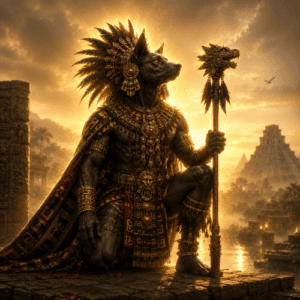
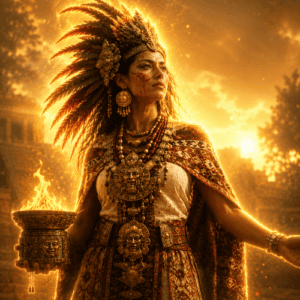
Mesoamerican traditions honour Xiuhtecuhtli, the ancient fire god associated with time, renewal, and the hearth. As the centre of both home and cosmos, his fire sustains order and marks the turning of ages.
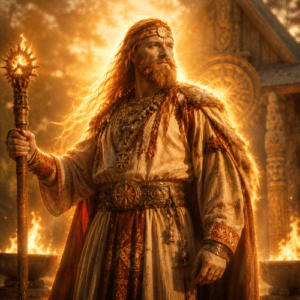
Fire also appears in quieter but equally powerful forms. The Celtic goddess Brigid governs sacred flames, inspiration, and healing, while the Slavic god Svarog embodies celestial fire and divine craftsmanship. These figures show how fire can inspire wisdom and creativity, not just destruction.
Together, the Gods of Fire reveal a shared human understanding: fire is never neutral. It is a living force that must be honoured, guided, and respected. Whether as hearth flame, forge fire, or volcanic inferno, these deities remind us that fire shapes civilisation as much as it threatens it, standing eternally at the boundary between chaos and creation.