Home  |  Mythological Archetypes : Gods, Creatures and Legendary Beings  |  Trickster Gods Across Cultures : Deities and Legendary Figures of Chaos

Trickster Gods in Ancient Civilizations and Sacred Traditions

Trickster Gods occupy a unique space in world traditions. Neither purely good nor entirely evil, they disrupt order, challenge authority, and reshape reality through cunning and deception. These figures often break rules, cross boundaries, and expose hidden truths, making them some of the most complex and fascinating beings in mythology.

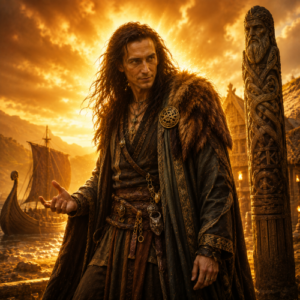
In Norse tradition, Loki stands as one of the most well-known trickster figures. A shapeshifter and master manipulator, Loki causes chaos among the gods but also helps them in moments of need. His actions ultimately contribute to Ragnarök, showing how tricksters can drive both creation and destruction.

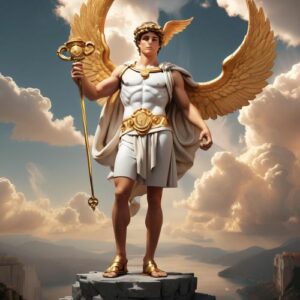
Greek mythology offers Hermes, a clever and quick-witted deity known for his intelligence and speed. As a messenger of the gods, Hermes also embodies cunning and boundary-crossing, guiding souls between worlds while bending rules to his advantage. His trickster nature is playful but purposeful.

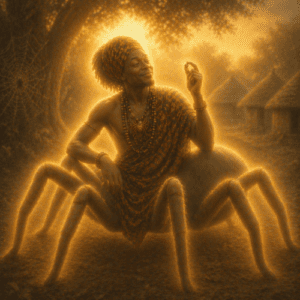
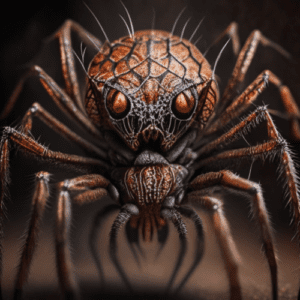
In West African traditions, the spider figure Anansi uses wit and storytelling to outsmart stronger opponents. Anansi’s tales emphasize intelligence over strength, showing that cleverness can reshape power structures. Similarly, in Native American traditions, Coyote embodies both foolishness and wisdom, often teaching lessons through failure and humor.

In the Indian tradition, Krishna displays trickster qualities in his youth, using mischief and charm to challenge norms while ultimately guiding others toward deeper truths. Unlike destructive tricksters, Krishna’s actions often reveal spiritual insight hidden beneath playful deception.

What defines Trickster Gods is their relationship with boundaries. They move between worlds, blur moral lines, and challenge rigid systems. Through humor, chaos, or illusion, they expose weaknesses in authority and force transformation.

Across cultures, Trickster Gods serve as agents of change. They disrupt stagnation, provoke growth, and remind societies that order is never absolute. While their actions may appear chaotic, they often reveal deeper truths about human nature, power, and the fluid nature of reality.

Exploring Trickster Gods reveals that chaos is not always destructive. Sometimes, it is necessary. These figures show that transformation often begins with disruption, and that wisdom can emerge from the unexpected.

Masters of Mischief, Deception, and Divine Disruption

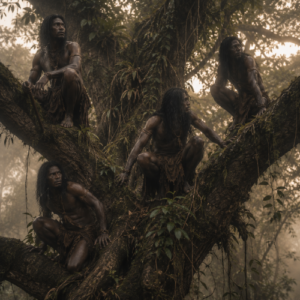
The Agta on a tree in the philippine forest

Agta : The Dark Tree Dwelling Spirits of Philippine Folklore

Amikuk from Yup’ik mythology emerging from the frozen Alaskan tundra at twilight

Amikuk : The Earth-Swimming Spirit of Yup’ik Mythology

Akan and Ashanti trickster god Anansi

Anansi : The Trickster Who Spun the World’s Stories

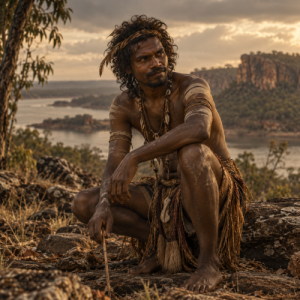
Bamapana, the Yolŋu trickster of Arnhem Land, portrayed as a rugged Aboriginal Australian man sitting on rocky ground

Bamapana : The Yolngu Trickster Who Defied Social Order

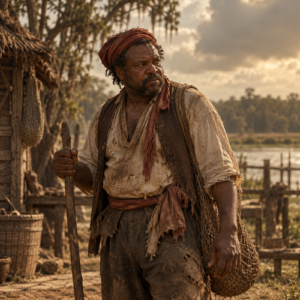
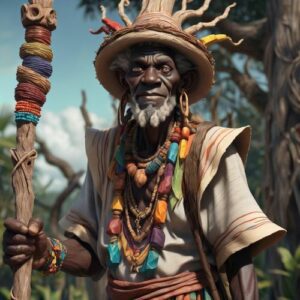
Bouki, a rugged, heavyset Black man wearing a rust-red headwrap and worn, earth-toned clothing

Bouki : The Fool of Haitian and Louisiana Creole Folklore

An image of Chullachaki, the Amazonian forest spirit.

Chullachaki : The Amazon Forest Trickster Spirit

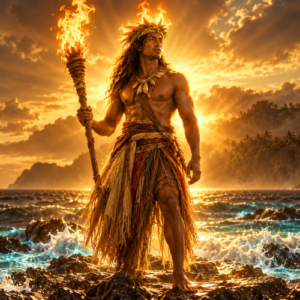
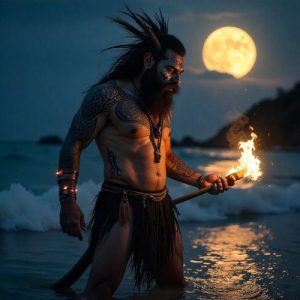
Daucina, the Fijian deity of light and seafaring, stands on a rocky Pacific shoreline holding a flaming torch

Daucina : The Fijian God Who Carried Fire Across the Sea

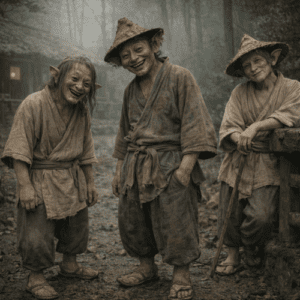
The Korean trickster goblins Dokkaebi in a Korean forest

Dokkaebi : The Trickster Goblins of Korean

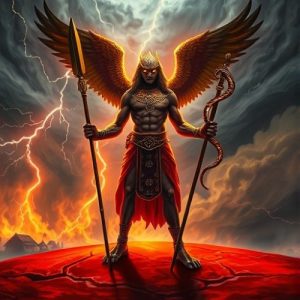
Ekwensu from Igbo mythology—an imposing, shape-shifting deity emerging from swirling storm clouds, half-human and half-eagle

Ekwensu : God of War

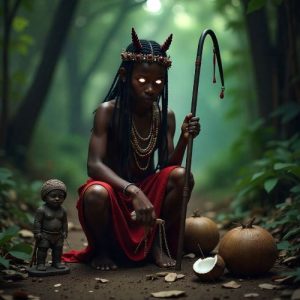
Elegguá at the crossroads, depicted as a youthful trickster with red and black attire

Elegguá : The Orisha Who Opens Roads and Shapes Destiny

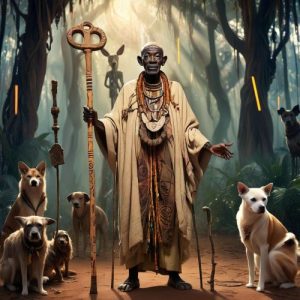
Image of Eshu, the Yoruba deity of communication, trickery, and crossroads.

Eshu : The Trickster God

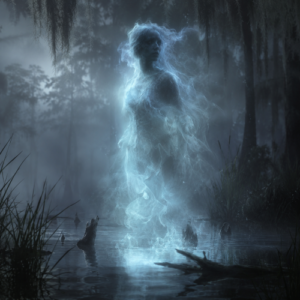
Semi-transparent Feu-Follet spirit emerging through mist in a foggy Louisiana bayou.

Feu-Follet : The Mysterious Swamp Spirit of Louisiana’s Bayous

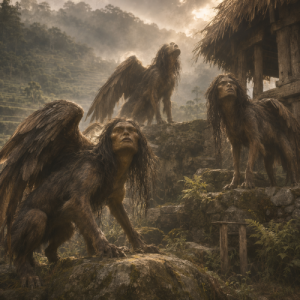
A group of four Gatui from Ifugao mythology, depicted as winged, dog-like supernatural creatures with human-like faces

Gatui : The Soul-Devouring Spirits of Philippine Folklore

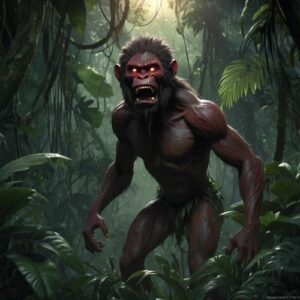
Image of Genderuwo, a hairy forest-dwelling spirit from Javanese mythology.

Genderuwo : The Trickster Spirit

Image of Gizo, AI-generated depiction.

Gizo : The Trickster

Goha from Arabian folklore standing in a bustling medieval Middle Eastern marketplace.

Goha : The Legendary Wise Fool of Arabian Folklore

image of Hermes, the Greek god, standing on Mount Cyllene.

Hermes : Messenger of the Gods

Image of the trickster and playful Aztec deity Huehuecoyotl, god of music, dance, and mischief

Huehuecoyotl : The Ancient Trickster God of the Aztecs

an image of Iktomi from Lakota mythology with a large round body and human face, slender limbs, wearing buckskin

Iktomi : The Trickster Spirit

Jasy Jatere from Guaraní mythology with long golden-blond hair, fair skin, and light eyes

Jasy Jatere : The Lord of the Siesta in Guaraní Lore

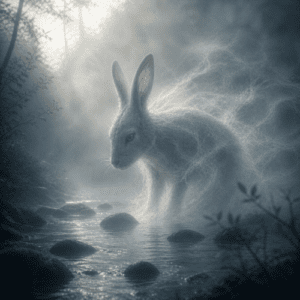
an image of Jiibayaabooz, the Spirit Rabbit from Ojibwe mythology.

Jiibayaabooz : The Spirit Rabbit Guide Between Worlds

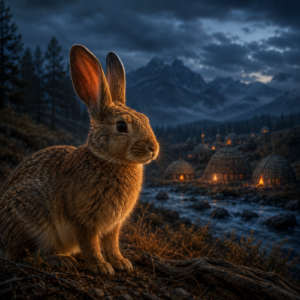
Jistu, the Cherokee trickster rabbit, overlooking a misty mountain valley.

Jistu : The Clever Trickster Rabbit of Cherokee Lore

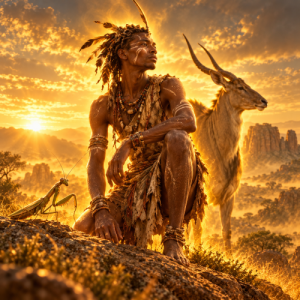
Kaggen, the San trickster and creator, sits on a rocky Southern African savanna

Kaggen : The Trickster and Creator of the San People

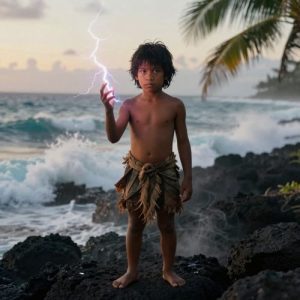
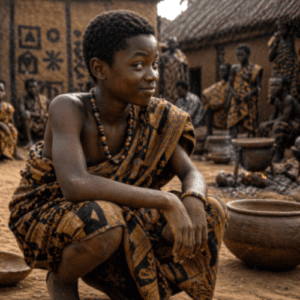
Kaulu, the Hawaiian kupua trickster demigod, shown as a youthful boy with an unassuming appearance that subtly conceals immense supernatural power.

Kaulu : The Hawaiian Kupua and Trickster Demigod

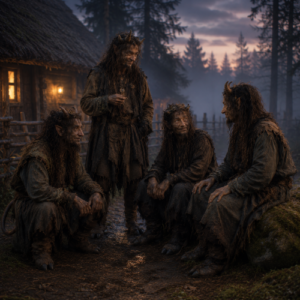
A group of Kipšai, devil-like spirits, gathered at dusk outside a rustic Baltic woodland cottage.

Kipsas : The Baltic Spirits That Tested the Living

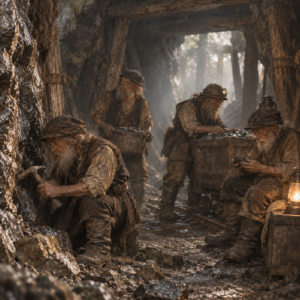
Four Knockers, depicted as weathered, bearded mine spirits in traditional work clothes, labor inside a dimly lit Cornish tin mine

Knockers : The Mine Spirits of Cornish Folklore

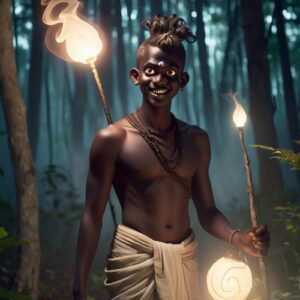
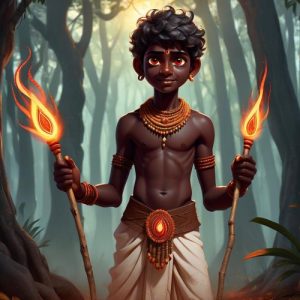
Kuttichathan, A mischievous dark-skinned adolescent male spirit with a topknot, glowing eyes, and bare chested and wearing a mundu

Kuttichathan : The Playful Trickster Spirit of Kerala

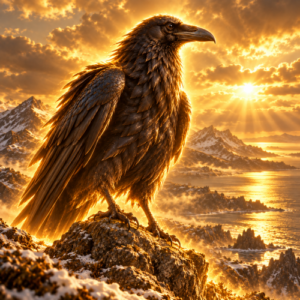
Kuutkh, the Raven creator of northeastern Siberian mythology, surrounded by a divine golden glow on a snow-covered Arctic mountain overlooking a misty fjord at sunset.

Kuutkh : The Raven Creator of Chukchi Tradition

an image of Leba, the Teke trickster deity, standing at a spiritual crossroads.

Leba : The Trickster God

Image of Legba, the mystical West African deity and guardian of crossroads, communication, and spiritual access.

Legba : The Trickster God

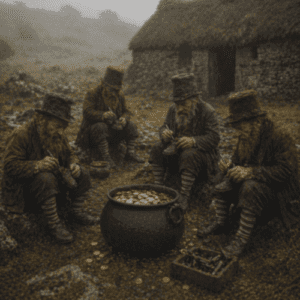
Leprechaun from Irish mythology

Leprechaun : The Solitary Fairy Race of Ireland

Letao, the trickster demigod of Marshallese mythology, standing on a moonlit coral atoll

Letao : The Shape-Shifting Trickster of Marshallese Legends

Loki, the Norse trickster, standing in golden divine light beside a Viking longship and carved Norse stone in a misty fjord.
Loki : The Norse Trickster Who Walked Between Gods and Giants

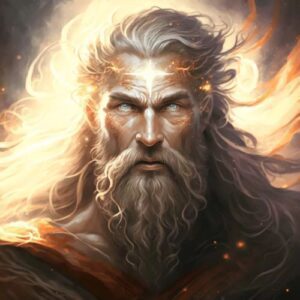
Image of Lugh, AI-generated depiction.

Lugh : The Irish Master of Skills and Radiant Light

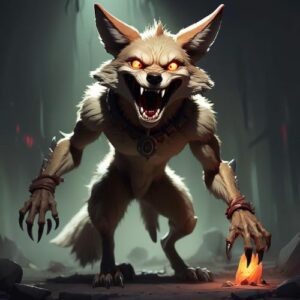
Navajo trickster figure Mi'i

M’ii : The Coyote Trickster of the Plains

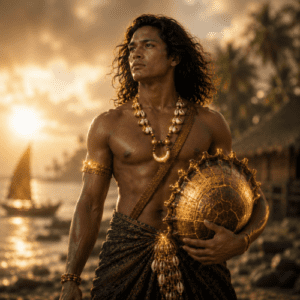
Maui depicted in vibrant art as a heroic demigod embodying strength, adventure, and cleverness.

Maui : The Enigmatic Trickster

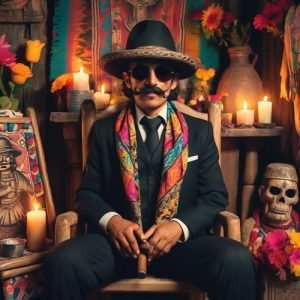
An image of Maximón, seated in a wooden chair, wearing a black suit, wide-brimmed hat, and sunglasses.

Maximon : The Trickster Saint

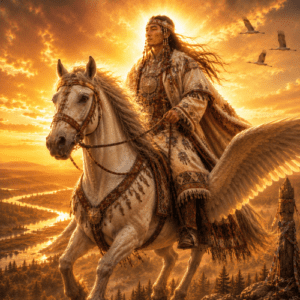
Mir-Susne-Khum from Khanty and Mansi tradition riding a massive horse

Mir-Susne-Khum : The Heavenly Rider of the Khanty and Mansi

Mmoatia in a misty forest

Mmoatia : The Mysterious Ghanaian Forest Spirits of Akan Lore

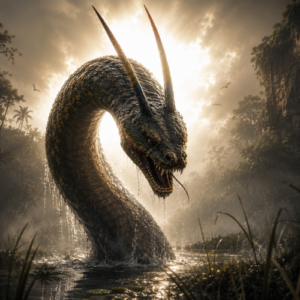
Moñái from Paraguayan Guaraní mythology, represented as a physically real supernatural serpent

Moñái : The Horned Serpent of Guaraní Mythology

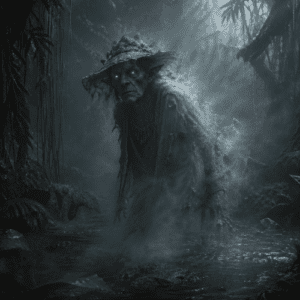
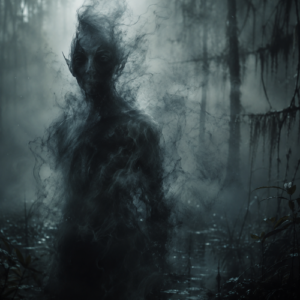
Nalusa Falaya, a tall shadowy humanoid spirit emerging from a dark swamp forest at dusk

Nalusa Falaya : The Shadow Spirit of Choctaw Folklore

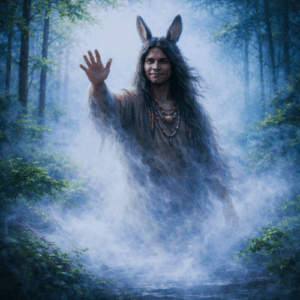
Nanabozho, a humanoid trickster spirit with subtle rabbit features

Nanabozho : The Anishinaabe Trickster Spirit of Creation

Image of Nemwes, mythological figure of African origin.

Nemwes : The Trickster Goddess

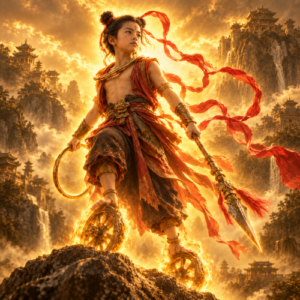
Nezha, the youthful Chinese warrior god, standing on flaming Wind Fire Wheels with a Fire-Tipped Spear

Nezha : The Rebellious Young God of Chinese Mythology

Ntikuma portrayed in simple art as a clever folkloric figure symbolizing wit, curiosity, and youthful intelligence.

Ntikuma : The Clever Son of Anansi in Akan Tradition

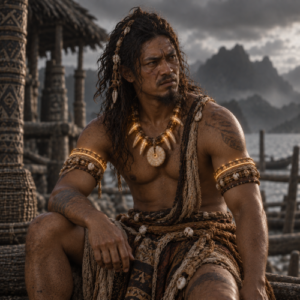
Olifat, the Micronesian demigod and trickster, seated in a Caroline Islands village wearing traditional shell and bone jewelry

Olifat : The Mischievous Trickster of Caroline Island Mythology

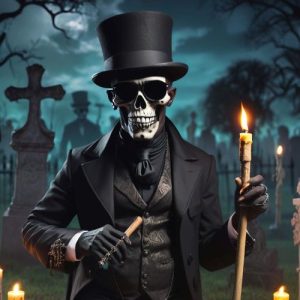
image of Papa Gede, the Haitian Vodou spirit of death and fertility.

Papa Gede : The Trickster Spirit

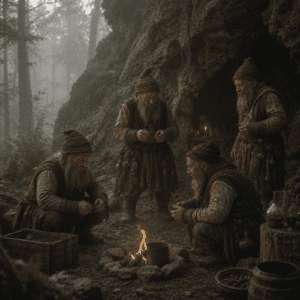
Patuljci from Slavic folklore inside an ancient forest cave

Patuljci : The Hidden Dwarfs of Slavic Folklore

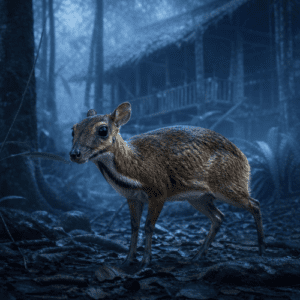
The Pilandok standing in a Philippine forest

Pilandok : The Clever Mouse-Deer Trickster of Philippine Folklore

Psotnik from Polish folklore, small imp-like Slavic trickster spirit

Psotnik : The Mischievous Polish Spirit of Slavic Folklore

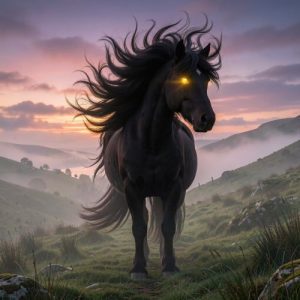
Puca standing on a mist-covered Irish hillside at twilight.

Puca : The Shapeshifting Spirit of Irish Folklore

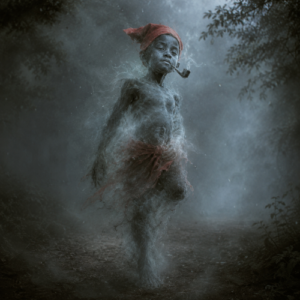
Saci-Pererê from Brazilian folklore: a one-legged, dark-skinned youth wearing a red magical cap and smoking a pipe

Saci : The One Legged Trickster Spirit of Brazilian Folklore

Image of Seokga, the Korean creator deity associated with creation, order, and cosmic balance.

Seokga : The Trickster God

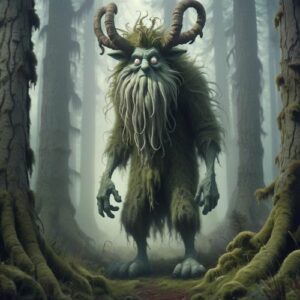
Shurali, a tall woolly forest spirit with very long fingers and horns on its forehead, standing in a misty pine forest.

Shurali : The Forest Spirit

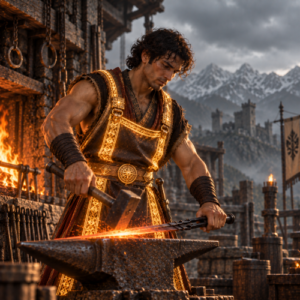
Sosruko, the fire-forged hero of Circassian mythology, working at a mountain forge

Sosruko : The Circassian Fire-Forged Hero of the Nart Sagas

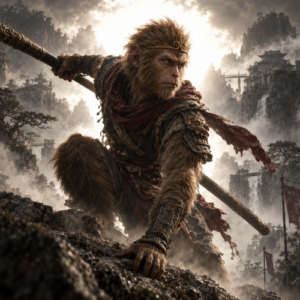
Sun Wukong, the Monkey King, crouches on a rugged mountain ledge with his magical staff

Sun Wukong : The Chinese Monkey King Who Defied the Gods

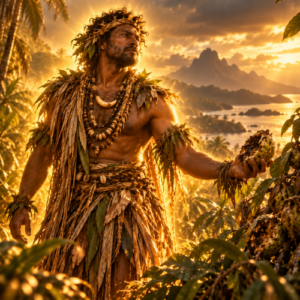
Suqe-matua, the contrary god of Vanuatu mythology, stands amid lush tropical vegetation holding a damaged fruit

Suqe-matua : The Troublemaker of Vanuatu Creation

Tagaro from Melanesian tradition, portrayed as a calm yet powerful creator figure standing among lush volcanic islands of Vanuatu

Tagaro : The Melanesian Creator Figure of Vanuatu

Image of the mischievous Japanese shape-shifting raccoon dog Tanuki

Tanuki : The Trickster Racoon

Indian Spirit god Theekutty Chathan standing in a dense forest

Theekutti Chathan : The Fiery Trickster

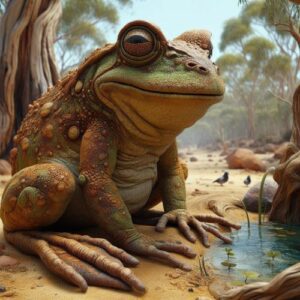
Image of Tidali, the mystical water spirit embodying tides, flow, and transformation.

Tiddalik : The Trickster Frog

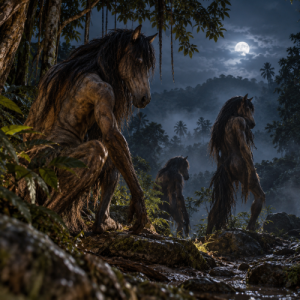
Three horse-headed Tikbalang beings move through a rocky Philippine jungle at night

Tikbalang : The Horse-Headed Tricksters of Philippine Folklore

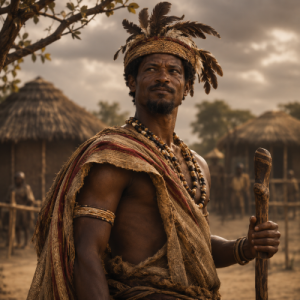
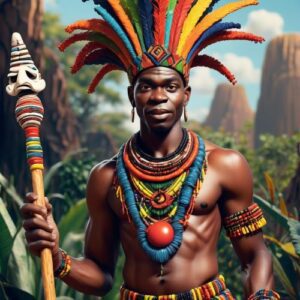
Ture, the spider trickster of Zande folklore, depicted as a dark-skinned African man wearing a traditional feathered headdress

Ture : The Mischievous Spider Trickster of Zande Tradition

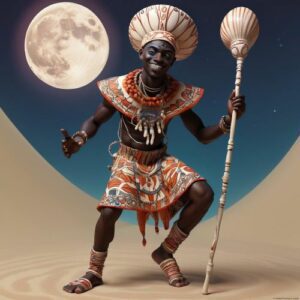
Uhlakanyana depicted in dynamic art as a clever trickster spirit embodying mischief, cunning, and folklore lessons.

Uhlakanyana : The Trickster God

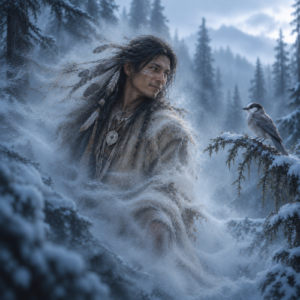
Wisakedjak, the Cree trickster spirit, partially dissolving into mist in a snow-covered boreal forest

Wisakedjak : The Shapeshifting Trickster of Cree Tradition

Wolphat, the Micronesian trickster deity, shown as a tattooed humanoid figure

Wolphat : The Trickster Spirit of Ifaluk

Depiction of Yorugu, the God of Chaos, surrounded by swirling dark energy.

Yorugu : God of Chaos

Try out our intense and sometimes mind numbing quizzes on mythology.

If you score 100% on any of our quizzes, you stand a chance to win an EXCLUSIVE gift from Mythlok!!

Mythlok
Privacy Overview

This website uses cookies so that we can provide you with the best user experience possible. Cookie information is stored in your browser and performs functions such as recognising you when you return to our website and helping our team to understand which sections of the website you find most interesting and useful.