


Gatui : The Soul-Devouring Spirits of Philippine Folklore
| Description | |
|---|---|
| Origin | Philippine Mythology |
| Nature | Malevolent |
| Notable Members | N/A |
| Symbolism | Misfortune, Vulnerability, Pregnancy-related fears, Supernatural mischief |
| Epics | N/A |
Mythlok Perspective
In Mythlok’s Perspective, Gatui represent the unsettling intersection of mischief and malevolence in Ifugao beliefs. Like the Harpies of Greek mythology, they transform an unusual supernatural identity into a symbol of fear, but their association with unborn souls gives them a distinctly different cultural significance. Gatui remind audiences that mythology does not always separate humour from horror, revealing how indigenous traditions express humanity’s deepest anxieties through supernatural beings.
Gatui
Introduction
Among the supernatural beings of Philippine mythology, Gatui occupy an unsettling place in the traditional beliefs of the Ifugao people of the Cordillera region in northern Luzon. Described as a group of divinities associated with practical jokes and mischief, the Gatui possess a far more sinister nature than their playful reputation might suggest. They are believed to feast on human souls, particularly those of unborn children, making them feared presences within traditional Ifugao spiritual beliefs.
Unlike individual gods with distinct personalities, family histories and established legends, Gatui represent a category of supernatural beings. Their identity is defined primarily by their behaviour and influence on human life. Historical accounts describe them as dangerous spirits whose actions were associated with miscarriages and other misfortunes.
The Gatui offer an interesting glimpse into the complex spiritual world of the Ifugao, where numerous divinities and spirits were believed to influence different aspects of existence. Their stories reflect traditional concerns surrounding pregnancy, mortality, spiritual protection and the relationship between humans and the unseen world.
Physical Description
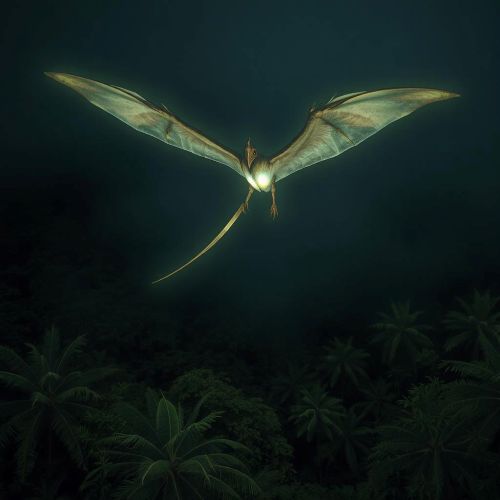
Gatui are described as unusual, hybrid creatures rather than beings with an entirely human appearance. One of their most distinctive forms is that of a winged dog with a human face, an unsettling combination of animal and human characteristics. This description gives them a recognisable place among the supernatural creatures of Philippine folklore.
Their appearance has also been compared to the harpies of Greek mythology, creatures traditionally portrayed with a combination of human and bird-like features. Another comparison frequently made is with the Manananggal, a well-known supernatural creature in Philippine folklore associated with separating its upper body from its lower half.
The resemblance to these creatures is primarily based on their frightening nature and supernatural associations rather than evidence of a shared origin. The available descriptions of Gatui remain relatively limited, and there is little historical information establishing variations in their appearance.
Mythological Context
Within Ifugao spiritual traditions, Gatui belong to a much larger world inhabited by divinities, ancestral spirits and supernatural entities. These beings were believed to have different responsibilities and influences over human affairs. Some offered protection and blessings, while others brought illness, misfortune or death.
F. Landa Jocano’s Notes on Philippine Divinities (1968) identifies Gatui among the supernatural beings recognised in Ifugao mythology. Their association with practical jokes distinguishes them from spirits whose primary responsibilities involve agriculture, protection or the afterlife.
However, their mischievous nature should not be mistaken for harmless behaviour. Jocano records the belief that Gatui feast on the souls of villagers, particularly unborn children. Miscarriages were historically attributed to their influence, illustrating the fear associated with these beings.
Their presence demonstrates how Ifugao cosmology incorporated supernatural explanations for events that affected everyday life. The Gatui were not simply figures in entertaining stories but part of a spiritual framework through which communities understood vulnerability, misfortune and the need for ritual protection.
Origins
The precise origin of the Gatui is not established in the surviving accounts of Ifugao mythology. There is no widely documented creation story explaining how these beings came into existence, who created them or where they first appeared. Their identity is preserved primarily through descriptions of their supernatural characteristics and their place among the divinities of the Ifugao spiritual world.
Understanding their origins requires considering the oral traditions of the Ifugao people. Their religious beliefs developed through generations of storytelling, ritual practices and interactions with the natural and spiritual environments surrounding their communities. These traditions describe a universe inhabited by numerous supernatural beings, each with particular influences over human existence.
The absence of a specific creation narrative does not diminish Gatui’s importance. Instead, it reflects the nature of many lesser-known supernatural figures whose identities survive through references in ethnographic accounts rather than through complete mythological narratives.
Notable Members
Unlike mythological groups with individually named members, Gatui are generally described collectively. The available historical literature does not establish a list of individual Gatui or provide distinct biographies for particular members. Their shared identity comes from their characteristic behaviour, particularly their association with practical jokes and their consumption of human souls.
This collective classification is important when examining Gatui within Philippine mythology. Treating the name as belonging to one individual creature would overlook the plural nature of the original descriptions. Consequently, there are no reliably documented individual members to identify. The Gatui are best understood as a class of supernatural beings whose characteristics are shared across the group.
Relationship with Other Beings
The Gatui exist within the wider spiritual hierarchy of Ifugao mythology, alongside several other groups of divinities and supernatural creatures. Kabunian occupies an important position in Ifugao religious traditions and is recognised as a chief deity. The Gatui are among the lesser supernatural beings described in historical accounts of this spiritual world.
One particularly interesting association involves the Kikilan, described by Jocano as two-headed monsters serving as bodyguards to the Gatui and Tayaban. This connection provides an unusual insight into the relationships between different supernatural groups. Tayaban are another category of dangerous divinities associated with death. Like Gatui, they are believed to feast on human souls, although their principal association is with mortality rather than practical jokes.
Bulol, meanwhile, are household divinities associated with ancestral spirits and the protection of rice and agricultural prosperity. Their role contrasts with the destructive influence attributed to Gatui. These relationships illustrate the diversity of supernatural responsibilities within Ifugao cosmology, where different beings could influence household welfare, agriculture, death and human vulnerability.
Similar Beings
Gatui share certain characteristics with supernatural creatures from other mythological traditions, particularly those associated with predation, human-animal hybrids and attacks on vulnerable individuals. The closest comparison in Philippine folklore is the Manananggal. Traditionally depicted as a creature capable of separating its upper body from its lower half, the Manananggal is associated with nocturnal attacks and the consumption of human victims. Both beings occupy a frightening place in Filipino supernatural traditions, although their descriptions and mythological identities are different.
Another comparison comes from Greek mythology, particularly the Harpies. These creatures were associated with violence, punishment and the abduction of people. Their hybrid appearance provides a useful visual parallel to some descriptions of Gatui. However, these comparisons should not be interpreted as evidence of direct cultural connections. Gatui belong to the indigenous spiritual traditions of the Ifugao, while the Harpies and Manananggal originate from entirely different mythological contexts.
Symbolism and Interpretations
The Gatui represent the darker aspects of the relationship between humans and the supernatural in traditional Ifugao beliefs. Their association with practical jokes introduces an element of unpredictability, while their consumption of unborn children’s souls connects them with some of the deepest fears surrounding pregnancy and childbirth.
Their mythology can also be understood within the broader context of traditional explanations for misfortune. In communities where spiritual forces were considered active participants in everyday existence, supernatural beings provided a framework for understanding events that appeared beyond human control.
The belief that Gatui could cause miscarriages reflects the importance of protecting pregnancy and ensuring the well-being of mothers and unborn children. Their stories therefore carry themes of vulnerability, uncertainty and the perceived need for spiritual safeguards. Their hybrid appearance also reinforces their position as beings existing outside ordinary human experience. The combination of animal and human characteristics makes them difficult to categorise, reflecting the unpredictable nature attributed to supernatural entities.
Modern Influence
Interest in Gatui has extended beyond traditional folklore into contemporary efforts to document and preserve Cordilleran cultural heritage. One notable example is Gayang, a comic book published by the Baguio-based Gripo Comics group in 2019. The publication featured several supernatural beings from Cordilleran traditions, including Gatui, Pinading and Lampong. The project brought lesser-known indigenous creatures into a visual storytelling format, introducing them to audiences who might otherwise encounter them only through academic literature or oral traditions.
Gatui’s appearance in contemporary comics demonstrates how indigenous supernatural figures can find new expressions without losing their cultural associations. Their distinctive appearance and unusual mythology also offer opportunities for further exploration through illustration, literature and cultural documentation.
Preserving accounts of beings such as Gatui is important because they represent a part of the wider spiritual heritage of the Ifugao people. Their stories contribute to a better understanding of how indigenous communities interpreted the world around them and the supernatural forces they believed influenced human existence.


Sources
Damian, V. (2019, June 22). Cordillera artists launch comic book featuring Igorot folklore. Philippine Daily Inquirer. https://newsinfo.inquirer.net/1133056/cordillera-artists-launch-comic-book-featuring-igorot-folklore
Dulawan, M. (n.d.). Oral literature of the Tuwali Ifugao in Kiangan. National Commission for Culture and the Arts. https://ncca.gov.ph/about-ncca-3/subcommissions/subcommission-on-cultural-communities-and-traditional-arts-sccta/northern-cultural-communities/oral-literature-of-the-tuwali-ifugao-in-kiangan/
Lobien, P. (2019, June 7). Cordillera mythical creatures get visual portrayal in new comics. Philippine News Agency. https://www.pna.gov.ph/articles/1071727
Peralta, J. T. (2003, December 1). Ifugao Hudhud: Local to global dimension of the sacred. National Commission for Culture and the Arts. https://ncca.gov.ph/about-culture-and-arts/in-focus/ifugao-hudhud-local-to-global-dimension-of-the-sacred/
Barton, R. F. (1930). The half-way sun: Life among the headhunters of the Philippines. Brewer & Warren.
Barton, R. F. (1946). The religion of the Ifugaos (Memoir No. 65). American Anthropological Association.
Barton, R. F. (1955). The mythology of the Ifugaos (Memoirs of the American Folklore Society, Vol. 46). American Folklore Society.
Jocano, F. L. (1968). Notes on Philippine divinities. Asian Studies, 6(2), 169–182. https://asj.upd.edu.ph/mediabox/archive/ASJ-06-02-1968/jocano-notes-philippine-divinities.pdf
Frequently Asked Questions
What are Gatui in Ifugao mythology?
Gatui are a group of supernatural divinities in Ifugao mythology, known for playing practical jokes and consuming human souls, particularly those of unborn children.
What do Gatui look like?
Gatui are described as chimera-like creatures, sometimes appearing as winged dogs with human faces. Their unusual appearance distinguishes them from other supernatural beings in Philippine folklore.
Are Gatui evil or benevolent beings?
Gatui are generally considered malevolent supernatural beings because of their association with mischief, soul consumption and miscarriages in traditional Ifugao beliefs.
What is the relationship between Gatui and Kikilan?
In Ifugao mythology, Kikilan are described as two-headed monsters serving as bodyguards to Gatui and Tayaban, connecting these supernatural groups.
Are Gatui featured in any Philippine folklore stories?
Gatui appear in documented Ifugao folklore and were featured in Gayang, a 2019 comic book project that brought Cordilleran supernatural beings to contemporary audiences.


