

Canines in Ancient Civilizations and Sacred Traditions
Canines have roamed through mythology as loyal companions, fearless guardians, cunning tricksters, and supernatural guides. Across cultures, wolves, dogs, foxes, jackals, and other canine creatures embody qualities such as courage, loyalty, intelligence, protection, and survival. Whether standing beside gods, guarding the gates of the underworld, or leading heroes through untamed wilderness, canines have earned a lasting place in the myths of the world.
Among humanity’s earliest animal companions, dogs naturally became symbols of trust, devotion, and guardianship. Their loyalty inspired countless legends in which they protect sacred places, accompany souls into the afterlife, or stand beside divine beings as faithful companions. In contrast, wolves often represent the untamed spirit of nature, embodying freedom, resilience, leadership, and the strength of the pack.
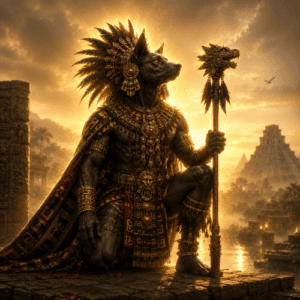
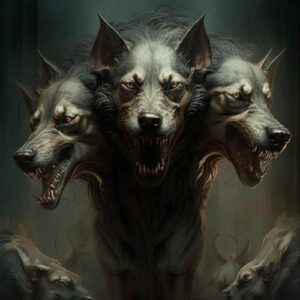
One of mythology’s most recognizable canines is Cerberus, the three-headed guardian of the Greek Underworld. Tasked with preventing the dead from escaping, Cerberus symbolizes vigilance, protection, and the boundary between life and death. In Egyptian mythology, Anubis, depicted with the head of a jackal, guides souls through the afterlife while overseeing mummification and sacred burial rituals, making him one of mythology’s greatest guardian figures.
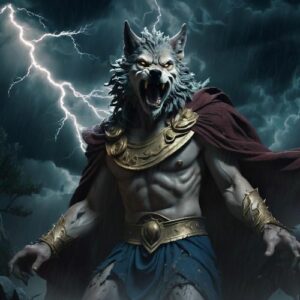
Norse mythology features the mighty wolves Fenrir, whose immense power threatens the gods during Ragnarök, and Geri and Freki, Odin’s loyal companions who represent strength and ferocity. Japanese folklore introduces the mystical Kitsune, fox spirits celebrated for their intelligence, magical abilities, and shapeshifting powers. Native American traditions also feature wolves and coyotes as respected teachers, protectors, and creators, while many Indigenous stories portray the fox as a clever survivor capable of overcoming greater opponents through wit.
Across cultures, canines embody remarkable diversity. Some protect humanity, others test heroes, while a few challenge the natural order itself. Yet all share qualities that have long inspired admiration—keen instincts, adaptability, cooperation, and unwavering determination.
What makes canines so enduring in mythology is their close relationship with humanity. Unlike many mythical creatures that remain distant or divine, dogs, wolves, foxes, and jackals often walk beside people, serving as companions, guardians, guides, and symbols of the bond between civilization and the wild.
Exploring canines across cultures reveals how these remarkable animals became enduring mythological symbols of loyalty, wisdom, protection, and survival. Whether appearing as faithful companions, sacred guardians, or supernatural tricksters, they continue to remind us of the enduring connection between humans and the natural world.