Figures Associated With Hunting and Fishing in Ancient Traditions
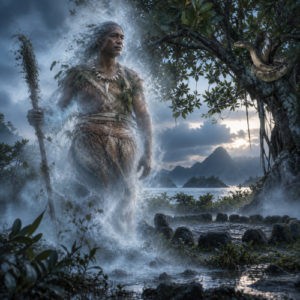
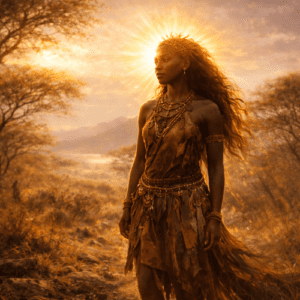
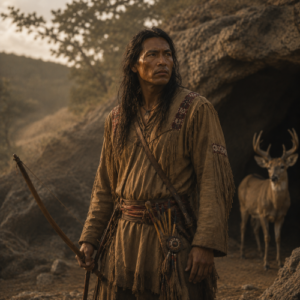
Hunting occupies an important place in mythology as both a practical skill and a symbolic encounter with the wild. Figures associated with hunting are often gods, goddesses, heroes, spirits, or legendary hunters who move between human settlements and untamed landscapes. Their stories explore the pursuit of animals, mastery of weapons, survival, wilderness, fertility, and the uneasy relationship between humans and the creatures they hunt.
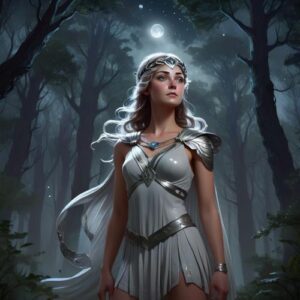
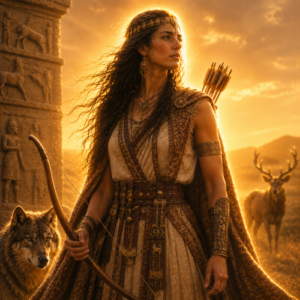
Among the most famous hunting figures is Artemis, the Greek goddess of the hunt and wild animals. Armed with her bow, she moves through forests and mountains accompanied by animals and nymphs. Artemis embodies the independence and danger of the wilderness as much as the act of hunting itself. Her mythology also connects hunting with virginity, childbirth, and the protection of young creatures, giving her domain a wider significance than simply pursuing game.
Her Roman counterpart, Diana, similarly became associated with hunting, forests, and wild animals. Roman traditions surrounding Diana developed distinctive religious practices and local associations, but her identity retained the essential image of the armed huntress moving through the natural world.
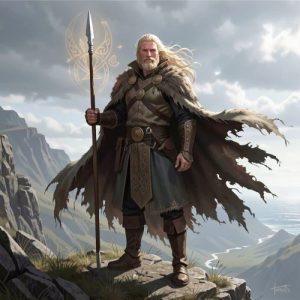
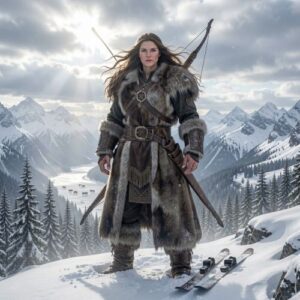
Norse mythology offers several contrasting hunting figures. Ullr is associated with skiing, archery, and the winter landscape, and later traditions have connected him strongly with hunting. His mastery of the bow and movement through difficult terrain make him an important representation of the skilled northern hunter. Skaði, the giantess and goddess associated with mountains and winter, is likewise traditionally depicted as a skilled hunter and skier, reflecting the importance of the high wilderness in Norse imagination.
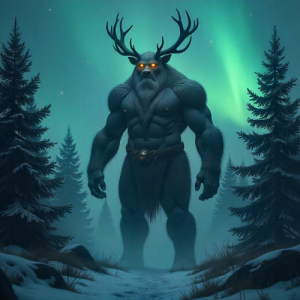
Celtic mythology presents the hunt through figures connected with wild nature and animals. Cernunnos, the antlered figure prominently represented in Gallo-Roman religious imagery, is strongly associated with wild animals and the natural world. Although his exact mythology is uncertain, his imagery places him within a sacred landscape where humans, animals, and supernatural forces intersect.
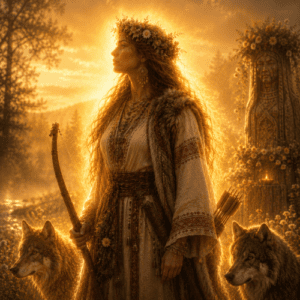
Finnish mythology and folklore provide another distinctive figure in Mielikki, a forest goddess associated with woodland animals and the hunt. Rather than representing hunting solely as domination over nature, traditions surrounding forest beings could emphasize respect for the animals and the supernatural powers believed to govern the forest.
Mythology also contains legendary mortal hunters and heroes whose identities are defined through extraordinary skill. Orion, the great hunter of Greek mythology, became one of the most famous examples. His story ultimately placed him among the stars, transforming the earthly hunter into a permanent celestial figure.
Across traditions, hunting figures therefore occupy an ambiguous position. They may be protectors of animals, masters of the wilderness, providers for humanity, divine archers, or exceptional hunters. The supernatural hunter does not simply stand outside nature; they often belong to it more completely than ordinary humans.
From Artemis and Diana to Ullr, Skaði, Cernunnos, Mielikki, and Orion, hunting figures reveal how mythology transformed the ancient pursuit of game into stories about wilderness, skill, mortality, and humanity’s relationship with the natural world.