

Glashtyn : The Shape-Shifting Water Spirit in Manx Folklore
At a glance
| Description | |
|---|---|
| Origin | Manx Mythology |
| Classification | Hybrids |
| Family Members | N/A |
| Region | Isle of Man |
| Associated With | Shape-shifting, Water, Storms, Supernatural strength, Water horses |
The Mythlok Perspective
In Mythlok’s Perspective, the Glashtyn represents the uncertainty that lies beneath calm waters and attractive appearances. Like many Celtic supernatural beings, it serves as a warning that danger often disguises itself behind beauty and charm. Its shifting forms reflect humanity’s ancient fear of the unknown, while its connection to storms and waterways embodies nature’s unpredictable power. The Glashtyn endures in folklore because it captures a timeless truth: not everything is what it seems, and wisdom often lies in recognizing the hidden signs before it is too late.
Glashtyn
Introduction
The Glashtyn is one of the most fascinating supernatural beings in Manx mythology, the folklore tradition of the Isle of Man. Closely associated with lakes, rivers, marshes, and coastal waters, this enigmatic creature occupies a unique place among Celtic water spirits. Unlike many mythological beings that have a clearly defined appearance and role, the Glashtyn exists in several forms across different stories, making it one of the most complex figures in Manx folklore.
Some tales describe the Glashtyn as a dangerous water horse similar to the Scottish Kelpie, while others portray it as a goblin-like spirit or a shape-shifting being capable of assuming human form. Its legends often revolve around encounters with isolated travelers and young women, reflecting traditional fears of the untamed natural world that surrounded island communities.
Over centuries, the Glashtyn evolved through oral storytelling, absorbing characteristics from other Manx supernatural creatures. This blending of traditions has created a folklore figure that is both alluring and terrifying, embodying the mystery of the Isle of Man’s waterways and wilderness.
Physical Traits
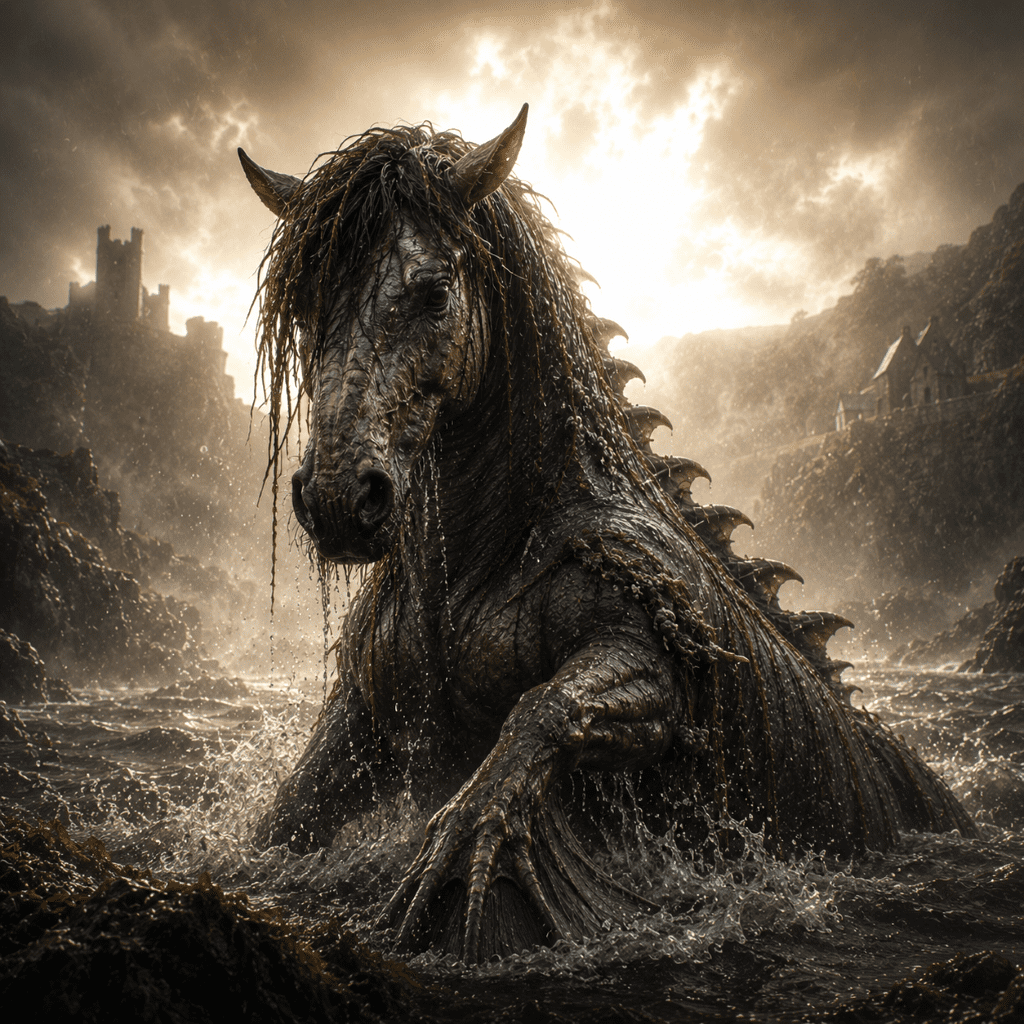
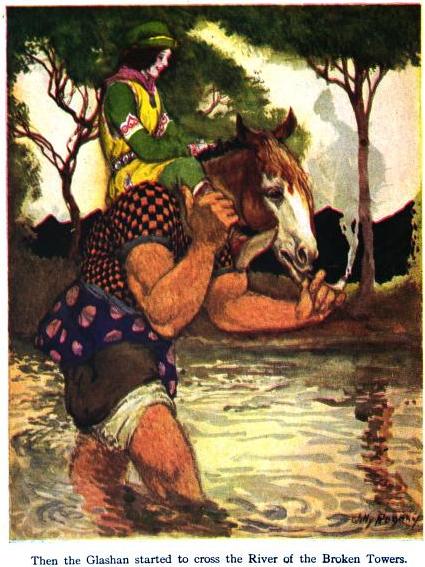
The appearance of the Glashtyn varies considerably depending on the source, which is one reason it remains such a captivating figure in Manx mythology. In many accounts, the creature appears as a water horse emerging from the sea or inland waters under the cover of darkness. These descriptions often depict it as a sturdy grey or reddish-brown horse with unusual eyes that hint at its supernatural nature. This form connects the Glashtyn to a wider Celtic tradition of dangerous aquatic horses.
Other traditions describe it as a hybrid creature possessing characteristics of both horses and cattle. Folklore records unusual combinations, including horses with bovine features and cattle with equine heads. These strange forms emphasize the creature’s supernatural origins and unpredictable nature.
The most famous depiction, however, is its human disguise. In this form, the Glashtyn appears as an exceptionally handsome young man with dark curly hair and striking eyes. Despite its convincing appearance, one detail often betrays its true identity: its horse-like ears. No matter how carefully it disguises itself, the creature is unable to conceal these animal features completely. This recurring motif serves as a warning against trusting appearances, a common theme in Celtic folklore.
Family
The Glashtyn does not possess a clearly defined family lineage in traditional Manx mythology. Unlike gods or heroic figures whose ancestry forms part of their stories, the Glashtyn exists as an independent supernatural entity.
Folklore instead associates it with a broader group of Manx water spirits and magical creatures. It is frequently linked to the Cabbyl-Ushtey, the legendary Manx water horse, and the Tarroo-Ushtey, the supernatural water bull. These creatures share similar habitats and often display comparable behaviors, particularly their connection to lakes, rivers, and coastal regions.
Because of these overlapping characteristics, some folklorists consider the Glashtyn part of a larger family of Manx water beings rather than a creature with specific relatives. In many cases, the distinctions between these beings blur, demonstrating how folklore traditions naturally evolve through generations of storytelling.
Other names
The Glashtyn appears under several different names, reflecting regional dialects and variations in spelling throughout the Isle of Man’s history. Common versions include Glashtyn, Glashtin, Glashtan, and Glashan. Although the spellings differ, they generally refer to the same supernatural figure.
In some folklore collections, the creature is closely associated with the Cabbyl-Ushtey, leading certain writers to treat the two beings as identical. Other sources maintain that they are separate entities that merely share similar traits and habitats.
The Glashtyn has also been described through descriptive titles based on its behavior. Some accounts refer to it as a “water goblin” due to its mischievous nature, while others emphasize its connection to aquatic horse legends. These multiple names illustrate the fluid nature of oral traditions, where stories change slightly from one community to another.
Powers and Abilities
The Glashtyn’s most significant ability is shapeshifting. This power allows it to move seamlessly between human, animal, and hybrid forms, making it difficult to recognize and avoid. As a water spirit, the Glashtyn possesses immense physical strength. In stories where it appears as a horse, it can carry riders effortlessly before attempting to drag them into the water. This characteristic closely resembles other Celtic water-horse legends and reinforces its reputation as a dangerous supernatural predator.
Many tales emphasize the creature’s talent for deception. When appearing as a handsome young man, it uses charm and persuasion to gain the trust of unsuspecting individuals. Women are particularly frequent targets in traditional stories, where the Glashtyn seeks to lure them away from safety and into isolated locations.
Folklore also attributes supernatural endurance and a strong connection to storms and rough weather. Some Manx traditions describe eerie cries or howls heard during approaching storms, associating these sounds with the creature’s presence. In certain versions, the Glashtyn is believed to become more active during turbulent weather conditions.
Despite its power, the creature is not invincible. Several stories mention that the crowing of a rooster can force it to retreat. Other traditions suggest that fire or burns weaken the Glashtyn, providing humans with a means of protection against its influence.
Interestingly, not every tale presents the creature as purely malicious. Some legends claim that a captured or controlled Glashtyn could perform extraordinary amounts of labor, serving as a powerful helper on farms. This duality reflects the complex nature of many Celtic spirits, which can be either beneficial or dangerous depending on how they are treated.
Modern Day Influence
Although rooted in ancient folklore, the Glashtyn continues to influence modern culture and interpretations of Manx mythology. Contemporary retellings often focus on its shape-shifting abilities and seductive human form, presenting it as a darker and more mysterious counterpart to other Celtic water spirits. These versions frequently highlight its horse ears and supernatural charisma, creating a memorable image for modern audiences.
The creature has also become an important symbol of Manx cultural heritage. Folklore enthusiasts, historians, and cultural organizations regularly feature the Glashtyn in discussions of the Isle of Man’s unique mythological traditions. As interest in Celtic mythology grows worldwide, the Glashtyn has gained recognition beyond its island origins.
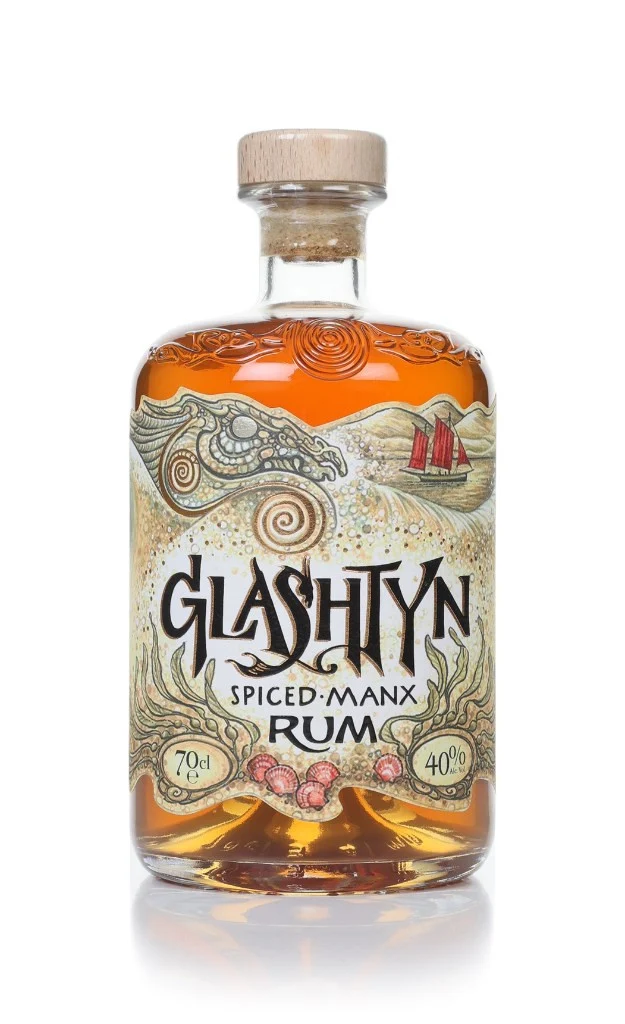
Its influence extends into modern media, fantasy literature, role-playing games, and commercial branding. Businesses on the Isle of Man have even adopted the creature’s name to celebrate local identity and folklore. These modern adaptations demonstrate how ancient legends continue to evolve while preserving connections to the past. Today, the Glashtyn remains a powerful reminder of the Isle of Man’s rich storytelling tradition, representing both the beauty and danger of the natural world that inspired generations of mythmakers.
Related Images

Source
As Manx as the Hills. (2015, September 27). The Glashtyn (or Glashtin). Retrieved June 16, 2026, from https://asmanxasthehills.com/the-glashtyn-or-glashtin/
Dapper Cadaver. (2008, June 15). Monster Mondays – The Glashtin. Retrieved June 16, 2026, from https://blog.dappercadaver.com/2008/06/16/monster-mondays-the-glashtin/
Wikipedia contributors. (2004–). Alastyn [Wikipedia article]. In Wikipedia, The Free Encyclopedia. Retrieved June 16, 2026, from https://fr.wikipedia.org/wiki/Alastyn
Colum, P. (1916). The King of Ireland’s Son. New York: Macmillan.
Cregeen, A. (1835). A Dictionary of the Manks Language. Douglas: Quiggin.
Kelly, J. (1866). Fockleyr Manninagh as Baarlagh. Douglas: Manx Society.
Moore, A. W. (1891). The Folk-Lore of the Isle of Man. London: David Nutt.
Train, J. (1845). An Historical and Statistical Account of the Isle of Man. Douglas: Quiggin.
Frequently Asked Questions
Is the Glashtyn the same as a Kelpie?
The Glashtyn shares many similarities with the Scottish Kelpie, particularly its connection to water and its ability to lure victims. However, it is a distinct figure from Manx mythology and often possesses unique goblin-like and shape-shifting characteristics.
What does the Glashtyn look like?
Where does the Glashtyn come from?
The Glashtyn originates from the Isle of Man and is part of the island’s traditional Celtic folklore.
What powers does the Glashtyn have?
Its primary abilities include shapeshifting, supernatural strength, deception, storm association, and the power to lure people toward dangerous waters.
How can someone escape a Glashtyn in folklore?
Traditional stories suggest that victims can escape through quick thinking, while some legends claim that a rooster’s crow or the use of fire can drive the creature away.
