


Aswang : The Shape-Shifting Predators of the Philippines
At a glance
| Description | |
|---|---|
| Origin | Philippine Mythology |
| Classification | Ghosts |
| Family Members | N/A |
| Region | Philippines |
| Associated With | Bloodsucking, Shapeshifting |
Mythlok Perspective
From the Mythlok perspective, the Aswang represents the unsettling possibility that danger can hide behind familiarity. Unlike the European werewolf, whose transformation exposes its monstrous nature, the Aswang often preserves its human appearance while concealing its predatory identity. This contrast makes it a powerful expression of communal mistrust and vulnerability. Across cultures, mythology repeatedly explores a disturbing truth: the most frightening monsters are sometimes those that remain indistinguishable from humanity.
Aswang
Introduction
The aswang is one of the most feared supernatural beings in Philippine folklore, associated with shapeshifting, witchcraft, nocturnal hunting, and the consumption of human flesh. Rather than describing a single creature, the term encompasses different supernatural beings whose characteristics vary across the Philippines, particularly in the Visayas.
In many accounts, an aswang appears human during the day but reveals its predatory nature after dark. Some assume animal forms, while others attack sleeping victims, prey on pregnant women, or consume corpses. The manananggal, known for separating its upper body from its lower half and flying at night, is among the best-known figures associated with the broader tradition.
Physical Description
The aswang has no universally accepted physical appearance. Some are described as ordinary men or women who conceal their supernatural identities, while others possess monstrous features or transform into animals. Dogs and birds are associated with certain accounts, although no single animal form defines every aswang.
The manananggal has a more distinctive appearance. Often depicted as a woman, she separates her upper body from her lower half and develops wings that allow her to fly at night. Some stories describe her using an elongated tongue to reach sleeping victims, particularly pregnant women. Other descriptions of aswang-related beings include unusual feet, bloodshot eyes, and animal-like features. These characteristics belong to particular regional traditions rather than a single standard depiction.
Mythological Context
Aswang stories explore the boundaries between humans, animals, and the supernatural. They frequently involve nocturnal predation, unexplained deaths, childbirth, and the fear that a familiar person may conceal a dangerous identity. Pregnant women and unborn children feature prominently in certain narratives, particularly those associated with the manananggal. Other accounts describe supernatural beings that consume corpses or disturb graves. These differing characteristics demonstrate that the aswang tradition encompasses multiple forms of supernatural danger rather than one creature with a fixed set of abilities.
Oral storytelling has preserved and transformed these beliefs across generations. Regional variations reflect the diverse languages, cultural practices, and local interpretations found throughout the Philippines.
Origins
The precise origins of aswang folklore remain uncertain. The tradition is deeply rooted in Philippine cultural history, but surviving written records do not establish when or where it first emerged. Aswang beliefs are particularly associated with Visayan communities, including those in Panay and Negros, although related traditions occur elsewhere in the archipelago. Spanish colonial accounts provide historical evidence of these beliefs. In 1731, Augustinian priest Tomas Ortiz described a supernatural being called asuang that preyed upon women in childbirth and used a threadlike tongue to attack an unborn child. This account resembles characteristics associated with some modern descriptions of the aswang and manananggal, but it does not establish the tradition’s original date.
Capiz, a province on Panay Island, is strongly associated with aswang folklore today. However, this cultural association does not prove that the tradition originated there. Its geographical distribution and regional variations suggest a complex history shaped by multiple communities.
Notable Members
The manananggal is among the most recognisable figures associated with aswang folklore. Her ability to separate her upper body, grow wings, and hunt at night distinguishes her from other supernatural beings. She is particularly associated with attacks on pregnant women and unborn children. The tiktik is associated in some traditions with ominous bird calls believed to signal the presence of an aswang. The wakwak is similarly connected with nocturnal activity, flying creatures, and unsettling sounds in certain accounts. Their precise characteristics and relationship vary between regions, and the names are not always interchangeable.
The busaw appears in some Philippine traditions as a supernatural being associated with corpses and the consumption of the dead. Other regional variants combine characteristics of shapeshifters, witches, and flesh-eating creatures. These figures illustrate the diversity of beings connected with the broader aswang tradition.
Relationship with Other Beings
The aswang shares characteristics with several supernatural beings in Philippine folklore. The manananggal is closely associated with the tradition in many accounts, although her distinctive bodily separation and nocturnal flight set her apart. The tiktik and wakwak are linked to particular sounds and signs of supernatural danger, while the busaw is associated with the dead in some regional narratives.
These relationships are not uniform throughout the Philippines. A creature classified as an aswang in one community may be understood differently elsewhere. Philippine folklore consists of overlapping regional traditions rather than a single, centrally organised system of supernatural beings.
Similar Beings
The aswang shares characteristics with supernatural figures from other cultures. Like vampires, certain aswang are associated with nocturnal hunting and attacks on vulnerable victims. The manananggal, however, is distinguished by its ability to separate its upper body and fly. Some aswang resemble werewolves through their association with shapeshifting and animal forms. Others share characteristics with witch figures found in different cultural traditions, particularly the concealment of supernatural powers behind an ordinary human appearance.
Southeast Asian folklore also contains beings associated with nocturnal flight, bodily separation, and attacks on pregnant women. These similarities provide a useful comparative context, but they do not establish identical origins or direct connections between the traditions.
Symbolism and Interpretations
The aswang represents the fear that danger can exist within an apparently familiar community. Its ability to appear human creates uncertainty about trust, identity, and the difference between appearances and reality. Stories about attacks on pregnant women and unborn children reflect traditional anxieties surrounding childbirth, infant survival, and human vulnerability. Beings associated with corpses and graveyards express fears surrounding death and the integrity of the human body.
The aswang also illustrates how communities interpret unexplained events through folklore. Strange sounds, unusual behaviour, and environmental occurrences can acquire supernatural significance within local traditions. Its continuing presence in Philippine culture demonstrates how folklore preserves collective fears while adapting to changing social circumstances.
Modern Influence
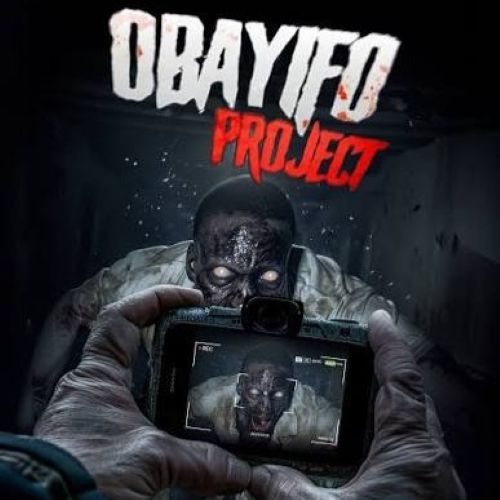
The aswang remains prominent in Philippine horror films, literature, television, and popular culture. Films such as Tiktik: The Aswang Chronicles adapt familiar folkloric elements for contemporary audiences, reinterpreting the creature’s appearance, abilities, and cultural significance. Modern portrayals often emphasise the aswang’s ability to conceal its identity within ordinary society. This makes it an effective figure in stories about mistrust, secrecy, and hidden danger. Capiz remains strongly associated with aswang folklore, although the tradition extends across several Philippine regions.
The aswang continues to evolve through storytelling and popular media. Its enduring appeal lies in its adaptability as both a supernatural predator and a symbol of social fears, cultural identity, and the uncertain boundaries between the familiar and the unknown.
Related Images







Sources
Fabrero, A. (1981). The Aswang syncrasy in Philippine folklore. Philippine Studies: Historical and Ethnographic Viewpoints, 29(1), 63–82. https://www.jstor.org/stable/1499218
All That’s Interesting. (2024, July 10). Aswangs – The shapeshifting bloodsucker of Filipino folklore. https://allthatsinteresting.com/aswang
Casibual, J. P., Jr. (2022). Of women and monsters: A case study of Philippine creature urban legends. Southeastern Philippines Journal of Research and Development, 27(2). https://journal.usep.edu.ph/index.php/Southeastern_Philippines_Journal/article/download/143/69/
University of the Philippines. (2022). Science and the supernatural: Filipino folklore through a scientific lens. https://science.upd.edu.ph/science-and-the-supernatural-filipino-folklore-through-a-scientific-lens/
The Aswang Project. (n.d.). Etymology of Aswang: Where did the word come from? https://www.aswangproject.com/etymology-aswang/
Kyoto Review of Southeast Asia. (2006). In search of Aswang: A ghost, monster, and sorcerer in Philippine society. https://kyotoreview.org/issue-12/in-search-of-aswang-a-ghost-story-monster-and-sorcerer-in-philippine-society/
Michael, A. (2024, June 23). Aswang: A mythical creature in Philippine folklore. Medium. https://medium.com/@michaelanthony.33/aswang-a-mythical-creature-in-philippine-folklore-da82f69b3146
Frequently Asked Questions
What does aswang do to humans?
Aswangs are shapeshifting monsters in Philippine myth. Feared for their taste for human blood and flesh, they especially target pregnant women and babies. They lurk in darkness, disguising themselves and using trickery to lure victims close. Aswangs are a terrifying reminder of the dangers that can hide in plain sight.
Is aswang real in the Philippines?
Aswangs are creatures of Philippine folklore, not reality. There’s no scientific evidence to support their existence. However, these myths are very much alive in Filipino culture.
What are the 5 types of aswang?
What is the difference between Manananggal and aswang?



Pingback: Aswang Philippines: Shape-Shifting Monster
Pingback: Minisode 12 - Shapeshifting Floating Torso: The Aswang - Strange Woods Podcast
Pingback: Aswang – Doyle's Space