


Oni : The Horned Spirits of Japanese Legend
At a glance
| Description | |
|---|---|
| Origin | Japanese Mythology |
| Classification | Spirits |
| Family Members | N/A |
| Region | Japan |
| Associated With | Evil, Bad Luck, Super Strength |
Mythlok Perspective
From the Mythlok lens, the Oni occupy a role similar to figures like the Greek Erinyes or the Hindu Rakshasas, serving as supernatural enforcers of moral and cosmic imbalance. Unlike many mythological monsters that represent absolute evil, however, the Oni exist on a moral spectrum. They can be ruthless destroyers, guardians of sacred places, or even beings capable of redemption. This complexity reflects a recurring truth across world mythologies: the greatest monsters are often born not from their appearance, but from unchecked anger, greed, and hatred.
Oni
Introduction
The Oni are among the most recognizable supernatural beings in Japanese mythology. Often depicted as towering ogre-like demons with immense strength and terrifying appearances, they have long served as symbols of destruction, punishment, and the darker aspects of human nature. From ancient folktales and Buddhist legends to modern anime and video games, Oni have remained a defining part of Japan’s rich mythological tradition.
Despite their fearsome reputation, Oni are more than simple monsters. Their portrayal has evolved over centuries through the influence of indigenous Japanese beliefs, Chinese folklore, and Buddhism. While they are commonly cast as villains who torment humans and punish the wicked, some regional traditions depict Oni as guardians, protectors, or beings capable of redemption. This complexity has made them enduring figures in Japanese culture.
Physical Description
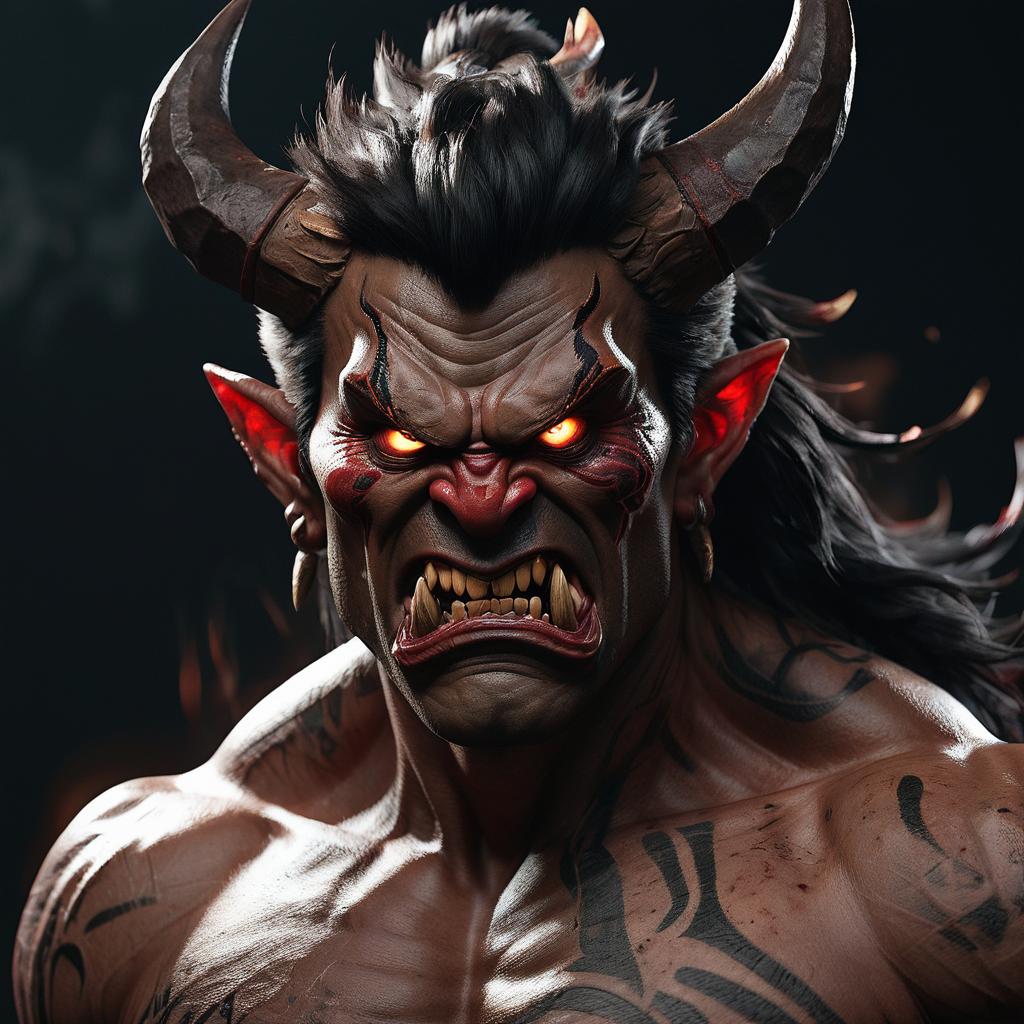
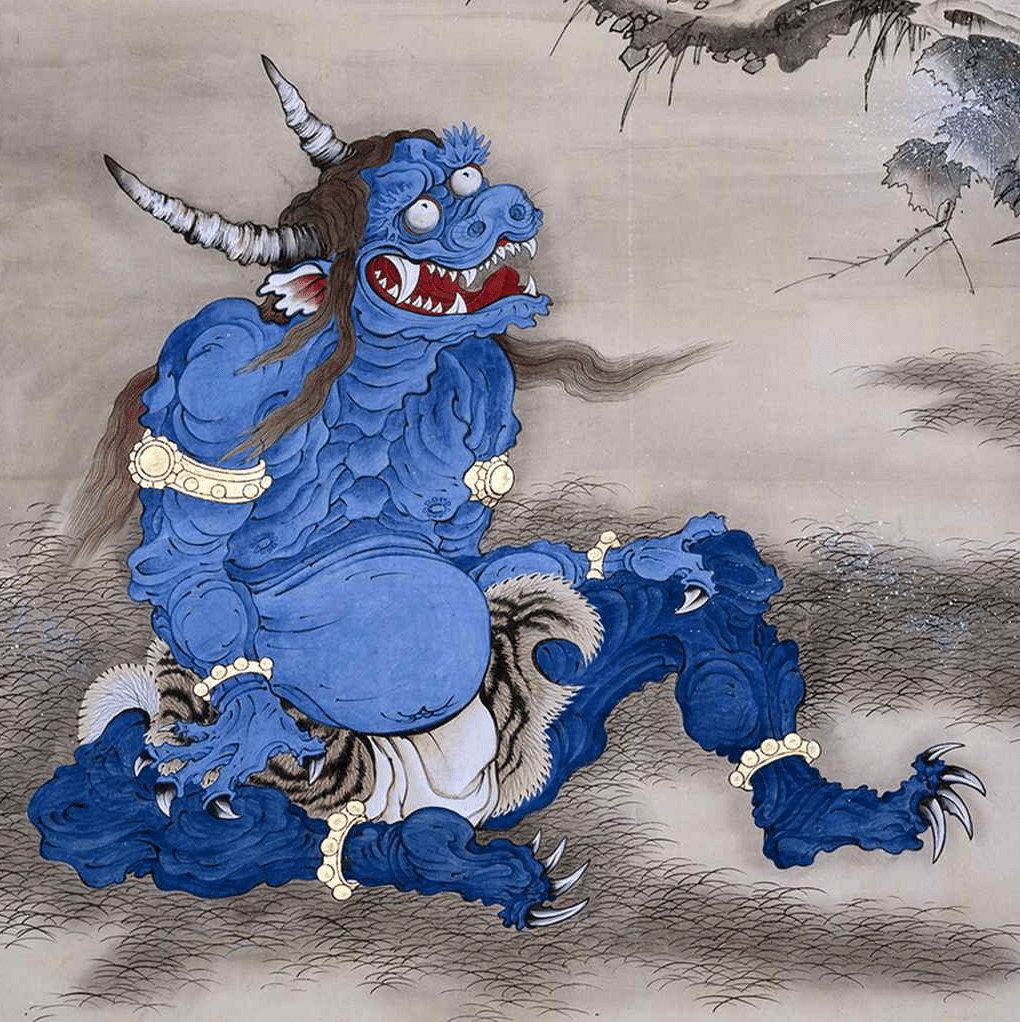
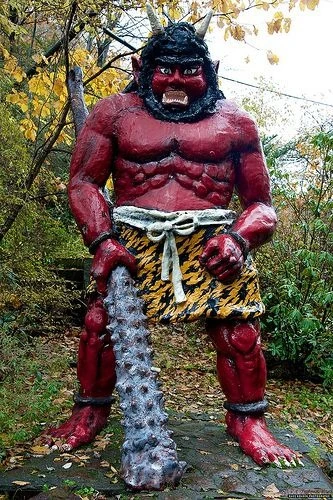
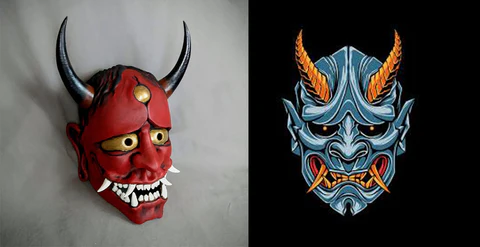
Oni are typically portrayed as enormous humanoid creatures that tower over ordinary humans. They possess muscular bodies, fierce expressions, sharp fangs, clawed hands, and one or more horns protruding from their foreheads. Their skin is most commonly red or blue, although black, green, and yellow Oni also appear in Japanese artwork and folklore.
They are traditionally dressed in tiger-skin loincloths and wield massive iron clubs known as kanabō, weapons that symbolize their overwhelming strength. Artistic depictions often exaggerate their monstrous features, with wild hair, glowing eyes, and intimidating physiques. While their appearance remains largely consistent across Japan, some legends describe individual Oni with additional eyes, extra limbs, or the ability to disguise themselves as humans in order to deceive their victims.
Mythological Context
Oni belong to the broad category of supernatural beings known as yōkai, although they occupy a unique place within Japanese mythology. Early Buddhist traditions portrayed them as demons that punished sinners in Jigoku, the Buddhist underworld, while Japanese folklore later transformed them into mountain-dwelling monsters that preyed upon travelers and villages.
Many folktales depict Oni as the ultimate obstacle that heroes must overcome. They appear in famous stories such as Momotarō, where they inhabit the island of Onigashima, and in legends surrounding powerful warriors like Minamoto no Raikō. Although usually associated with destruction and cruelty, Oni occasionally appear as protectors of sacred places or as supernatural beings who undergo repentance, reflecting the moral complexity found throughout Japanese mythology.
Origins
The exact origins of the Oni remain uncertain, and no single explanation exists within Japanese tradition. Most scholars believe the concept developed through a combination of indigenous Japanese spirit beliefs, Chinese folklore concerning spirits known as gui, and Buddhist teachings that introduced powerful demons responsible for punishing evil.
Over time, these influences merged into the familiar image of the horned ogre. As Buddhism spread throughout Japan, Oni became closely associated with hell and divine punishment, while local folklore reimagined them as mountain-dwelling monsters, raiders, and supernatural beings that threatened human settlements. This gradual evolution explains why Oni vary considerably between different regions and stories.
Powers and Abilities
Oni are renowned for their extraordinary physical strength, making them some of the most formidable creatures in Japanese mythology. They can effortlessly wield enormous iron clubs, shatter rocks, destroy buildings, and overpower even skilled warriors. Their supernatural endurance allows them to survive injuries that would prove fatal to ordinary humans.
Beyond their physical might, many Oni possess magical abilities, although these vary between legends. Some can breathe fire, create illusions, manipulate natural forces, or disguise themselves as humans to lure unsuspecting victims. Their intelligence and cunning often make them as dangerous as their strength. Despite their immense power, Oni are not invincible. Sacred rituals, Buddhist prayers, enchanted weapons, and courageous heroes frequently overcome them in Japanese folklore, reinforcing the triumph of virtue over evil.
Notable Members
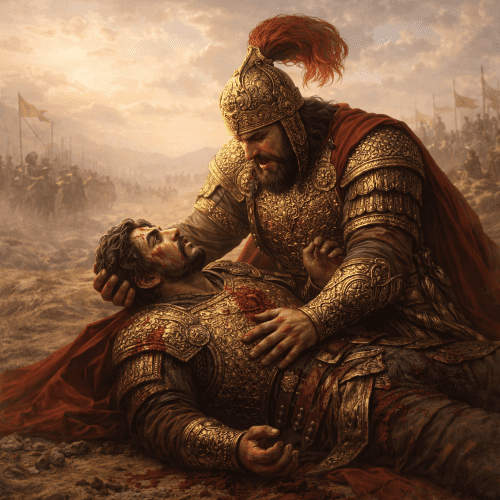
Among the many Oni found in Japanese mythology, Shuten Dōji is the most famous. Said to have ruled Mount Ōe near Kyoto, he was a powerful Oni leader who terrorized the surrounding region until he was defeated by the legendary warrior Minamoto no Raikō. His story remains one of Japan’s most celebrated demon legends and has inspired countless works of literature, theatre, and art.
Another well-known Oni is Ibaraki Dōji, often portrayed as Shuten Dōji’s most loyal companion. Famous for losing an arm during battle with the samurai Watanabe no Tsuna, Ibaraki Dōji later returned in disguise to reclaim the severed limb. Other regional legends introduce numerous Oni of varying power and temperament, demonstrating that these beings are not a single race with a fixed hierarchy but a diverse class of supernatural creatures.
Relationship with Other Beings
Oni frequently interact with humans, gods, monks, and other supernatural beings throughout Japanese mythology. They are commonly portrayed as enemies of humanity, attacking villages, abducting people, or testing the courage of heroes. Buddhist monks often confront Oni through prayer and sacred rituals, while legendary warriors battle them as symbols of justice triumphing over chaos.
Although Oni are usually antagonists, their relationships are not always hostile. Some stories describe Oni serving powerful deities or acting as guardians of sacred locations. In certain regional traditions, they are even believed to protect communities by driving away greater evils. These contrasting roles highlight the flexibility of Oni within Japanese folklore, where they can embody both destruction and protection depending on the narrative.
Similar Beings
Oni are sometimes compared with other supernatural beings from Japan and beyond, but they remain distinct in both appearance and mythology. Within Japanese folklore, they are occasionally confused with creatures such as the Tengu or the ritual figures known as Namahage, although each possesses separate origins, symbolism, and traditions. They are best understood as powerful ogre-like yōkai rather than simply another type of demon.
Outside Japan, Oni share similarities with the ogres of European folklore, the Dokkaebi of Korean mythology, and certain monstrous beings from Chinese mythology. Despite these parallels, the Oni’s unique blend of Buddhist symbolism, folkloric evolution, and cultural significance makes them one of Japan’s most distinctive mythological figures.
Symbolism and Interpretations
Throughout Japanese mythology, Oni symbolize the destructive forces that threaten both society and the individual. They often represent uncontrolled anger, greed, violence, and human vice, serving as moral warnings against giving in to destructive impulses. Their role as punishers in Buddhist tradition further reinforces the consequences of immoral actions.
At the same time, they also symbolize transformation and redemption. Some legends depict humans becoming Oni through overwhelming hatred or jealousy, while others tell of Oni who repent or become protectors after encountering compassion or spiritual guidance. During the annual Setsubun festival, people throw roasted soybeans while chanting “Oni wa soto! Fuku wa uchi!” (“Demons out! Good fortune in!”), using the Oni as a symbolic representation of misfortune and negativity that must be driven away.
Modern Influence
Oni continue to play a prominent role in Japanese culture and popular entertainment. Their unmistakable appearance has inspired centuries of artistic expression, appearing in woodblock prints, temple carvings, Noh and Kabuki theatre, festival masks, manga, anime, films, and video games. Their visual design has become one of the defining symbols of Japanese folklore worldwide.
Modern storytellers frequently reinterpret them in new ways, portraying them not only as terrifying villains but also as tragic antiheroes, protectors, or misunderstood beings. This evolving portrayal reflects the enduring appeal of the Oni, whose stories continue to explore themes of fear, morality, redemption, and the eternal struggle between order and chaos. Their lasting presence in both traditional folklore and contemporary media ensures that they remain among the most iconic figures in Japanese mythology.
Related Images


Sources
Ashkenazi, M. (2003). Handbook of Japanese mythology. ABC-CLIO.
Foster, M. D. (2009). Pandemonium and parade: Japanese monsters and the culture of yōkai. University of California Press.
Foster, M. D. (2015). The book of yōkai: Mysterious creatures of Japanese folklore. University of California Press.
Reider, N. T. (2005). Shuten Dōji: The oni king. Japanese Studies, 25(1), 5–25. https://doi.org/10.1080/10371390500067070
Reider, N. T. (2010). Japanese demon lore: Oni from ancient times to the present. Utah State University Press.
The British Museum. (n.d.). Japan galleries. https://www.britishmuseum.org/collection/galleries/japan
The British Museum. (n.d.). Netsuke: Reclining oni (Museum no. 1945,1017.649). https://www.britishmuseum.org/collection/object/A_1945-1017-649
YOKAI.JP. (n.d.). Oni. https://yokai.jp/en/yokai/oni
Frequently Asked Questions
What is an Oni in Japanese mythology?
An Oni is a powerful ogre-like yōkai in Japanese mythology, often depicted with horns, colorful skin, and an iron club. They are associated with strength, punishment, and supernatural power.
Are Oni evil or good?
Oni are traditionally portrayed as malevolent beings that punish wrongdoers and terrorize humans. However, some regional legends depict them as protectors, guardians, or beings capable of redemption.
What powers do Oni have?
Oni possess immense physical strength, exceptional endurance, and supernatural abilities. Depending on the legend, some can shapeshift, breathe fire, manipulate natural forces, or create powerful illusions.
Who is the most famous Oni in Japanese mythology?
The most famous Oni is Shuten Dōji, the legendary demon leader of Mount Ōe. He was defeated by the samurai Minamoto no Raikō and remains one of Japan’s best-known mythological villains.
What do Oni symbolize in Japanese culture?
Oni symbolize punishment, chaos, human vices, and inner demons in Japanese mythology. They also represent the triumph of good over evil and feature prominently in traditions like the Setsubun festival


