
Yokai vs Djinn : Ancient Spirits Across Two Worlds
Across cultures, the unseen has always demanded explanation. In Japan, this gave rise to Yokai—mysterious entities embedded within the natural and domestic world. They are not confined to a single origin story but instead emerge from centuries of folklore, regional beliefs, and oral storytelling. Yokai can be born from emotions, neglected objects, natural forces, or even human transformation. This fluid origin reflects a worldview where the boundary between the ordinary and extraordinary is constantly shifting.
Djinn, by contrast, have a far more defined origin. Emerging from pre-Islamic Arabian traditions and later integrated into Islamic cosmology, Djinn are described as beings created from smokeless fire. They exist alongside humans but in a separate, unseen dimension. Unlike Yokai, whose origins can feel scattered and organic, Djinn are part of a structured cosmological system. Their existence is not merely folklore but also theological, giving them a more formal place in cultural belief.
This distinction forms the foundation of the Yokai vs Djinn comparison. Yokai represent a decentralized and evolving tradition, while Djinn belong to a more codified and philosophical framework. One grows from the land and its stories, the other from doctrine and metaphysical order.
Nature, Powers, and Forms
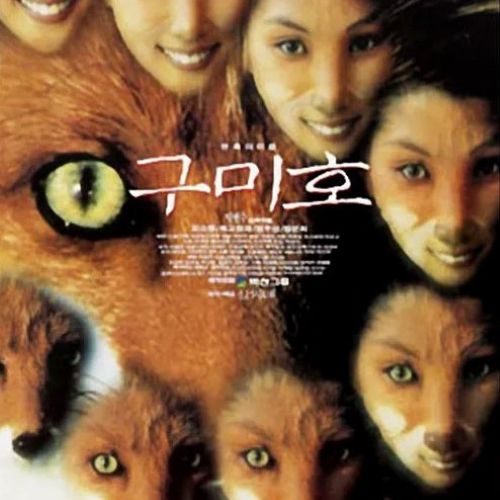
The diversity of Yokai is one of their most defining traits. They can appear as grotesque monsters, beautiful spirits, animals, or even animated objects. A lantern may gain a face, a river may hide a creature, or a fox may walk among humans in disguise. Their powers vary widely, from harmless pranks to dangerous illusions. This unpredictability is central to their identity. Yokai are not bound by strict rules, making them both fascinating and unsettling.
Djinn, while also capable of transformation, are more consistent in their essence. They are often invisible but can take physical form when they choose. Their abilities include immense strength, speed, and influence over the human mind. Some traditions speak of Djinn traveling vast distances instantly or whispering thoughts into human consciousness. Their power feels more focused and purposeful compared to the chaotic variety of Yokai.
Another key difference in the Yokai vs Djinn dynamic is moral alignment. Yokai are rarely defined by morality. They act according to their nature, which may be mischievous, indifferent, or occasionally benevolent. Djinn, however, possess free will similar to humans. They can choose good or evil, making them morally accountable beings. This gives Djinn a deeper philosophical role, often tied to themes of temptation, discipline, and consequence.
Interaction with Humans
Encounters with Yokai are often localized and personal. A traveler might meet a strange entity on a forest path, or a household might experience unexplained disturbances. These interactions are typically brief and symbolic, serving as cautionary tales or reflections of human behavior. Yokai rarely seek control over humans. Instead, they disrupt, confuse, or occasionally guide, leaving behind a sense of mystery rather than domination.
Djinn interactions, on the other hand, tend to carry greater weight. Stories frequently involve possession, bargains, or attempts to harness their power. Humans who seek to control Djinn often face unintended consequences, reinforcing the idea that such forces are not meant to be mastered. These narratives highlight a recurring theme in the Yokai vs Djinn comparison—while Yokai exist alongside humans, Djinn often challenge or confront them.
This difference also reflects cultural attitudes. Yokai stories often emphasize coexistence with the unknown, while Djinn stories warn against overreaching into realms beyond human understanding.
Symbolism and Cultural Meaning
Symbolically, Yokai represent a world where everything holds potential for transformation. They embody the idea that the extraordinary exists within the ordinary. This perspective encourages awareness, respect for nature, and an acceptance of ambiguity. Yokai are not purely objects of fear; they are reminders that the world is alive in ways humans may not fully comprehend.
Djinn, however, symbolize the tension between power and responsibility. Their stories often intersect with themes of morality, faith, and the unseen consequences of human actions. They are not just supernatural beings but also reflections of internal struggles—temptation, desire, and the limits of human control.
In the Yokai vs Djinn narrative, these symbolic differences become clear. Yokai invite curiosity and observation, while Djinn demand caution and introspection. One reflects harmony with the unknown, the other a negotiation with it.
Modern Interpretations and Global Influence
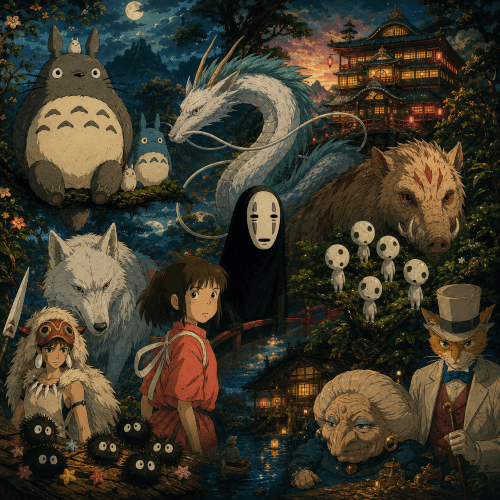
In contemporary culture, both Yokai and Djinn have evolved beyond their traditional roots. Yokai have become central figures in Japanese popular culture, appearing in anime, manga, and video games. Their adaptability allows them to be reimagined endlessly, from comedic companions to terrifying antagonists.
Djinn, meanwhile, have gained global recognition through literature and cinema, often portrayed as powerful entities tied to wishes and hidden dangers. While modern interpretations sometimes simplify their complexity, the core idea of Djinn as beings of immense power and moral ambiguity remains intact.
The Yokai vs Djinn comparison in modern media reveals how each has been reshaped for new audiences. Yet, their foundational identities continue to influence how they are portrayed and understood.
Conclusion
The comparison of Yokai vs Djinn is ultimately a study in how cultures interpret the unseen. Yokai blur the line between reality and imagination, making the world feel alive and unpredictable. Djinn, in contrast, introduce a structured sense of the supernatural, where power is balanced by responsibility and consequence.
Both traditions offer unique insights into human thought. Yokai teach us to observe and respect the strange within the familiar. Djinn remind us that unseen forces—whether external or internal—carry weight and meaning. Together, they reveal that while the forms of the supernatural may differ, the human desire to understand it remains universal.
No posts were found.