


Yokai : Strange Spirits and Creatures from Japanese Folklore
| Description | |
|---|---|
| Origin | Japanese Mythology |
| Nature | Varied |
| Notable Members | Kappa, Tengu, Kitsune, Oni, Yuki-onna |
| Symbolism | Nature’s unpredictability, Morality, Social fears, Death |
| Epics | Hyakki Yagyō Emaki, Konjaku Monogatari, Kojiki, Nihon Shoki |
Mythlok Perspective
In Mythlok’s Perspective, Yokai represent Japan’s interpretation of nature’s unseen forces rather than simple monsters. They embody ambiguity, shifting between danger, humor, and wisdom. Similar figures appear in other cultures: European fairies guard forests yet trick travelers, while Indian yakshas protect natural spaces with equal unpredictability. These parallels reveal a shared human instinct to personify the unknown, transforming environmental mysteries into memorable mythic beings.
Yokai
Introduction
Yokai (妖怪) are supernatural entities deeply embedded in Japanese folklore and cultural imagination. The word itself combines the characters yō, meaning strange or bewitched, and kai, meaning apparition or mystery. Together, they describe beings that exist in the grey area between the natural and supernatural worlds. Rather than referring to a single species, the term Yokai functions as a broad category encompassing spirits, monsters, shapeshifters, ghosts, and even animated objects.
Across centuries of Japanese storytelling, Yokai have served as explanations for unexplained events, strange sounds in the night, unusual weather, or sudden misfortune. Villagers once blamed mysterious illnesses or missing livestock on these unseen beings. At the same time, Yokai stories were never purely about fear. Many of them carried humor, moral lessons, or cautionary advice about respecting nature and social boundaries.
Today, Yokai remain one of the most recognizable elements of Japanese folklore. Their imagery appears in paintings, scrolls, literature, and modern entertainment. From eerie mountain spirits to mischievous tricksters hiding in rivers, Yokai represent the mysterious forces that humans have long sensed but struggled to understand.
Physical Description
One of the defining features of Yokai is their extraordinary diversity of appearance. Unlike mythological beings that belong to a single species or race, Yokai can take almost any form imaginable. Some resemble animals, others appear humanoid, and many combine both human and animal traits in unusual ways.
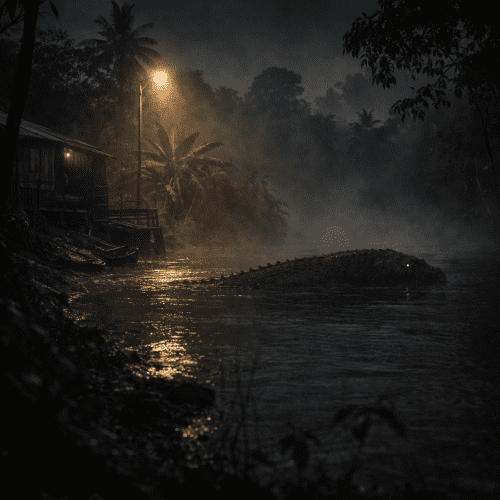
Animal-based Yokai are among the most well known. Fox spirits known as kitsune can transform into humans, often appearing as elegant women. Tanuki, raccoon-dog spirits, are famous for their playful pranks and shapeshifting abilities. Water spirits such as the kappa possess turtle-like shells, webbed limbs, and a bowl of water on their heads that sustains their power.
Humanoid Yokai can be equally strange. The rokurokubi appears as an ordinary woman during the day but stretches her neck to unnatural lengths at night. The noppera-bō looks human until its face suddenly disappears, leaving only smooth skin where eyes and a mouth should be. These transformations create a sense of uncanny familiarity, making Yokai both recognizable and unsettling.
Some Yokai originate from objects rather than living creatures. Known as tsukumogami, these beings form when household tools or items gain a spirit after a century of existence. Umbrellas, lanterns, sandals, and even musical instruments have been depicted awakening and wandering about at night. This idea reflects the animistic belief that objects possess a life force that can eventually become conscious.
Because they have no single physical form, their appearance often symbolizes the particular phenomenon they represent. River spirits are amphibious, mountain beings resemble birds or monks, and winter spirits are pale and cold. Through these forms, the unseen forces of nature gain visible shape.
Mythological Context
Yokai exist within the broader spiritual landscape shaped by Shinto and Buddhist traditions. Shinto, Japan’s indigenous belief system, is strongly animistic. It teaches that spiritual presence exists within natural features such as mountains, rivers, trees, and animals. While many of these spirits are revered as kami, others manifest as more ambiguous entities that humans perceive as Yokai.
In this worldview, they occupy the boundary between the human world and the unseen realm. They are not always evil or demonic. Instead, they reflect the unpredictable character of nature itself. Rivers can nourish crops yet also flood villages. Mountains can provide shelter but also hide dangers. Yokai personify these uncertainties.
Stories often place Yokai in liminal spaces, locations where boundaries blur. Twilight, foggy forests, lonely bridges, and abandoned houses are common settings. These places symbolize moments when ordinary reality becomes unstable and the supernatural becomes possible.
Festivals and rituals sometimes reference Yokai as well. During Setsubun, beans are thrown while people shout “Oni wa soto!” meaning “Demons out!” to symbolically drive away malevolent forces before spring begins. Such traditions show how Yokai became integrated into seasonal practices and communal life.
Origins
The concept evolved gradually through Japanese history. Early references to strange supernatural phenomena appear in historical chronicles such as the Kojiki from 712 CE and the Nihon Shoki from 720 CE. These texts mention monstrous beings and mysterious events that later generations would classify as Yokai.
During the medieval period, folklore expanded through oral storytelling. Travelers, monks, and villagers shared tales of strange encounters in forests or mountains. Over time these stories developed distinct creatures and personalities, turning mysterious events into recognizable mythic beings.
The Edo period, which lasted from the seventeenth to nineteenth centuries, played a particularly important role in shaping the visual identity of Yokai. Artists began illustrating collections of supernatural creatures in books and scrolls. One famous example is the Hyakki Yagyō, or “Night Parade of One Hundred Demons,” which depicts countless Yokai marching together through the night.
Illustrators such as Toriyama Sekien catalogued these creatures in encyclopedic works, blending traditional legends with imaginative creations. As printing technology spread, these images standardized how many Yokai were portrayed, ensuring their survival in cultural memory.
Notable Members
Among the countless Yokai described in Japanese folklore, several figures appear repeatedly in stories and art. The kappa is a water-dwelling creature that inhabits rivers and ponds. Though sometimes playful, it can also be dangerous, especially to children or careless swimmers. Interestingly, kappa are bound by strict politeness; bowing to one may cause it to spill the water from its head, temporarily weakening it.
The tengu is another prominent creatures associated with mountains. Early depictions show them as bird-like beings with wings and beaks, while later portrayals give them human bodies and long red noses. Tengu are often depicted as skilled martial artists and guardians of sacred mountain spaces.
Fox spirits known as kitsune are famous shapeshifters capable of taking human form. Some stories portray them as tricksters, while others depict them as loyal servants of the deity Inari. Their intelligence and magical abilities make them one of the most complex Yokai in Japanese folklore.
Another well-known figure is the oni, a powerful ogre-like being with horns, fangs, and brightly colored skin. Oni frequently appear as agents of punishment or chaos, symbolizing destructive forces that threaten order. Finally, the Yuki-onna, or Snow Woman, represents the deadly beauty of winter. She appears as a pale woman drifting through snowstorms, sometimes freezing travelers with her icy breath.
Relationship with Other Beings
Yokai exist alongside other supernatural beings in Japanese belief systems, particularly kami and yūrei. Kami are typically worshipped as divine spirits connected to natural features or ancestral power. In contrast, Yokai are usually not objects of formal worship and often behave more unpredictably.
Despite this distinction, the boundary between the two categories can sometimes blur. In certain regions, creatures like kappa may be treated almost like local deities, receiving offerings to prevent mischief. Similarly, some legends describe powerful Yokai eventually becoming protective spirits.
Yūrei, on the other hand, represent the ghosts of deceased humans. These spirits remain in the world because of unresolved emotions such as revenge, grief, or injustice. Yokai differ because they are not human souls but independent supernatural entities that inhabit the same spiritual ecosystem.
Similar Beings
Many cultures feature supernatural creatures similar to Yokai. In Chinese folklore, the term yaoguai refers to strange spirits or monsters capable of shapeshifting, a concept closely related to the Japanese Yokai. These traditions influenced each other through centuries of cultural exchange.
In Europe, fairies and goblins occupy a similar role. They are unpredictable beings connected to natural landscapes, capable of helping or harming humans depending on circumstances. Greek traditions describe daimones, spiritual intermediaries between gods and humans that sometimes behave in ways reminiscent of Yokai.
Indian folklore includes yakshas and nature spirits that guard forests and treasures. Like Yokai, they can appear benevolent in some stories and dangerous in others. Such parallels suggest that many societies developed comparable ways of interpreting mysterious forces in the natural world.
Symbolism and Interpretations
Yokai often symbolize humanity’s attempt to interpret uncertainty and danger. Rivers can drown travelers, forests can disorient wanderers, and sudden illness can strike without warning. By giving these threats recognizable forms, folklore allowed communities to narrate and remember these risks.
Some Yokai embody moral lessons. Oni may represent punishment for wrongdoing, while mischievous tricksters warn against arrogance or carelessness. Others express deeper cultural anxieties about isolation, nature’s power, or hidden identities.
Psychologically, Yokai also illustrate how societies project emotions and fears into mythic imagery. A faceless ghost might symbolize the loss of identity, while a shapeshifting fox could reflect suspicion toward deception. These interpretations reveal that Yokai function not only as folklore characters but also as symbolic expressions of human experience.
Modern Influence
In modern Japan, Yokai continue to thrive in literature, art, and entertainment. The manga series GeGeGe no Kitarō by Shigeru Mizuki played a major role in reintroducing traditional Yokai to contemporary audiences. The series portrayed many of them as sympathetic characters rather than simple monsters.
Anime and video games frequently draw inspiration from Yokai mythology. Titles such as Yokai Watch, Natsume’s Book of Friends, and various role-playing games reinterpret these creatures for modern storytelling. Even franchises like Pokémon borrow visual elements from fox spirits, raccoon-dog tricksters, and other Yokai archetypes.
Beyond media, Yokai have become part of tourism and cultural heritage. Museums, festivals, and themed walking routes celebrate regional legends associated with particular creatures. These events keep centuries-old folklore alive while introducing new audiences to Japan’s mythic traditions.

Sources
Foster, M. D. (2015). Yōkai. The Oxford Research Encyclopedia of Religion. https://oxfordre.com/religion/display/10.1093/acrefore/9780199340378.001.0001/acrefore-9780199340378-e-52
Encyclopaedia Britannica. (2023). Yōkai. https://www.britannica.com/topic/yokai
Yokai.com. (n.d.). What is a yōkai? https://yokai.com/
Japanese Wiki Corpus. (n.d.). Yokai. https://www.japanese-wiki-corpus.org/literature/Yokai.html
Foster, M. D. (2009). Pandemonium and parade: Japanese monsters and the culture of yōkai. University of California Press.
Meyer, M. (2015). The night parade of one hundred demons: A field guide to Japanese yōkai. Matthew Meyer Publishing.
Reider, N. T. (2010). Japanese demon lore: Oni from ancient times to the present. Utah State University Press.
Foster, M. D. (2008). The metamorphosis of the yōkai: Transformations of supernatural beings in Japanese folklore. Asian Folklore Studies, 67(2), 201–225. https://doi.org/10.2307/25703223
Frequently Asked Questions
What are Yokai in Japanese folklore?
Yokai are supernatural entities from Japanese folklore that include monsters, spirits, shapeshifters, and animated objects. They often explain mysterious events or natural phenomena.
Are Yokai evil spirits?
Not always. Some Yokai are dangerous, but many are neutral or even helpful. Their behavior often reflects the unpredictable forces of nature.
What is the difference between Yokai and Kami?
Kami are typically revered as divine spirits in Shinto belief, while Yokai are more ambiguous supernatural beings that are rarely worshipped and often behave unpredictably.
What are some famous Yokai?
Do Yokai appear in modern media?
Yes. Yokai frequently appear in anime, manga, and video games, influencing popular culture worldwide through works like GeGeGe no Kitarō and Yokai Watch.
