
Chinese Mythology
Chinese mythology encompasses a vast collection of creation stories, legends, supernatural beings, heroic narratives, ancestral traditions, and religious tales that developed across the long history of China. Rather than forming a single unified belief system, Chinese mythology evolved through different periods and regions, interacting with ancestral traditions, folk religion, Daoism, Buddhism, and philosophical ideas such as Confucianism. Its stories explore the origins of the cosmos, the relationship between heaven and humanity, the forces of nature, the deeds of legendary rulers, and the struggles of gods, heroes, monsters, and immortals.
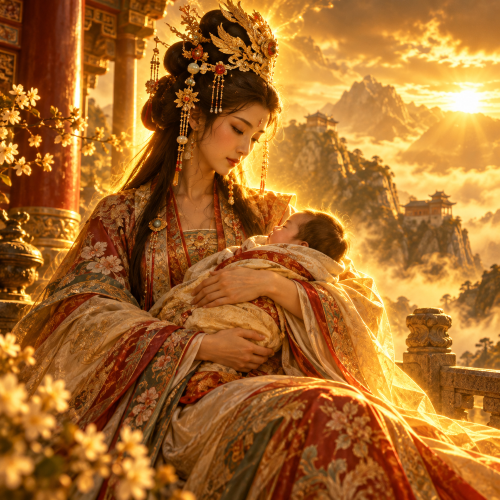
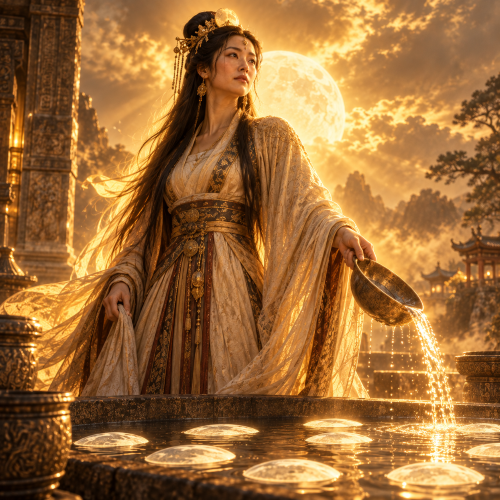
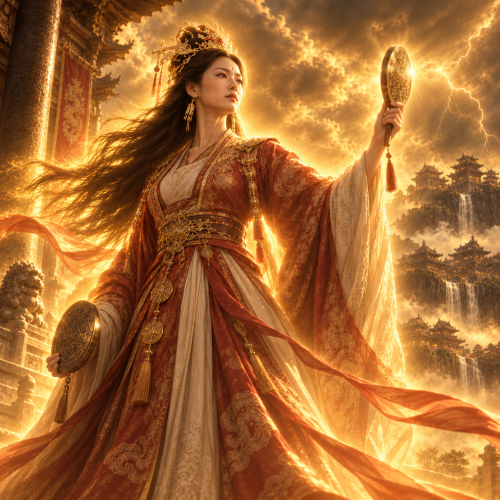
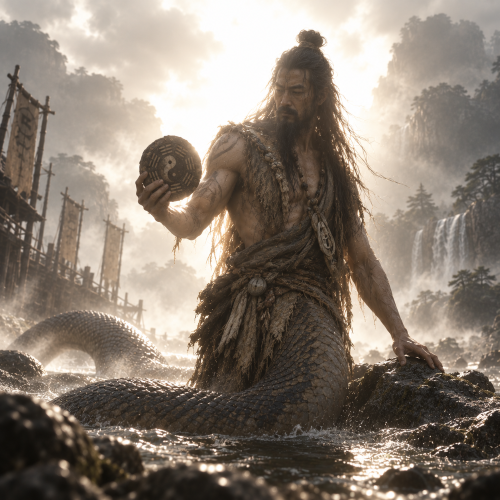
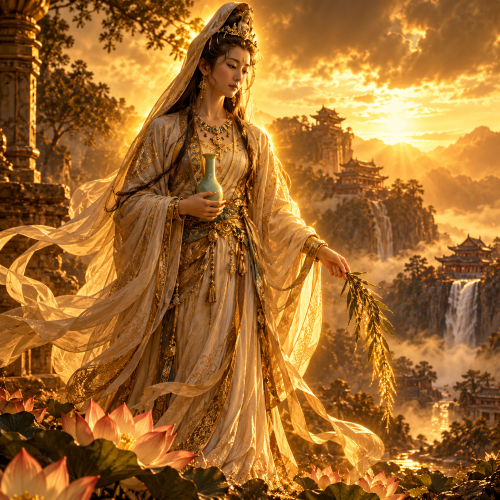
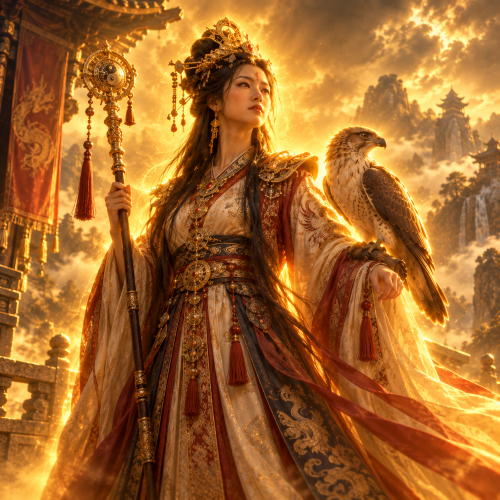
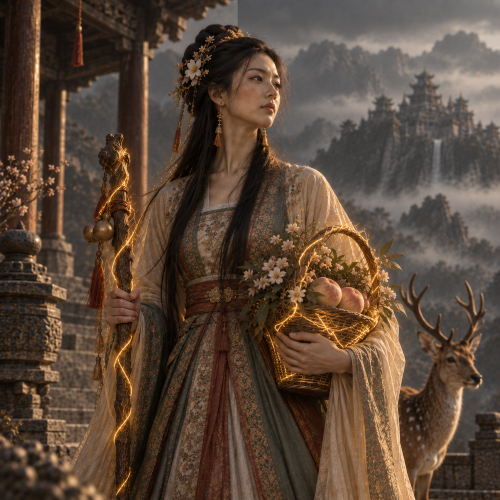
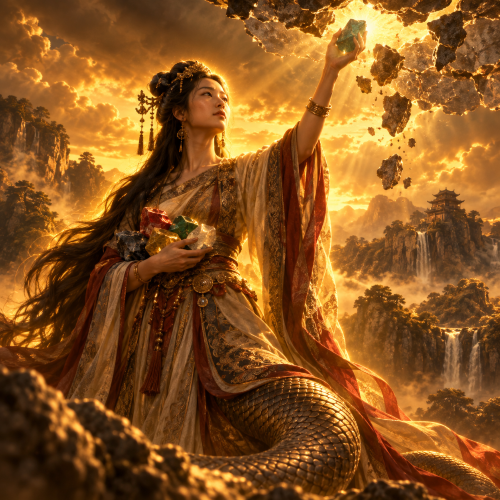
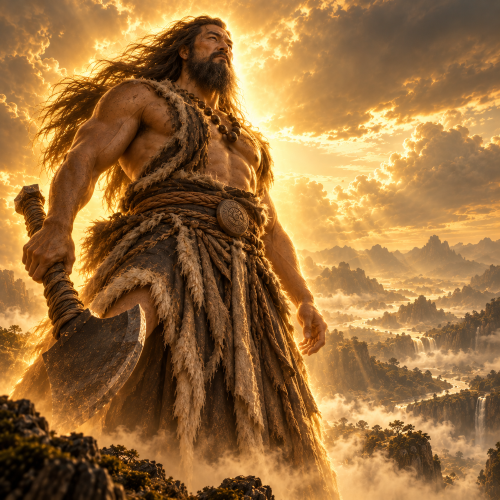
Chinese creation traditions contain several different accounts of how the universe and humanity came into existence. Pangu is one of the best-known creation figures in later Chinese mythology. According to traditions recorded in texts from the early medieval period, Pangu emerged from a primordial cosmic state and separated heaven from earth, with his body eventually becoming aspects of the natural world. Another important figure is Nüwa, a creator goddess associated with humanity and the restoration of cosmic order. In one famous tradition, she fashions humans from yellow earth, while another story describes her repairing the damaged heavens after a catastrophic conflict. These stories demonstrate that Chinese mythology does not have a single canonical creation narrative.
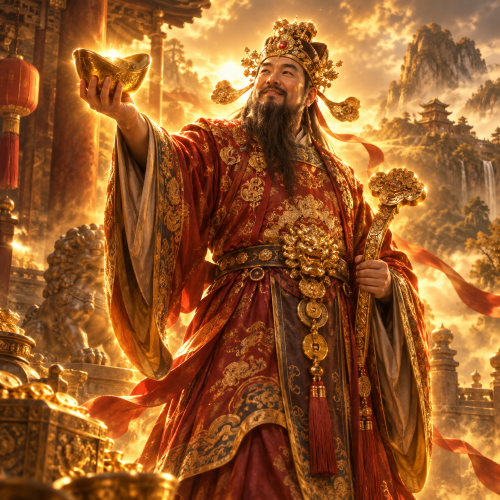
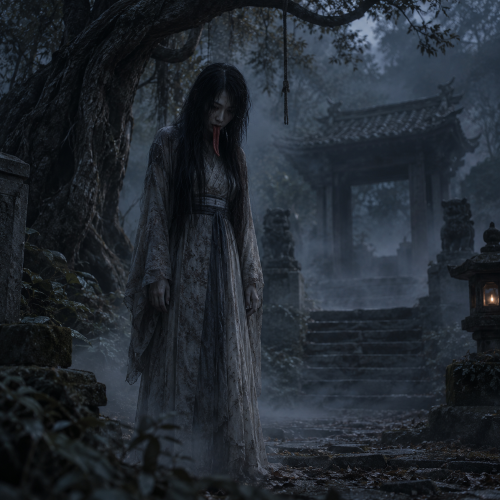
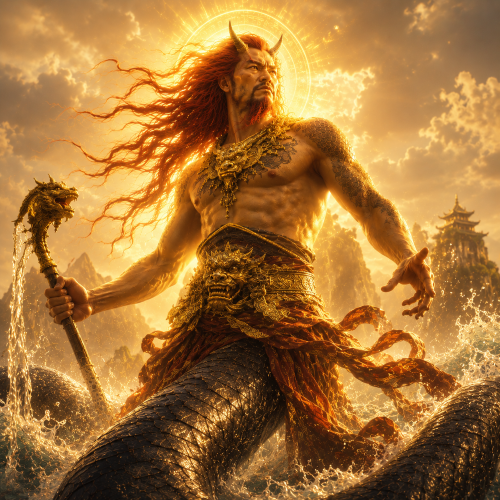
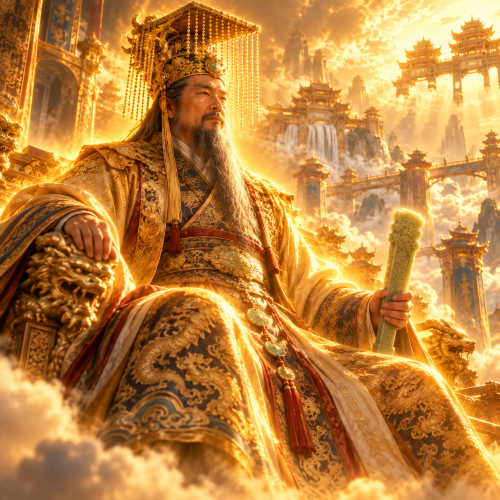
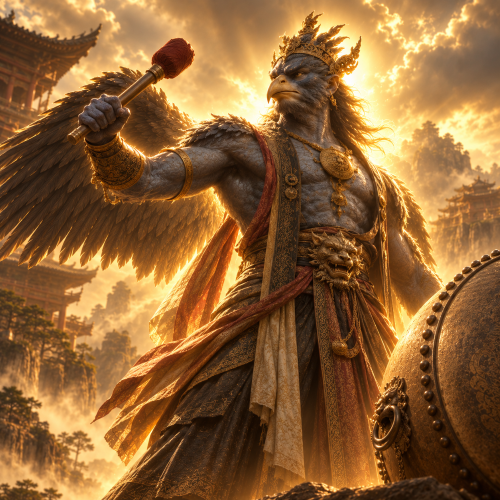
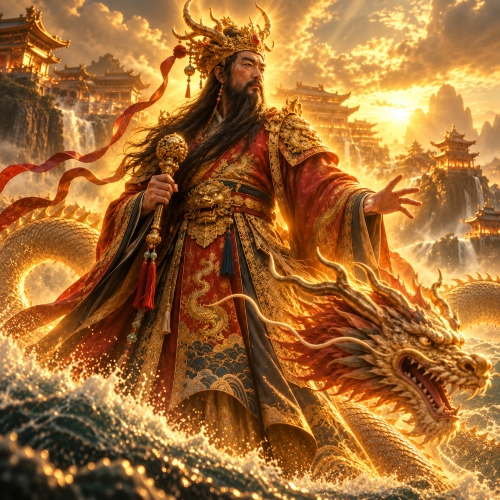
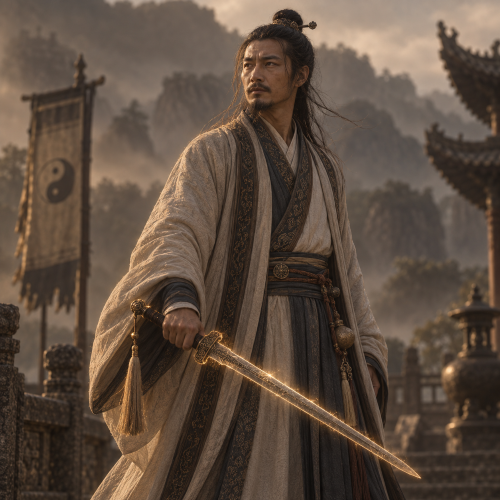
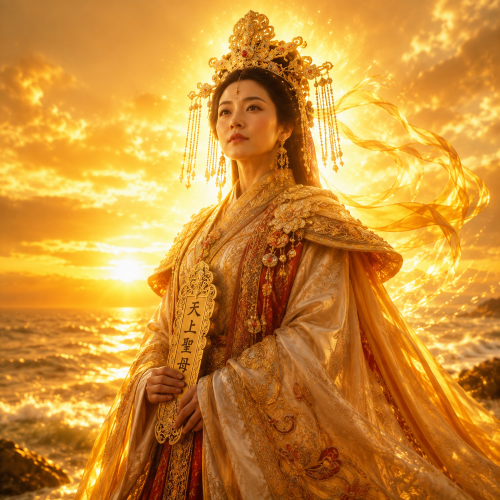
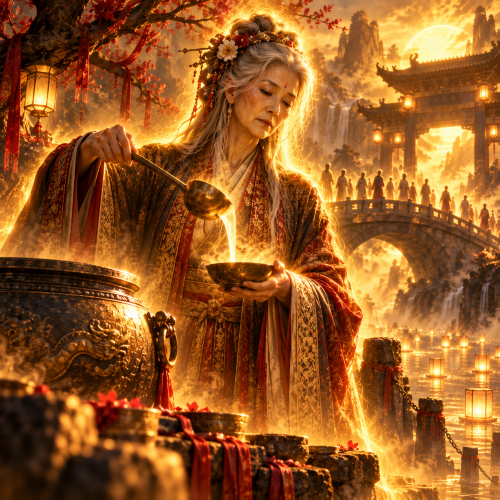
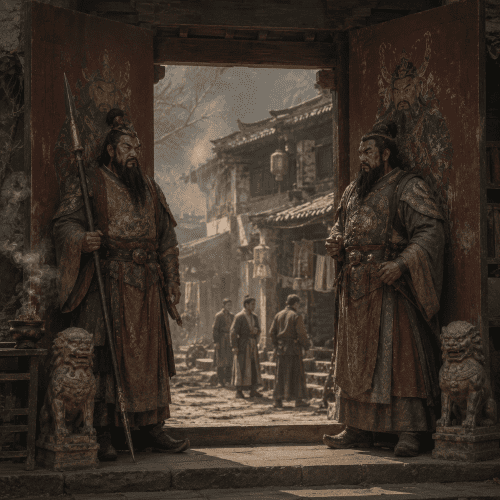
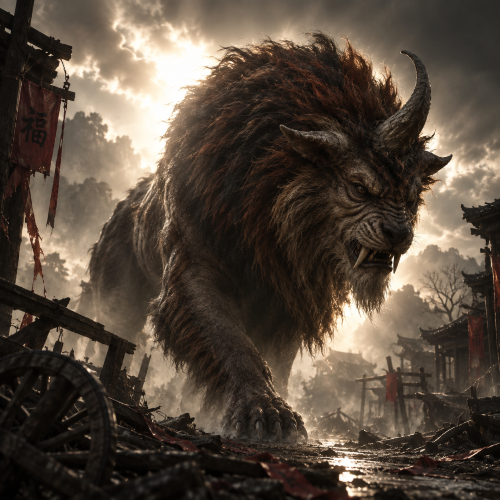
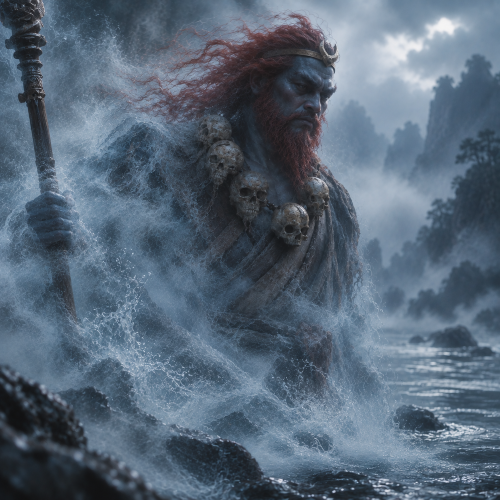
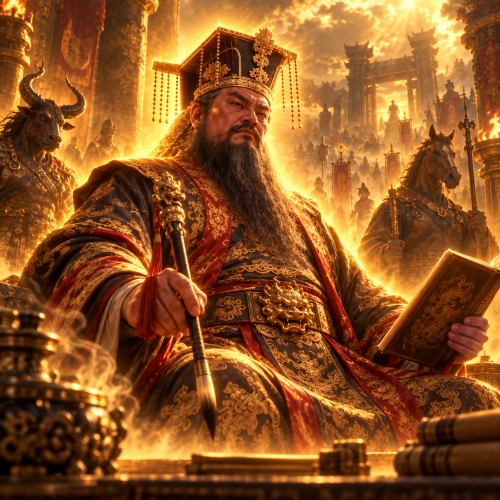
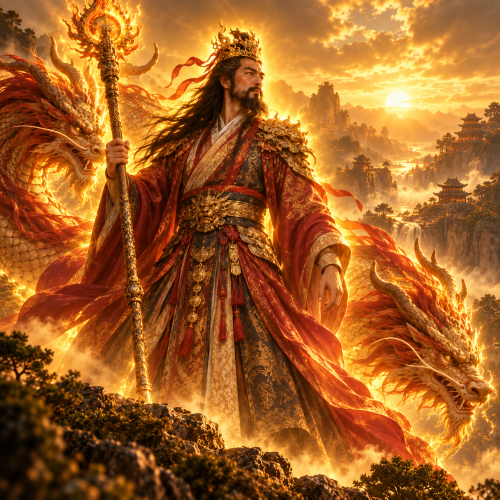
The concept of yin and yang is important within Chinese cosmological and philosophical thought, particularly in traditions influenced by Daoism, but it should not be treated as the complete foundation of Chinese mythology. Yin and yang describe complementary forces and patterns of transformation rather than simply good and evil or two opposing gods. Chinese traditions also contain a vast supernatural world of celestial officials, dragons, spirits, demons, immortals, ancestors, legendary rulers, and local deities. The Jade Emperor, for example, became a prominent figure in later popular religious traditions as a celestial ruler, while the Dragon Kings became associated with water, weather, and the seas.
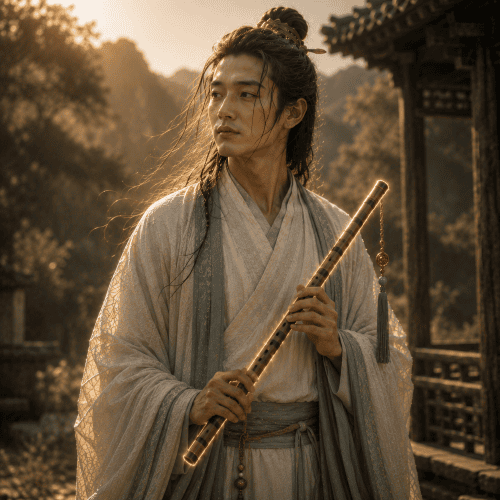
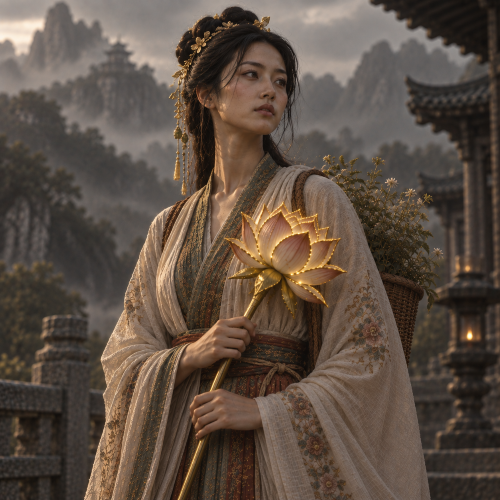
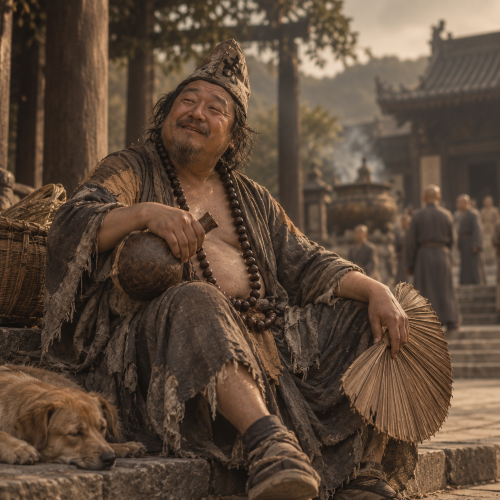
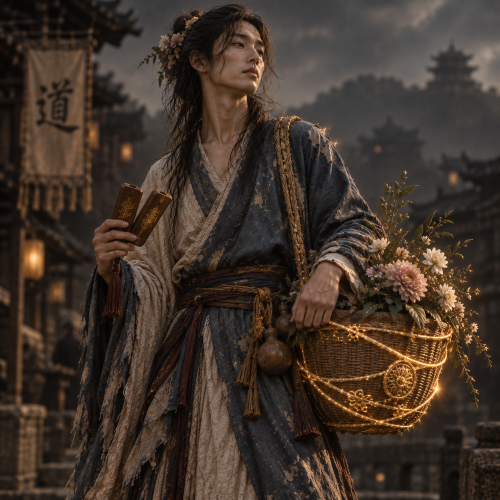
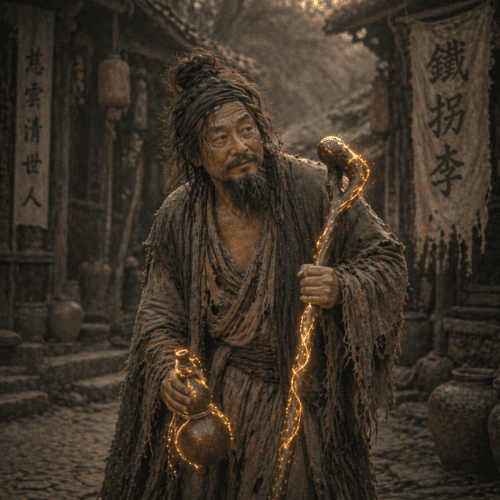
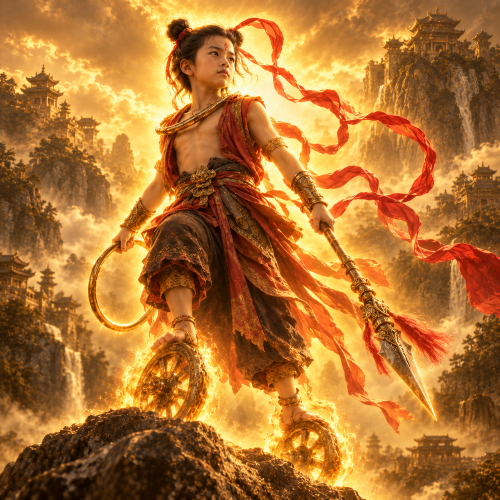
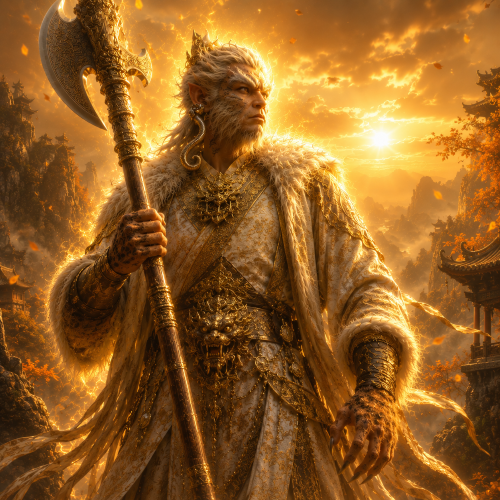
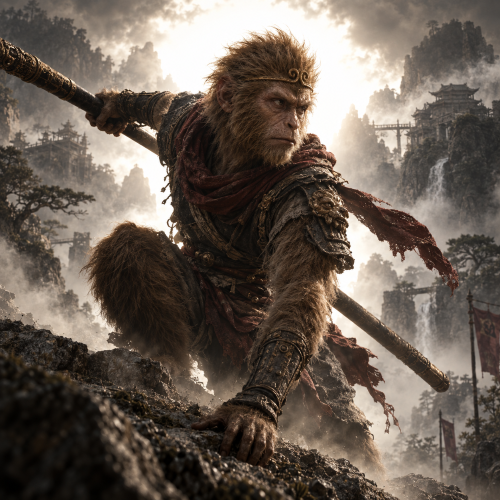
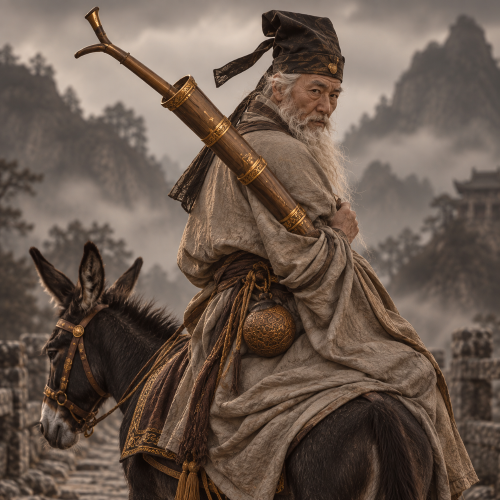
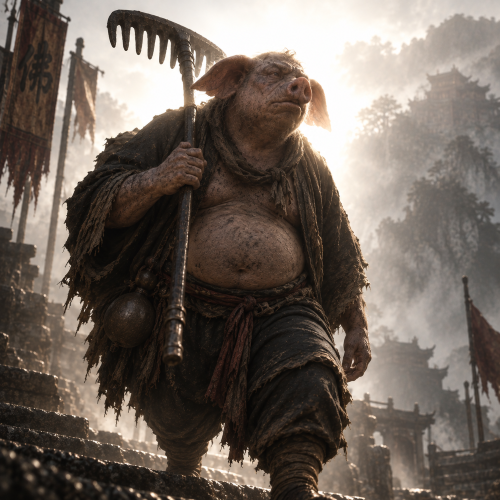
Chinese mythology is also filled with legendary heroes and supernatural figures. Sun Wukong, the Monkey King, is one of the most famous, particularly through the sixteenth-century novel Journey to the West. His extraordinary abilities, rebellious nature, encounters with celestial beings, and eventual spiritual development have made him one of the most enduring characters in Chinese literature and popular culture. The Eight Immortals, meanwhile, represent a group of legendary figures associated with Daoist traditions and later popular religion. Each possesses distinctive abilities and stories, and together they became symbols of immortality, transformation, and spiritual attainment.
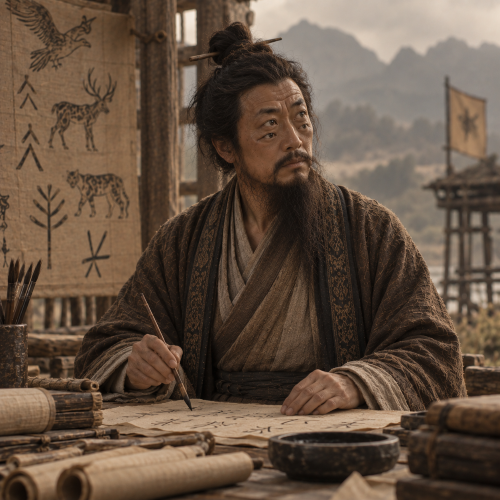
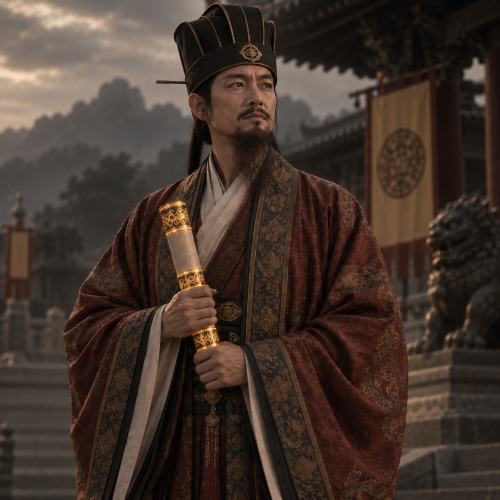
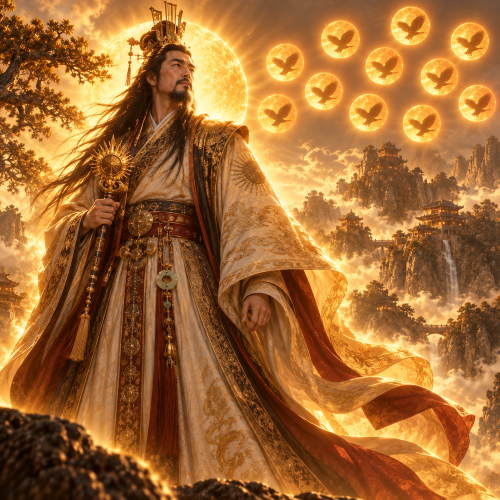
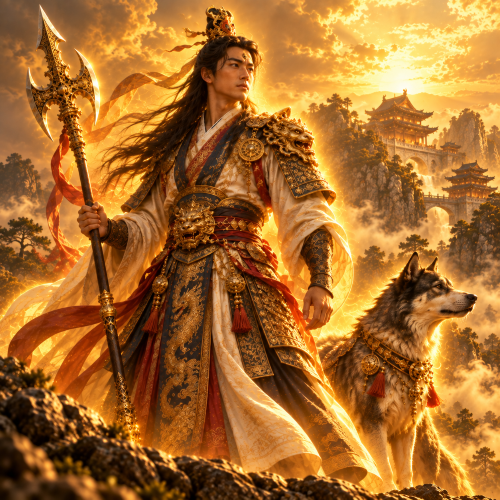
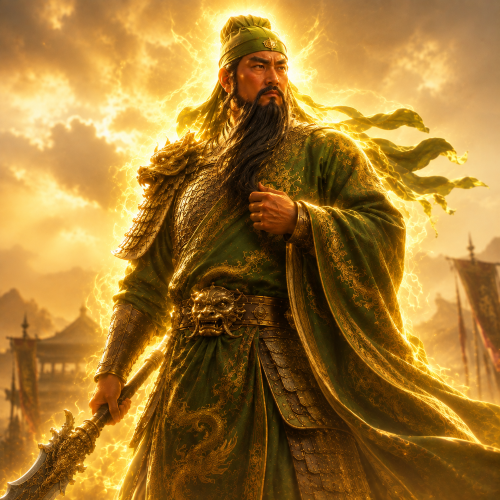
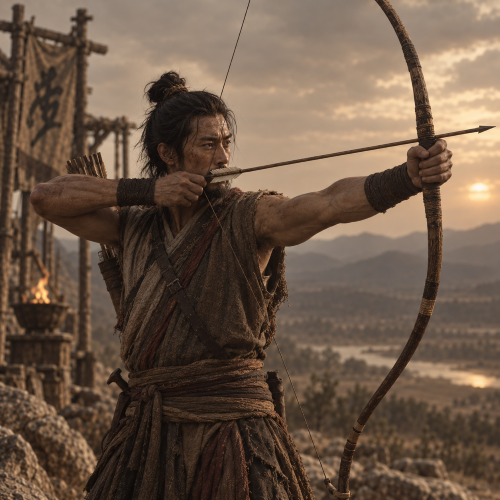
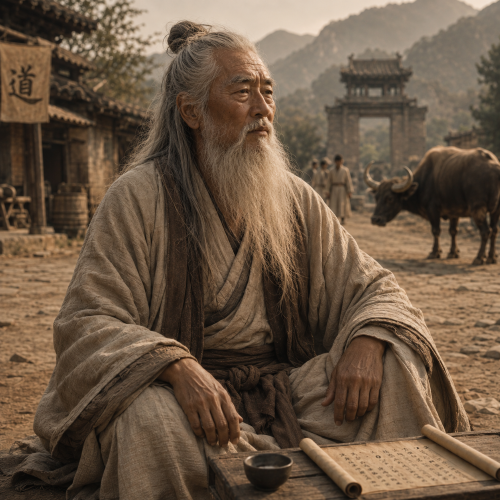
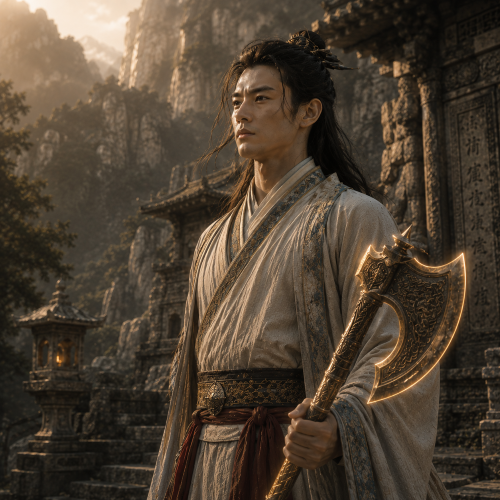
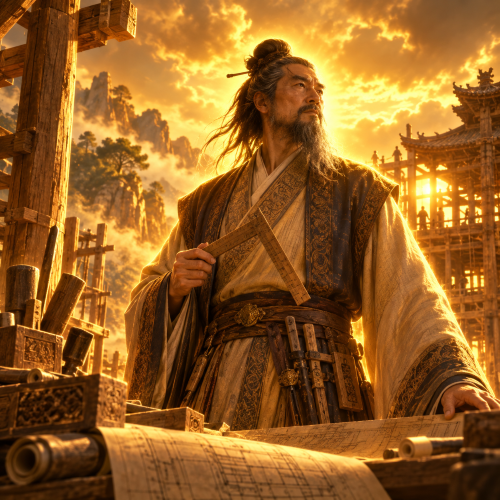
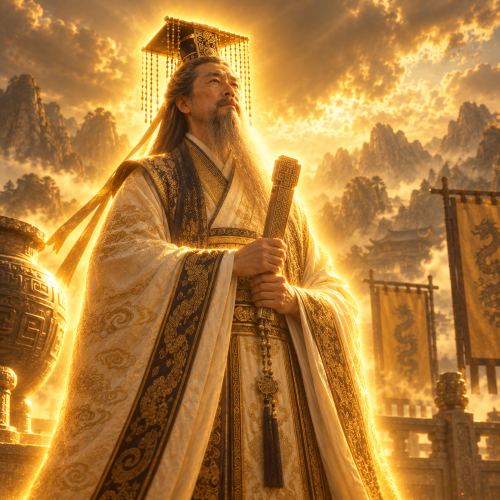
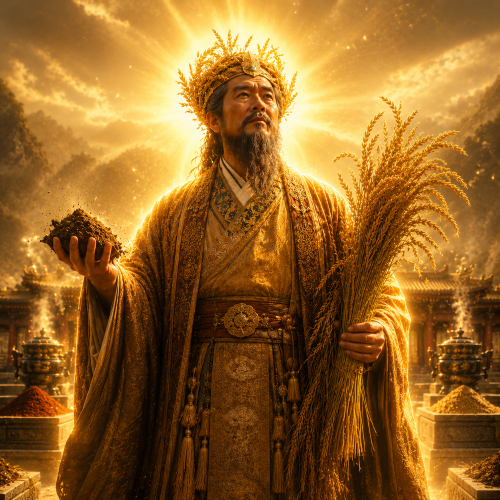
Legendary rulers also occupy an important position between mythology and early Chinese historical tradition. Figures such as the Yellow Emperor, Yao, Shun, and Yu the Great were remembered as exemplary rulers and culture heroes. Stories attributed innovations, rituals, technologies, and social institutions to these figures. The boundary between history, legend, and mythology is often fluid, with later traditions presenting some legendary rulers as historical ancestors while simultaneously giving them extraordinary qualities.
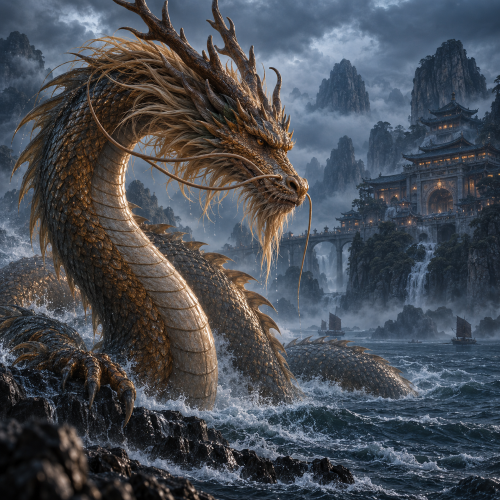
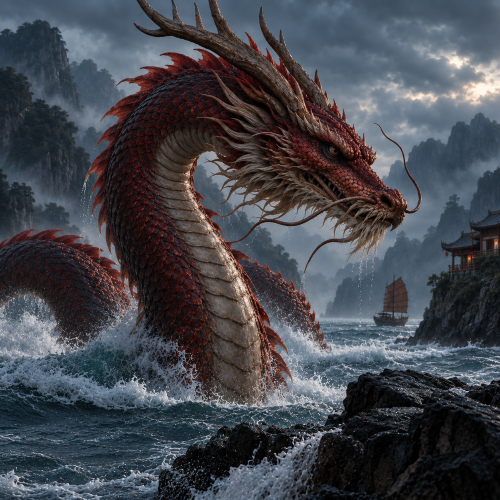
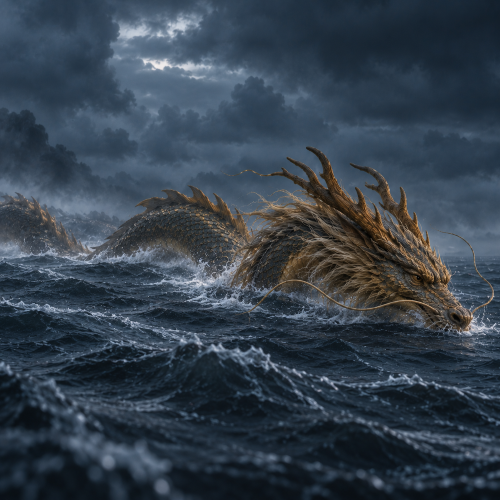
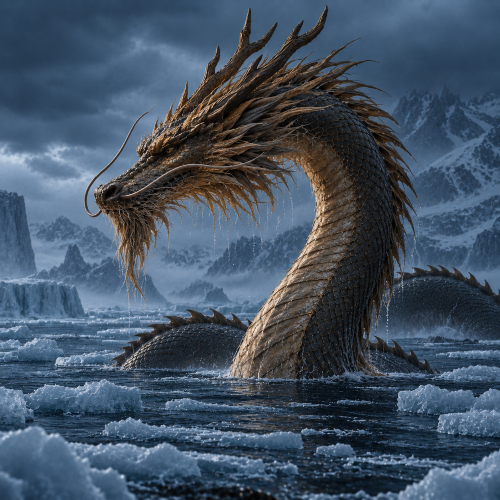
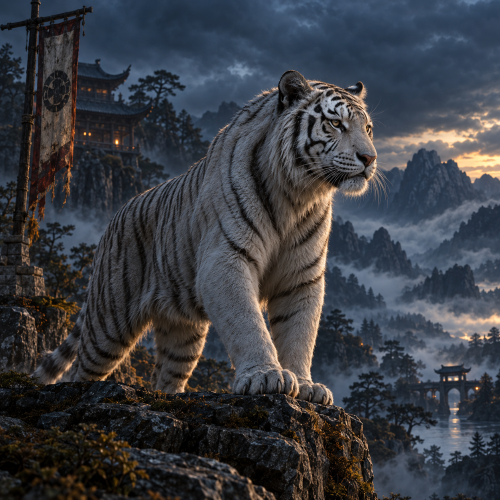
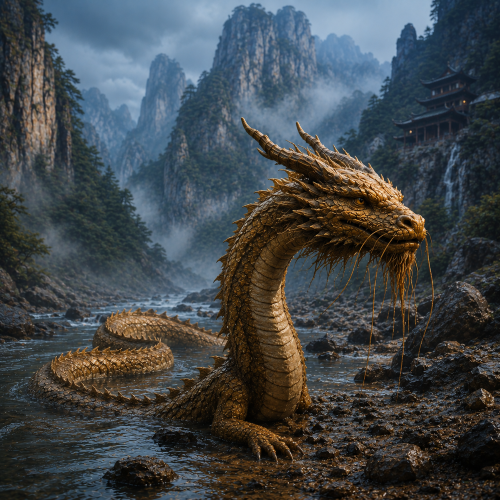
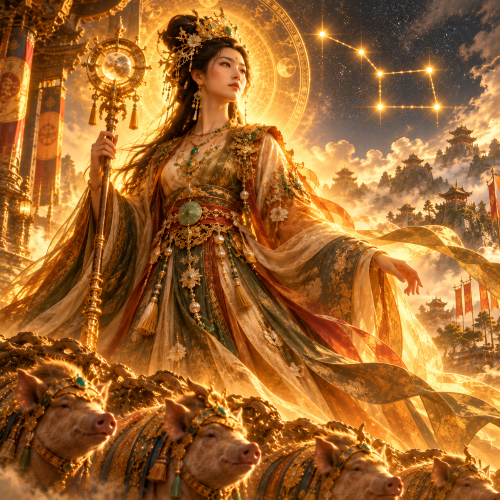
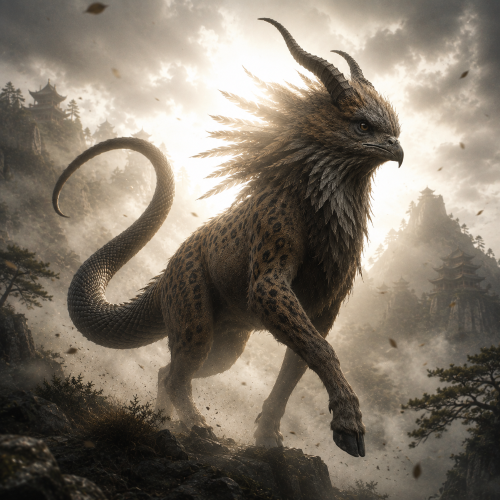
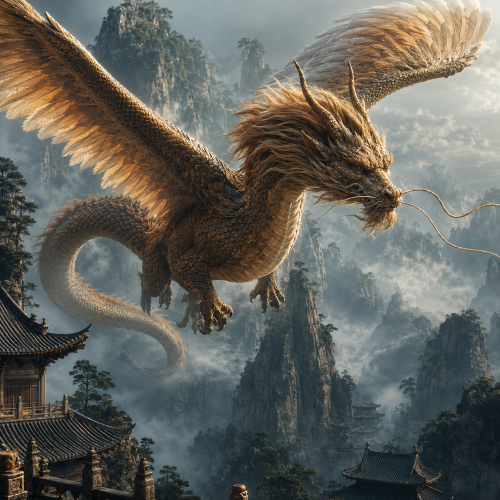
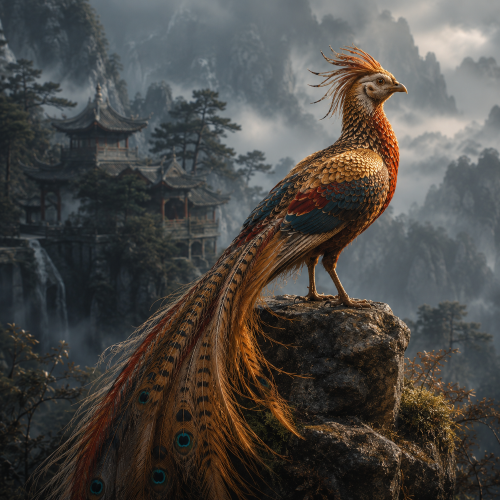
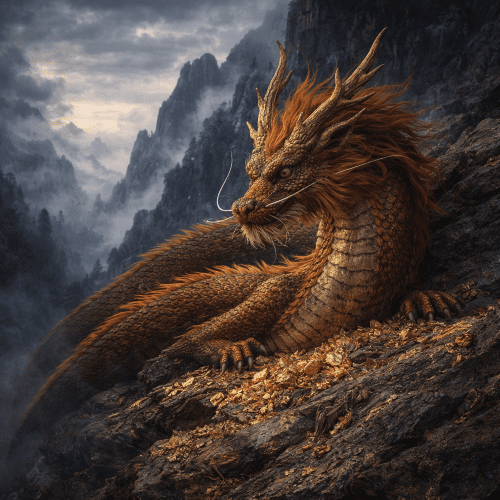
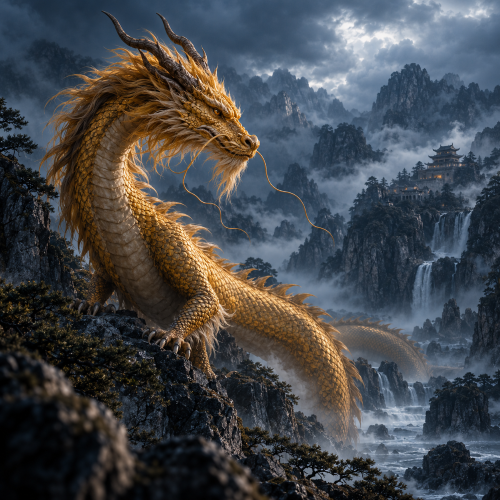
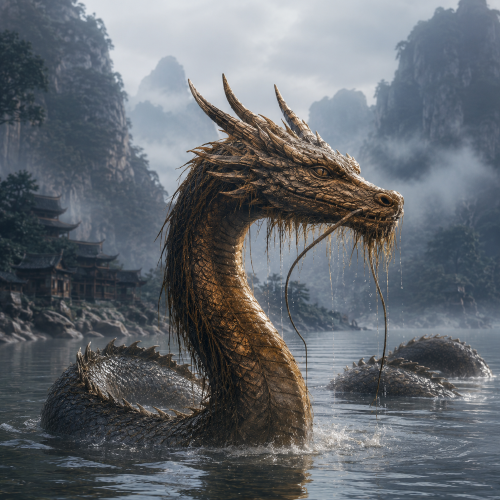
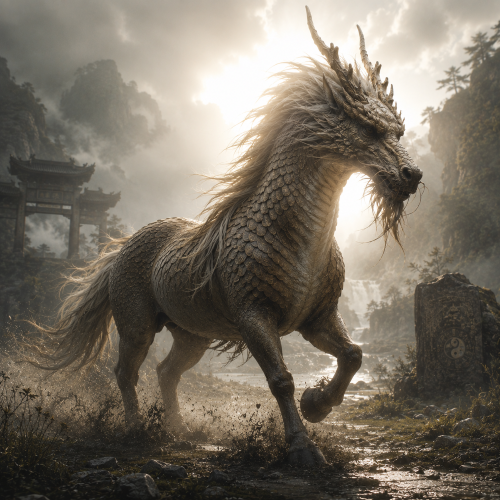
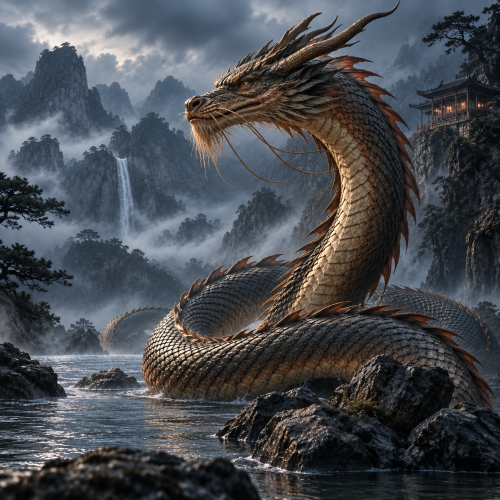
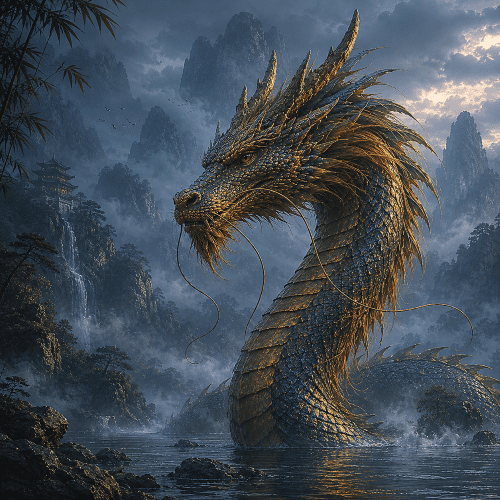
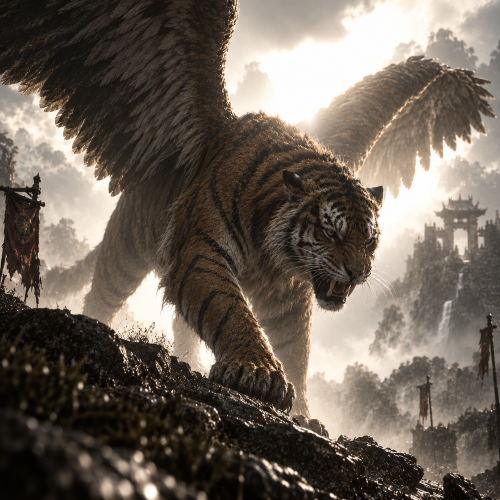
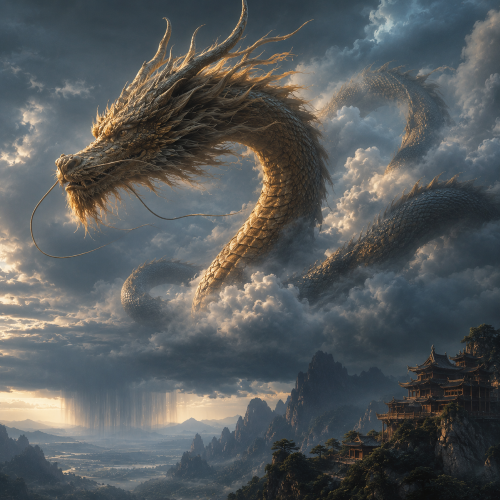
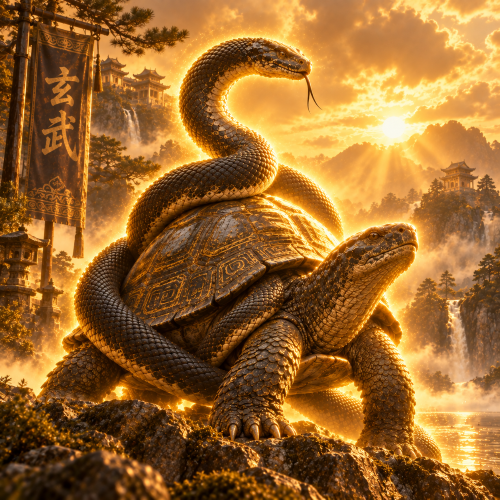
Animals and natural forces feature prominently throughout Chinese mythology. Dragons are among the most recognizable mythological beings and can be associated with water, rain, rivers, imperial authority, and supernatural power. The phoenix-like fenghuang became associated with harmony, virtue, and auspicious rule. Other animals appear in legends, cosmological traditions, local beliefs, and the Chinese zodiac, whose twelve animals became an enduring part of popular culture.
Chinese mythology continues to influence festivals, literature, opera, painting, architecture, cinema, animation, television, and video games. Stories surrounding figures such as Nüwa, Pangu, Sun Wukong, dragons, immortals, and legendary rulers are continually reinterpreted for new audiences. Religious traditions and festivals may incorporate mythological narratives alongside historical customs, ancestral practices, and later religious developments.
Chinese mythology is therefore not a single collection of ancient stories but a constantly evolving cultural tradition. Its diverse characters and narratives preserve changing ideas about creation, nature, morality, authority, transformation, death, and immortality, providing a window into the many ways Chinese communities have understood the relationship between humanity, the natural world, and the supernatural.