

Gods of War in Global Mythic Traditions
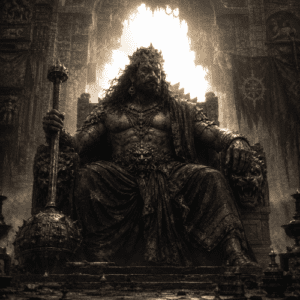
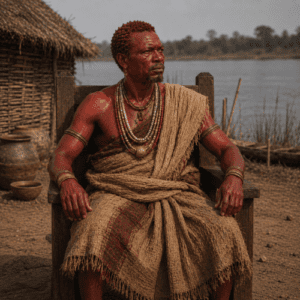
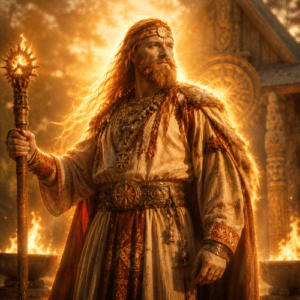
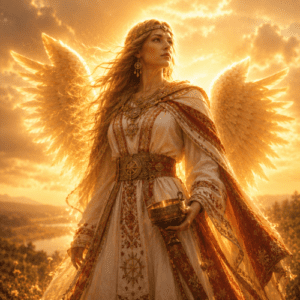
War has shaped civilizations, redrawn borders, and inspired some of the most powerful divine figures in human belief systems. Across cultures, the Gods of War represent more than violence or conquest. They embody courage, strategy, protection, justice, and the raw forces that determine victory or defeat. From brutal battlefield deities to disciplined warrior guardians, these divine figures reflect how each society understood conflict and survival.
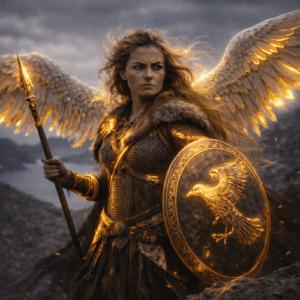
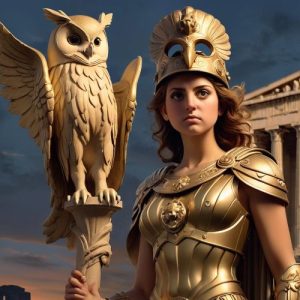
In Greek tradition, Ares represents the chaotic and destructive side of battle. He symbolizes bloodlust and physical aggression. In contrast, Athena governs strategic warfare, intelligence, and tactical mastery. Together, they show how the ancient Greeks separated brute force from calculated victory.
Norse belief presents Odin, a god who rules over both wisdom and warfare. Odin does not merely fight; he chooses the slain and prepares warriors for Ragnarök. Alongside him stands Tyr, a symbol of honor and lawful combat. Norse Gods of War emphasize fate, sacrifice, and courage in the face of inevitable doom.
In Roman culture, Mars was more than a battlefield figure. He was a protector of the state and a father of the Roman people. War, for Rome, was tied to expansion, discipline, and national identity. Similarly, in the Indian epic tradition, Kartikeya is a youthful commander of divine armies, symbolizing victory over chaos and demonic forces.
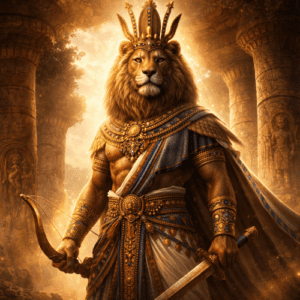
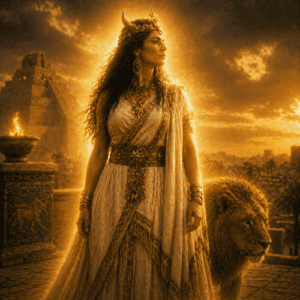
Egyptian mythology offers Sekhmet, a lion-headed goddess whose destructive fury could both punish humanity and defend cosmic order. In the Aztec world, Huitzilopochtli combined solar power with martial dominance, guiding his people through conquest and ritual warfare.
Across cultures, Gods of War are not merely destroyers. They are guardians, strategists, symbols of honor, and sometimes forces of necessary transformation. They reflect each civilization’s understanding of power, morality, and survival. Whether feared or revered, these divine warriors reveal that war, in mythology, is never just about battle. It is about destiny, protection, sacrifice, and the struggle to maintain cosmic balance.
Exploring the Gods of War allows us to understand how ancient societies viewed conflict — not simply as violence, but as a sacred and inevitable force woven into the fabric of existence.