

Serpents and Snakes in Ancient Civilizations and Sacred Traditions
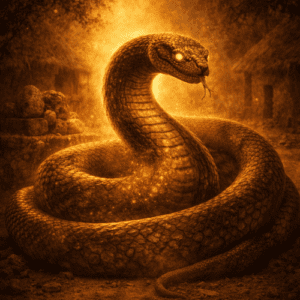
Serpents and snakes appear throughout the myths and spiritual traditions of the world. From sacred guardians to feared tricksters, these creatures symbolize transformation, wisdom, protection, and primal power. Their ability to shed their skin made them powerful symbols of renewal and rebirth, while their silent movement and venomous strike gave them an aura of mystery and danger.
In Greek tradition, serpents were closely associated with healing and knowledge. The staff of Asclepius, wrapped with a serpent, remains one of the most recognized symbols of medicine today. The creature represented regeneration and the mysterious power of life and death. At the same time, serpents could also represent monstrous chaos, as seen in the legend of Medusa, whose snake-filled hair turned onlookers to stone.
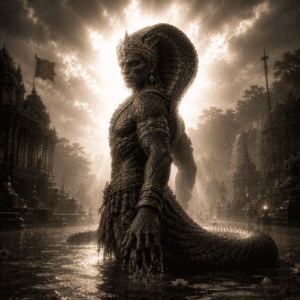
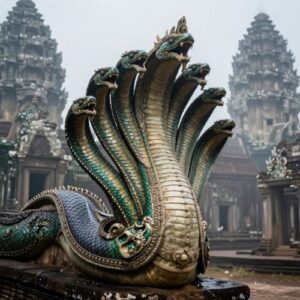
In the Indian tradition, serpents known as Nagas are powerful semi-divine beings connected with rivers, fertility, and the underworld. Far from being purely dangerous creatures, Nagas often protect sacred treasures and guard hidden knowledge. The cosmic serpent Shesha even serves as the resting place of the god Vishnu, symbolizing stability within the universe.
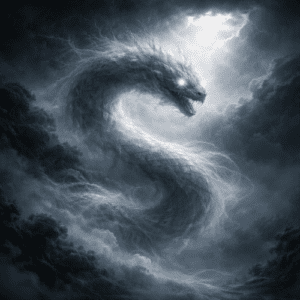
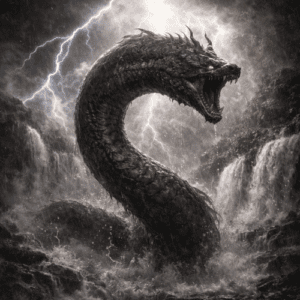
In Norse mythology, serpents can represent both chaos and cosmic boundaries. The immense Jormungandr encircles the entire world, forming a living boundary between order and destruction. His eventual battle with Thor during Ragnarök highlights the serpent’s association with fate and inevitable transformation.
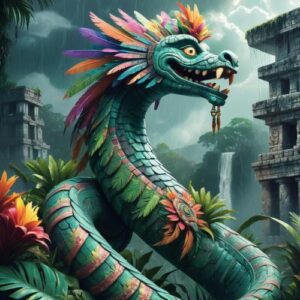
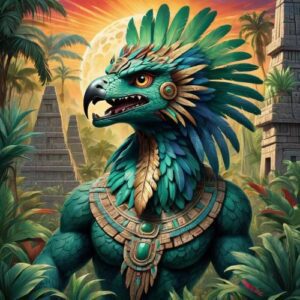
Mesoamerican civilizations also revered serpents as sacred beings. The feathered serpent Quetzalcoatl represents wisdom, wind, and creation. Unlike many Western serpent myths, this figure is not a monster but a divine teacher who shaped civilization itself.
Across cultures, serpents and snakes represent forces that exist between worlds. They move across land, water, and underground spaces, symbolically linking the human realm with hidden spiritual dimensions. They can be guardians, healers, tricksters, or destroyers.
The enduring presence of serpents in mythology reveals how ancient societies understood transformation. Just as a snake sheds its skin to begin anew, these mythic creatures embody cycles of death and rebirth, danger and wisdom, destruction and renewal. Through them, civilizations expressed both their deepest fears and their greatest hopes for transformation.