Japanese Mythology
Japanese mythology is a diverse body of creation narratives, divine genealogies, heroic legends, supernatural tales, and folk traditions that developed across Japan. Many of its best-known stories are preserved in early texts such as the Kojiki and Nihon Shoki, compiled in the eighth century. These traditions later interacted with Shinto practices, Buddhism, local beliefs, and regional folklore, creating a complex religious and cultural landscape rather than a single unified mythology.
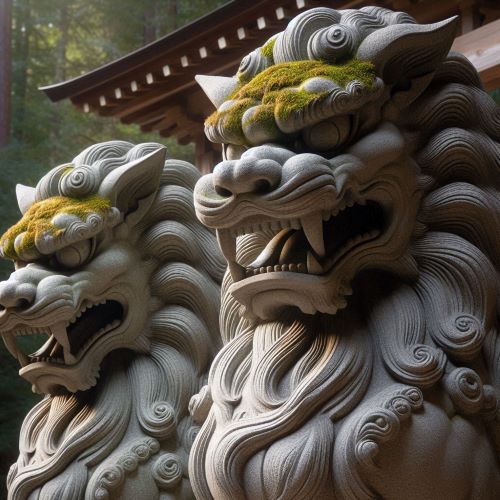
At the center of many Japanese traditions is the concept of kami. Kami can refer to sacred or divine presences associated with mountains, waterfalls, forests, animals, ancestors, extraordinary people, and other aspects of the natural and human world. Shinto developed around the veneration of these presences, particularly at sacred places and shrines. Rather than representing a fixed pantheon with a single hierarchy, kami encompass a vast and varied spiritual world.
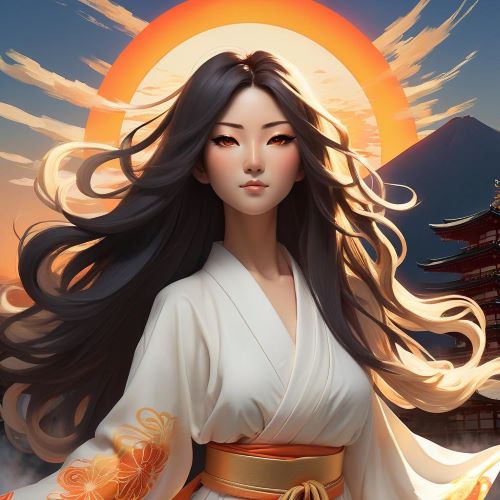
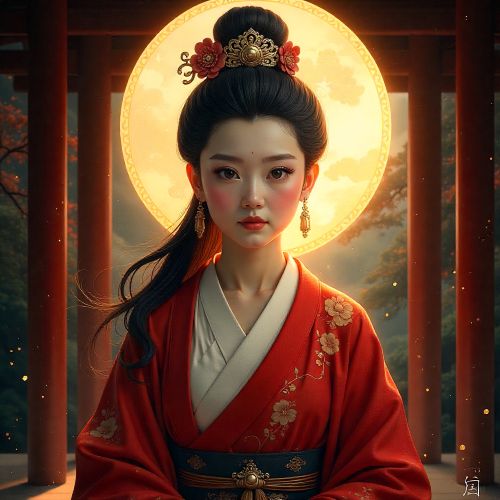
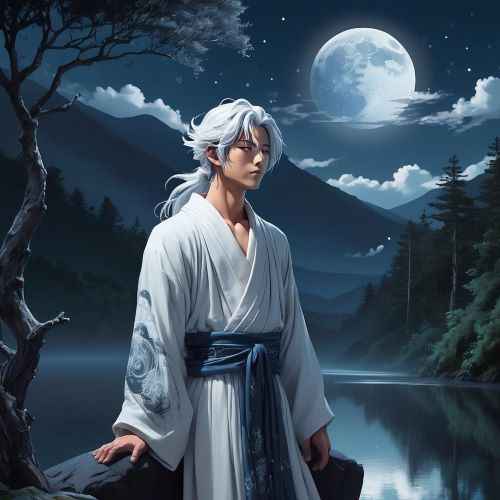
Japanese creation mythology begins with a succession of primordial deities before the appearance of Izanagi and Izanami, the divine pair associated with the creation of the Japanese islands and many other kami. Their story also introduces important themes surrounding life, death, purification, and the separation between the worlds of the living and the dead. From Izanagi’s purification after his journey to the land of the dead comes the birth of major deities including Amaterasu, the sun goddess, Tsukuyomi, associated with the moon, and Susanoo, associated with storms and the sea.
Amaterasu occupies a particularly important position in Japanese mythology. The famous story of her withdrawal into a heavenly cave explains how darkness temporarily covered the world before the other kami succeeded in drawing her back. Later imperial traditions connected Amaterasu with the ancestry of the Japanese imperial family, giving her mythology an important place in ideas surrounding imperial legitimacy. This is a mythological genealogy rather than evidence that Japanese rulers were historically believed to have been literally appointed by the heavens.
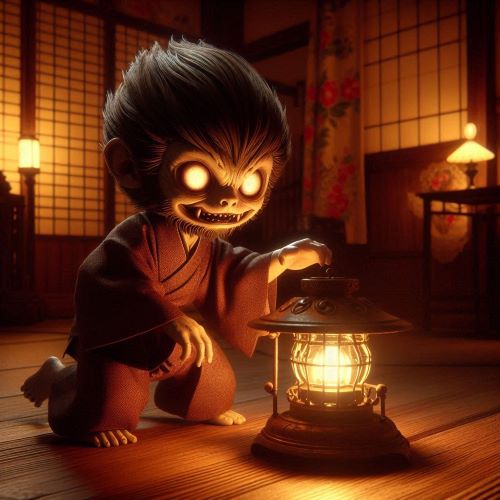
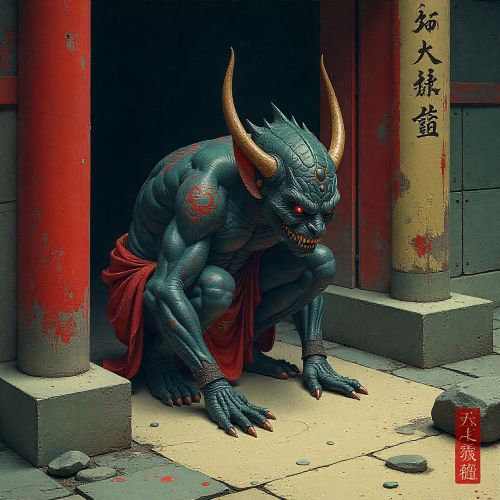
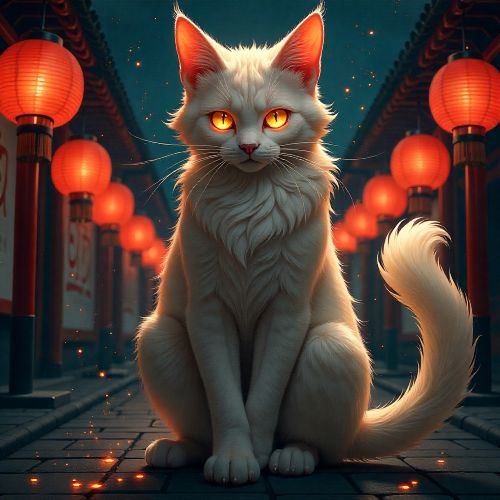
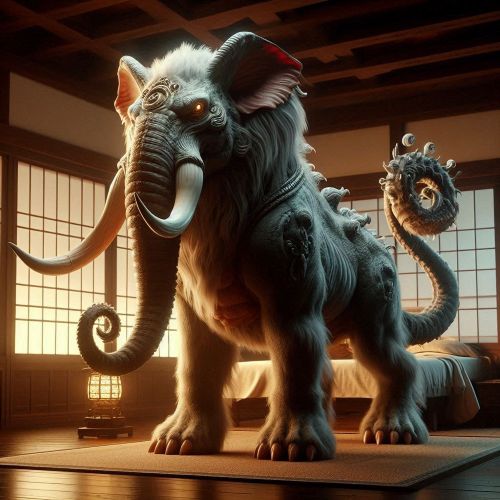
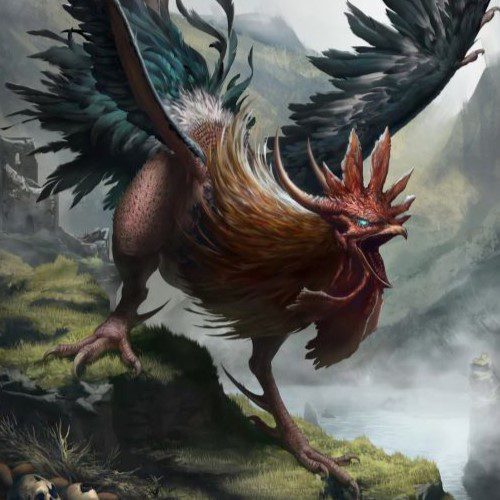
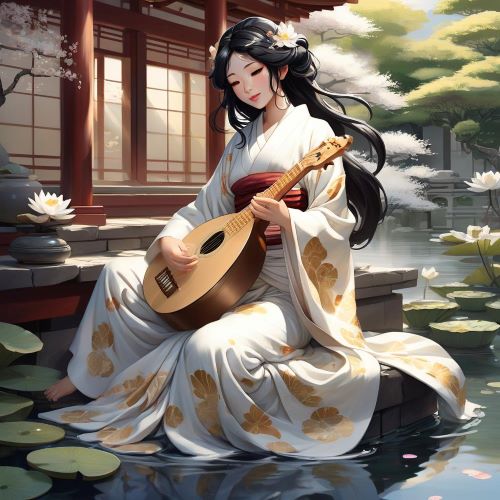
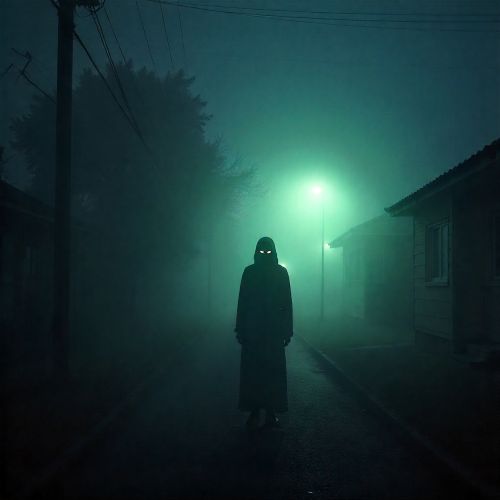
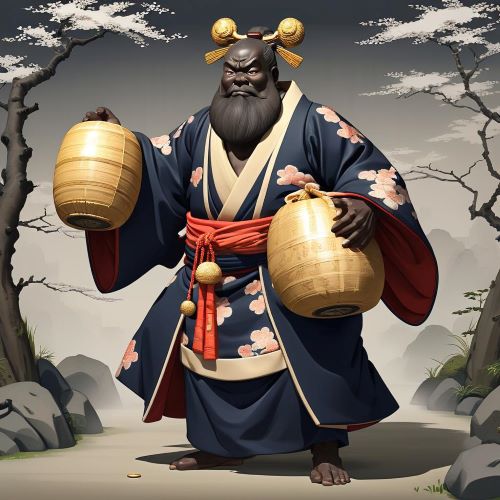
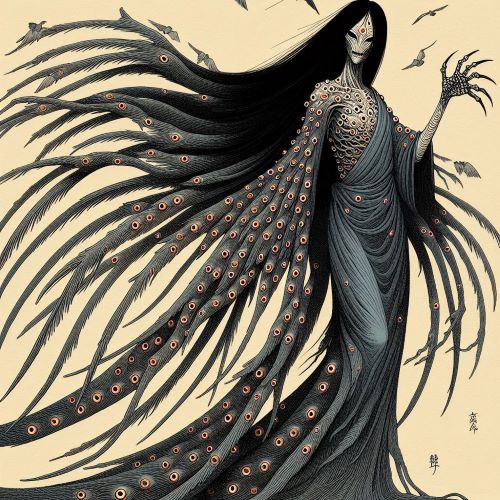
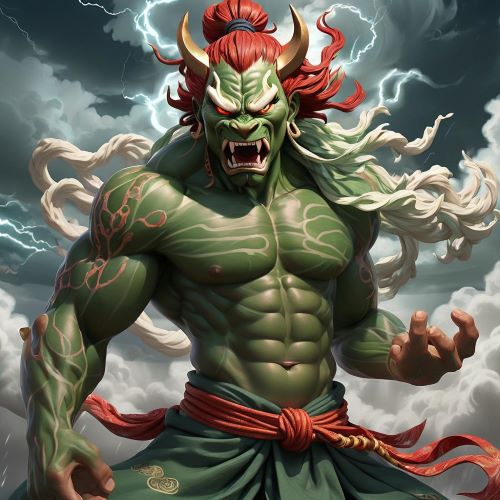
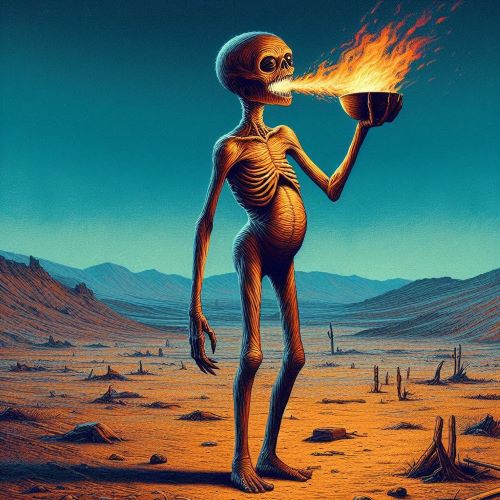
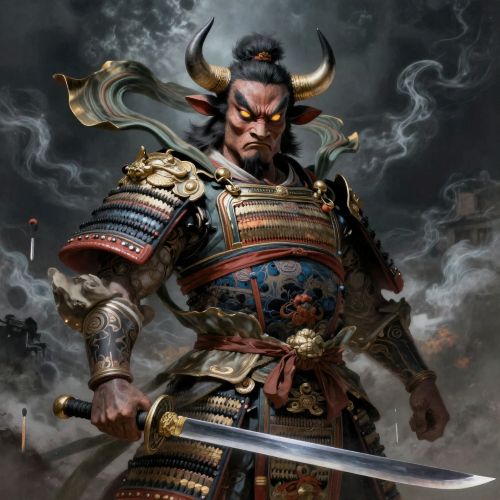
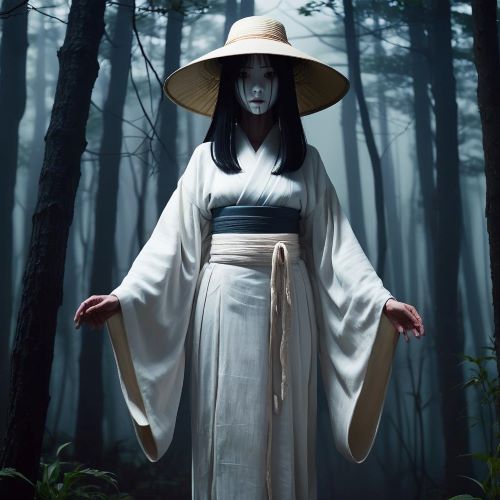
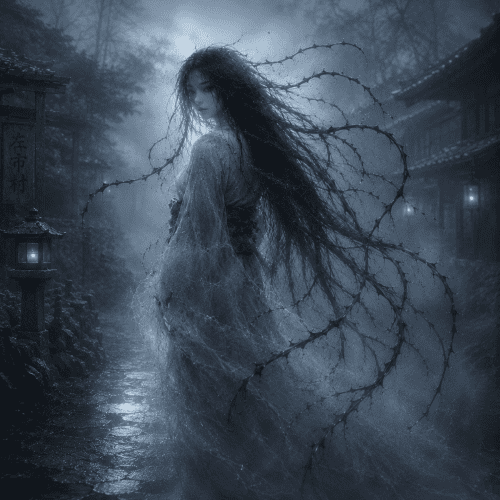
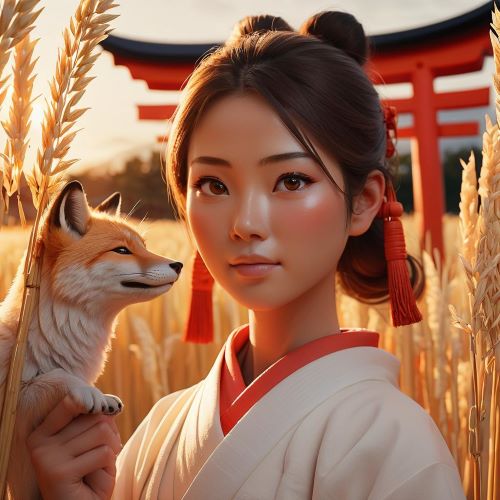
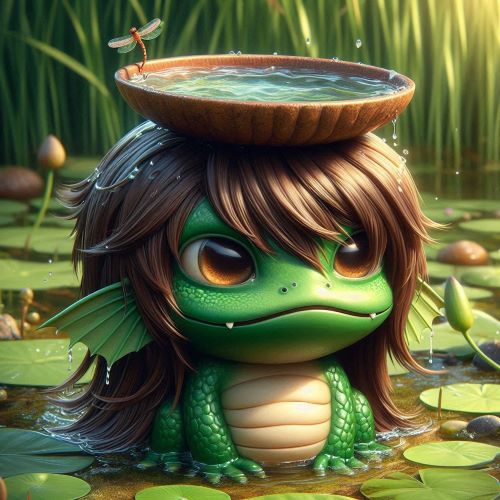
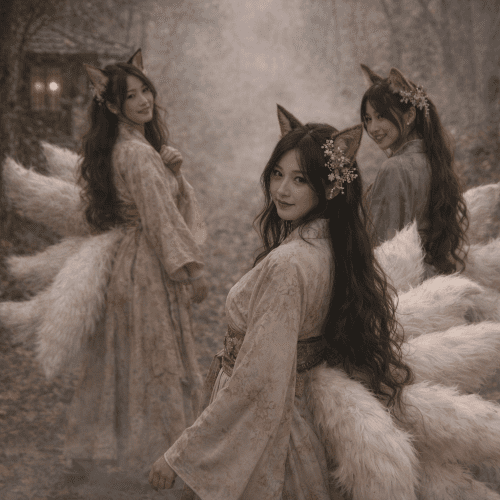
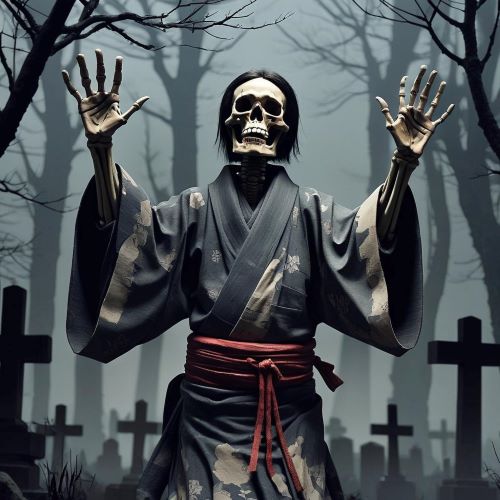
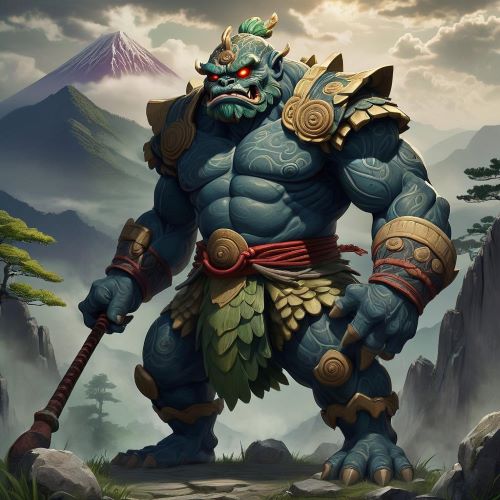
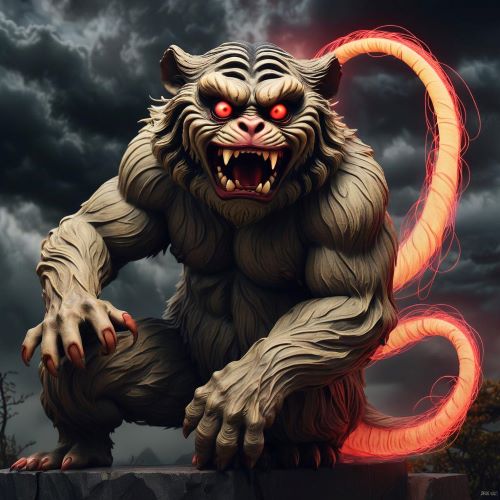
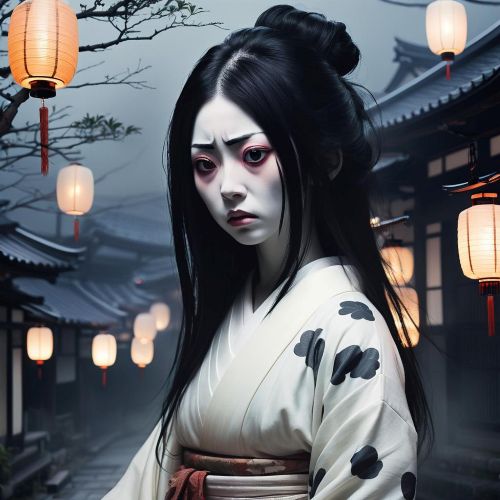
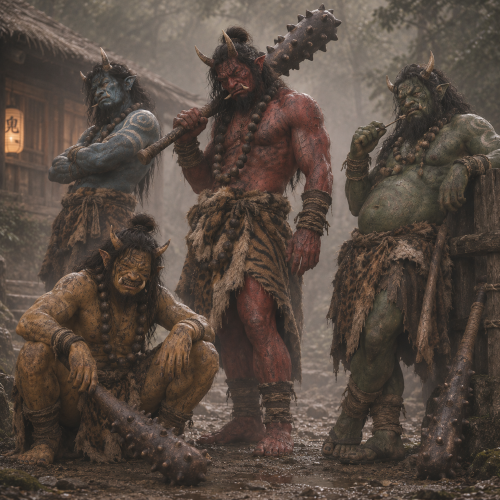
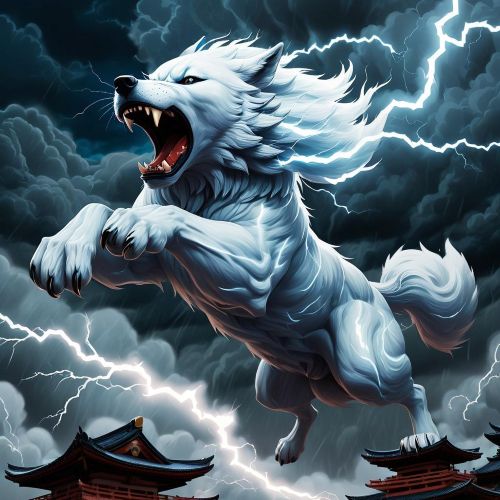
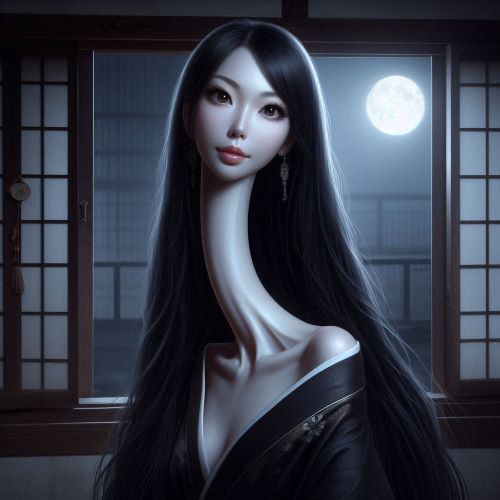
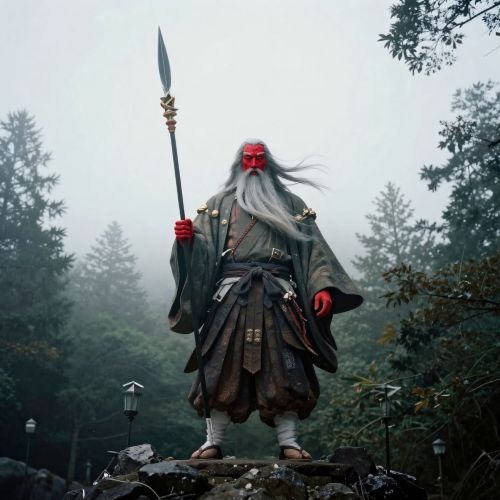
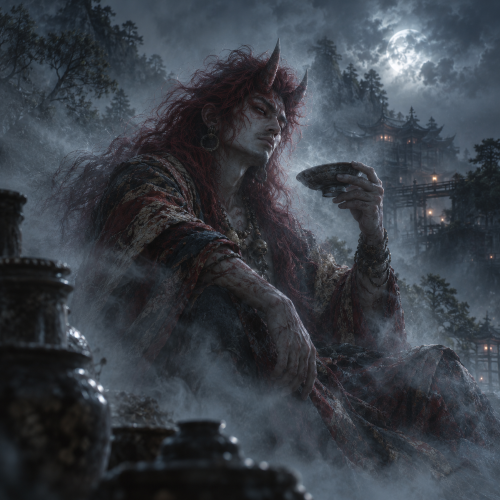
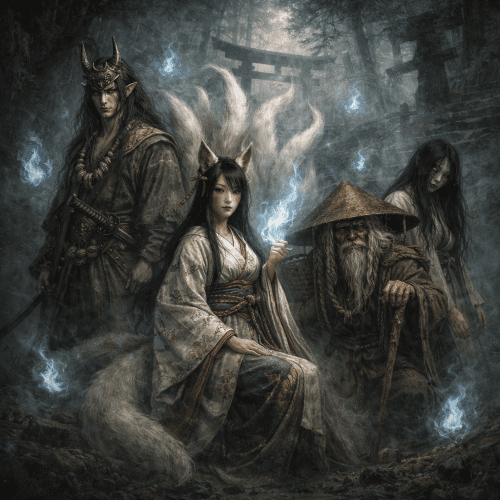
Japanese mythology also contains an enormous world of supernatural beings. Kitsune, or foxes, appear in stories as intelligent and sometimes magical beings capable of transformation. Tengu are supernatural figures associated particularly with mountains and forests, while yūrei are ghosts associated with the spirits of the dead. Other beings, including oni, yokai, and various local spirits, appear throughout regional folklore. Their roles vary considerably between stories, ranging from dangerous supernatural forces to protectors, tricksters, or morally ambiguous figures.
Buddhism profoundly influenced Japanese religious culture after its introduction to Japan in the sixth century. Over subsequent centuries, Buddhist and Shinto traditions became deeply intertwined. Japanese religious traditions developed concepts in which kami could be understood as manifestations or counterparts of Buddhist beings, and shrines and temples sometimes existed within shared religious complexes. This interaction, often described as Shinto-Buddhist syncretism, continued for centuries before the Meiji government formally separated Shinto and Buddhism in the nineteenth century.
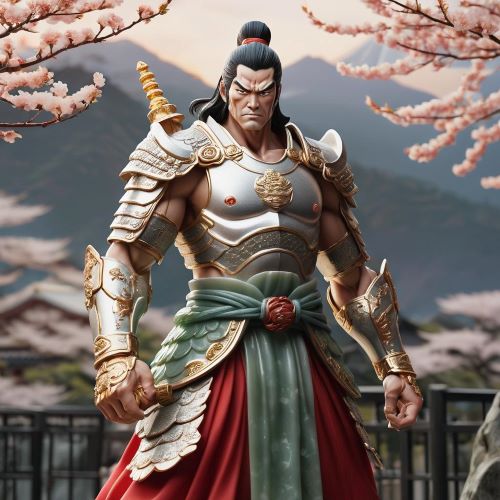
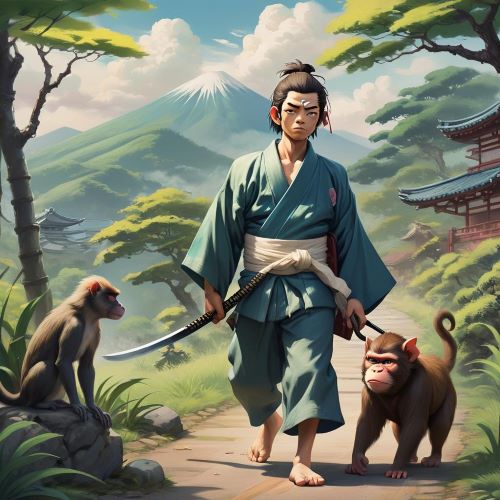
Japanese mythology also extends beyond the ancient creation narratives. Heroes such as Yamato Takeru appear in early legendary traditions, while figures such as Momotaro became prominent in later folklore. Stories of supernatural beings, legendary warriors, spirits, and divine figures continued to evolve through oral storytelling, literature, theater, art, and popular culture.
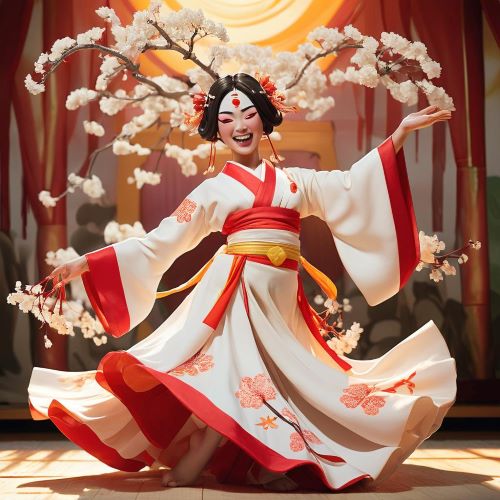
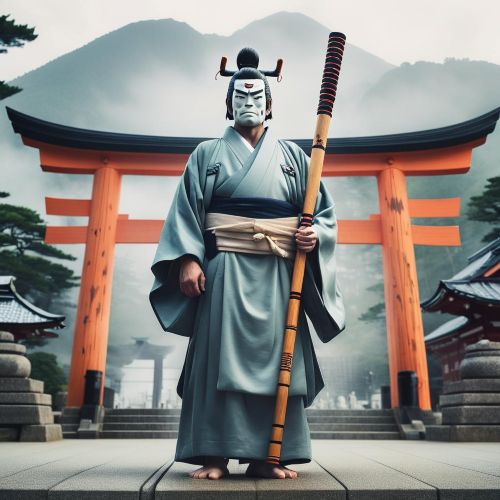
Today, Japanese mythology remains deeply visible in shrines, festivals, literature, visual art, manga, anime, films, and video games. Its enduring appeal comes from the extraordinary variety of its stories and from its recurring themes of nature, transformation, mortality, conflict, purification, and the relationship between humans and the sacred. Japanese mythology therefore remains a living cultural tradition, continually reinterpreted while retaining connections to some of Japan’s oldest surviving narratives and religious practices.