Mountain Figures in Ancient Civilizations and Sacred Traditions
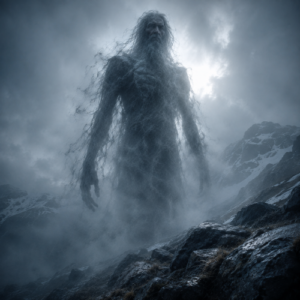
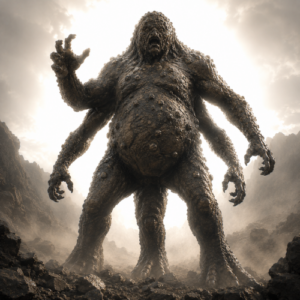
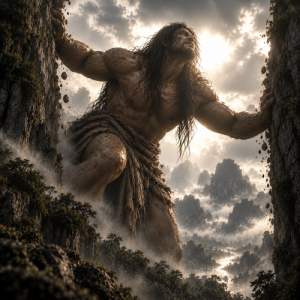
Mountains occupy a powerful place in mythology as places where heaven meets earth, gods establish their homes, and humans encounter forces beyond their understanding. Their towering heights, hidden valleys, unpredictable weather, and inaccessible summits have inspired stories of divine residences, sacred journeys, ancestral origins, and supernatural guardians. Mythological figures associated with mountains include gods who inhabit peaks, spirits who protect particular landscapes, and legendary beings whose stories explain why certain mountains are considered sacred.
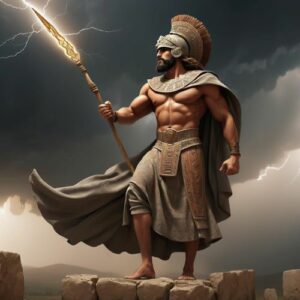
In Greek mythology, Zeus and the Olympian gods are famously associated with Mount Olympus, traditionally regarded as their divine residence. Olympus was more than a geographical landmark in Greek imagination: it represented the elevated realm of divine authority, separated from ordinary human life. The mountain’s imposing presence helped establish its place as a natural symbol of divine power, and the gods who inhabited it governed different aspects of the world below.
In Indian traditions, Mount Meru occupies a central position in traditional cosmological accounts. Described in several Hindu, Buddhist, and Jain sources, Meru is a cosmic mountain around which the universe is organised in different cosmological models. It is associated with divine realms, celestial beings, and the structure of the cosmos. Meru should not be understood simply as a physical mountain: its significance is primarily cosmological, representing an axis connecting different levels of existence.
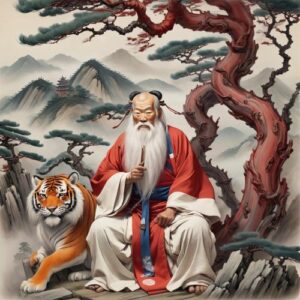
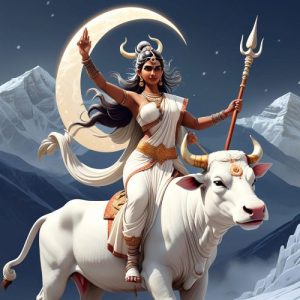
The Himalayas hold a particularly important place in Indian religious traditions. Shiva is strongly associated with the mountains, especially Mount Kailash, which is revered as his abode. The mountain represents solitude, ascetic discipline, spiritual power, and the meeting of the earthly and divine worlds. Parvati, whose identity and mythology are closely connected with the Himalayan region, is traditionally described as the daughter of Himavan, the personification of the Himalayas. Through these figures, mountains become places of both divine residence and spiritual transformation.
In Japanese tradition, Konohanasakuya-hime is associated with Mount Fuji and is revered at shrines connected with the mountain. Her mythology includes themes of birth, endurance, and the relationship between divine power and the natural landscape. Mount Fuji itself became a focus of religious devotion, pilgrimage, and cultural symbolism. This connection illustrates how a particular mountain can acquire its own sacred identity through the deities, stories, and rituals associated with it.
Norse mythology also contains important mountain-associated figures and landscapes. Skaði, a giantess associated with mountains, winter, hunting, and skiing, embodies the severe beauty of the northern wilderness. Her stories connect supernatural identity with rugged landscapes and the independence required to survive in harsh environments. Rather than representing mountains as peaceful divine residences, Skaði’s mythology reflects their association with cold, distance, endurance, and the untamed natural world.
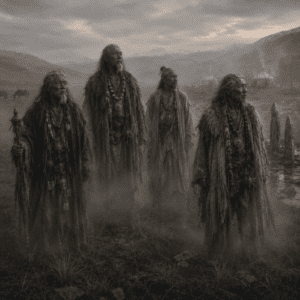
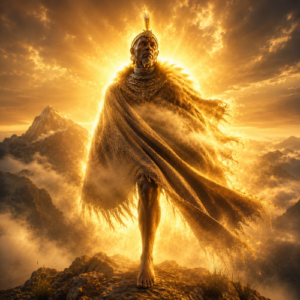
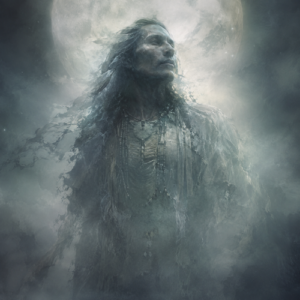
Mountains also appear in traditions where they serve as the homes of ancestral beings, guardians, and local spirits. Across different Indigenous cultures, particular peaks may be connected with creation narratives, sacred ancestors, or the origins of communities. These traditions are culturally specific, and their meanings cannot be reduced to a single universal belief about mountains. In many cases, the mountain itself is not merely a setting for mythology but an active presence within a living spiritual landscape.
The figures associated with mountains reveal several recurring themes. Mountains can represent divine authority, cosmic order, spiritual discipline, ancestral memory, protection, and the power of nature. Their height suggests proximity to the heavens, while their caves, forests, and hidden valleys provide settings for encounters with supernatural beings.
From Zeus on Olympus and Shiva on Kailash to Skaði in the northern mountains and the sacred traditions surrounding Mount Fuji, mythologies transform mountains into more than physical landmarks. They become places where the divine and mortal worlds approach one another, where heroes undertake difficult journeys, and where nature reveals its overwhelming power.
Across cultures, mountain mythology reflects humanity’s enduring fascination with the world’s highest and most imposing landscapes. The gods, spirits, and legendary beings associated with these places remind us that a mountain can be both a physical presence and a powerful symbol of the mystery, permanence, danger, and transcendence of the natural world.