

Iye : The Spirits Who Watch Over the Turkic World
| Description | |
|---|---|
| Origin | Turkic Mythology |
| Nature | Neutral |
| Notable Members | Su İyesi (water), Od İyesi (fire), Yel İyesi (wind), Ev İyesi (household) |
| Symbolism | Guardianship, Ecological balance, Ancestral protection |
| Epics | Ergenekon |
Mythlok Perspective
In Mythlok’s Perspective, Iye represent one of the clearest examples of how ancient cultures transformed environmental ethics into spiritual belief. Rather than portraying nature as something to conquer, Turkic tradition envisioned every landscape as having its own guardian and personality. This encouraged respect, restraint, and coexistence with the natural world. Similar ideas appear in Japanese Kami traditions and the Roman Genius Loci, yet Iye stand out for their systematic presence across nearly every aspect of life. They remind us that many ancient societies viewed environmental stewardship not as a choice, but as a sacred responsibility.
Iye
Introduction
Iye are among the most important spiritual beings in Turkic tradition. Found throughout the beliefs of ancient Turkic peoples, the word “Iye” generally means owner, master, protector, or guardian. In mythology, however, it refers to spirits that watch over specific places, objects, natural forces, and living beings. Rather than ruling the cosmos like major deities, these entities are responsible for maintaining harmony within their individual domains.
The belief in Iye developed from the animistic foundations of Turkic spirituality and later became closely associated with Tengrism and shamanic traditions. Ancient Turkic communities believed that every river, mountain, forest, home, and even fire possessed its own spiritual guardian. These spirits were neither entirely divine nor completely separate from nature. Instead, they represented the living essence of the world itself.
For centuries, Iye shaped how people interacted with their surroundings. Respecting nature was not merely a practical necessity but also a spiritual obligation. Through this worldview, humans, animals, landscapes, and spirits formed an interconnected system where balance and mutual respect were essential for prosperity.
Physical Description
Iye are generally considered invisible beings, making their physical appearance difficult to define. Folklore from different Turkic regions offers varying descriptions depending on the spirit’s role and location.
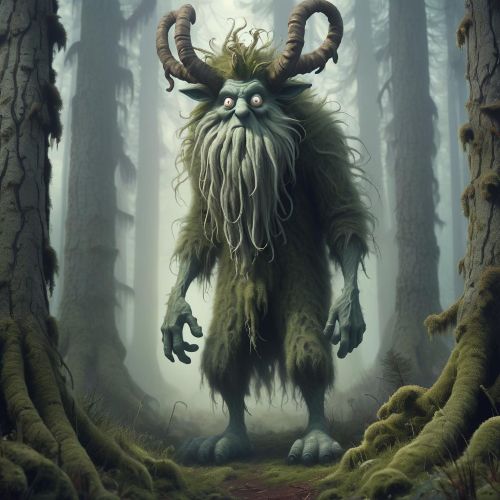
Some traditions portray them as human-like figures who appear during dreams, visions, or spiritual encounters. They may manifest as elderly men, wise women, radiant beings, or mysterious travelers. In other stories, they adopt forms connected to the environment they protect. A forest guardian might resemble a figure covered in bark or leaves, while a water spirit may emerge as a beautiful person associated with rivers and lakes.
Many accounts describe Iye as shapeshifters capable of changing appearance when interacting with humans. Shamans were believed to perceive these spirits more clearly than ordinary people, especially during rituals or journeys into the spirit world. Despite the variety of descriptions, their appearance always reflects their connection to the domain under their protection.
Mythological Context
Within Turkic cosmology, Iye occupy a position between humanity and the higher powers of the universe. They are not supreme gods, yet they possess authority within their specific realms. Their primary purpose is to preserve order and ensure that the natural and spiritual worlds remain in balance.
Tengrism viewed the universe as a living system filled with spiritual presence. While Tengri governed the heavens and greater cosmic forces, Iye managed the everyday aspects of existence. They protected resources, guided communities, and acted as custodians of sacred spaces.
Shamans, known as Kam, frequently interacted with Iye during ceremonies. These rituals sought blessings, healing, successful hunts, safe travel, and protection from misfortune. Through the mediation of shamans, people maintained relationships with the spirits that influenced their daily lives.
The concept of Iye also survived cultural and religious changes. As Buddhism, Islam, and other belief systems spread across Turkic lands, many traditional ideas about guardian spirits continued alongside newer religious practices, preserving ancient elements of Turkic spirituality.
Origins
The origins of Iye can be traced to some of the oldest animistic beliefs in Central Asia. Early Turkic peoples viewed the world as alive and spiritually inhabited. Every natural feature possessed a soul or spiritual proprietor that governed its well-being and behavior.
Rather than emerging from a single creation story, Iye developed from a worldview in which humans and nature shared the same spiritual essence. Mountains, rivers, forests, animals, and even household objects were considered participants in a living cosmic order.
Some later myths connect certain spirits to the struggle between celestial and underworld powers. In these traditions, spirits became attached to specific elements or locations after primordial events involving higher supernatural beings. However, the most widespread understanding presents Iye as ancient guardians that have existed alongside the natural world since the beginning of creation.
Their presence across numerous Turkic cultures, from Siberia to Anatolia, suggests that the belief predates many later religious developments and represents a deeply rooted component of Turkic identity.
Notable Members
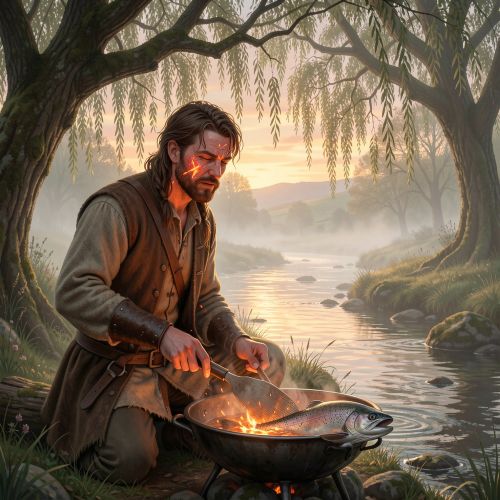
Among the many guardian spirits recognized in Turkic folklore, several are especially prominent. The Su Iyesi serves as the guardian of rivers, lakes, springs, and other bodies of water. Communities often honored this spirit to ensure clean water, safe crossings, and successful fishing.
The Od Iyesi watches over fire and the household hearth. Fire held a sacred place in Turkic culture, providing warmth, protection, and a symbolic connection between humans and the heavens. The Yel Iyesi governs wind and air. This spirit was associated with weather, movement, and the invisible forces that shape the natural world.
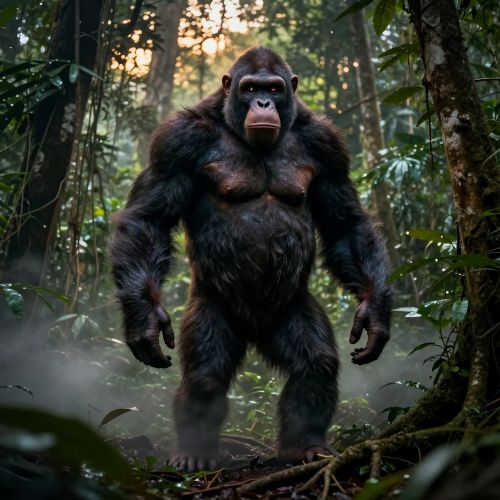
The Dağ Iyesi protects mountains and high places. Mountains were often regarded as sacred locations where the earthly and spiritual realms met. The Orman Iyesi acts as the guardian of forests. Hunters and travelers were expected to show respect when entering woodland areas under its care.
The Ev Iyesi serves as the protector of homes and families. Similar to household spirits found in many cultures, this guardian was believed to safeguard domestic harmony and prosperity. Together, these spirits formed an extensive network of guardians overseeing virtually every aspect of life and nature.
Relationship with Other Beings
Iye maintain close relationships with both humans and supernatural powers. Unlike distant cosmic deities, they directly influence everyday experiences. Their favor can bring good fortune, while their displeasure may result in illness, accidents, poor harvests, or other forms of misfortune.
Respect formed the foundation of these interactions. People offered prayers, symbolic gifts, and acts of reverence to acknowledge the spirits’ authority over their domains. These practices were not viewed as worship in the same sense as devotion to major gods but rather as gestures of gratitude and cooperation.
Within the broader spiritual hierarchy, Iye are associated with both benevolent and neutral forces. Some traditions link them to higher beings such as Tengri or Ülgen, while others emphasize their independence as local guardians. Their role is not to command humanity but to maintain the balance between people and the environment.
Similar Beings
The idea of protective spirits tied to specific locations appears in many cultures around the world. This widespread pattern highlights a common human tendency to view nature as spiritually alive. In Slavic folklore, the Domovoi protects households and families in a manner similar to the Ev Iyesi. Japanese tradition includes Kami, spiritual beings associated with natural features, objects, and sacred places. Ancient Roman religion recognized the Genius Loci, spirits that guarded particular locations and landscapes.
Norse mythology contains Landvættir, or land spirits, that watch over territories and natural environments. Like Iye, these beings reinforce the idea that humans share the world with unseen guardians whose favor depends on respectful behavior. Although these traditions developed independently, they reveal remarkable similarities in how different societies understood the relationship between people and the natural world.
Symbolism and Interpretations
At a symbolic level, Iye represent stewardship, responsibility, and interconnectedness. Their existence reinforces the belief that nature is not an inert resource to be exploited but a living reality deserving respect.
The concept reflects an ecological worldview in which every action has consequences beyond the physical realm. By personifying natural forces as guardians, Turkic tradition encouraged sustainable behavior and ethical treatment of the environment.
The dual nature of Iye is particularly significant. They can be helpful and protective, yet they may also become punitive when boundaries are violated. This reflects the reality of nature itself, which can nurture life while also demonstrating immense power and unpredictability.
Modern scholars often interpret Iye as expressions of environmental ethics embedded within mythology. Their stories illustrate how traditional societies used spiritual narratives to promote harmony between human communities and the landscapes on which they depended.
Modern Influence
Although the spread of Islam transformed many aspects of Turkic spiritual life, traces of Iye belief continue to survive in folklore, customs, and cultural memory. Across parts of Central Asia, Siberia, and Anatolia, traditions involving sacred trees, springs, mountains, and household rituals preserve echoes of older beliefs.
Practices such as tying cloth to sacred trees, making wishes at holy sites, or showing special respect toward natural landmarks often reflect ancient concepts associated with guardian spirits. Neo-Tengrist movements have also revived interest in Iye as part of a broader effort to reconnect with traditional Turkic heritage.
In contemporary culture, Iye appear in literature, fantasy fiction, academic studies, and digital media inspired by Turkic mythology. Their enduring presence demonstrates the lasting appeal of a worldview that sees the natural world as sacred, inhabited, and worthy of respect. Far from being forgotten relics of the past, Iye remain powerful symbols of humanity’s connection to nature and the unseen forces believed to inhabit it.

Sources
Wikipedia. (2013). “İye.” https://en.wikipedia.org/wiki/İye
Alemdağ, İ. (2025). “İYE in Tengrism: The Sacred Guardian Spirits of the Turkic World.” https://isaalemdag.com/iye-in-tengrism/
Wikipedia. (2008). “Ev iyesi.” https://en.wikipedia.org/wiki/Ev_iyesi
Verbitsky, V. (n.d.). “Мифы, собранные В. И. Вербицким” [Myths collected by V.I. Verbitsky]. Archive.org. https://dn720006.ca.archive.org/0/items/vikipedi-sayfalar/İye.pdf
Gazanfargizi, Aynur. “The Role of İye in Tengrism.” Journal of Turkic Studies, Vol. 12, 2019.
Cavac.AT. (2023). “Turkic mythology.” https://cavac.at/cavacopedia/Turkic%20mythology
Frequently Asked Questions
Who is Iye in Turkic mythology?
Iye are guardian spirits in Turkic tradition who protect specific places, natural features, objects, animals, and households.
Are Iye considered gods?
No. Iye are spiritual guardians rather than major deities. They oversee local domains and help maintain balance in nature.
What is the role of the Ev Iyesi?
The Ev Iyesi is the household guardian spirit responsible for protecting the home, family, and domestic prosperity.
How did people honor Iye?
People showed respect through prayers, offerings, rituals, and careful treatment of the natural environments protected by the spirits.
Do people still believe in Iye today?
While traditional beliefs have declined, elements of Iye traditions survive in folklore, sacred-site customs, and modern Neo-Tengrist movements.