


Mariang Sinukuan : The Powerful Filipino Guardian of Mount Arayat
At a glance
| Description | |
|---|---|
| Origin | Philippine Mythology |
| Classification | Spirits |
| Family Members | Nature, Mountains, Abundance |
| Region | Philippines |
| Associated With | Nature, Mountains, Abundance, |
The Mythlok Perspective
In Mythlok’s Perspective, Mariang Sinukuan represents the balance between generosity and consequence, a theme that appears across cultures. She mirrors figures like India’s forest guardians and Japan’s mountain kami, where nature is both nurturing and unforgiving. Unlike purely benevolent spirits, her duality reflects a deeper truth: abundance exists only where respect is maintained. This places her closer to elemental forces than humanized deities, making her a symbol of ecological equilibrium rather than simple folklore.
Mariang Sinukuan
Introduction
Mariang Sinukuan is a mountain diwata from Kapampangan folklore, believed to inhabit Mount Arayat in Pampanga, Philippines. Known as the guardian of the mountain’s forests and natural abundance, she is remembered for helping struggling families by leaving fruits, vegetables and wild animals at their doorsteps. Her generosity, however, came with an expectation of respect. When people began exploiting the mountain and taking more than they needed, she withdrew her gifts and punished those who disregarded her warnings. Her story reflects an enduring relationship between people and the natural world, where the protection of the land depends on restraint and mutual respect.
The traditions surrounding Mariang Sinukuan are closely connected to the older Kapampangan figure Aring Sinukuan, also known as Apung Sinukuan. This male deity was associated with Mount Arayat and traditionally linked to the sun, war and death. However, the mountain’s supernatural guardian appears in different forms across regional accounts. Some traditions describe a powerful male ruler, while others remember a female diwata named Mariang Sinukuan. The precise historical relationship between these identities remains uncertain. What survives across these traditions is the belief that Mount Arayat belongs to a powerful supernatural presence whose authority extends over its forests, animals and resources.
Physical Traits
Mariang Sinukuan is traditionally described as a remarkably beautiful woman with long, naturally curly black hair reaching down to her ankles. Her appearance includes warm brown skin, long eyelashes, delicately arched eyebrows and a finely shaped nose. She is usually portrayed wearing a flowing white robe that contrasts with her dark hair and complexion. These descriptions give her an appearance that is recognisably human while retaining the mysterious quality expected of a mountain diwata.
Her beauty is not the only remarkable aspect of her appearance. Folklore also presents her as someone capable of moving unnoticed among ordinary people. One particularly interesting account describes her descending from Mount Arayat on Sundays, when local markets were busy. Disguised as an elderly farmer with an unattractive face, she would sell produce gathered from the mountain and purchase goods from the villagers. This disguise allowed her to interact with the community without revealing her supernatural identity.
The contrast between her beautiful appearance and her disguise suggests a character who values observation and discretion. Rather than remaining an inaccessible figure hidden within the mountain, Mariang Sinukuan could enter the everyday world of the people who lived beneath it.
Family
The family relationships associated with Mariang Sinukuan differ between regional traditions. One popular account identifies her as the sister of Maria Makiling, the mountain diwata associated with Mount Makiling in Laguna. Both figures are guardians of mountainous landscapes and are remembered for their connections with nature and their interactions with ordinary people. Their supposed sisterhood places them within a wider tradition of female mountain guardians in Philippine folklore.
Other accounts connect Mariang Sinukuan to Aring Sinukuan, the older male deity associated with Mount Arayat. Some traditions present the female diwata as part of his divine lineage, rather than as a direct continuation of his identity. Stories surrounding Aring Sinukuan also describe supernatural daughters associated with different aspects of the day, including Munag Sumalâ, Lakandanup and Gatpanapun. These figures belong to the broader mythology of Sinukuan, although their precise relationship with Mariang Sinukuan is not consistently established.
The variations in these relationships reflect the different ways Kapampangan stories have been preserved and retold. Rather than belonging to one universally agreed divine family, Mariang Sinukuan occupies a place within a larger collection of traditions surrounding Mount Arayat.
Other names
Mariang Sinukuan is also known as Maria Sinukuan and is sometimes referred to as the diwata of Mount Arayat. Her name is closely connected to the older forms Aring Sinukuan and Apung Sinukuan, which refer to the male supernatural figure associated with the mountain.
The name Sinukuan has been interpreted through Kapampangan and Tagalog linguistic roots associated with surrender or submission. One commonly repeated interpretation translates it as ‘the one to whom others surrender’, suggesting authority and unquestionable power. Another interpretation connects the name with an ending or limit. Neither explanation should be treated as a definitively established linguistic translation.
The use of Maria in her name also reflects the broader development of Philippine folklore during the Spanish colonial period, when indigenous supernatural figures were increasingly retold through Christian-influenced cultural language. The precise circumstances behind Mariang Sinukuan’s emergence as a female mountain diwata remain unclear, but her identity preserves a distinct connection to the older traditions of Mount Arayat.
Powers and Abilities
Mariang Sinukuan’s powers revolve primarily around nature, abundance and the protection of Mount Arayat. She is believed to govern the mountain’s plants and animals, ensuring that its forests remain fertile and capable of sustaining those who live nearby. Fruit-bearing trees were said to produce generously throughout the year, while animals flourished within the mountain’s wilderness.
Her generosity extended beyond the natural abundance of her domain. Stories describe her leaving fresh fruits and animals outside the homes of families experiencing hardship. She did not demand payment or recognition, but expected people to take only what they needed and respect the mountain’s resources.
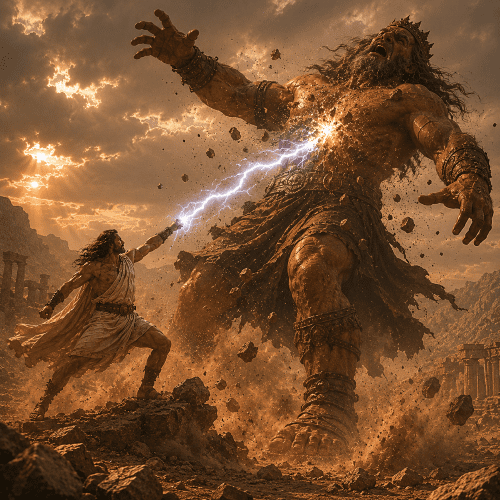
Her patience, however, had limits. In one well-known account, a group of young men climbed Mount Arayat and requested more produce than they required. Mariang Sinukuan allowed them to collect what they needed but warned them against taking fruits without permission. Ignoring her instructions, they gathered excessive quantities. Their harvest suddenly turned into rocks, making their bags unbearably heavy. When they attempted to escape, Mariang Sinukuan appeared and transformed them into swine as punishment for their greed.
The incident did not end the exploitation. Other people continued taking resources without permission, prompting her to stop providing food to struggling families. The mountain’s abundance disappeared with her withdrawal, leaving the villagers without the generosity they had once enjoyed.
Another unusual ability attributed to Mariang Sinukuan involves enchantment through music. According to local accounts, she placed a curse on Mount Arayat whereby people entering the forest with malicious intentions would hear extraordinarily beautiful music. Drawn towards its mysterious source, they would wander deeper into the wilderness until they became hopelessly lost.
These stories portray her as more than a benevolent nature guardian. She possesses the ability to disguise herself, manipulate perception and impose supernatural consequences on those who threaten her domain. Her powers ultimately reinforce one central principle: the mountain offers abundance to those who respect it but becomes unforgiving towards those who attempt to exploit it.
Modern Day Influence
Mariang Sinukuan remains an important figure in the cultural identity of Pampanga and the wider Kapampangan community. Her association with Mount Arayat continues to connect local folklore with the region’s natural landscape. The mountain itself, rising prominently above the Central Luzon plains, remains a significant geographical and cultural landmark. Its forests and wildlife give the stories surrounding the diwata an enduring connection to the environment.
Her legend has also found its way into contemporary literature, theatre and visual storytelling. Children’s books, illustrations and artistic interpretations introduce her character to younger audiences, while modern retellings explore the relationship between indigenous beliefs, cultural identity and environmental preservation. The dance-theatre production Mulat: Ang Hindi Sinukuan sa Arayat is one example of how her story has been reinterpreted to address concerns involving the mountain, indigenous communities and environmental change.
The annual Sinukwan Festival in Pampanga also celebrates the cultural heritage associated with the older figure Aring Sinukwan. Although the festival honours the wider Kapampangan tradition rather than Mariang Sinukuan exclusively, it helps preserve the cultural memory surrounding Mount Arayat and its supernatural associations.
Today, Mariang Sinukuan’s story carries significance beyond its supernatural elements. Her legend presents the mountain as a living domain rather than an unlimited source of resources. Through her generosity, warnings and eventual disappearance, she represents a traditional understanding of environmental responsibility in which human survival depends on respecting the natural world. As long as Mount Arayat remains part of Kapampangan cultural memory, the mysterious guardian of its forests will continue to have a place in Philippine folklore.
Related Images




Source
Evasco, E. Y. (2006). Mariang Sinukuan, ang diwatang tagapag-ingat ng Bundok Arayat. LG & M Corporation.
Eugenio, D. L. (2002). Philippine folk literature: The legends. University of the Philippines Press.
Kapampangan Nation. (2012, October 12). Indung Kapampangan. https://kapampangannation.wordpress.com/2012/10/12/indung-kapampangan/
Pinoy Edition. (2008, December 31). Mariang Sinukuan. https://www.pinoyedition.com/mga-alamat/mariang-sinukuan/
Saint Louvent. (2025, October 9). Mariang Sinukuan: Ang Mahiwagang Tagapag-alaga Ng Bundok. https://saintlouvent.com/blog/mariang-sinukuan-ang-mahiwagang-tagapag
Scribd. (2026, February 13). Legend of Mariang Sinukuan [PDF]. https://www.scribd.com/document/704157451/Legend-of-Mariang-Sinukuan
Studocu. (n.d.). Quiz: The Legend of Mariang Sinukuan – ART AP01. https://www.studocu.com/ph/quiz/the-legend-of-mariang-sinukuan/6031281
The Aswang Project. (2022, June 2). Mariang Sinukuan, the Diwata of Mt. Arayat in Pampanga. https://www.aswangproject.com/mariang-sinukuan/
Frequently Asked Questions
Who is Mariang Sinukuan?
Mariang Sinukuan is a mountain diwata from Pampanga, known as the guardian spirit of Mount Arayat and a protector of nature.
What powers does Mariang Sinukuan have?
She controls nature, creates abundance, summons storms, and punishes greed by transforming wrongdoers.
Is Mariang Sinukuan based on a male deity?
Yes, she evolved from Apung Sinukuan, a pre-colonial male deity later feminized during Spanish colonization.
Where is Mariang Sinukuan believed to live?
She is said to dwell in Mount Arayat in Pampanga, Philippines, guarding its natural resources.
Why did Mariang Sinukuan stop helping people?
Legends say she withdrew her gifts after humans became greedy and abused her generosity.


