
African Mythology
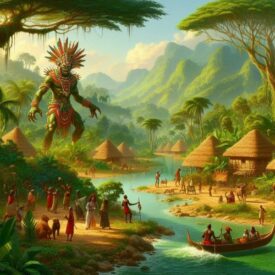
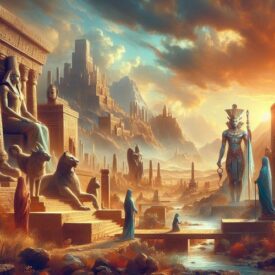
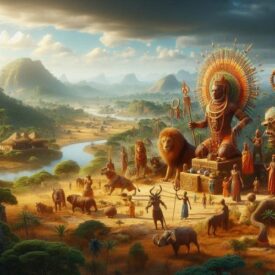
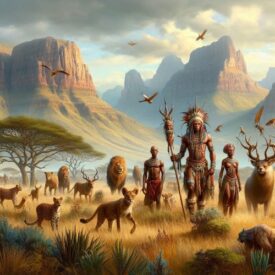
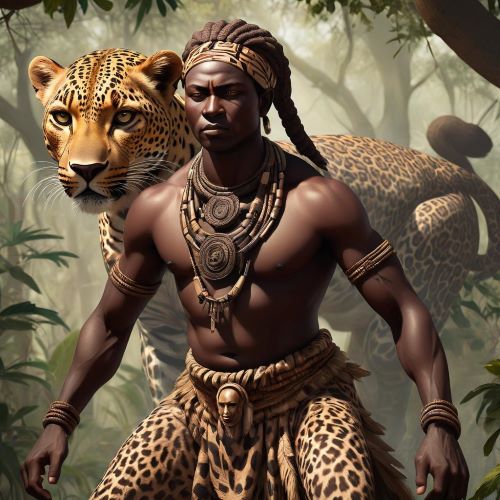
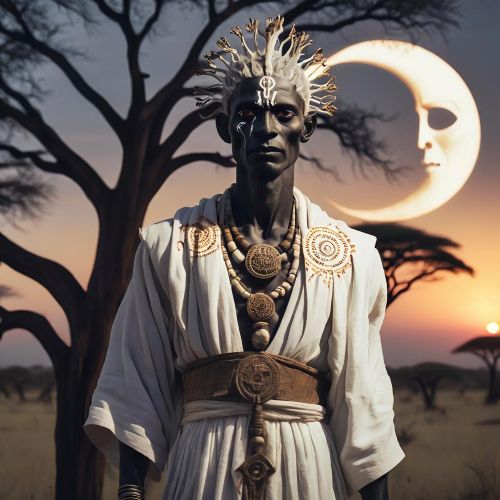
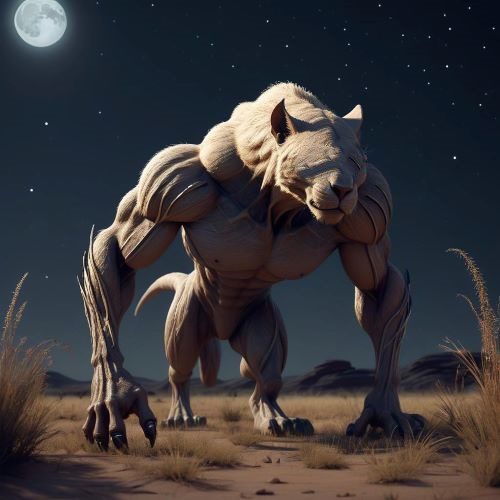
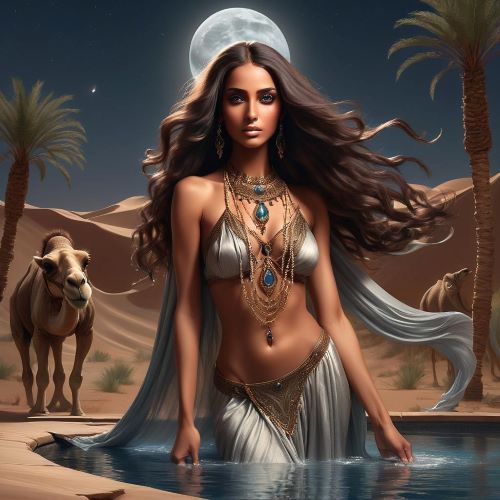
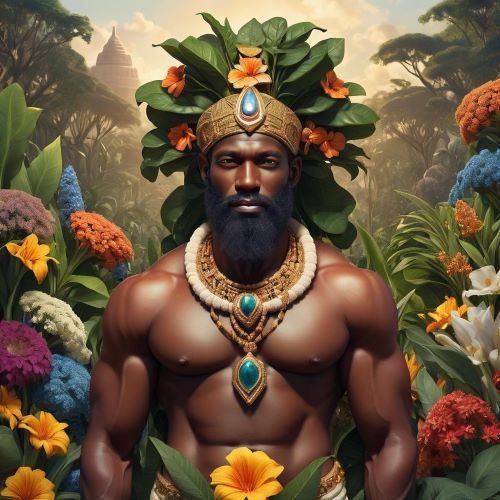
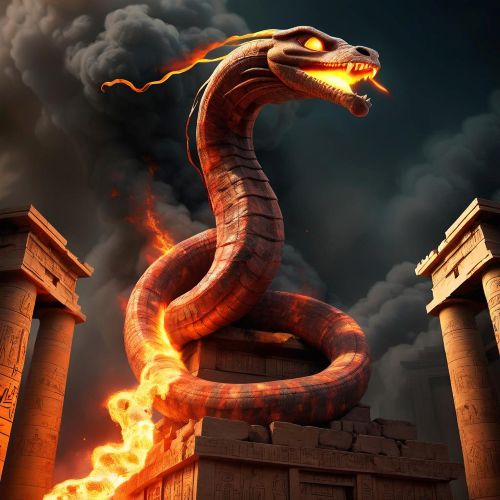
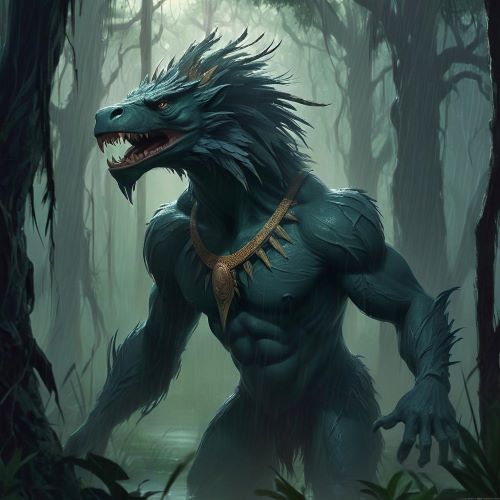
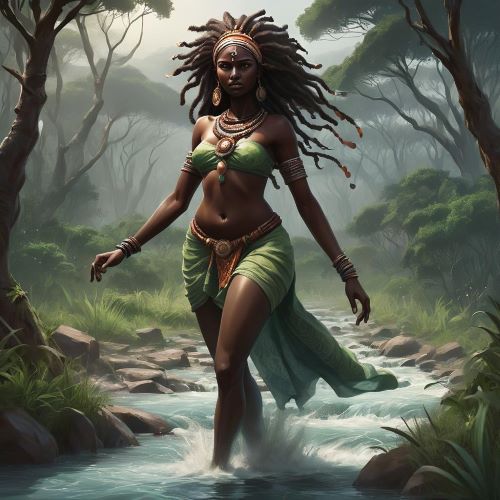
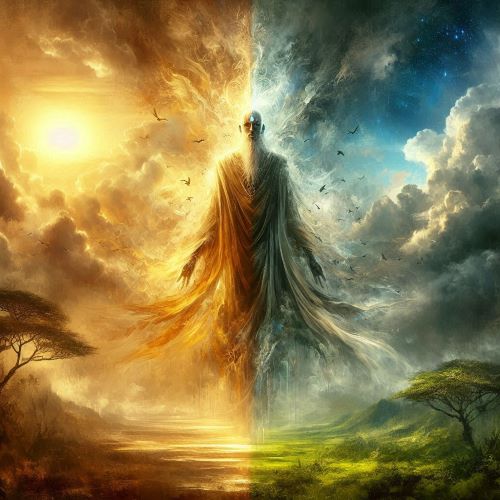
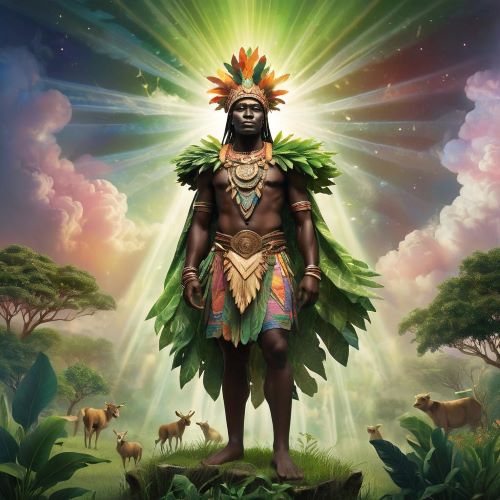
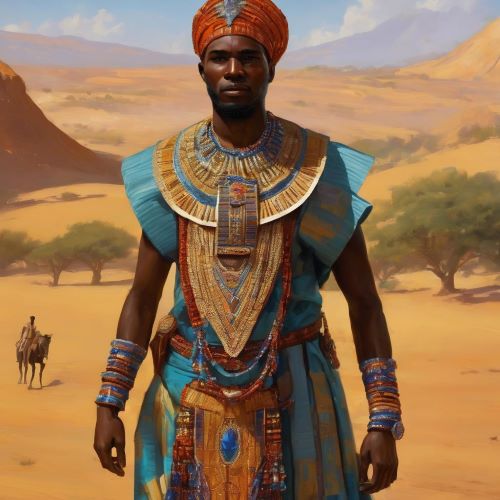
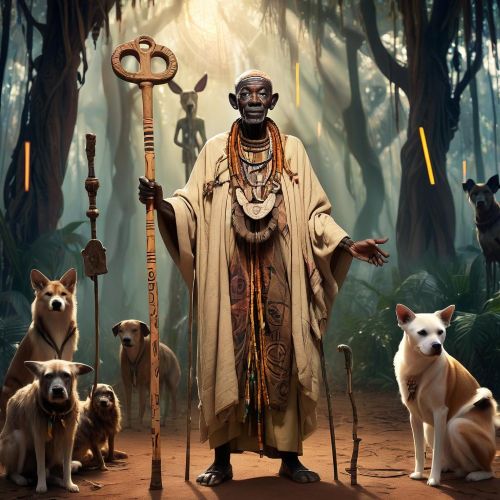
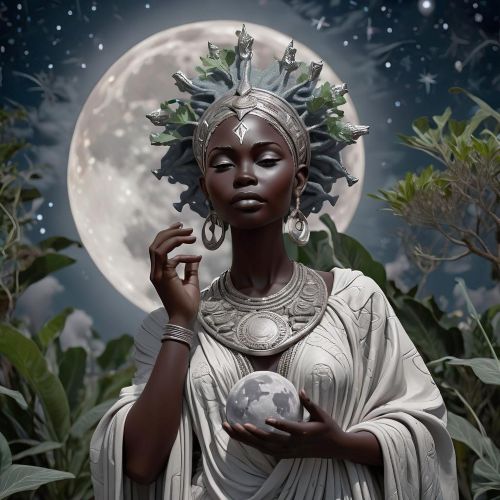
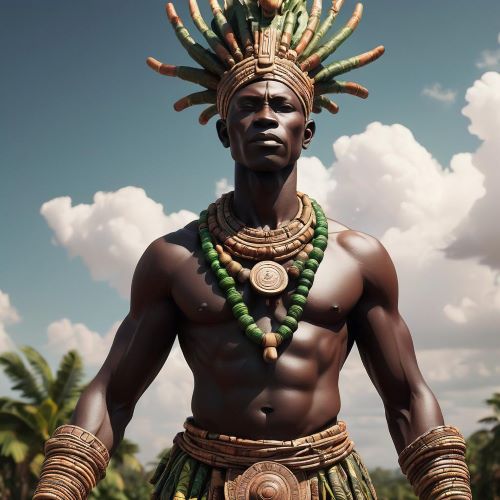
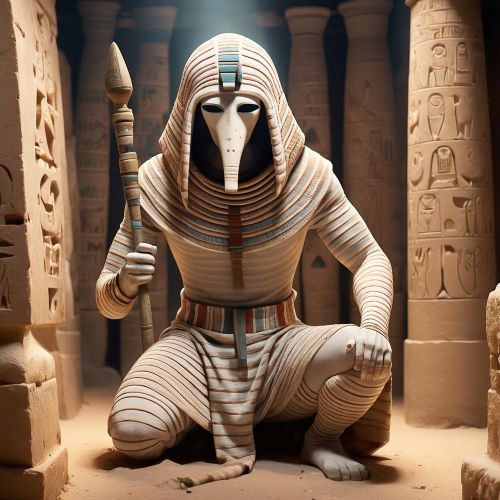
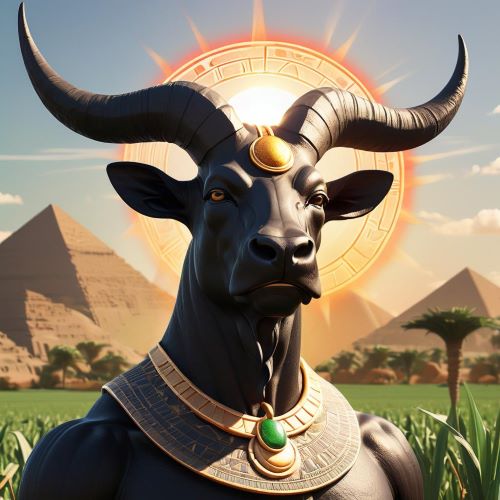
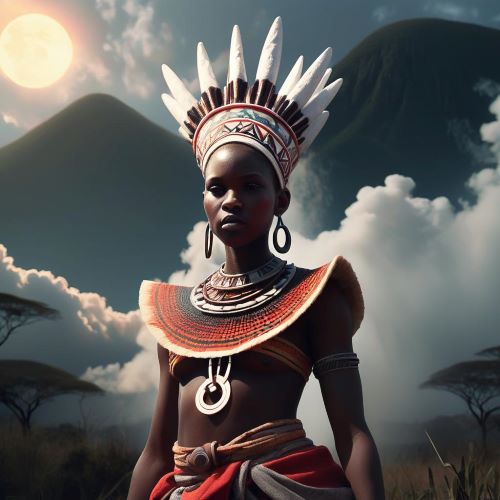
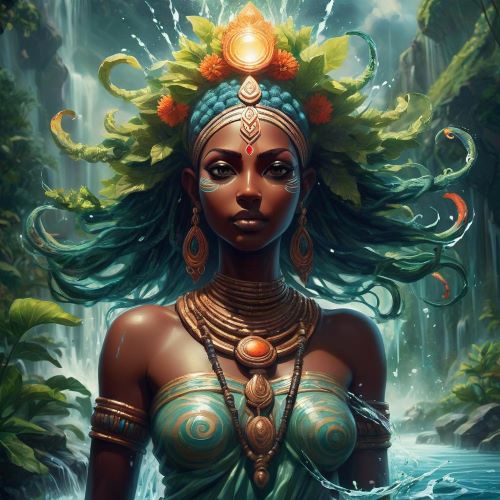
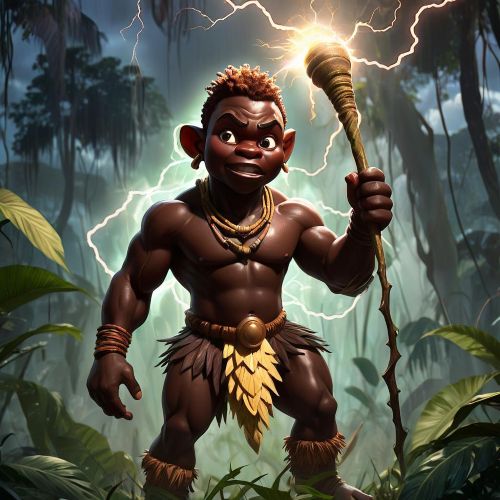
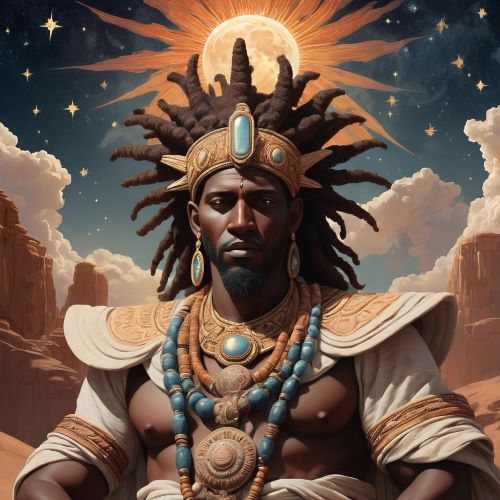
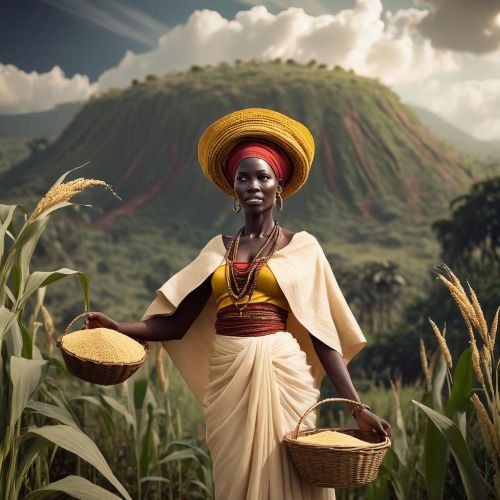
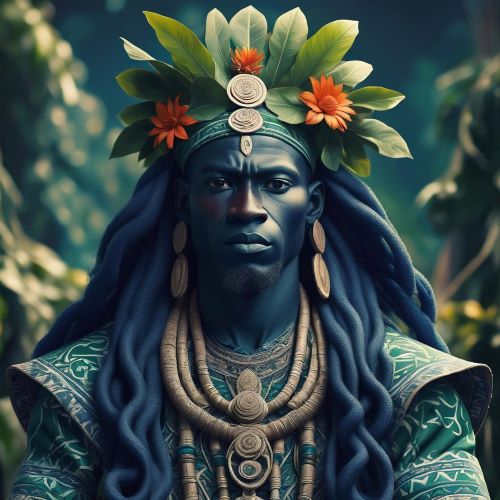
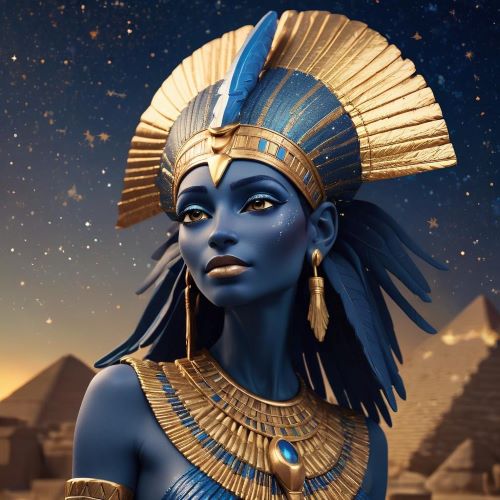
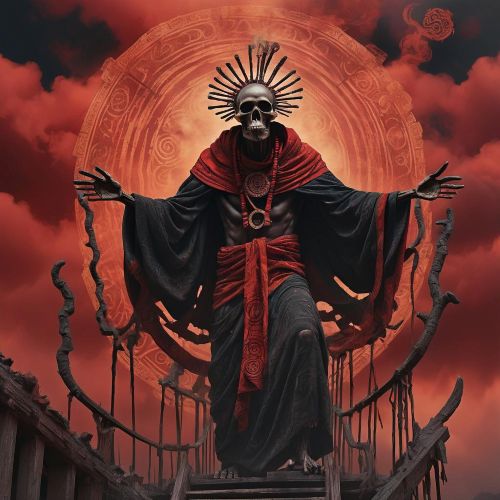
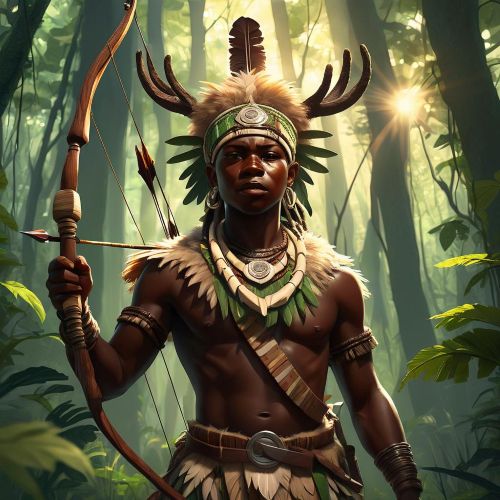
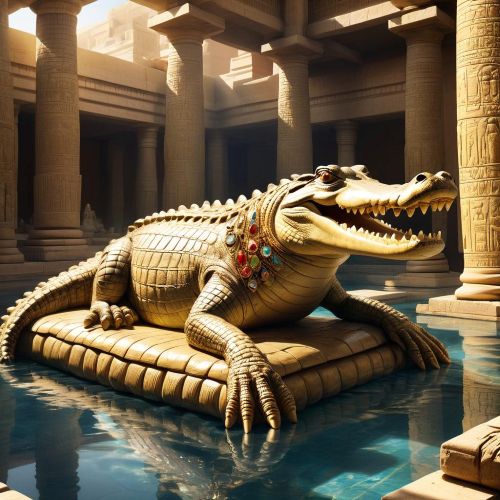
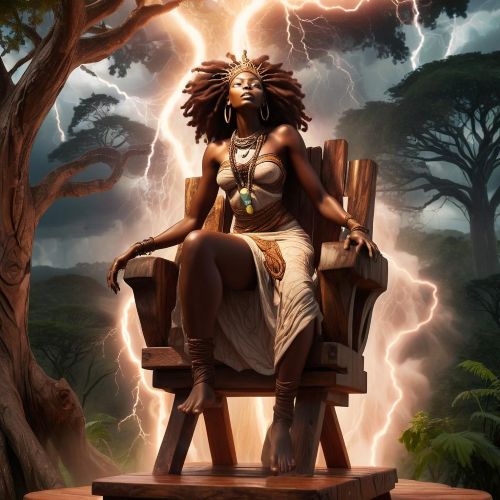
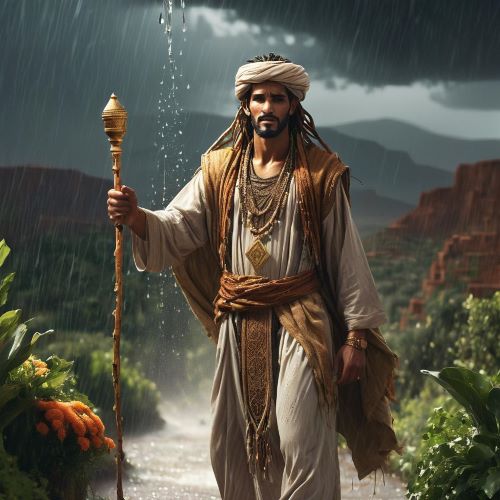
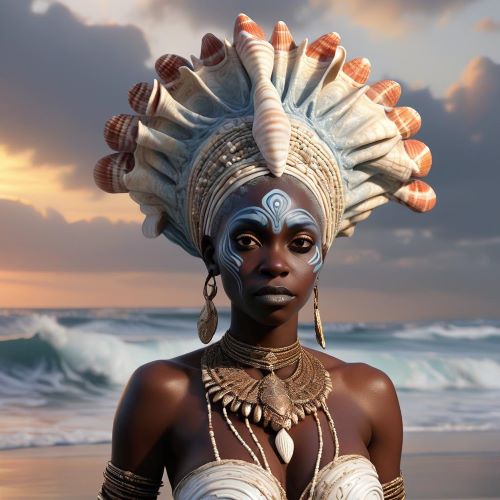
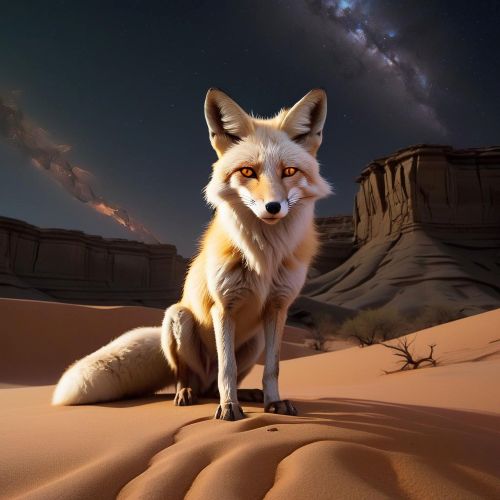
African mythology encompasses a vast spectrum of spiritual traditions, ancestral beliefs, and creation stories from one of the most culturally diverse continents in the world. Rather than a single belief system, African mythology consists of many interconnected cosmologies that honor the presence of gods, spirits, and ancestors who shape both the natural and human world. These mythologies reflect local environments — from deserts and savannas to forests and river valleys — and preserve cultural identity through storytelling, music, and ceremony.
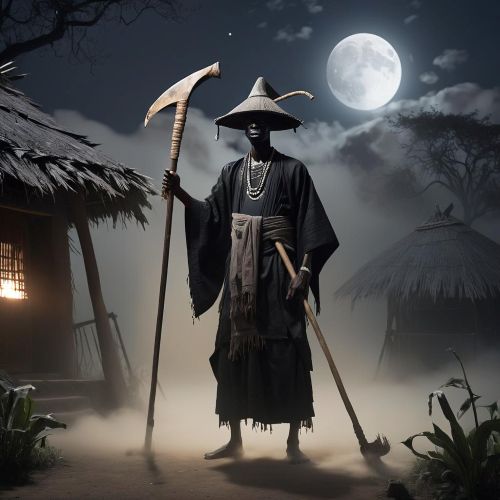
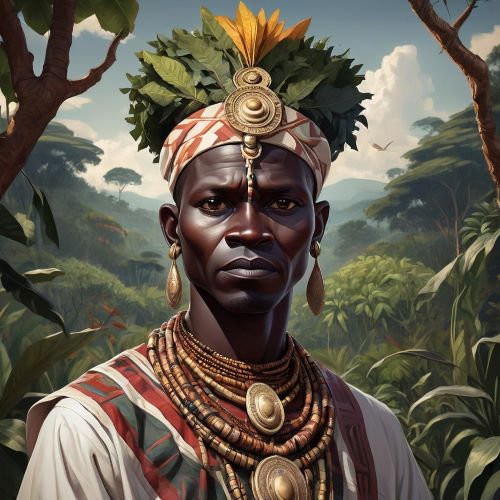
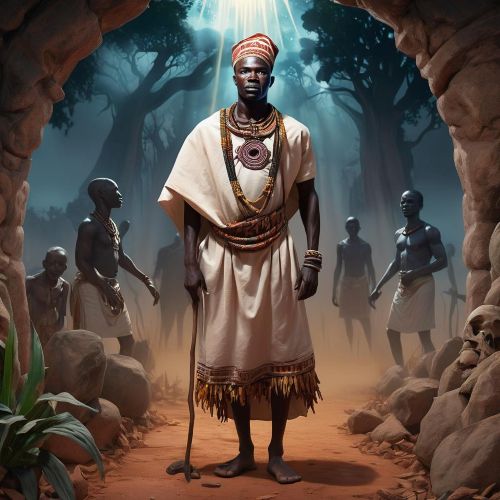
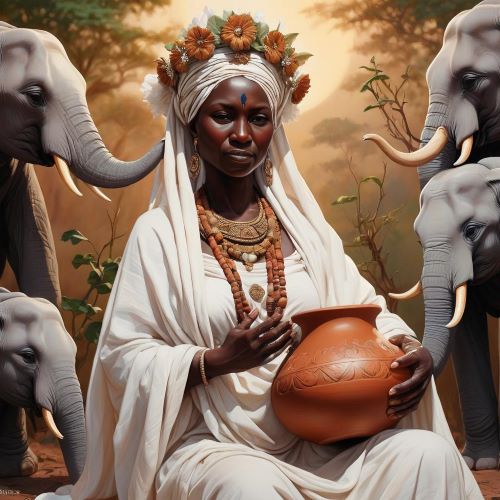
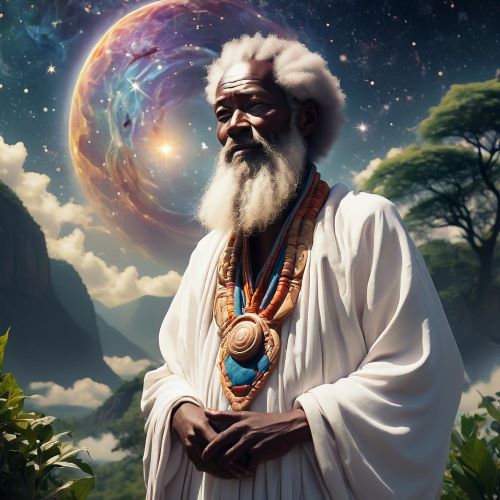
A defining feature of African mythology is its connection to ancestors. Many African cultures believe that the spirits of ancestors remain active in daily life, offering guidance, protection, and moral lessons. Rituals, offerings, and community ceremonies reinforce the sacred bond between the living and those who came before, ensuring spiritual continuity.
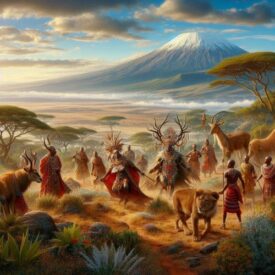
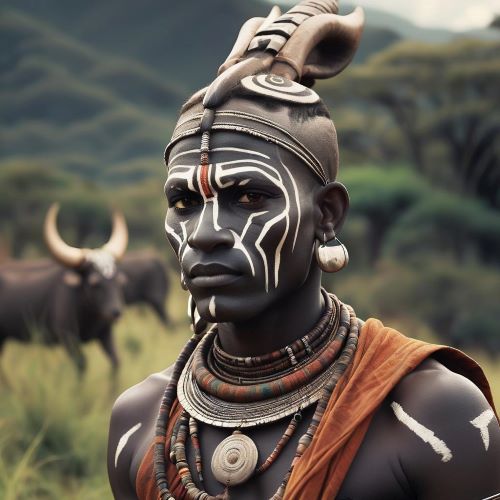
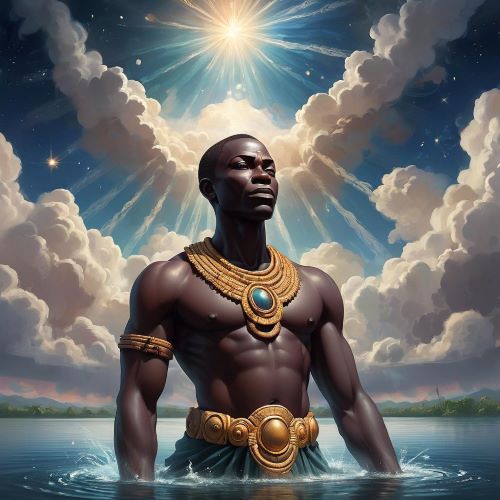
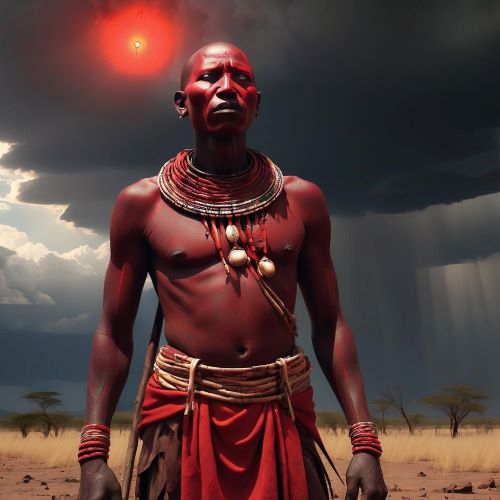
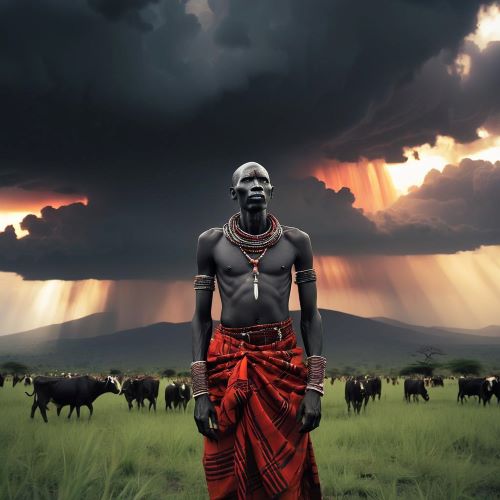
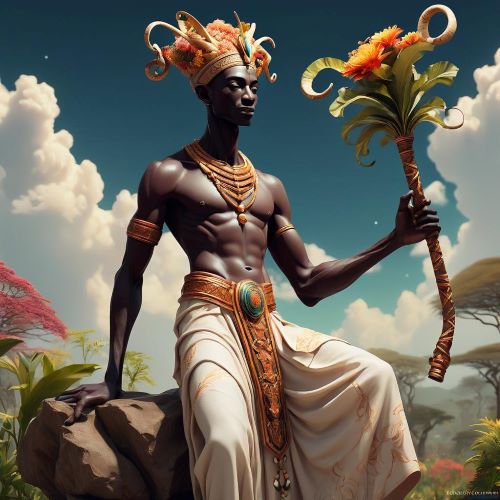
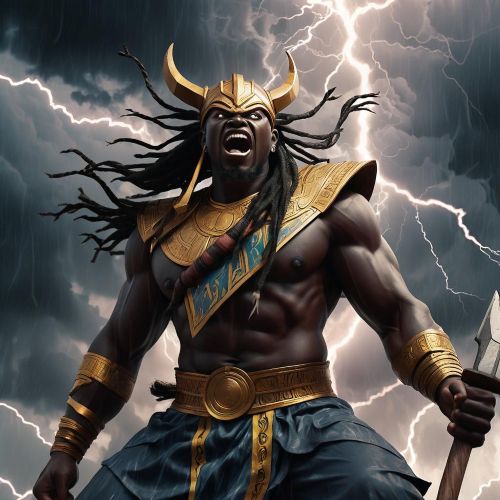
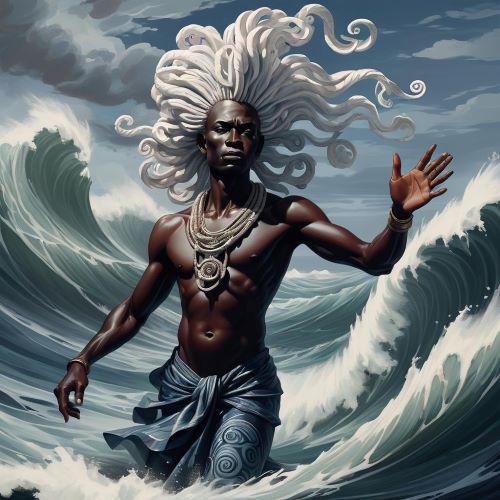
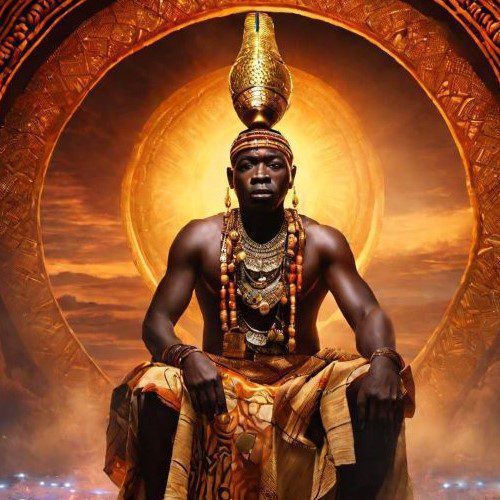
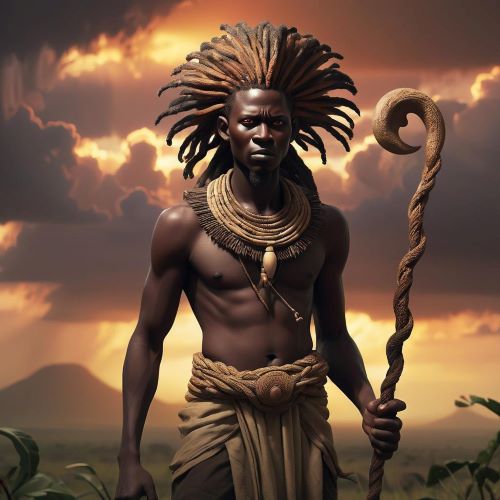
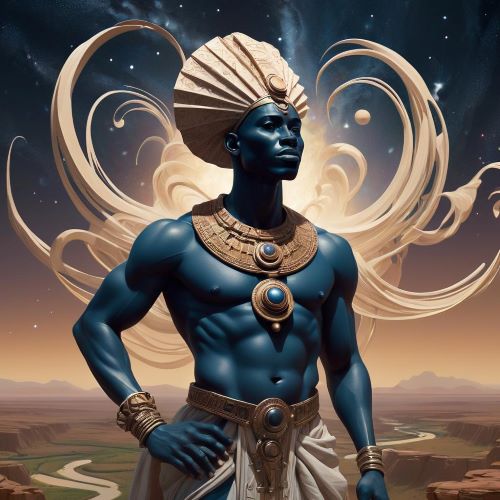
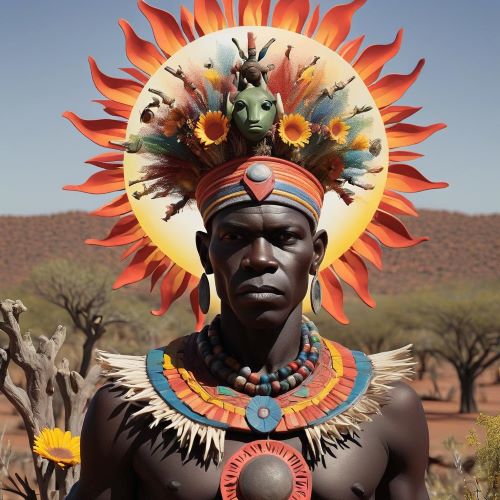
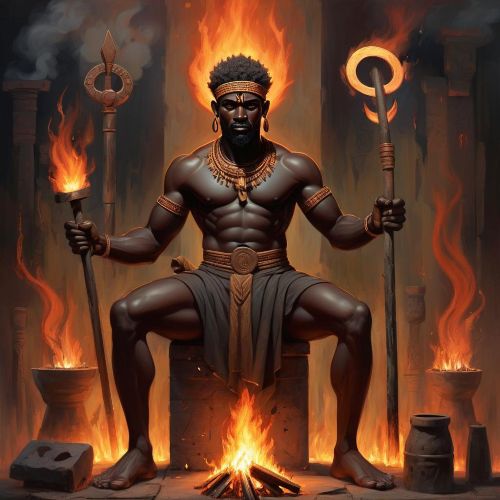
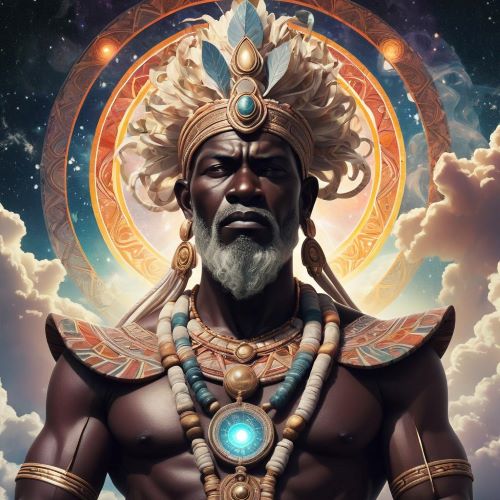
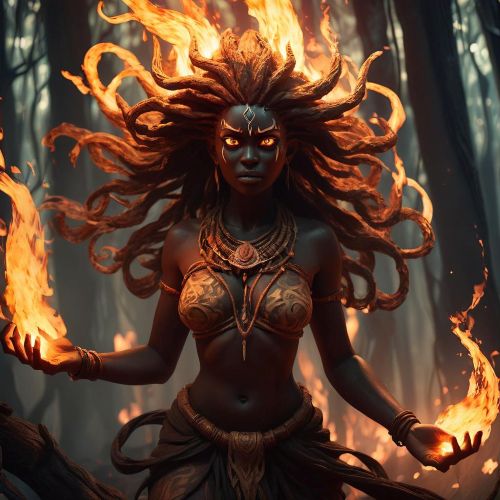
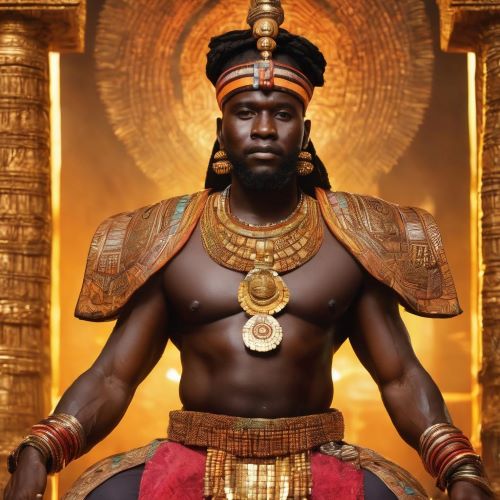
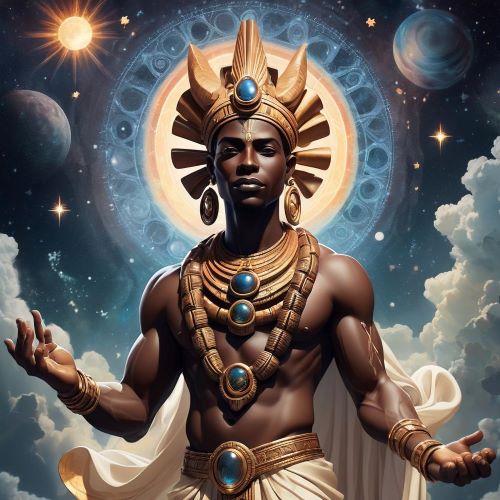
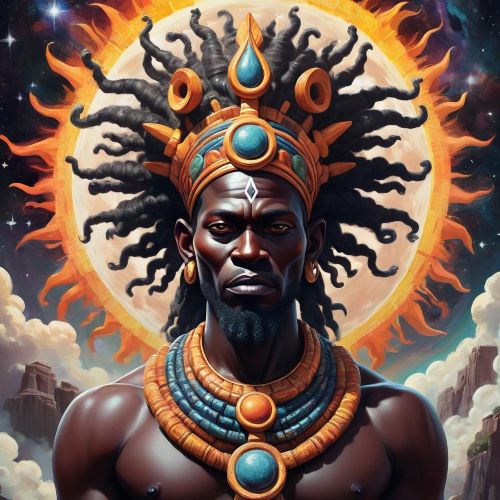
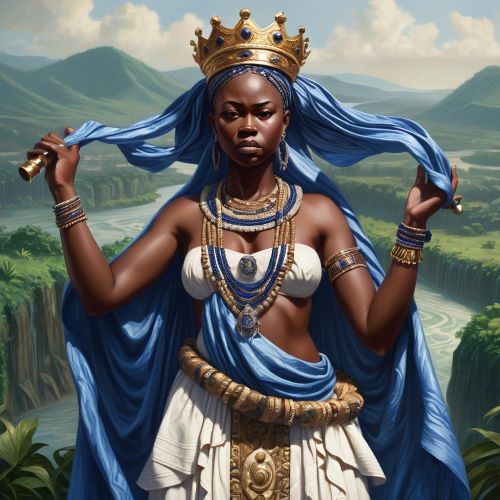
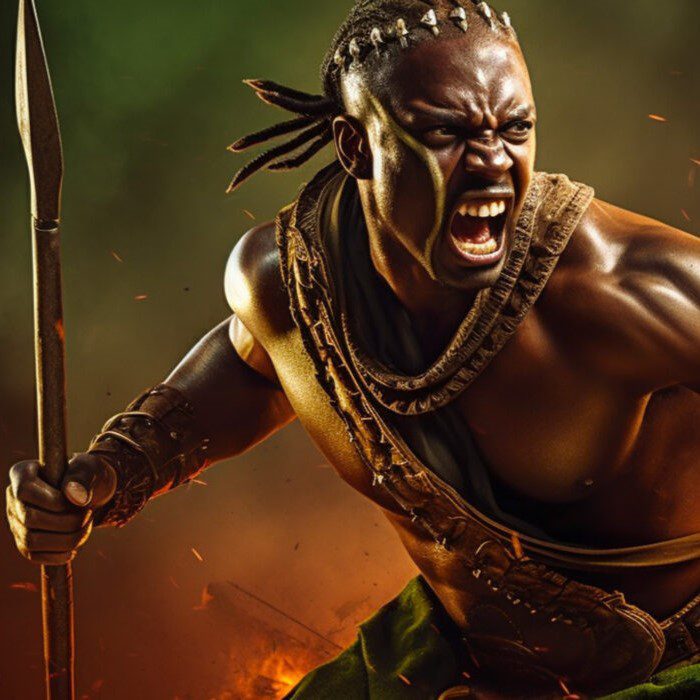
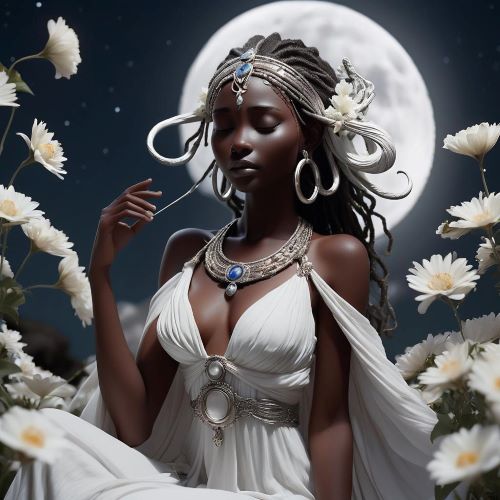
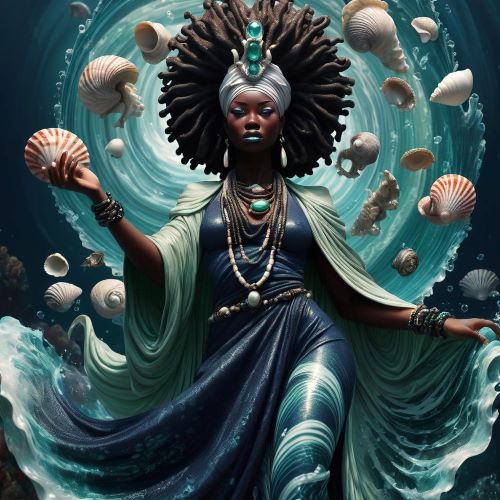
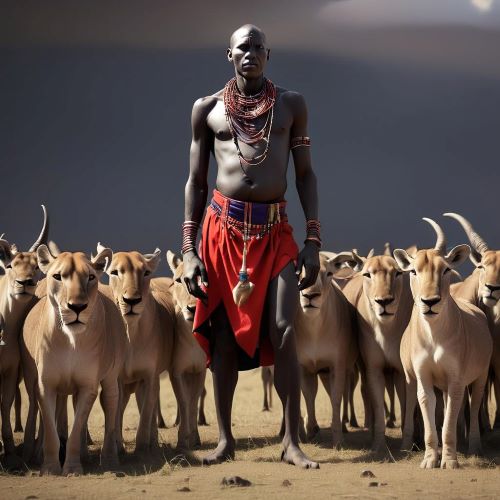
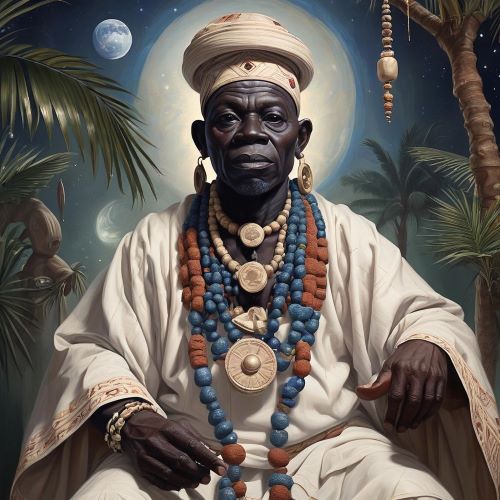
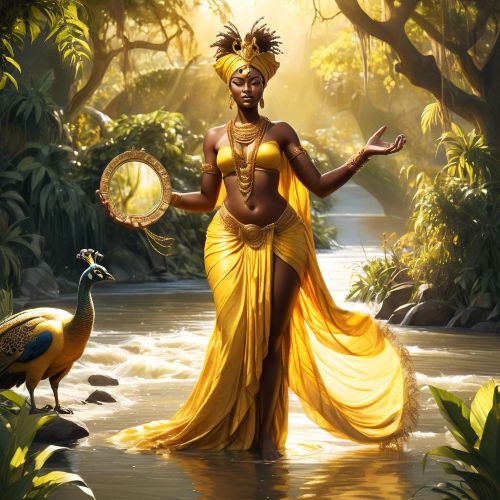
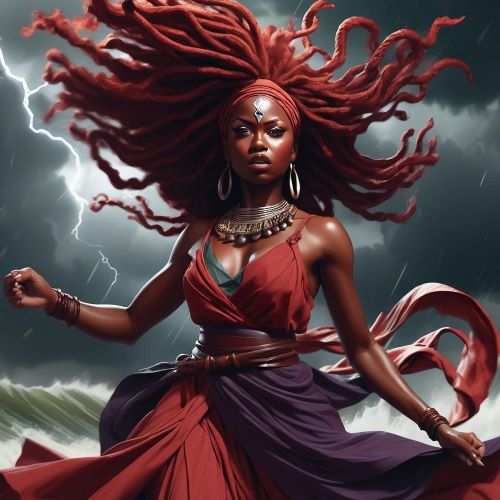
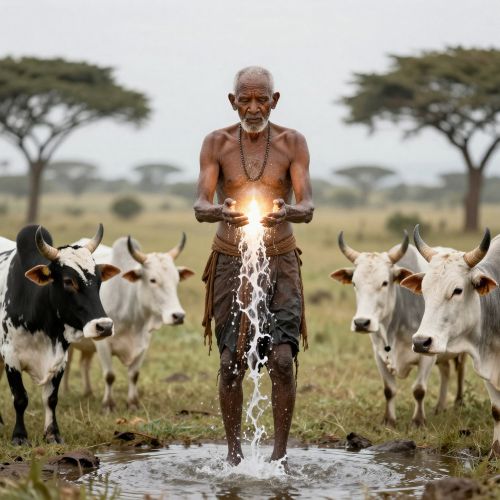
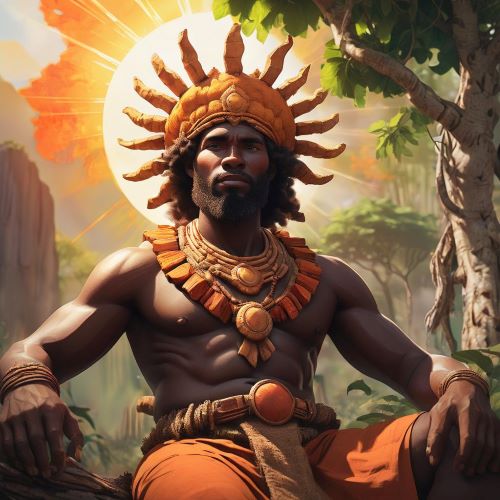
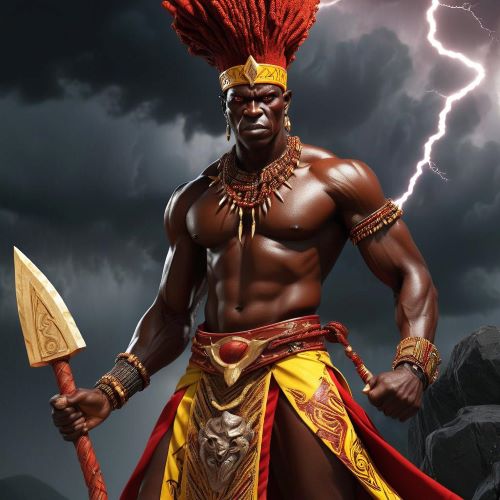
Creation myths vary across regions but often emphasize the origins of humanity and natural order. In West Africa, Yoruba tradition honors deities known as Orishas, who control elemental forces and human virtues. In Central and Southern Africa, the Bantu cosmologies tell stories of creator beings who shaped land, animals, and cultural law. Across East Africa, Maasai and Nilotic traditions highlight sky gods and animal spirits that define relationships between people, cattle, and land.
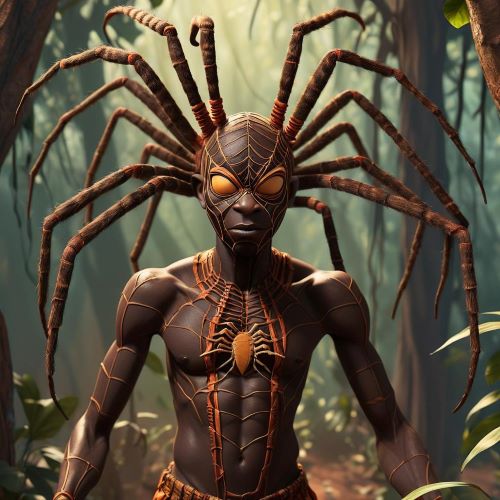
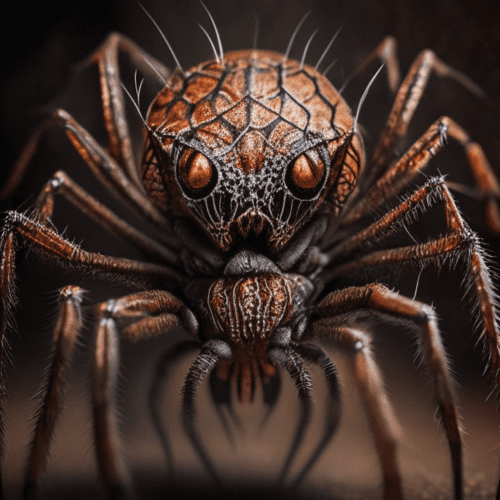
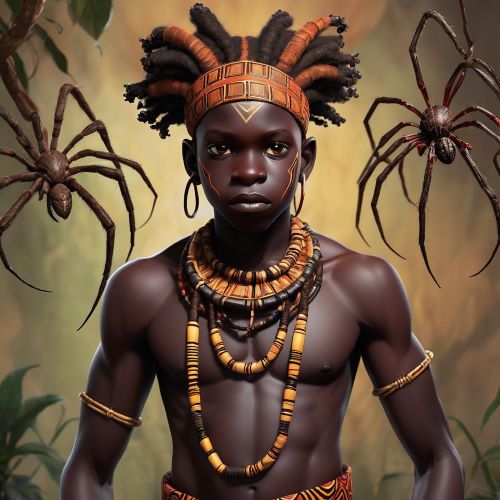
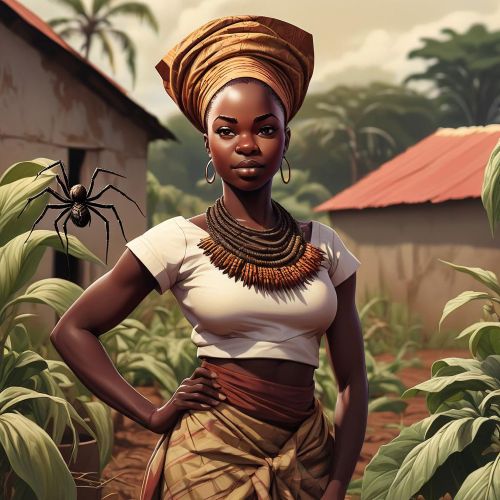
African mythology also features a rich variety of trickster figures, such as Anansi the spider in Akan culture, who uses cleverness to overcome challenges and teach social wisdom. These stories celebrate intelligence, humor, and adaptability — values essential for community survival.
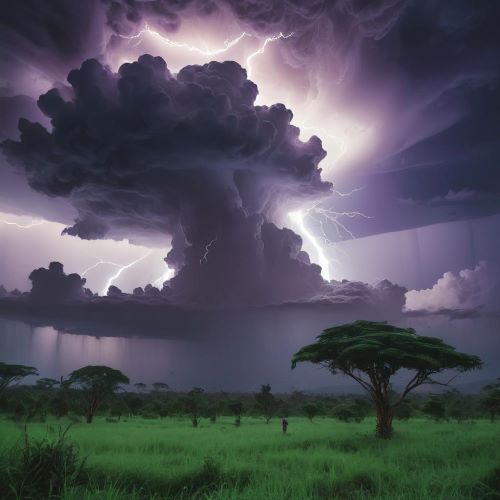
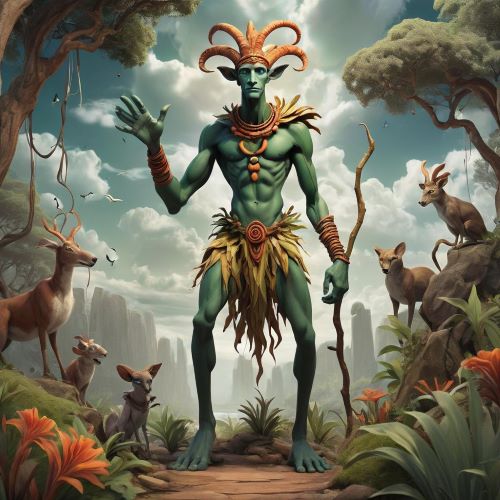
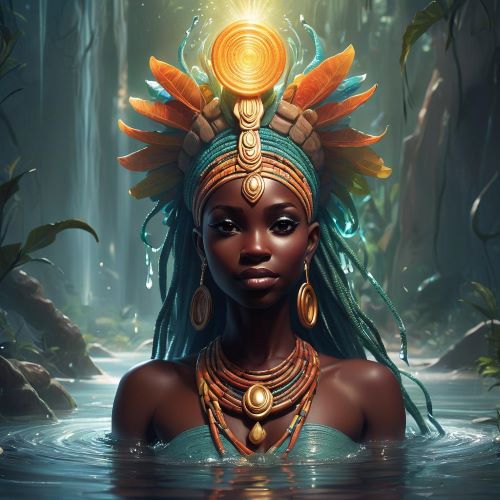
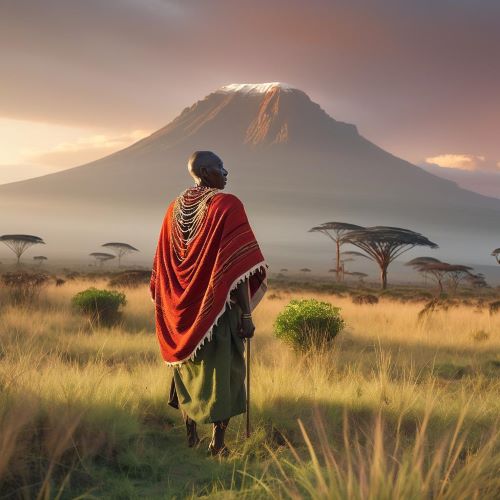
The environment itself is spiritually alive. Mountains, rivers, forests, and wildlife are often seen as the homes of divine beings or the physical manifestations of mythic events. This worldview fosters environmental stewardship, ensuring that natural resources are treated with respect and sustainability.
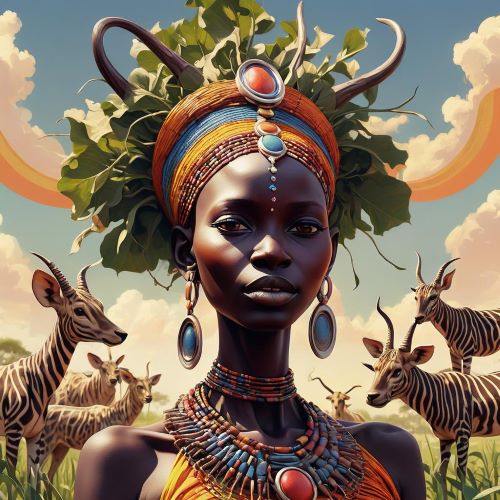
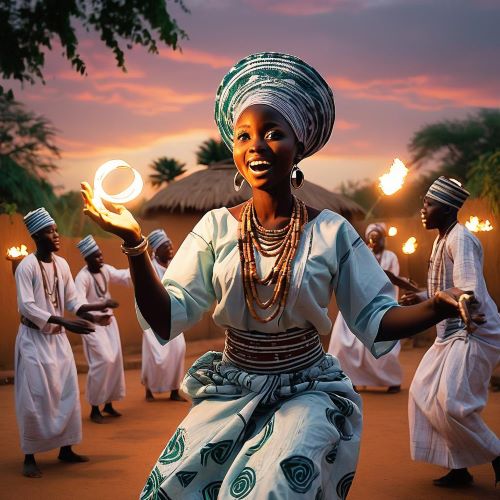
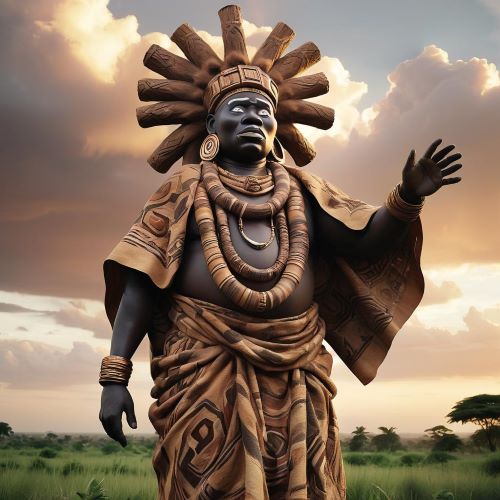
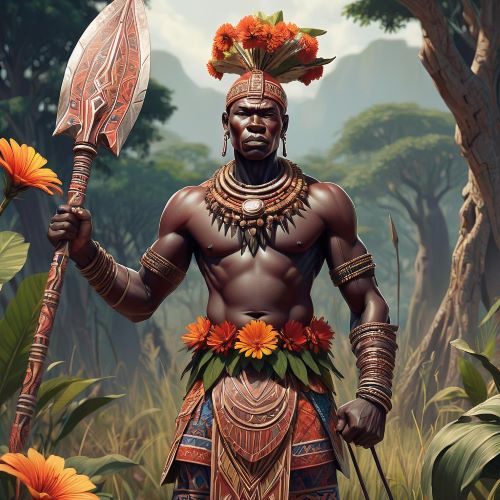
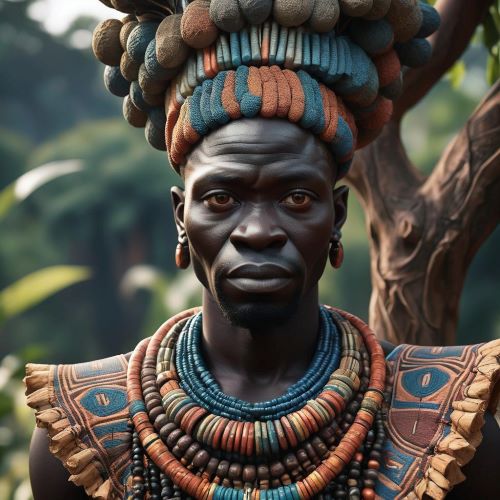
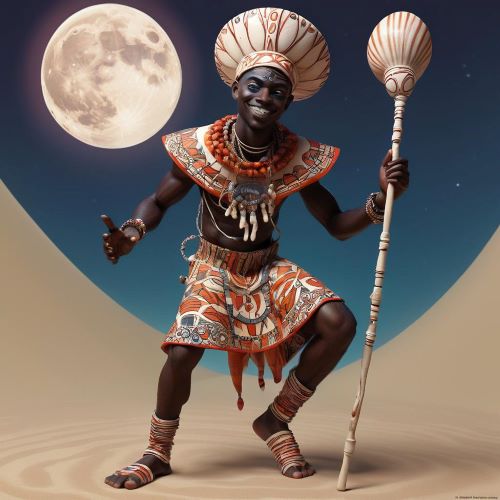
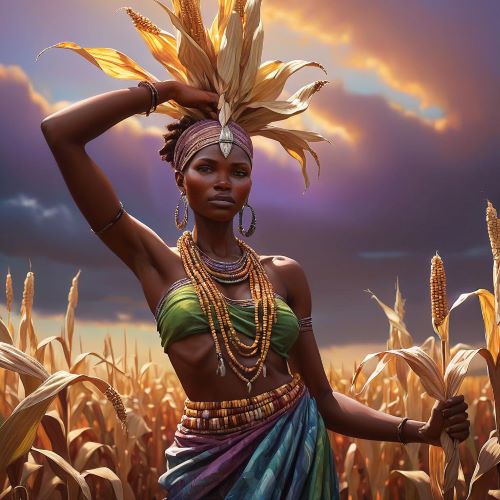
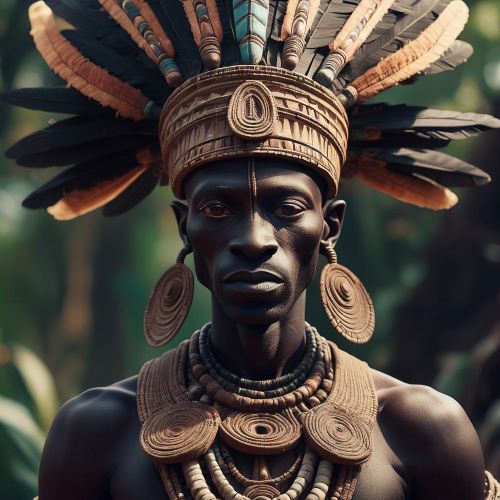
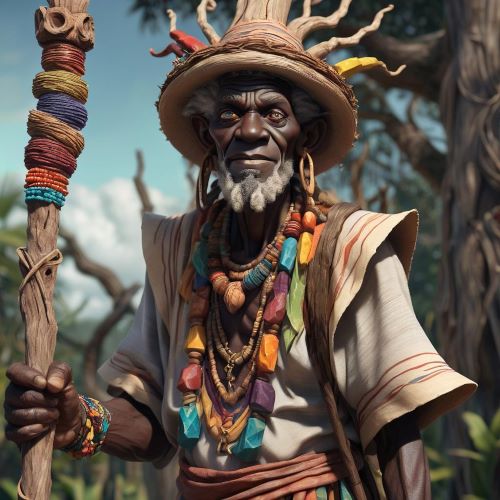
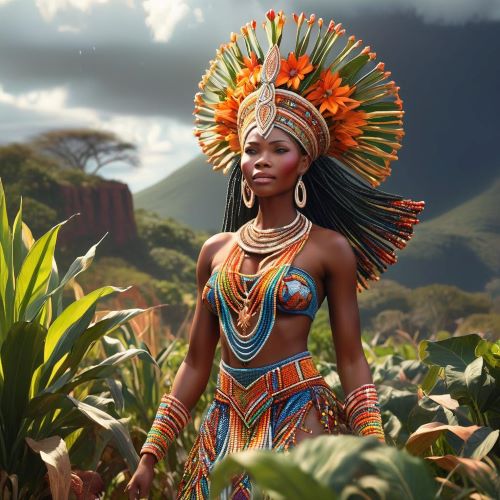
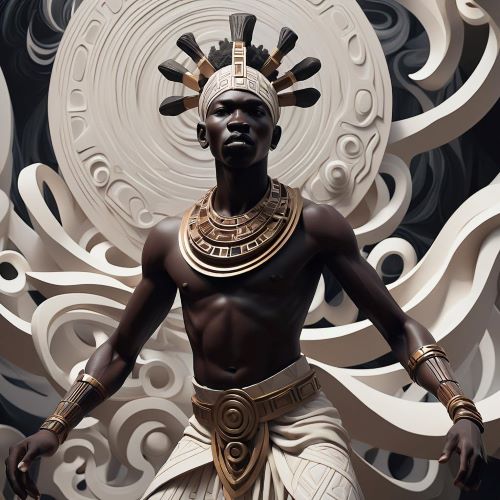
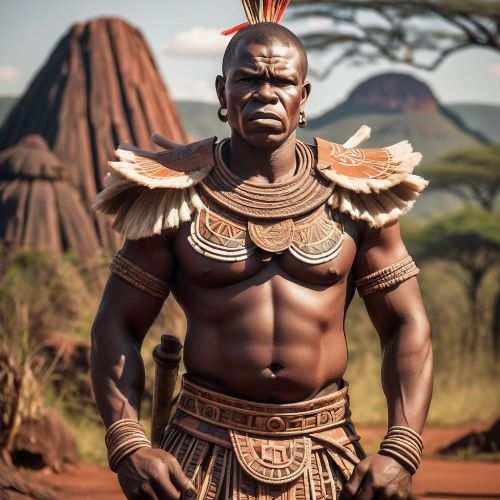
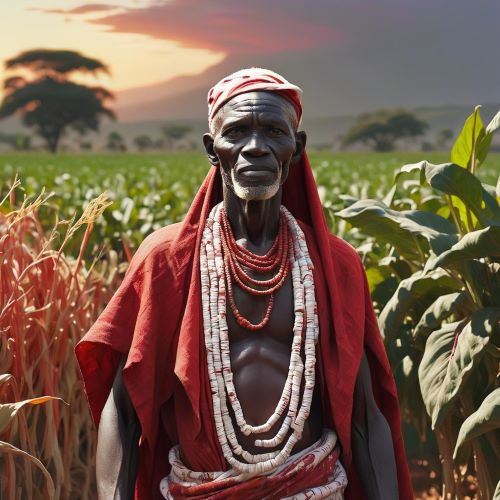
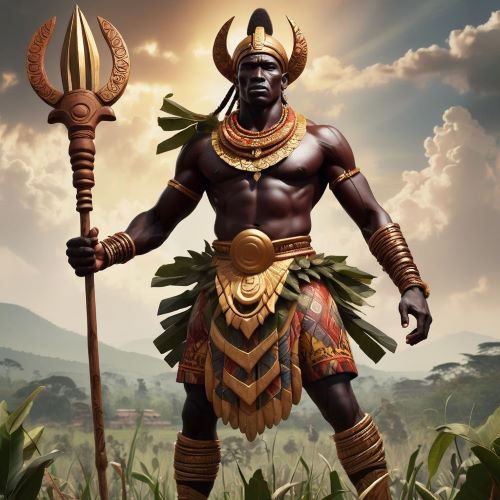
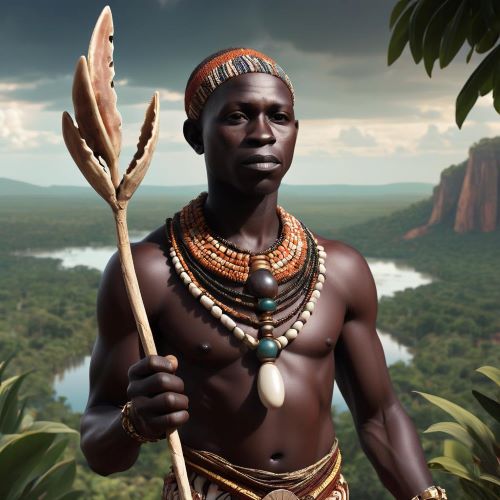
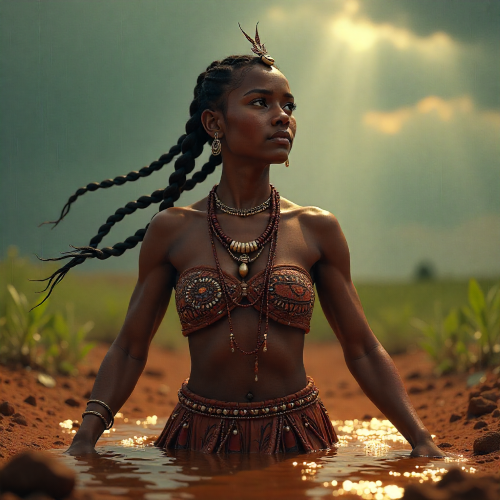
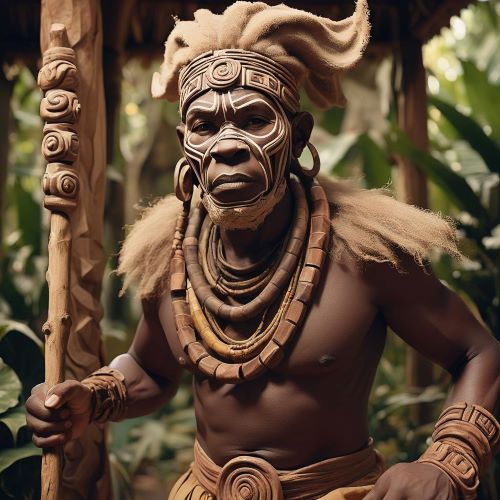
Music, dance, and oral performance remain essential in transmitting mythology. Drumming ceremonies, mask traditions, and initiation rituals preserve sacred narratives while strengthening social unity. Artworks — including textiles, sculptures, and beadwork — depict mythological beings and ancestral symbols, visually connecting community life with spiritual heritage.
Despite external influences and modernization, African mythology continues to evolve as a guiding cultural force. Revival movements, heritage education, and global recognition of African stories have helped preserve these ancient beliefs while allowing them to empower future generations.
African mythology stands as a testament to resilience, cultural diversity, and the enduring power of storytelling — a living legacy that connects millions of people to their ancestors, their land, and the deeper meaning of community.