
Nyambe : The Supreme Divine Being of the Kuba People
At a glance
| Description | |
|---|---|
| Origin | Kuba Mythology |
| Classification | Gods |
| Family Members | N/A |
| Region | Democratic Republic of Congo |
| Associated With | Absolute Powers |
Mythlok Perspective
In Mythlok’s Perspective, Nyambe stands apart from many creator gods because his mythology emphasizes quiet creation over dramatic intervention. Compared to deities like Zeus or Odin, whose legends are filled with conflict and personal exploits, Nyambe’s presence is defined by the enduring order of the universe itself. His stories remind us that the greatest expression of power is not domination, but the ability to create, sustain, and remain beyond the struggles of the world.
Nyambe
Introduction
Nyambe is the Supreme Being in Kuba mythology and occupies the highest position in the spiritual traditions of the Kuba people, a Bantu-speaking community of the present-day Democratic Republic of the Congo. Revered as the creator of the world and the source of all life, Nyambe represents the ultimate expression of divine authority, wisdom, and cosmic order. Unlike many mythological figures who feature prominently in heroic adventures or epic battles, Nyambe is primarily known through his role in creation and his enduring influence over the universe.
Kuba mythology places great importance on oral tradition, with stories passed from one generation to the next by elders and storytellers. Within these narratives, Nyambe serves as the foundation of existence, establishing the natural order that governs humanity, animals, and the spiritual realm. Although closely related creator deities appear throughout other Bantu-speaking cultures under different names, the Kuba tradition preserves Nyambe as its own distinct supreme creator. His role is not simply that of a god among many but of the divine force from which all existence ultimately originates.
Physical Traits
Unlike many gods in world mythology, Nyambe is not described through elaborate physical features or distinctive clothing. Kuba traditions deliberately place greater emphasis on his divine nature than on his outward appearance, reflecting the belief that the Supreme Being transcends ordinary human understanding. Rather than envisioning Nyambe as a warrior, king, or elder with clearly defined characteristics, oral traditions focus on his presence through creation itself.
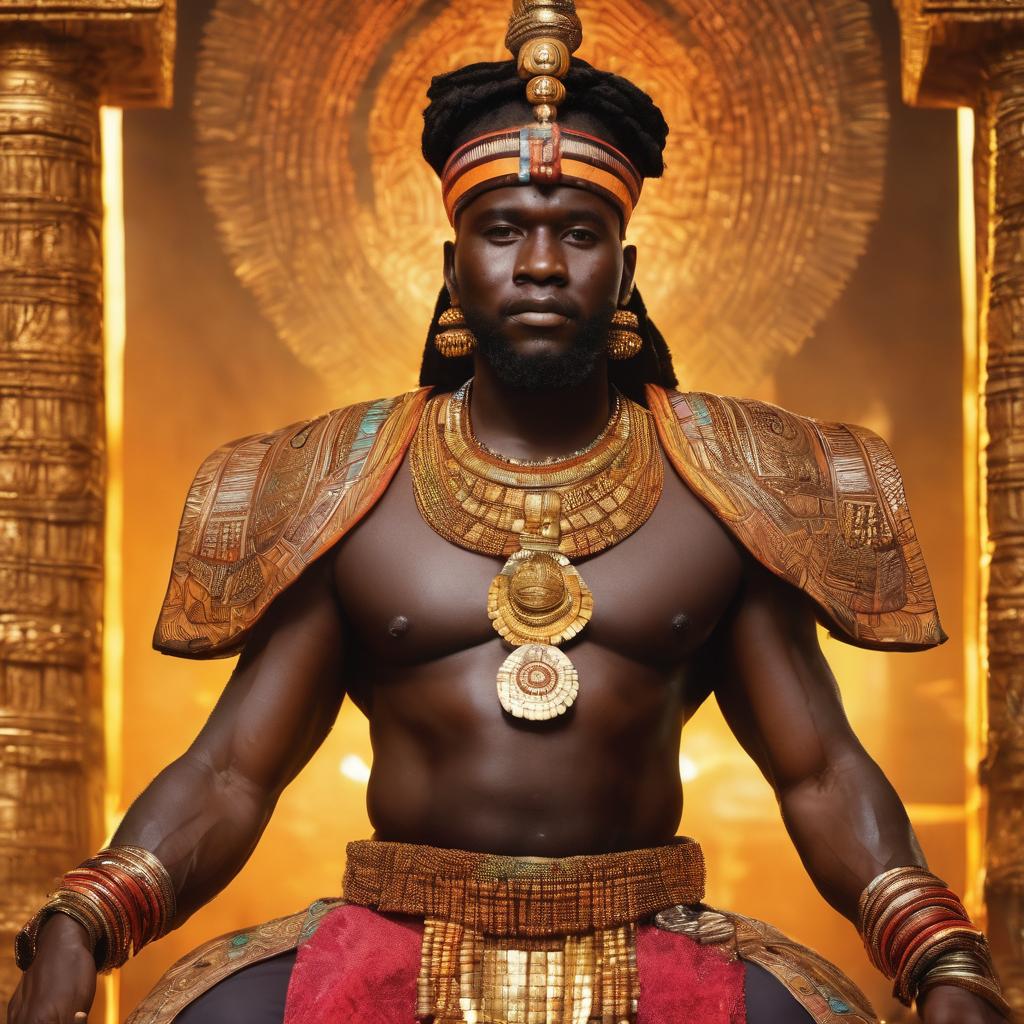
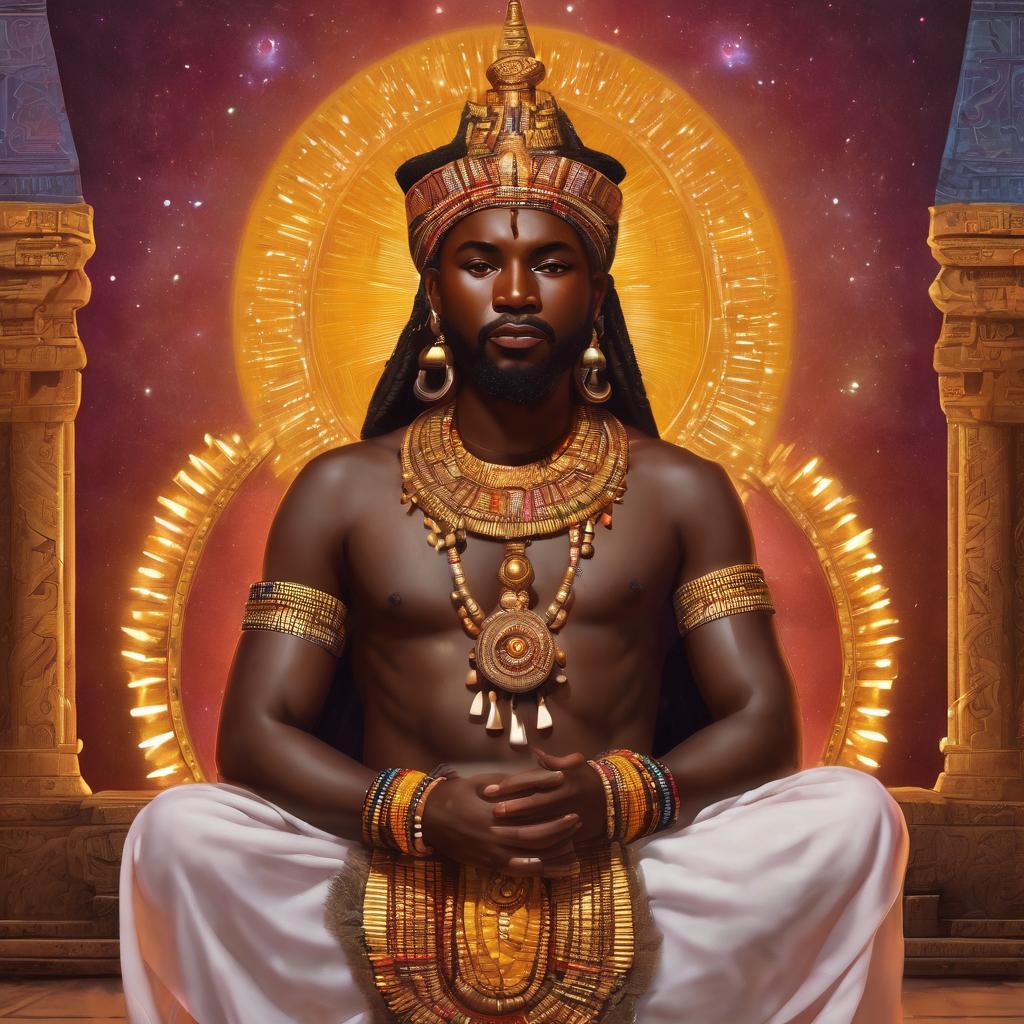
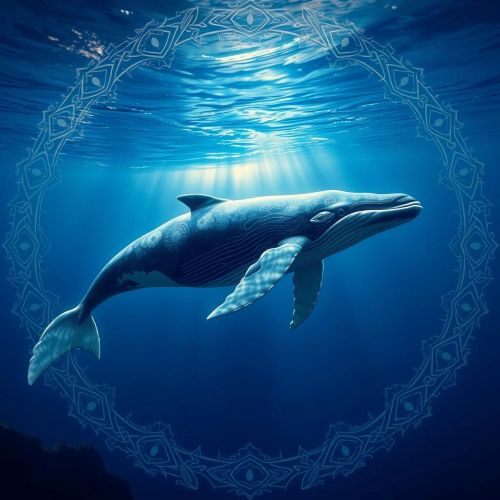
Because Nyambe exists beyond the physical world, he is often understood through his actions rather than his form. The order of nature, the existence of life, and the balance of the universe all serve as expressions of his divine power. This absence of a fixed appearance has allowed later artists and storytellers to interpret Nyambe in different ways, often portraying him as a majestic figure surrounded by light or clothed in regal attire. However, these artistic representations are modern interpretations rather than descriptions preserved in traditional Kuba mythology.
The lack of a detailed physical description also distinguishes Nyambe from many mythological deities across the world. Instead of emphasizing recognizable features or symbolic objects, Kuba tradition highlights his transcendence, reinforcing the idea that the creator exists beyond the limitations of the material world.
Family
Nyambe stands at the beginning of Kuba cosmology as the creator of all existence. Unlike many mythological traditions that present extensive genealogies of gods, Kuba mythology provides relatively little information about Nyambe’s immediate family or descendants. His importance lies not in his relationships with other divine beings but in his role as the origin of creation itself.
Some Kuba traditions connect Nyambe with legendary cultural figures who shape the history and identity of the Kuba people. Among these is Woot, the celebrated ancestral king whose descendants are believed to have founded the Kuba royal lineage. While Woot occupies an important place within Kuba mythology, he is not consistently described as Nyambe’s son or direct descendant. Instead, the two figures serve different purposes within the mythology, with Nyambe representing divine creation and Woot embodying the origins of Kuba civilization.
This distinction reflects the structure of Kuba mythology, where the Supreme Being remains separate from the human and legendary figures who inhabit later narratives. Rather than ruling through a large family of gods, Nyambe stands above creation as its ultimate source and guardian.
Other Names
Within Kuba mythology, the deity is primarily known as Nyambe. The name itself belongs to a broader family of words used across several Bantu languages to describe a supreme creator or heavenly deity. Although these names share common linguistic roots, they often represent distinct cultural traditions with their own myths, beliefs, and religious practices.
Neighboring cultures preserve comparable creator figures under different names. For example, the Chokwe people revere the Supreme Creator as Nyaminyambi, while the Kongo people worship Nzambi Mpungu as their highest deity. Although these figures share similarities in their roles as creators and supreme beings, they are not identical to Nyambe and belong to separate mythological traditions. Understanding these distinctions helps preserve the unique identity of Kuba mythology while acknowledging its place within the wider spiritual heritage of Central Africa.
Powers and Abilities
As the Supreme Being of Kuba mythology, Nyambe possesses limitless creative power. He is credited with bringing the universe into existence, creating the heavens, the earth, and every form of living creature. Everything within the natural and spiritual worlds ultimately derives its existence from Nyambe’s will, making him the highest source of life and creation.
Beyond the act of creation, Nyambe establishes and maintains the natural order that governs the universe. The changing seasons, the fertility of the land, the rhythms of life, and the balance between humanity and nature all exist within the framework established by the creator. For the Kuba people, whose traditional way of life was closely connected to agriculture and the environment, this harmony represented an essential aspect of survival and prosperity.
Nyambe is also regarded as the ultimate source of wisdom and justice. Although he rarely appears directly in myths involving human affairs, his authority underpins the moral and spiritual order of the world. The principles of respect, balance, and communal responsibility found within Kuba society reflect the belief that creation itself possesses an inherent order established by the Supreme Being.
Unlike warrior gods or trickster deities who frequently intervene in earthly events, Nyambe is generally portrayed as a transcendent creator whose presence is constant but subtle. His power is expressed not through dramatic displays of strength but through the continued existence and stability of the universe. This distant yet ever-present nature reinforces his status as a deity beyond ordinary comprehension.
Modern Day Influence
Although traditional religious practices have changed significantly over the centuries, Nyambe continues to occupy an important place within the cultural heritage of the Kuba people. Oral traditions that preserve stories of the creator remain an essential part of Kuba identity, ensuring that knowledge of the Supreme Being is passed from one generation to the next. These narratives provide insight into traditional beliefs about creation, morality, and humanity’s relationship with the natural world.
Nyambe also features prominently in the academic study of African mythology and religion. Anthropologists, historians, and folklorists frequently examine Kuba traditions to better understand the religious beliefs of Central Africa before colonial influence. Through this research, Nyambe has become recognized as one of the most significant creator deities within the region’s mythological landscape.
Modern artists and cultural institutions continue to draw inspiration from Nyambe when celebrating Kuba heritage. Paintings, sculptures, museum exhibitions, and educational resources often portray the Supreme Being as a symbol of creation, wisdom, and cultural identity. While these artistic interpretations vary in style, they all reflect the enduring importance of Nyambe within the Kuba worldview.
Today, Nyambe remains more than a mythological figure. He represents the spiritual foundation of Kuba cosmology and serves as a reminder of the rich oral traditions that have preserved Central African mythology for countless generations. Through scholarship, storytelling, and cultural preservation, the legacy of Nyambe continues to inspire both the Kuba people and those seeking to understand Africa’s diverse mythological heritage.
Related Images
Sources
Encyclopaedia Britannica. (n.d.). Kuba people. https://www.britannica.com/topic/Kuba
Encyclopaedia Britannica. (n.d.). Democratic Republic of the Congo: Religion and traditional beliefs. https://www.britannica.com/place/Democratic-Republic-of-the-Congo
Wikipedia contributors. (2025). Nyambe. Wikipedia. https://en.wikipedia.org/wiki/Nyambe
The Metropolitan Museum of Art. (n.d.). Kuba arts. https://www.metmuseum.org/toah/hd/kuba/hd_kuba.htm
Biebuyck, D. P. (Ed.). (1985). African agrarian systems. Oxford University Press.
Vansina, J. (1978). The children of Woot: A history of the Kuba peoples. University of Wisconsin Press.
Mbiti, J. S. (1990). African religions and philosophy (2nd ed.). Heinemann.
Vansina, J. (1963). The Kuba kingdom. The Journal of African History, 4(3), 341–356. https://doi.org/10.1017/S0021853700004298
Frequently Asked Questions
Who is Nyambe in Kuba mythology?
Nyambe is the Supreme Creator in Kuba mythology, revered as the divine being who created the world, established natural order, and serves as the highest spiritual authority.
What are Nyambe's powers?
Nyambe possesses limitless creative power, creating the universe, all living beings, and the natural order while maintaining balance, wisdom, and harmony throughout creation.
Is Nyambe the same as Nzambi or Nyaminyambi?
No. While Nyambe, Nzambi, and Nyaminyambi are related creator deities from Bantu traditions, each belongs to a distinct mythology with its own beliefs and stories.
Does Nyambe have a family in Kuba mythology?
Kuba mythology provides few details about Nyambe’s family. He is primarily portrayed as the creator of all existence rather than the head of a large divine pantheon.
Why is Nyambe important today?
Nyambe remains an enduring symbol of creation, wisdom, and cultural identity, with his stories preserved through Kuba oral traditions, academic research, and African cultural heritage.
