Trickster Gods in Ancient Civilizations and Sacred Traditions
Trickster Gods occupy a unique space in world traditions. Neither purely good nor entirely evil, they disrupt order, challenge authority, and reshape reality through cunning and deception. These figures often break rules, cross boundaries, and expose hidden truths, making them some of the most complex and fascinating beings in mythology.
In Norse tradition, Loki stands as one of the most well-known trickster figures. A shapeshifter and master manipulator, Loki causes chaos among the gods but also helps them in moments of need. His actions ultimately contribute to Ragnarök, showing how tricksters can drive both creation and destruction.
Greek mythology offers Hermes, a clever and quick-witted deity known for his intelligence and speed. As a messenger of the gods, Hermes also embodies cunning and boundary-crossing, guiding souls between worlds while bending rules to his advantage. His trickster nature is playful but purposeful.
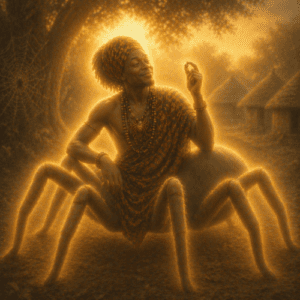
In West African traditions, the spider figure Anansi uses wit and storytelling to outsmart stronger opponents. Anansi’s tales emphasize intelligence over strength, showing that cleverness can reshape power structures. Similarly, in Native American traditions, Coyote embodies both foolishness and wisdom, often teaching lessons through failure and humor.
In the Indian tradition, Krishna displays trickster qualities in his youth, using mischief and charm to challenge norms while ultimately guiding others toward deeper truths. Unlike destructive tricksters, Krishna’s actions often reveal spiritual insight hidden beneath playful deception.
What defines Trickster Gods is their relationship with boundaries. They move between worlds, blur moral lines, and challenge rigid systems. Through humor, chaos, or illusion, they expose weaknesses in authority and force transformation.
Across cultures, Trickster Gods serve as agents of change. They disrupt stagnation, provoke growth, and remind societies that order is never absolute. While their actions may appear chaotic, they often reveal deeper truths about human nature, power, and the fluid nature of reality.
Exploring Trickster Gods reveals that chaos is not always destructive. Sometimes, it is necessary. These figures show that transformation often begins with disruption, and that wisdom can emerge from the unexpected.